
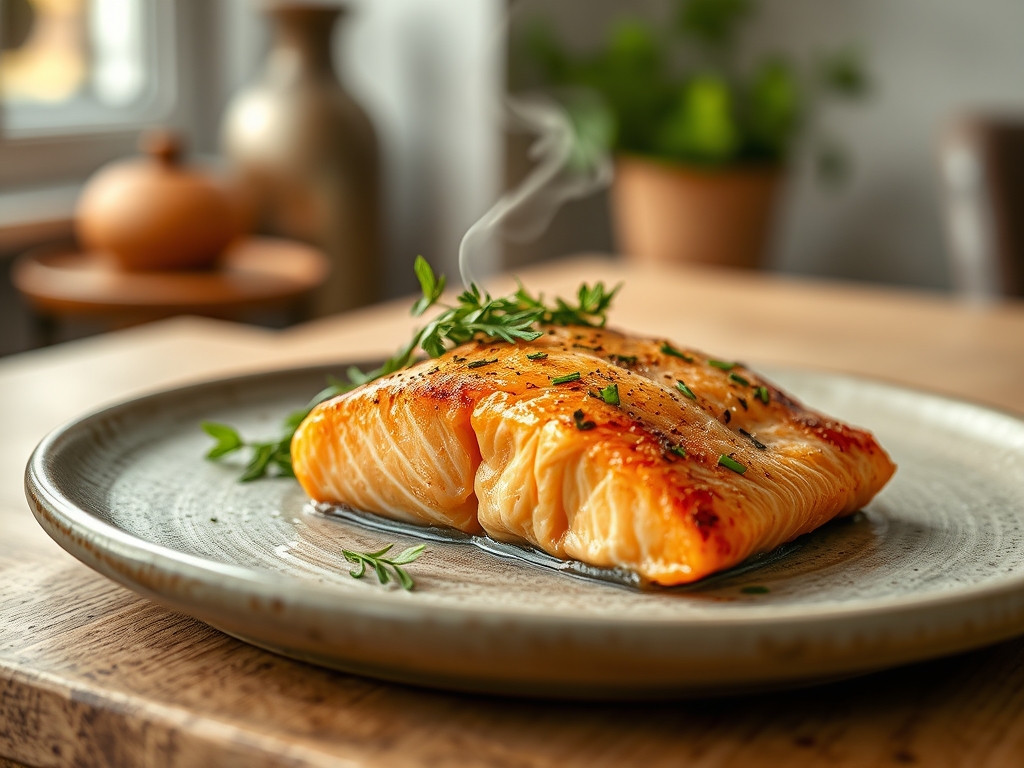
Picture a heavy-bottomed skillet shimmering with a thin layer of oil, the air filling with a piquant aroma as the skin meets the heat. You are about to master the art of the perfect sear. Learning how to make salmon recipes is less about following a rigid script and more about understanding the fluid chemistry of heat and protein.
Most beginners fear the fish. They worry about the dreaded white albumin seeping out or the heartbreak of a fillet sticking to the pan. I am here to tell you that salmon is actually the most forgiving canvas in the culinary world once you respect its cellular structure. We are going to transform a cold piece of protein into a masterpiece of crispy skin and buttery, translucent flakes. Whether you are cooking for a quiet night in or trying to impress a table of ten, these nine hacks will elevate your kitchen game from guesswork to professional precision. We are focusing on the science of the sear, the magic of emulsification, and the thermal physics that keep your fish succulent. Grab your apron; we are diving deep into the blue.
The Gathers:
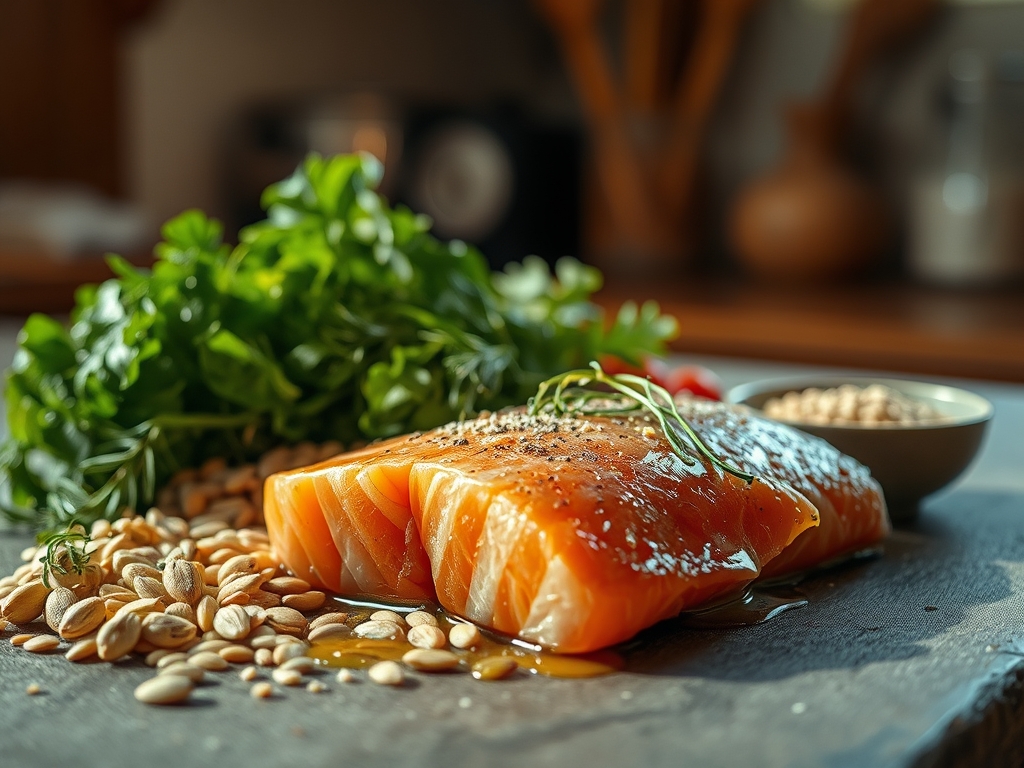
Before the flame touches the pan, your mise-en-place must be flawless. Professional chefs rely on a saucier for reductions and a microplane for aromatics to ensure every molecule of flavor is extracted. For this masterclass, you will need high-quality Atlantic or King salmon fillets, preferably center-cut for uniform thickness. You will also need a high-smoke-point oil like avocado or grapeseed oil; butter has too much water content for the initial sear and will burn before the skin crisps.
Gather coarse kosher salt to draw out surface moisture and freshly cracked black pepper for a pungent bite. You will also need aromatics: garlic cloves, sprigs of thyme, and a bright lemon. Smart Substitutions: If you are avoiding dairy, swap the finishing butter for a viscous cold-pressed olive oil or a splash of coconut aminos for a savory, umami-rich depth. If you lack fresh herbs, a pinch of dried tarragon provides a similar anise-like profile that cuts through the fatty lipids of the fish.
The Clock
Efficiency in the kitchen is known as the Chef's Flow. For these salmon hacks, your active prep time is a mere 10 minutes, while the cook time ranges from 6 to 12 minutes depending on the thickness of the fillet.
The most critical part of the clock is the tempering phase. You must allow the salmon to sit at room temperature for at least 15 minutes before it hits the heat. If you drop a fridge-cold fillet into a hot skillet, the muscle fibers will contract violently, squeezing out moisture and leaving you with a tough, dry result. Total time from fridge to table is roughly 30 minutes; a perfect window for a weeknight win.
The Masterclass
1. The Desiccation Ritual
Use a paper towel to pat the salmon bone-dry. Moisture is the enemy of the Maillard reaction; if the surface is wet, the fish will steam rather than sear.
Pro Tip: This is known as surface desiccation. By removing water molecules, you allow the heat to immediately begin browning the proteins and rendering the fats, leading to that coveted golden crust.
2. The Score and Pore
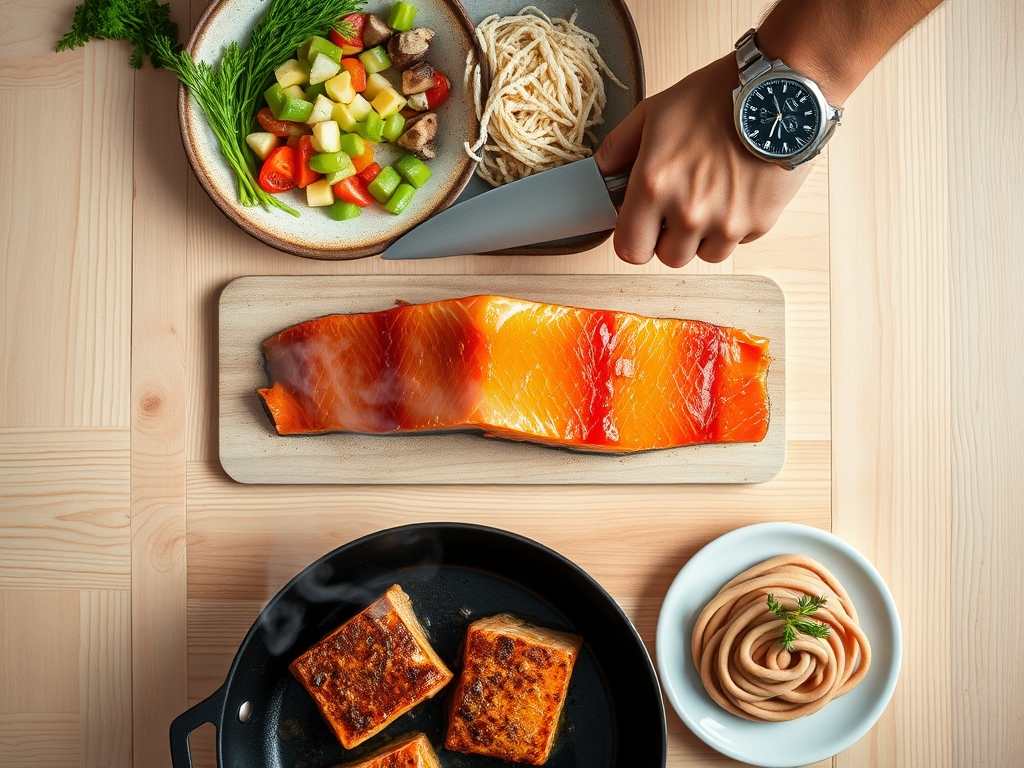
Use a sharp chef's knife to make three shallow, diagonal slits in the skin. Do not cut into the flesh. This prevents the fillet from curling as the skin proteins contract under heat.
Pro Tip: Scoring increases the surface area exposed to the oil. This allows the heat to penetrate the subcutaneous fat layer more effectively, ensuring the skin becomes a crispy wafer rather than a rubbery layer.
3. The Cold-Pan Start (Alternative)
While most recipes call for a screaming hot pan, beginners often find success starting in a cold, heavy-bottomed skillet. Place the fish skin-side down and then turn the heat to medium-high.
Pro Tip: Starting cold allows the fat to render slowly. As the pan temperature rises, the fat liquefies and fries the skin in its own oil, resulting in an incredibly even, glass-like texture.
4. The Weight of Success
Once the fish is in the pan, use a flexible fish spatula or a bench scraper to press down firmly on the fillet for the first 30 seconds.
Pro Tip: This ensures total contact between the skin and the cooking surface. Without this pressure, the skin often buckles, creating air pockets that prevent even browning and leave patches of soggy skin.
5. The Butter Baste
When the fish is 70 percent cooked, toss a knob of butter, crushed garlic, and thyme into the pan. Use a spoon to continuously douse the fish in the bubbling fat.
Pro Tip: This is called aromatic infusion. The butter acts as a solvent, extracting fat-soluble flavor compounds from the herbs and garlic and depositing them into the crevices of the flaking fish.
6. The Digital Check
Forget the "flake test" with a fork; it ruins the presentation. Use a digital scale or, more accurately, an instant-read thermometer to check the internal temperature.
Pro Tip: Aim for 125 degrees Fahrenheit for medium-rare. Because of thermal carryover, the internal temperature will continue to rise about 5 degrees after you remove it from the heat.
7. The Acid Balance
Just before serving, deglaze the pan with a squeeze of lemon juice or a splash of dry white wine. This creates a quick pan sauce that cuts through the richness.
Pro Tip: Acid breaks down the heavy fat molecules on the palate. This creates a sensory contrast known as palate cleansing, making every subsequent bite taste as vibrant as the first.
8. The Resting Period
Place the salmon on a warm plate and let it rest for at least 3 minutes. Do not tent it tightly with foil, as the trapped steam will soften the crispy skin you worked so hard for.
Pro Tip: Resting allows the muscle fibers to relax and reabsorb the internal juices. If you cut into it immediately, the moisture will leak out, leaving the protein fibers dry and stringy.
9. The Microplane Finish
Grate fresh lemon zest or a dusting of bottarga over the top using a microplane just before the plate hits the table.
Pro Tip: Zest contains volatile oils that dissipate quickly with heat. By adding it at the very end, you ensure the aromatic "top notes" hit the diner's nose immediately, enhancing the perceived flavor.
The Deep Dive
Salmon is a nutritional powerhouse, packed with Omega-3 fatty acids, Vitamin B12, and high-quality protein. On average, a 6-ounce fillet provides about 34 grams of protein and 18 grams of healthy fats. For those following a Keto lifestyle, this is a staple. If you are Vegan, you can apply these searing techniques to "salmon" made from marinated, scored tofu or compressed watermelon. For a Gluten-Free approach, ensure your seasonings are pure and avoid any flour-based dusting.
The Fix-It:
- White Stuff (Albumin): If white gunk appears, your heat is too high. The protein is contracting too fast and squeezing out liquid protein. Lower the flame.
- Sticking: If the fish won't flip, it is not ready. The Maillard reaction creates a natural release once the crust is formed. Wait thirty seconds.
- Soggy Skin: This happens if you crowd the pan. Cook in batches to ensure the steam can escape.
Meal Prep: To reheat salmon without it turning into a "fishy" disaster, avoid the microwave. Use a low-temperature oven (275 degrees) with a splash of water in the dish, covered with foil, to gently re-hydrate the proteins.
The Wrap-Up
Mastering how to make salmon recipes is your ticket to culinary confidence. By focusing on the science of heat transfer and the importance of surface moisture, you have moved beyond the basic "cook until pink" mentality. You now have the tools, from the saucier to the microplane, to execute a restaurant-quality meal in your own kitchen. Remember: dry the skin, watch the temperature, and always let it rest. You've got this!
The Kitchen Table
How do I stop salmon from smelling fishy?
Purchase extremely fresh, sushi-grade fish and rinse it with cold water before drying. The "fishy" smell comes from Trimethylamine (TMA) which develops as the fish ages. Fresh salmon should smell like the clean, salty ocean.
Can I cook salmon from frozen?
Yes, but for the best texture, thaw it in the fridge overnight. If rushing, use the "sealed bag in cold water" method. Cooking from frozen often leads to uneven textures and a lack of crispy skin.
What is the best oil for searing salmon?
Use oils with a high smoke point such as avocado, grapeseed, or refined light olive oil. Avoid extra virgin olive oil or butter for the initial sear, as they will smoke and bitter before the fish is cooked.
How do I know when salmon is done?
The most accurate method is using a digital thermometer. Aim for an internal temperature of 125 to 130 degrees Fahrenheit for a moist, medium-rare center. The flesh should be opaque but still slightly translucent in the very middle.