
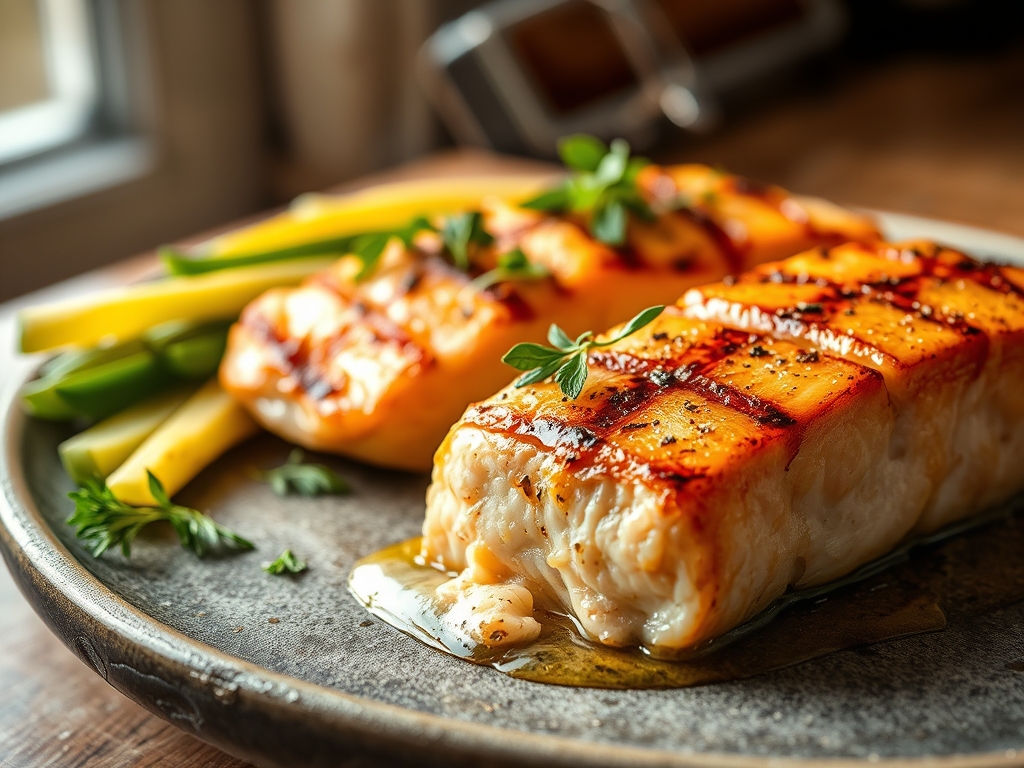
Close your eyes and listen for the rhythmic hiss of fat hitting hot wood. That sound is the overture to a culinary masterpiece. When you master grilled plank salmon recipes, you are not just cooking; you are conducting a symphony of smoke, steam, and fire. The aroma of toasted cedar creates a sensory bridge between the wild outdoors and your dinner table. It is a technique that transforms a simple fillet into a buttery, wood-infused delicacy that flakes at the mere suggestion of a fork.
The magic happens when the moisture trapped within the wood fibers turns to aromatic steam, gently poaching the underside of the fish while the top undergoes a slow, controlled roast. This dual-action heat prevents the protein from drying out, a common tragedy in open-flame grilling. By using a plank, you create a thermal buffer that shields the delicate flesh from aggressive direct heat. This allows the intramuscular fats to render slowly, ensuring every bite is succulent and saturated with the essence of the Pacific Northwest.
The Gathers:
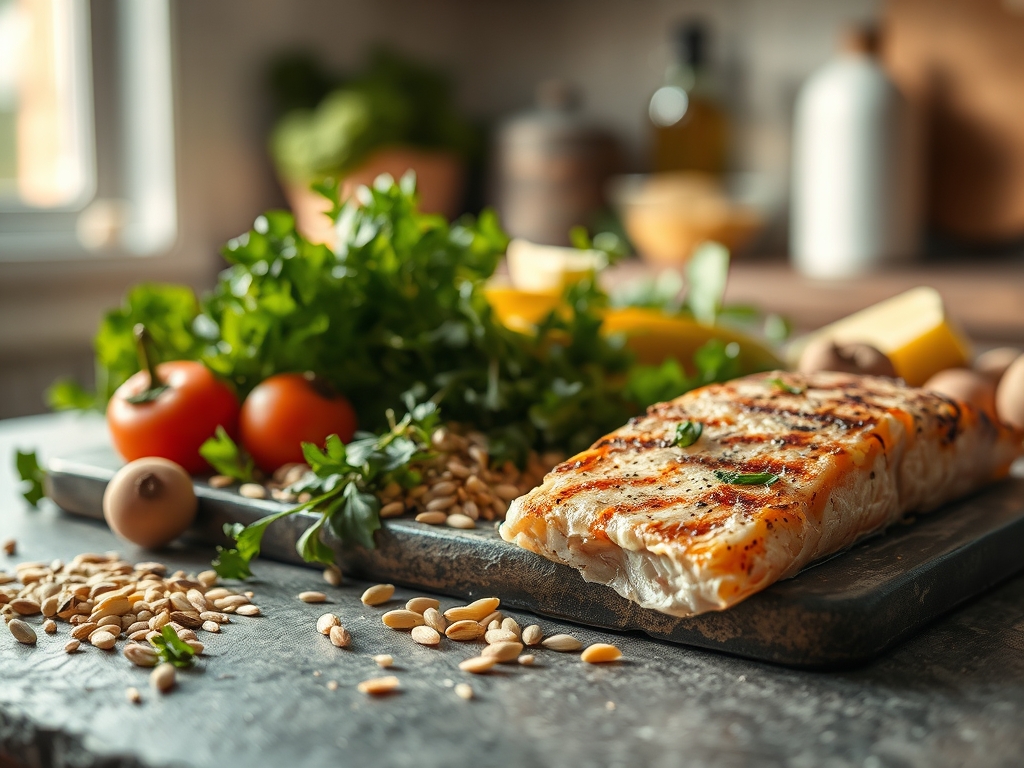
To achieve professional results, your mise-en-place must be precise. Start with a high-quality center-cut Atlantic or King salmon fillet, preferably with the skin on to act as a secondary heat barrier. You will need food-grade Western Red Cedar planks that have been submerged in water for at least two hours to prevent combustion.
For the flavor profile, gather viscous Grade A maple syrup, piquant Dijon mustard, and coarse sea salt. You will also need fresh sprigs of rosemary and thyme to provide volatile oils that will infuse the steam. Reach for your microplane to zest one organic lemon; the tiny surface area of the zest ensures maximum essential oil release without the bitterness of the pith.
Smart Substitutions:
If you lack cedar, alder wood offers a sweeter, more subtle profile. For a keto-friendly version, swap the maple syrup for a monk fruit-based brown sugar substitute. If you are out of Dijon, a stone-ground mustard provides a similar acidic backbone but adds a rustic texture. Always use a digital scale to measure your glaze ingredients if you want consistent results every time you fire up the grill.
The Clock
Efficiency in the kitchen is about understanding the "Chef's Flow." Total active preparation takes approximately 15 minutes, but you must account for the 120-minute mandatory soak for the planks. Once the grill is preheated to a steady 400 degrees Fahrenheit, the actual cook time ranges from 12 to 18 minutes depending on the thickness of the fillet.
The "Flow" dictates that you prepare your glaze while the grill is preheating. This allows the flavors in the glaze to marry and reach room temperature, preventing a cold shock to the fish. Always allow for a 5-minute rest period after the fish leaves the heat. This is not dead time; it is a critical phase where thermal carryover finishes the cooking process and allows the juices to redistribute through the muscle fibers.
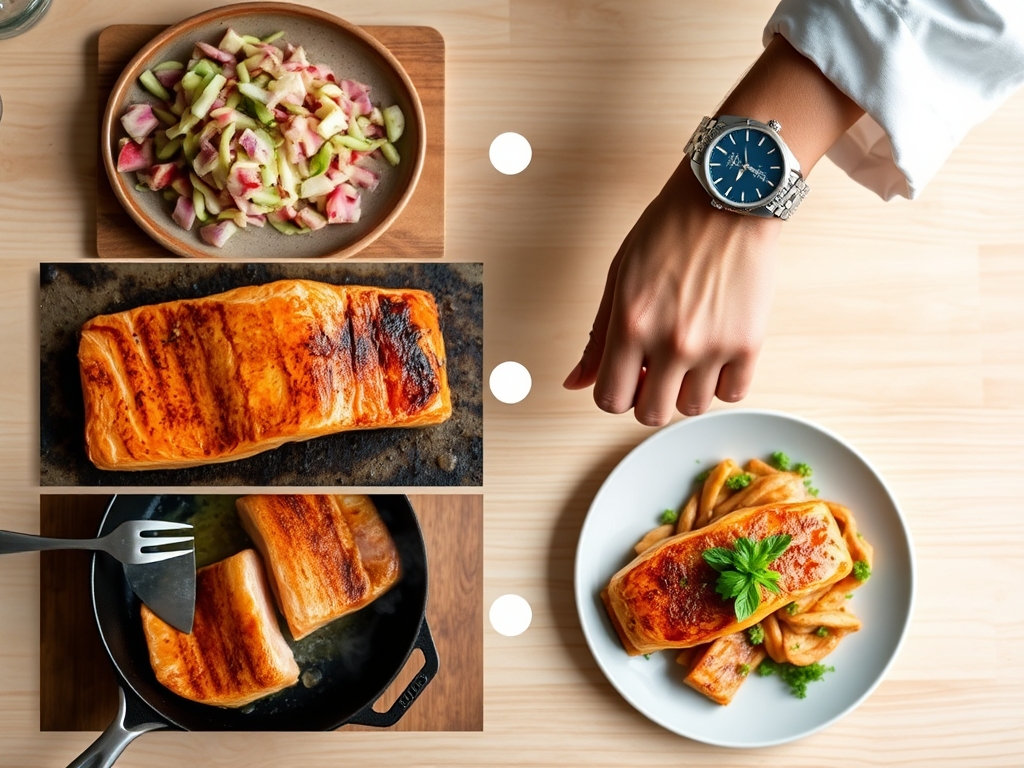
The Masterclass
1. The Hydration Phase
Submerge your cedar planks in salted water or even a splash of white wine. Use a heavy object like a heavy-bottomed skillet to keep them fully underwater.
Pro Tip: This creates a steam-jacket effect. The water inside the wood prevents the plank from catching fire and instead releases moisture that keeps the salmon's internal temperature stable, preventing protein denaturation from happening too quickly.
2. Tempering the Protein
Remove your salmon from the refrigerator 20 minutes before cooking. Use a bench scraper to move the fillets onto a tray and pat them bone-dry with paper towels.
Pro Tip: Cooking cold fish leads to uneven results. By bringing the fish closer to room temperature, you ensure the exterior and interior reach the target temperature simultaneously, avoiding a raw center and overcooked edges.
3. The Glaze Emulsification
In a small saucier, whisk together your maple syrup, Dijon, and lemon zest. Whisk vigorously to aerate the mixture and create a stable emulsion.
Pro Tip: The sugars in the maple syrup are essential for the Maillard reaction. This chemical reaction between amino acids and reducing sugars creates hundreds of different flavor compounds, giving the salmon its characteristic savory-sweet crust.
4. Seasoning with Precision
Generously coat the salmon with salt and cracked black pepper. Use your fingers to press the seasoning into the flesh so it adheres during the flip-less cooking process.
Pro Tip: Salt acts as a denaturant that "unwinds" the protein strands. This allows the seasoning to penetrate deeper into the fillet, enhancing the natural flavors rather than just sitting on the surface.
5. Pre-Toasting the Plank
Place the wet plank on the grill for 3 to 5 minutes until it begins to crackle and release a light wisp of smoke. Flip the plank over before adding the fish.
Pro Tip: This "toasting" step initiates the release of lignin and cellulose compounds in the wood. By placing the fish on the charred side, you maximize the smoke transfer directly into the protein.
6. The Gentle Roast
Lay the salmon on the toasted side of the plank. Close the grill lid to trap the smoke. Use tongs to adjust the plank if one side is browning faster than the other.
Pro Tip: The closed lid creates a convection environment. The smoke particles, which are heavy and sticky, adhere to the moist surface of the fish, creating a deep smoky flavor profile that cannot be replicated in an oven.
7. Monitoring Internal Temps
Use a digital thermometer to check the thickest part of the fillet. Aim for 130 degrees Fahrenheit for a perfect medium-rare to medium finish.
Pro Tip: This is where you account for thermal carryover. The internal temperature will rise by 5 degrees after you remove it from the grill. Pulling it at 130 ensures it lands at a perfect, juicy 135 degrees.
8. The Resting Period
Slide the entire plank onto a heat-safe platter. Let it sit undisturbed for 5 minutes before serving.
Pro Tip: During the rest, the pressure inside the fish equalizes. If you cut into it immediately, the pressurized juices will escape, leaving you with a dry fillet. Patience results in a superior mouthfeel.
The Deep Dive
From a nutritional standpoint, this dish is a powerhouse. A 6-ounce serving provides roughly 34 grams of high-quality protein and is rich in Omega-3 fatty acids, which are essential for heart health. Because we are using a plank, we minimize the need for added oils or butter, keeping the calorie count efficient.
Dietary Swaps:
For a vegan alternative, firm blocks of tofu or large Portobello mushroom caps can be treated with the same cedar-plank method. For those following a strict Paleo or Keto diet, replace the maple syrup with a balsamic reduction or a sugar-free glaze. The technique remains the same; only the carbohydrate source changes.
The Fix-It:
- The Plank Catches Fire: This happens if the wood wasn't soaked long enough. Keep a spray bottle of water nearby to douse small flames without extinguishing the grill.
- White Gunk (Albumin) Appearing: This is a sign of overcooking. The protein is contracting too fast and squeezing out liquid protein. Lower your heat next time.
- Fish Sticks to the Wood: Ensure you toasted the plank first and consider a very light brush of oil on the wood surface before placing the fish.
Meal Prep:
If you have leftovers, do not microwave them. The high intensity of a microwave will turn the delicate fats rancid. Instead, flake the cold salmon into a salad or gently reheat it in a covered pan with a tablespoon of water to recreate the steam environment.
The Wrap-Up
Mastering grilled plank salmon recipes is a rite of passage for any home cook looking to elevate their outdoor game. It is a perfect marriage of primitive fire-cooking and refined flavor balancing. By respecting the science of the wood and the chemistry of the glaze, you turn a standard weeknight meal into a gourmet event. Now, grab your planks and get grilling!
The Kitchen Table
How long should I soak the cedar planks?
Soak your planks for at least two hours in salted water. This ensures the wood is fully hydrated, preventing it from catching fire and allowing it to produce the consistent steam necessary for a moist, smoky salmon fillet.
Can I reuse cedar planks for salmon?
If the plank is not heavily charred, you can scrub it with hot water (no soap) and reuse it once. However, for the best flavor and hygiene, most professional chefs recommend using a fresh plank for every cook.
What is the best temperature for the grill?
Maintain a steady grill temperature of 400 degrees Fahrenheit. This provides enough heat to toast the wood and render the salmon fat without burning the sugars in the glaze or drying out the delicate fish proteins.
Do I need to flip the salmon on the plank?
No, never flip the salmon. The beauty of plank grilling is that the wood protects the bottom while the ambient heat cooks the top. Flipping would break the fillet and ruin the beautiful presentation.