
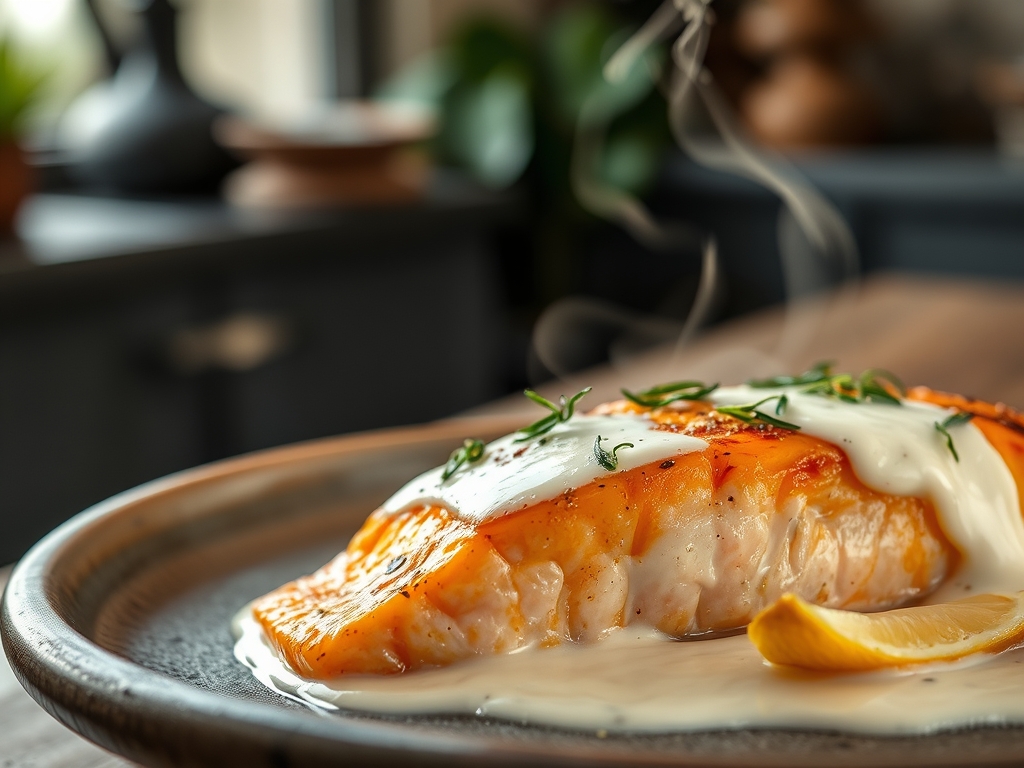
Picture the sizzle of a cold fillet hitting a scorching stainless steel pan. The sound is immediate; a sharp hiss that signals the start of the Maillard reaction as proteins and sugars fuse into a golden, savory crust. Now, imagine deglazing that pan with a splash of dry white wine before pouring in a stream of thick, velvety dairy. This is the ultimate comfort. Mastering salmon recipes with heavy cream is less about following a script and more about understanding the chemistry of fat, acid, and heat. When heavy cream hits the pan, its high butterfat content acts as a stabilizer, preventing the sauce from breaking while it envelopes the fish in a luxurious, silk-like coat.
We are moving beyond basic searing. We are talking about deep, complex emulsions that cling to every flake of the fish. Whether you are craving a Tuscan-inspired garlic sauce or a sharp lemon-dill reduction, the heavy cream provides the structural integrity needed to carry bold flavors. It is the bridge between the oceanic brine of the salmon and the piquant notes of capers or sun-dried tomatoes. Grab your favorite apron and clear the counter; we are about to turn your kitchen into a high-end bistro where the sauce is the star and the salmon is the canvas.
The Gathers:
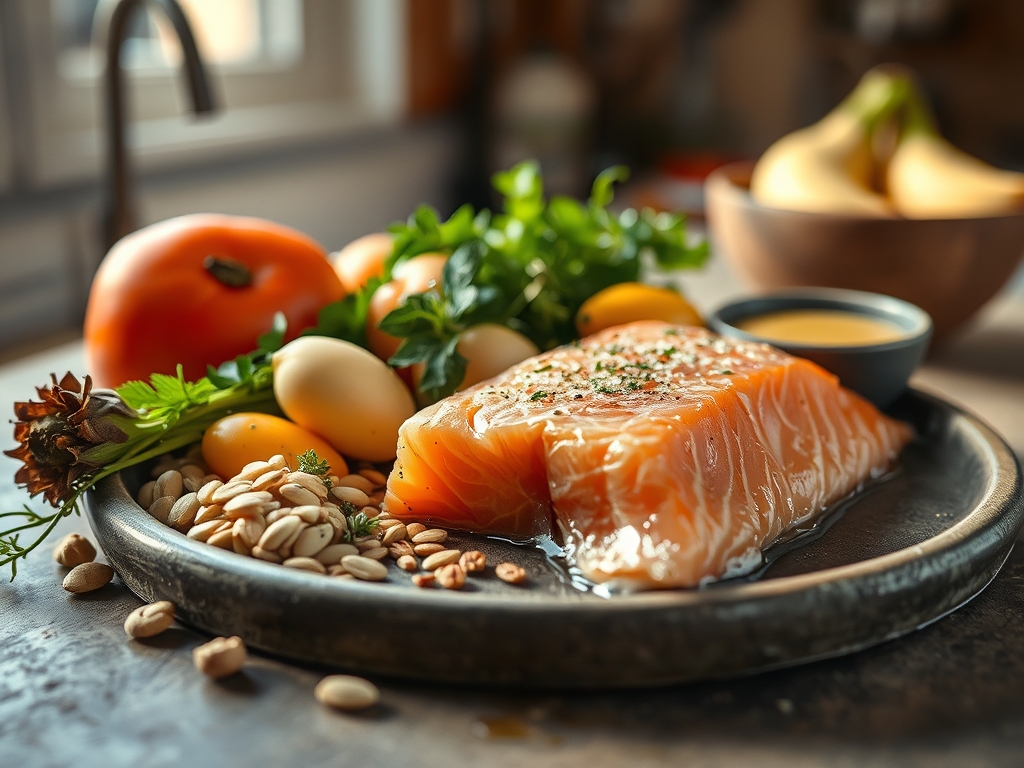
Before we ignite the burners, we must respect the mise-en-place. For the best salmon recipes with heavy cream, your ingredient list must be curated for maximum impact. You will need high-quality Atlantic or King salmon fillets, preferably skin-on to protect the delicate flesh from direct thermal shock. Your dairy must be true heavy whipping cream with at least 36 percent butterfat. Lower fat alternatives like half-and-half lack the necessary phospholipids to create a stable emulsion, often resulting in a watery, curdled mess when exposed to acidic components like lemon juice.
Your toolkit is just as vital as your pantry. Reach for a heavy-bottomed skillet or a saucier to ensure even heat distribution. You will also need a microplane for zest, tongs for precise flipping, and a digital scale to ensure your fillets are uniform in weight for consistent cooking times.
Smart Substitutions:
If you are looking to pivot, you can swap heavy cream for full-fat coconut milk for a tropical, dairy-free profile; though you will lose the specific lactic sweetness of cow's milk. For a tangier edge, whisk in a tablespoon of creme fraiche at the very end. If you lack dry white wine for deglazing, a splash of verjus or a high-quality chicken bone broth will provide the necessary liquid to lift those flavorful browned bits from the bottom of the pan.
The Clock
Efficiency in the kitchen is about "Chef's Flow." This isn't just about total time; it is about overlapping tasks so that nothing sits idle. Expect a total prep time of 15 minutes and a cook time of 20 minutes.
The flow begins with the salmon. Remove your fillets from the refrigerator 20 minutes before cooking to take the chill off. This ensures the center reaches the target temperature without the exterior becoming overcooked. While the fish rests, use your bench scraper to clear your chopping board of aromatics. The sauce reduction happens in the same pan as the fish, meaning you are looking at a 35-minute window from raw ingredients to a plated masterpiece.
The Masterclass
1. The Critical Sear
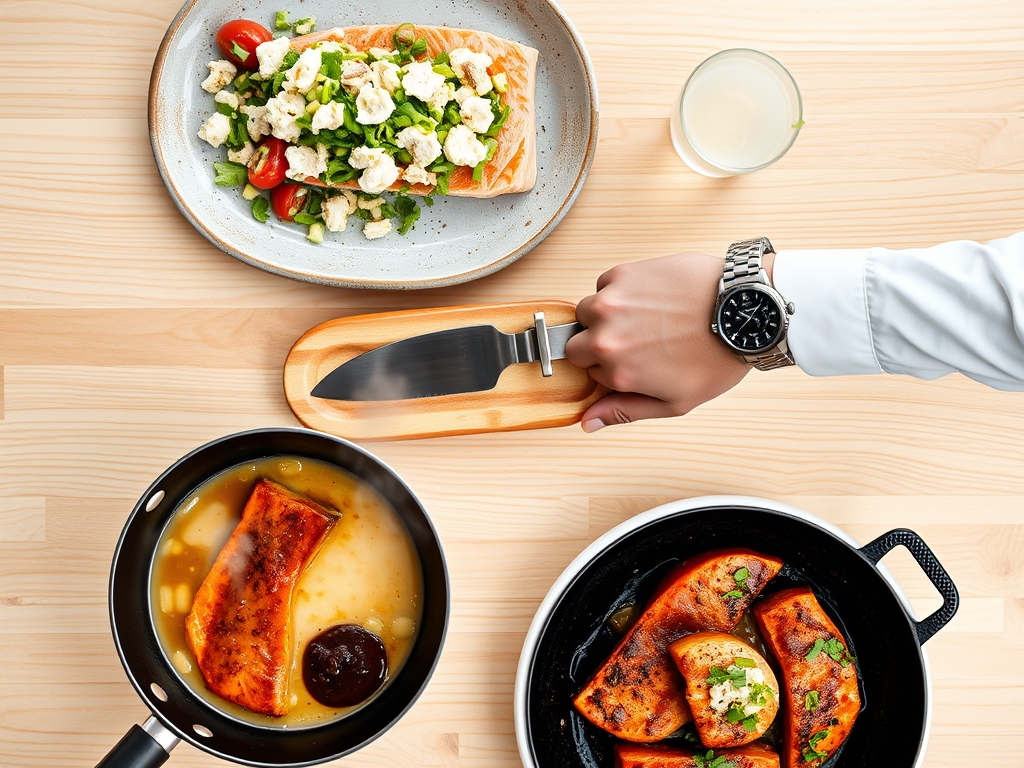
Pat the salmon bone-dry with paper towels. Moisture is the enemy of a crisp crust. Heat your skillet over medium-high heat with a high-smoke-point oil. Place the salmon skin-side down and press firmly with a spatula for 10 seconds to prevent curling.
Pro Tip: This technique utilizes conduction to render the subcutaneous fat. By pressing the fish, you ensure maximum surface contact, leading to a more uniform Maillard reaction and a crispier texture.
2. Deglazing the Fond
Once the salmon is 80 percent cooked, remove it from the pan. Pour off excess fat, leaving about a tablespoon. Add minced shallots and garlic, then splash in your deglazing liquid. Use a wooden spoon to scrape up the "fond," those brown bits stuck to the pan.
Pro Tip: Deglazing is a chemical process where the solvent (wine or broth) dissolves the caramelized proteins. This captures the "umami" created during searing and integrates it directly into your cream sauce.
3. The Cream Reduction
Lower the heat to medium and pour in the heavy cream. Bring it to a gentle simmer, never a rolling boil. Stir constantly with a whisk to aerate the sauce slightly and encourage evaporation.
Pro Tip: Reducing the cream increases its viscosity. As water evaporates, the fat and protein molecules become more concentrated, creating a sauce that naturally coats the back of a spoon without the need for flour or cornstarch.
4. Infusing Flavor
Add your secondary flavors now. This could be chopped spinach, sun-dried tomatoes, or a handful of parmesan cheese. Stir until the greens are wilted and the cheese has completely melted into the emulsion.
Pro Tip: Adding fats like cheese at the end of the reduction prevents the proteins from "tightening" and becoming grainy. This ensures the sauce remains perfectly smooth and glossy.
5. The Final Marriage
Nestle the salmon back into the simmering sauce. Spoon the cream over the top of the fillets for two minutes to finish the cooking process.
Pro Tip: This is called thermal carryover. Taking the fish off the direct heat of the pan surface and finishing it in the liquid ensures the internal temperature rises slowly to 145 degrees Fahrenheit, preventing the albumin (the white stuff) from leaking out.
6. Brightening the Profile
Finish the dish with a squeeze of fresh lemon juice and a sprinkle of fresh herbs like dill or parsley. Do not add the acid too early, or it might cause the dairy to separate.
Pro Tip: Acid acts as a flavor "highlighter." It cuts through the heavy lipids of the cream and the salmon fat, balancing the pH of the dish and making the flavors "pop" on your palate.
7. The Rest and Serve
Transfer the salmon to warm plates and pour the remaining sauce over the top. Let it sit for three minutes before diving in.
Pro Tip: Resting allows the muscle fibers in the salmon to relax and reabsorb the juices. If you cut into it too soon, the moisture will flood the plate, thinning out your beautiful cream sauce.
The Deep Dive
Macro Nutrition: Salmon recipes with heavy cream are a powerhouse of healthy fats. You are looking at a high concentration of Omega-3 fatty acids from the fish, paired with the saturated fats of the cream. A standard serving typically contains 35 to 45 grams of protein and roughly 500 to 700 calories, depending on the sauce additions.
Dietary Swaps: For a Keto version, this recipe is already nearly perfect; just ensure your aromatics are low-carb. For Gluten-Free needs, the natural reduction of cream means you never need flour thickeners. For a Vegan alternative, use a cashew-based cream and a "salmon" made from marinated tofu or carrots, though the texture will differ significantly.
The Fix-It:
- The Sauce Broke: If you see oil separating from the cream, whisk in a teaspoon of very hot water or a splash of fresh cream to re-emulsify the mixture.
- The Salmon is Dry: You likely missed the carryover window. Next time, pull the fish when it hits 135 degrees and let the sauce do the rest.
- The Sauce is Too Thin: Continue to simmer on low heat. The goal is "nappe" consistency, where the sauce coats a spoon without running off instantly.
Meal Prep: To reheat without turning the salmon into rubber, avoid the microwave. Place the leftovers in a small pan with a tablespoon of water or milk. Cover and heat on low until the sauce becomes fluid again. This gentle steam prevents the proteins from over-coagulating.
The Wrap-Up
There you have it; the science and soul of salmon recipes with heavy cream. By understanding the relationship between heat and emulsion, you have graduated from a home cook to a culinary scientist. This dish is about the harmony of textures; the crunch of the sear against the velvet of the sauce. It is sophisticated enough for a dinner party but simple enough for a Tuesday night when you need a win. Now, get that skillet hot and start whisking!
The Kitchen Table
Can I use milk instead of heavy cream?
Milk lacks the fat content to emulsify properly. It will likely curdle when mixed with the salmon's natural acids or lemon juice. For the intended silkiness, stick to heavy cream or heavy whipping cream.
How do I keep the salmon skin crispy in sauce?
The secret is to only submerge the bottom half of the fillet. Keep the crispy skin side facing up, above the "tide line" of the sauce, and avoid spooning liquid directly over the top of the skin.
What is the best way to tell if salmon is done?
Use a digital thermometer to hit 145 degrees Fahrenheit. Alternatively, press the top of the fillet with a fork; if the flakes separate easily along the white fat lines, it is ready to serve.
Why did my garlic turn bitter?
Garlic burns at a lower temperature than salmon sears. Always add your aromatics after you have removed the salmon or lowered the heat to deglaze the pan to prevent scorching the delicate sugars in the garlic.