
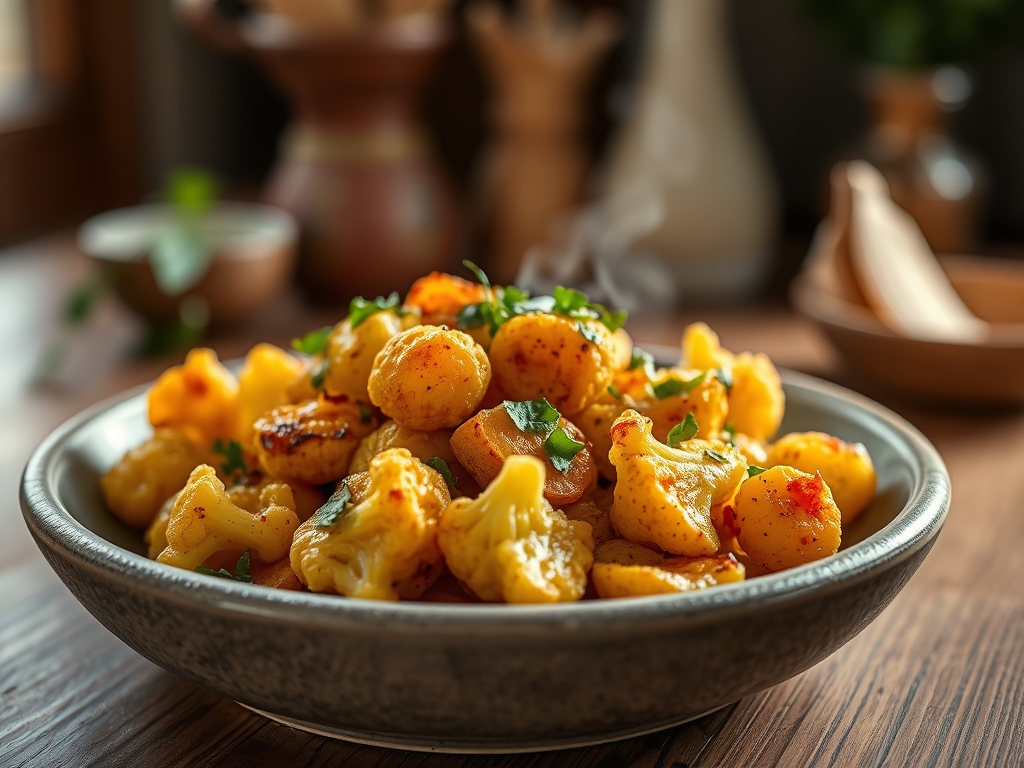
Picture the scent of cumin seeds hitting hot oil; that sudden, sharp crackle signals the start of a culinary transformation. When you master cauliflower and potato recipes indian style, you are not just cooking vegetables. You are orchestrating a symphony of textures where the cruciferous crunch of the floret meets the creamy, starch-dense heart of the potato. This is a journey through six distinct regional variations, from the dry, charred edges of a Punjabi stir-fry to the lush, gravy-laden comfort of a Bengali curry. We are going to dive deep into the chemistry of spices and the physics of heat to ensure your kitchen smells like a high-end Delhi bistro. Whether you want a quick weeknight side or a centerpiece for a festive spread, these techniques will turn humble pantry staples into gold. Forget soggy stems and bland tubers; we are aiming for caramelized edges and spices that have been toasted to their absolute aromatic peak. Let us get the pan hot.
The Gathers:
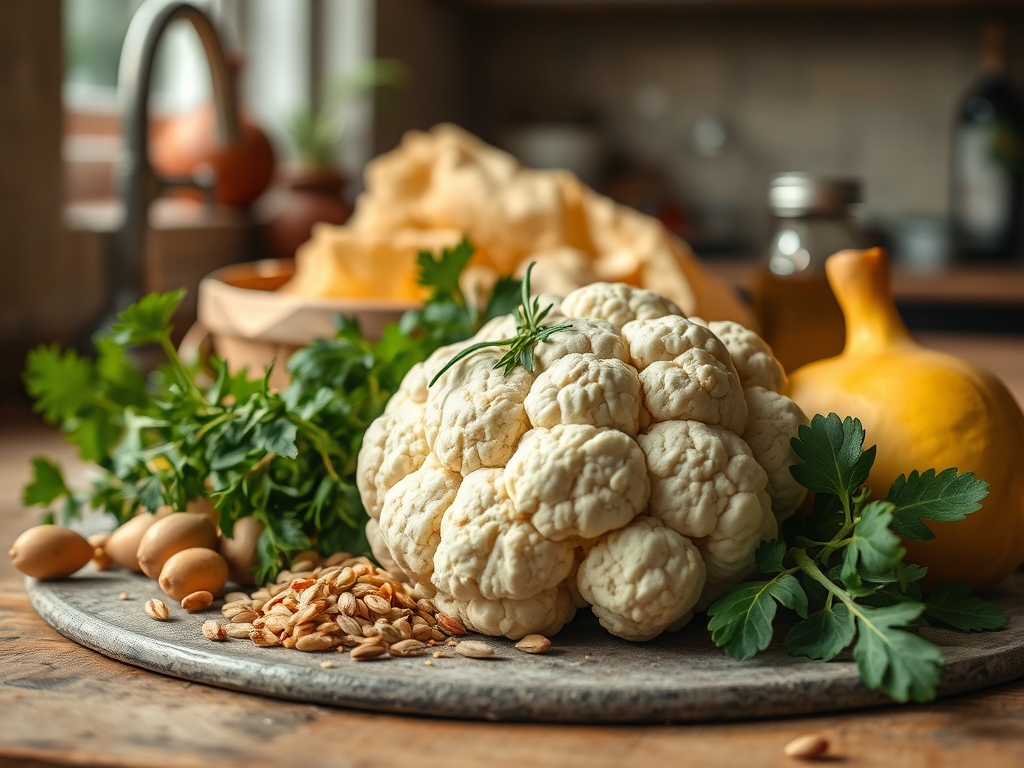
To achieve professional results, your mise-en-place must be precise. Start with a firm head of cauliflower, looking for tight curds with no brown spots; this indicates high cellular integrity. For the potatoes, reach for a waxy variety like Yukon Gold to maintain shape, or a starchy Russet if you prefer a thicker, more viscous sauce. You will need high-quality fats: either cow milk ghee for its high smoke point and nutty profile, or cold-pressed mustard oil for that authentic, piquant punch.
Your spice kit is your laboratory. You will need whole cumin seeds, turmeric powder for its earthy hue, and Kashmiri red chili powder for vibrant color without overwhelming heat. A microplane is essential here for grating fresh ginger and garlic into a fine paste that melts into the oil. For Smart Substitutions, if you are avoiding nightshades, swap potatoes for cubed celery root or daikon radish. If cauliflower is unavailable, Romanesco provides a similar structural profile with a slightly nuttier finish. Use a digital scale to measure your spices if you are new to the flavor ratios; consistency is the hallmark of a master.
The Clock
Preparation takes roughly twenty minutes of active knife work. You must use a sharp chef knife to ensure uniform surface area, which dictates even cooking. The cooking time ranges from twenty-five to forty minutes depending on whether you are aiming for a dry "Sabzi" or a "Rassa" gravy.
The Chef Flow is critical: while your potatoes are par-boiling or searing, use that window to bloom your spices. Never rush the onions. They need time to render their sugars and undergo the Maillard reaction, turning a deep amber. This foundation provides the umami backbone that defines the best cauliflower and potato recipes indian households swear by. If you are multitasking, prep your garnish of cilantro and lemon wedges during the final simmer.
The Masterclass
1. The Tempering Foundation
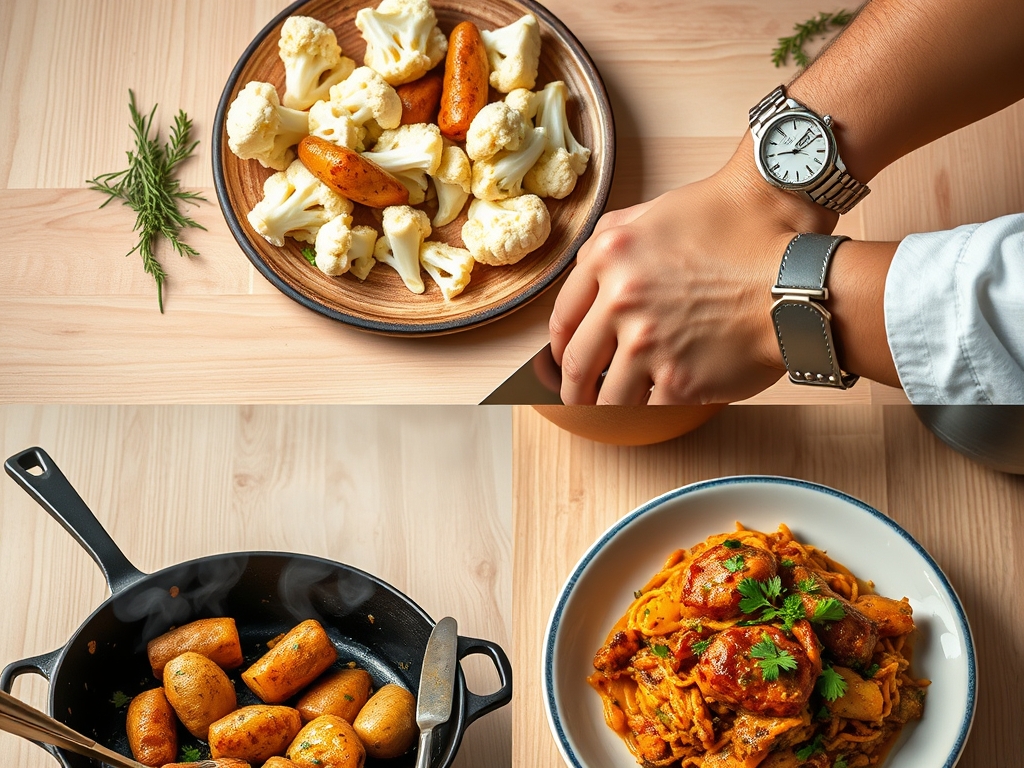
Heat your heavy-bottomed skillet or a traditional iron kadai over medium-high heat. Add your fat and wait for the shimmer. Drop in the cumin seeds and dried red chilies.
Pro Tip: This process, known as tempering or "tadka," uses hot oil to infuse fat-soluble flavor compounds from the spices. If the seeds do not sizzle immediately, the oil is too cold; if they turn black in seconds, you have scorched the volatile oils.
2. The Aromatics and Base
Add your finely diced onions. Sauté until translucent, then add the ginger-garlic paste processed via microplane.
Pro Tip: Adding a pinch of salt now uses osmosis to draw moisture out of the onions. This speeds up the browning process and ensures the aromatics soften into a jam-like consistency rather than remaining crunchy.
3. Searing the Tubers
Add the potato cubes first. They require more time to break down their complex starches compared to the cauliflower.
Pro Tip: Searing the potatoes creates a crust that prevents them from disintegrating later. This is due to starch gelatinization on the exterior, which acts as a structural cage for the soft interior.
4. Integrating the Cauliflower
Add the cauliflower florets and toss to coat in the spiced oil. Use tongs to ensure every crevice of the curd is covered in the golden turmeric.
Pro Tip: Cauliflower contains a high water content. Do not crowd the pan, or you will cause the vegetables to steam rather than sear. Maintaining high heat encourages enzymatic browning, which adds a complex, toasted flavor.
5. The Deglaze and Simmer
Add a splash of water or tomato puree to deglaze the bottom of the pan, scraping up the "fond" (the browned bits). Cover with a tight-fitting lid.
Pro Tip: This creates a pressurized steam environment. The thermal carryover once you turn off the heat will finish the cooking process without turning the vegetables into a mash.
6. The Final Aeration
Remove the lid, turn up the heat to evaporate excess moisture, and sprinkle with garam masala and fresh cilantro.
Pro Tip: Adding garam masala at the very end preserves the volatile aromatics. If cooked too long, the delicate notes of cinnamon and cardamom will dissipate into the air rather than staying in the dish.
The Deep Dive
Macro Nutrition: A standard serving of cauliflower and potato recipes indian style is surprisingly balanced. You get complex carbohydrates from the potatoes, high fiber and Vitamin C from the cauliflower, and healthy fats if using ghee or mustard oil. To increase protein, stir in some toasted paneer or chickpeas.
Dietary Swaps: For a Vegan version, use avocado oil or coconut oil instead of ghee. For Keto enthusiasts, replace the potatoes entirely with extra cauliflower or radishes. This dish is naturally Gluten-Free, provided your compounded asafoetida (hing) is not processed with wheat flour.
The Fix-It:
- Soggy Cauliflower: You likely added water too early. Next time, sear the florets on high heat first to lock in the structure. To fix a current soggy batch, remove the lid and use a saucier technique to reduce the liquid rapidly.
- Bitter Aftertaste: This usually comes from burnt turmeric or garlic. Balance it by stirring in a teaspoon of sugar or a dollop of yogurt to neutralize the acidity and bitterness.
- Underdone Potatoes: If the cauliflower is soft but potatoes are hard, add a tablespoon of hot water and cover for three minutes. The steam will penetrate the potato centers.
Meal Prep: These dishes actually improve on day two because the spices continue to infuse the vegetables. When reheating, avoid the microwave if possible. Use a skillet with a teaspoon of water to aerate the sauce and restore the texture of the potatoes.
The Wrap-Up
Mastering cauliflower and potato recipes indian style is a gateway to understanding the soul of spice-based cooking. It teaches you patience with aromatics and the importance of heat management. Once you have the base technique down, you can pivot from a dry stir-fry to a creamy masala with just a change in liquid ratios. Your kitchen is now a place of scientific magic where simple vegetables become extraordinary. Go ahead; grab that bench scraper to clear your board and start your next batch.
The Kitchen Table
Can I use frozen cauliflower for these recipes?
Yes, but thaw and pat them dry first. Frozen cauliflower has weakened cell walls, so it cooks faster. Skip the initial sear and add them toward the end to prevent a mushy texture in your dish.
How do I stop potatoes from sticking to the pan?
Ensure your heavy-bottomed skillet is fully heated before adding oil. Use the "water droplet test." If the water beads and dances, the pan is ready. This creates a natural non-stick surface through the Leidenfrost effect.
Why is my curry yellow instead of vibrant red?
The color depends on the ratio of turmeric to chili powder. For that deep restaurant red, use Kashmiri chili powder. It provides intense pigment with mild heat, whereas standard chili powder is hotter but less colorful.
What is the best way to cut cauliflower florets?
Cut through the stem first, then pull the florets apart by hand. This preserves the "curd" structure at the top. Using a knife to cut through the top creates "cauliflower snow," which burns easily in the pan.