
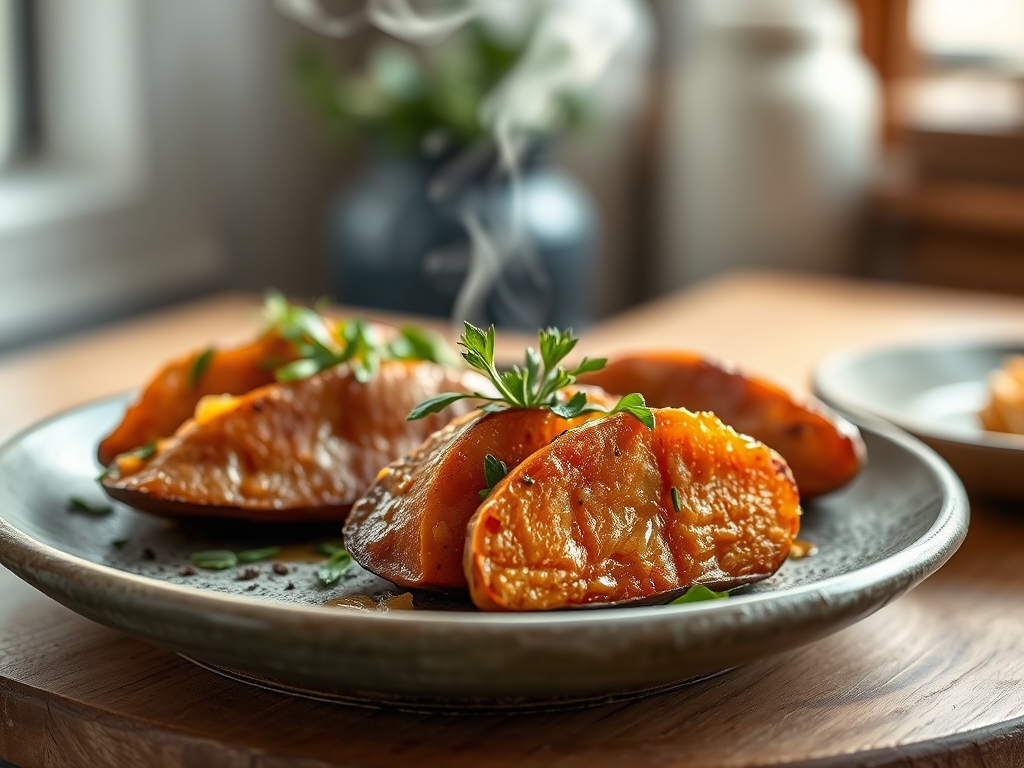
Imagine the scent of caramelized natural sugars wafting through your kitchen as a vibrant orange mash transforms into golden, nutrient dense finger foods. When you are diving into the world of blw sweet potato recipes, you are not just feeding a baby; you are conducting a masterclass in texture and palatability. Sweet potatoes are the ultimate culinary canvas because their high starch content provides structural integrity while their natural sweetness appeals to a child's innate biological preference for high energy foods. This guide is your roadmap to turning a humble tuber into eight distinct, safe, and sophisticated meals that will make your little one feel like a tiny food critic at a five star bistro. We are moving beyond basic steaming to explore the chemical magic of roasting, binding, and seasoning.
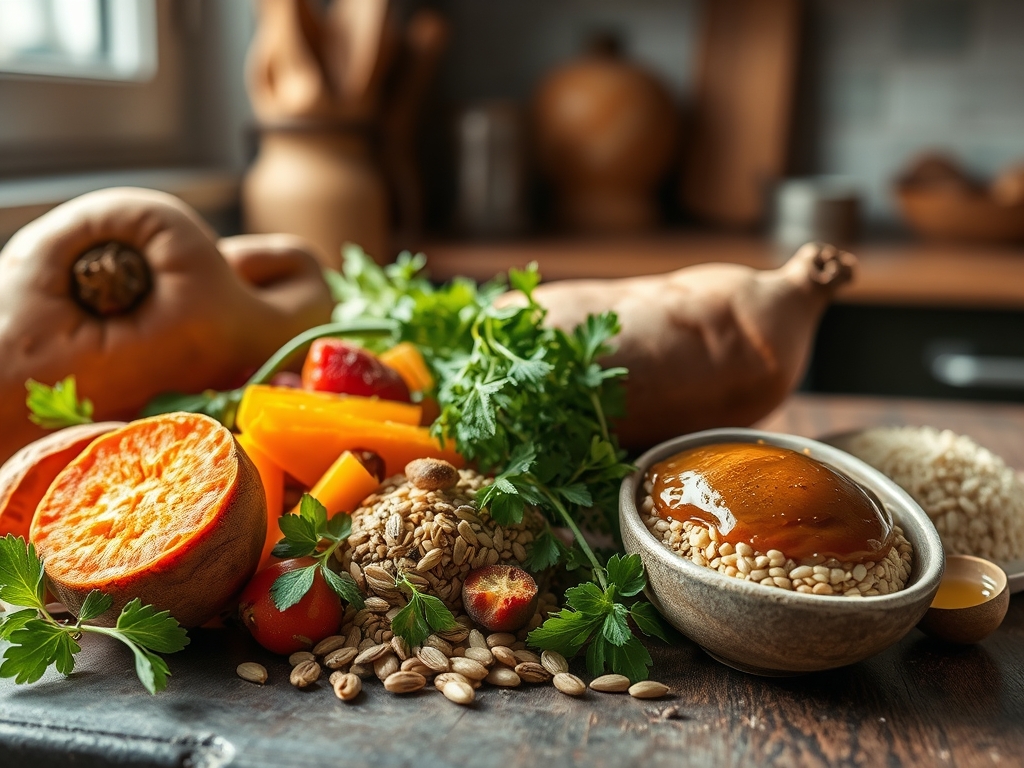
The Gathers:
To execute these blw sweet potato recipes with precision, your mise-en-place must be impeccable. Start with the star of the show: firm, unblemished Garnet or Jewel sweet potatoes. These varieties possess a high moisture content that prevents the final product from becoming overly fibrous or dry. You will also need a high quality fat to infuse flavor and aid in the absorption of fat soluble vitamins like Vitamin A. Reach for unsalted grass fed butter or cold pressed avocado oil.
For binders and aromatics, gather organic eggs, almond flour or finely ground oats, and a piquant touch of Ceylon cinnamon. Unlike Cassia cinnamon, Ceylon offers a subtle, sophisticated profile without the high coumarin levels. If you are looking for smart substitutions, you can swap the eggs for a "flax egg" (one tablespoon ground flaxseed meal mixed with three tablespoons water) to maintain the viscous quality needed for patties. If your baby has a nut allergy, sunflower seed flour provides the same protein density as almond flour. Use a microplane to zest a hint of orange peel into your batters; the citrus oils provide a bright olfactory contrast to the earthy tubers.
The Clock:
Efficiency in the kitchen is about understanding the "Chef's Flow." Total active preparation time for these recipes is approximately 20 minutes, while the thermal processing (roasting or steaming) takes between 30 and 45 minutes.
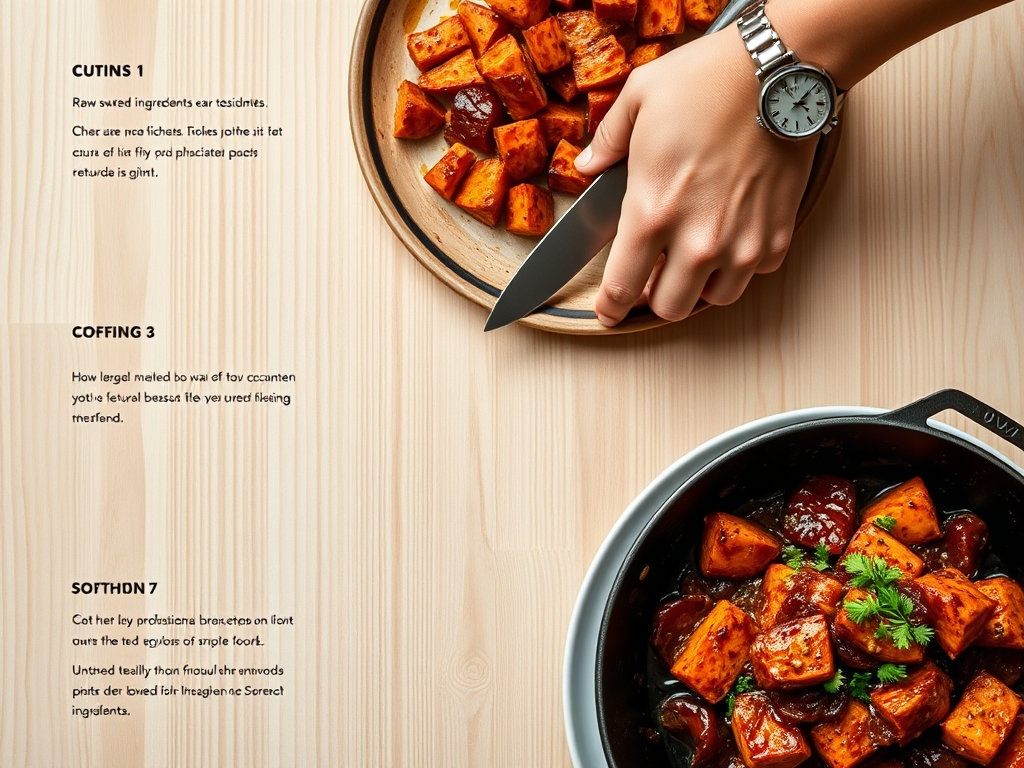
The flow begins with the "High Heat Phase." Preheat your oven to 400 degrees Fahrenheit immediately. While the oven reaches temperature, use a bench scraper to clear your workstation and a sharp chef's knife to create uniform surface areas. Consistency in size ensures that every piece reaches the "fork tender" stage simultaneously, preventing the dreaded "crunchy center" that poses a choking risk. By the time your oven chime sounds, your potatoes should be oiled and ready for the rack. While they roast, you can prep your secondary ingredients, ensuring that as soon as the potatoes emerge, you are ready to mash, shape, or slice.
The Masterclass:
1. The Foundation Roast
Scrub the skins and prick the potatoes with a fork to allow steam to escape. Place them directly on the oven rack with a parchment lined sheet pan underneath to catch any escaping sugars. Roast until the internal temperature reaches 205 degrees Fahrenheit.
Pro Tip: This method utilizes thermal carryover. Even after you remove the potatoes from the heat, the internal energy continues to break down complex starches into maltose, increasing the perceived sweetness without adding refined sugar.
2. The Precision Slice
Once cooled slightly, peel the skin and use a digital scale to ensure you are cutting "finger" shapes that are roughly the size of two adult fingers held together. This allows the baby to palm the food while the top portion remains accessible.
Pro Tip: Aim for a "crinkle cut" if you have the tool. The increased surface area creates more friction, making it easier for tiny, uncoordinated hands to grip the slippery vegetable.
3. The Savory Mash
Place roasted flesh into a saucier and add a splash of full fat coconut milk. Use a whisk to aerate the mixture until it is light and fluffy. This is perfect for "pre-loaded spoons."
Pro Tip: Avoid overworking the mash. Excessive agitation releases too much starch from the cell walls, which can turn your fluffy puree into a gluey, unappealing paste.
4. The Sweet Potato Pancake
Combine one cup of mashed potato with one whisked egg and two tablespoons of oat flour. Drop small dollops onto a heavy-bottomed skillet over medium heat.
Pro Tip: Wait for the "bubble break" on the surface before flipping. This indicates that the proteins in the egg have undergone coagulation, providing the structural strength needed for the pancake to hold its shape.
5. The Cinnamon Tuber Tot
Shape your savory mash into small cylinders and roll them in a light coating of almond flour and cinnamon. Bake at 375 degrees Fahrenheit for 10 minutes to set the exterior.
Pro Tip: The almond flour creates a barrier that prevents enzymatic browning from becoming bitter, instead offering a toasted, nutty aroma that complements the potato.
6. The Herb Infused Wedge
Toss raw wedges in olive oil and dried rosemary. Roast at a high heat until the edges are slightly browned but the centers remain soft.
Pro Tip: This browning is the Maillard reaction. It creates a complex flavor profile that encourages babies to accept savory, herbaceous notes early in their flavor journey.
7. The Sweet Potato and Spinach Bite
Finely mince steamed spinach and fold it into your potato base. Form into small discs and pan sear until golden.
Pro Tip: Squeezing the excess moisture out of the spinach is vital. If the greens are too wet, they will steam the patty from the inside out, causing it to fall apart when handled.
8. The Tropical Puree Finger
Mix mashed sweet potato with a hint of nutmeg and a teaspoon of hemp seeds for added texture. Spread this onto toasted strips of sourdough bread.
Pro Tip: The toast provides a "resistive texture." This encourages the baby to move the food to the side of their mouth, stimulating the "munching" reflex and supporting jaw development.
The Deep Dive:
From a nutritional standpoint, sweet potatoes are a powerhouse of Beta-Carotene, which the body converts to Vitamin A for immune support. They also offer a significant amount of potassium and fiber, which helps regulate digestion as your baby transitions to solids.
If you are following specific dietary protocols, these recipes are incredibly flexible. For a Vegan approach, use "flax eggs" and coconut oil. For a Keto-friendly version (for the adults sharing the meal), focus on the roasted wedges with high quality fats and skip the flour binders. For Gluten-Free needs, ensure your oat flour is certified GF or stick to almond and coconut flours.
The Fix-It:
- Too Mushy: If your roasted potatoes are collapsing, they have likely over-steamed in their own skin. Fix this by slicing them and giving them a quick "flash bake" at 425 degrees Fahrenheit for 5 minutes to dehydrate the exterior.
- Falling Apart: If your pancakes are crumbling, your binder ratio is off. Add an extra tablespoon of flour or a "slurry" of cornstarch and water to help the ingredients adhere.
- Bland Flavor: If the dish tastes flat, it needs acidity. A tiny squeeze of lemon juice or a drop of apple cider vinegar will "wake up" the flavors without needing salt.
Meal Prep Science: To maintain "day-one" quality, store your sweet potato creations in airtight glass containers. When reheating, avoid the microwave if possible, as it can make the starch "rubbery." Instead, use a toaster oven or a dry skillet to re-crisp the edges while maintaining a moist interior.
The Wrap-Up:
Mastering blw sweet potato recipes is about more than just nutrition; it is about building a foundation for a lifetime of adventurous eating. By playing with temperatures, textures, and aromatic infusions, you are teaching your baby that healthy food is vibrant and exciting. Don't be afraid to get messy and experiment with different spice profiles. Whether you are serving up a savory herb wedge or a fluffy cinnamon pancake, you are providing the building blocks for a healthy, happy eater. Grab your tongs, fire up that oven, and let the culinary journey begin!
The Kitchen Table:
How do I know if the sweet potato is soft enough?
The potato should yield to gentle pressure between your thumb and forefinger. It must be soft enough to mash against the roof of the mouth but firm enough to hold its shape when picked up by the baby.
Can I freeze these blw sweet potato recipes?
Yes, most of these recipes freeze beautifully. Flash freeze individual patties or wedges on a baking sheet before transferring them to a silicone bag. This prevents them from clumping together into a single frozen mass.
Is the skin safe for babies to eat?
While the skin is nutrient dense, it can be a choking hazard for beginners due to its "papery" texture. It is best to peel the potatoes for the first few months of weaning until chewing skills improve.
What is the best way to reheat leftovers?
Use a toaster oven or a skillet with a tiny bit of oil. This restores the exterior texture without making the potato "gummy," which often happens during the rapid, uneven heating of a microwave.