
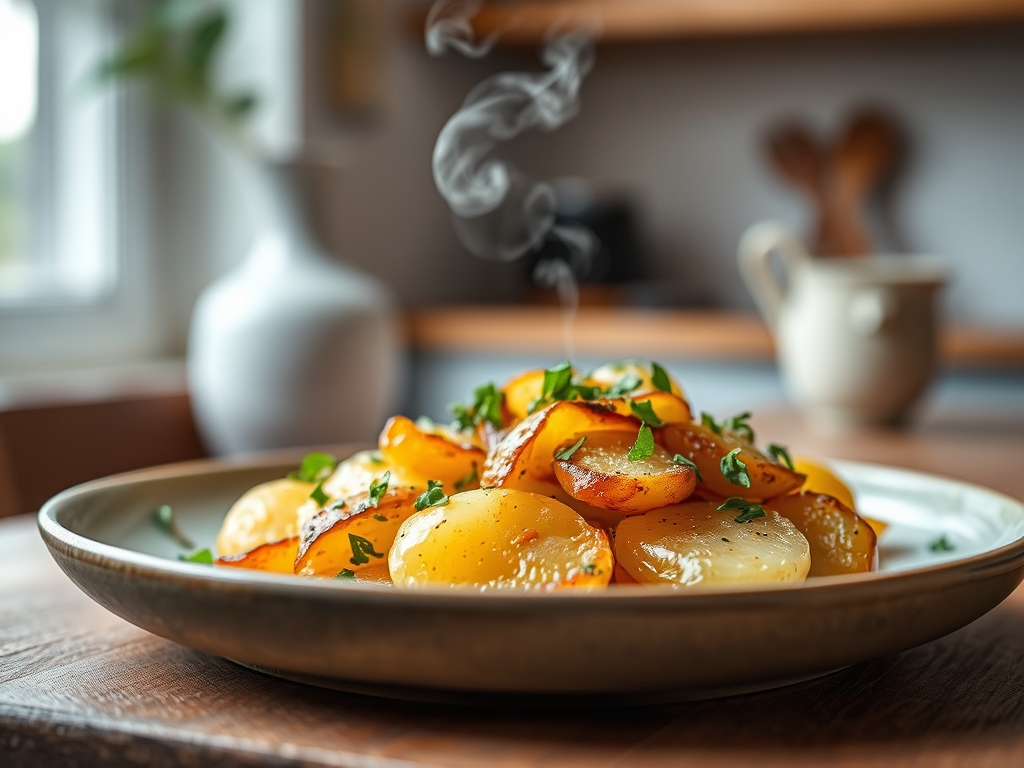
Picture the steam rising from a heavy bottomed skillet as the aroma of rendered fat and earthy starch fills your kitchen. We have all been there; staring at a bag of Russets on a Tuesday morning, craving something more soulful than toast. These easy potato recipes for breakfast are designed to transform humble tubers into gold using science and style.
The secret to a perfect morning is not just heat; it is the chemistry of the Maillard reaction. This is the magical process where amino acids and reducing sugars dance under high heat to create that signature brown crust. Whether you are craving a crispy hash or a silky mash, understanding how to manipulate starch is your culinary superpower. I am going to show you how to bypass the soggy pitfalls of amateur cooking and embrace the crisp, salty glory of professional grade breakfast potatoes. We are not just making food; we are engineering texture.
The Gathers:
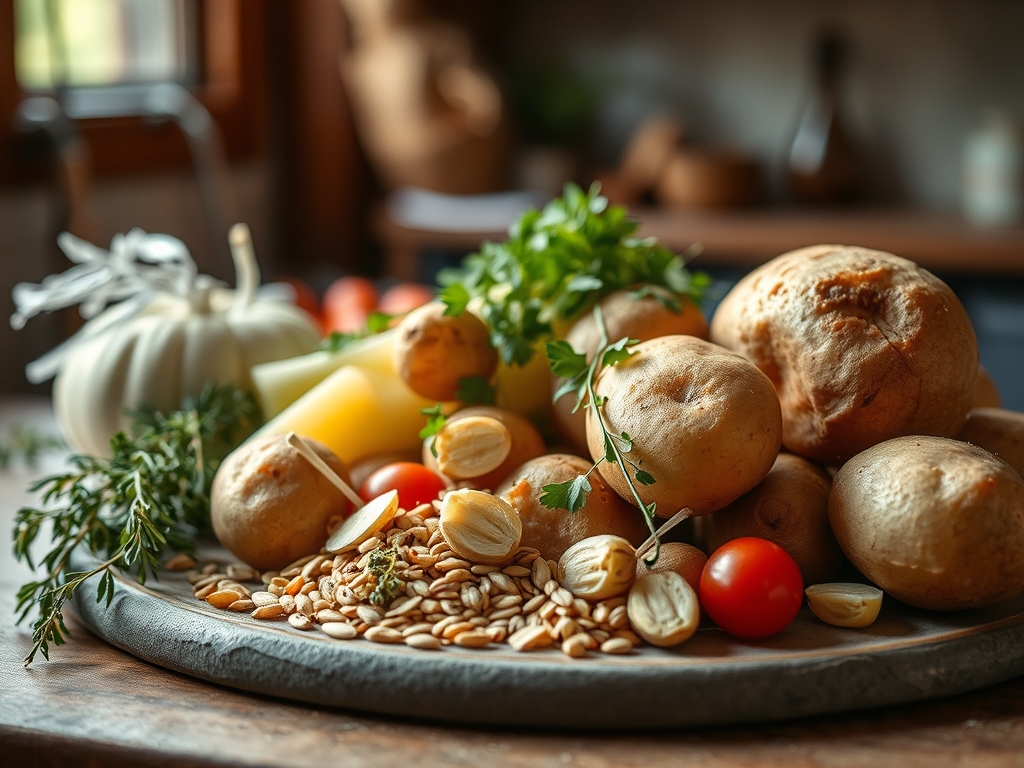
To master these easy potato recipes for breakfast, your mise en place must be precise. Start with high starch Russets for crunch or waxy Yukon Golds for a buttery, viscous mouthfeel. You will need a high smoke point fat like clarified butter or avocado oil to prevent acrid flavors during searing. Fresh aromatics like rosemary and garlic are essential; however, do not forget the piquant acidity of a finishing vinegar or a squeeze of lemon to cut through the richness.
Smart Substitutions: If you are avoiding nightshades, Japanese sweet potatoes offer a dense, creamy alternative that caramelizes beautifully. Out of fresh garlic? Use a microplane to grate frozen ginger for a bright, zingy twist. If you lack a heavy bottomed skillet, a preheated sheet pan in a convection oven can mimic the sear of cast iron by maximizing surface area contact.
The Clock:
Efficiency in the kitchen is about "Chef Flow." This means grouping tasks to minimize downtime. For most of these hacks, your active prep time is a mere 10 minutes, with cook times ranging from 12 to 20 minutes.
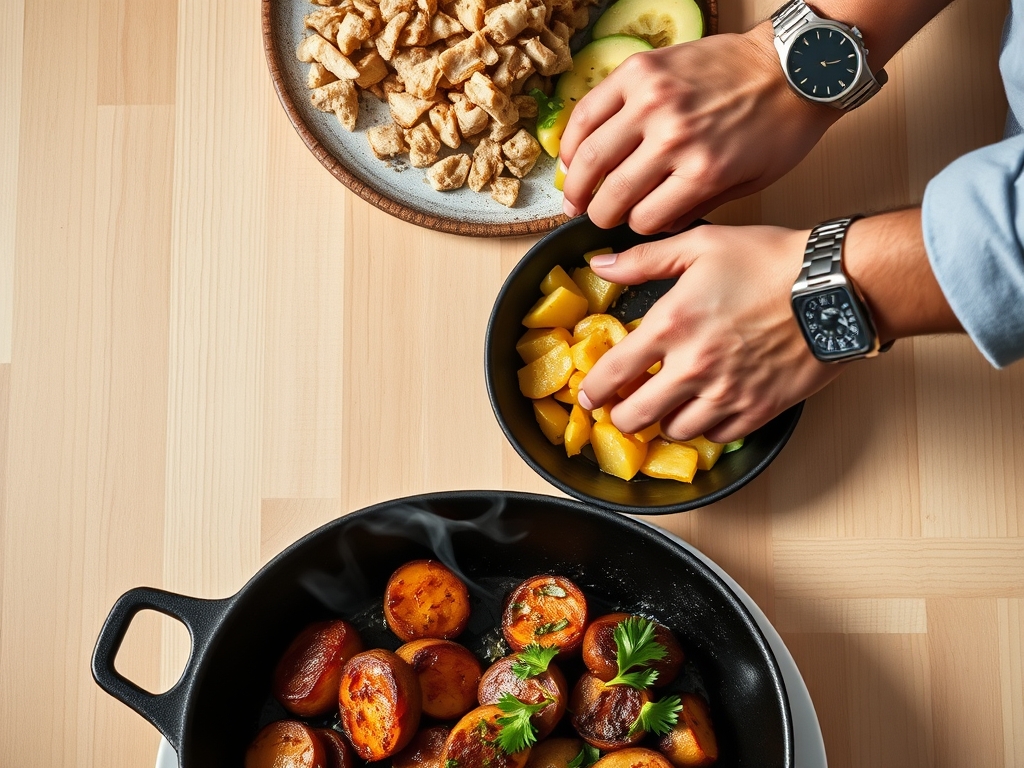
The strategy is simple: start your potato breakdown first. While the starch is parboiling or soaking, you can prep your proteins and aromatics. A digital scale is your best friend here to ensure even portioning, which leads to uniform cooking times. By the time your coffee is brewed, your potatoes should be hitting the pan. This synchronized rhythm ensures everything reaches the plate at the peak of thermal perfection.
The Masterclass:
1. The Fifteen Minute Grate and Shake
Use a box grater to shred your potatoes directly into a clean kitchen towel. Wring out every drop of moisture until the shreds are bone dry. Toss them into a hot saucier with shimmering oil.
Pro Tip: Removing moisture prevents steam pockets. If the potatoes are wet, the energy of the pan is wasted evaporating water rather than browning the surface. This ensures a shatteringly crisp exterior.
2. The Microwave Par-Cook Shortcut
Prick a whole potato and microwave it for three minutes before slicing. This gelatinizes the starches internally, so you only need to sear the outside for color.
Pro Tip: This method utilizes dielectric heating to cook from the inside out. It reduces the total pan time, preventing the aromatics from burning while waiting for the potato centers to soften.
3. The Sheet Pan Smash
Boil baby potatoes until tender, then use a heavy glass or a bench scraper to flatten them on a baking sheet. Drizzle with olive oil and roast at 425 degrees.
Pro Tip: Smashing increases the surface area to volume ratio. More surface area means more space for the Maillard reaction to occur, resulting in more "crunchy bits" per bite.
4. The Muffin Tin Hash Brown Cups
Press seasoned shreds into greased muffin tins and bake until the edges are golden. Crack an egg into the center for the last five minutes of cooking.
Pro Tip: The metal tin acts as a thermal conductor, surrounding the potato with even heat. This creates a structural "nest" that holds its shape through capillary action.
5. The Leftover Mash Pancake
Whisk an egg and a tablespoon of flour into last night's mashed potatoes. Drop dollops into a skillet and flatten into cakes.
Pro Tip: The egg acts as a protein binder. As it heats, the proteins denature and coagulate, locking the starch granules into a solid, flippable disc.
6. The Infused Hasselback Bite
Cut thin slits into fingerling potatoes, stopping just before you hit the bottom. Tuck slivers of garlic and cold butter into the gaps.
Pro Tip: This creates convection channels. The heat travels deep into the potato through the butter, infusing the flavor throughout the entire tuber rather than just the surface.
7. The Spicy Chorizo Potato Scramble
Render the fat from chorizo in a pan, then toss in par-cooked potato cubes to fry in the spicy oil.
Pro Tip: The potatoes act as a flavor sponge. Because starch granules are porous, they absorb the lipid soluble flavors and pigments from the chorizo through osmosis.
8. The Air Fryer Home Fries
Toss diced potatoes with smoked paprika and cornstarch before air frying at 400 degrees.
Pro Tip: Cornstarch creates a starchy slurry that dehydrates into a micro-thin, ultra-crisp shell. The high velocity air in the fryer accelerates evaporation for maximum crunch.
9. The Pesto Potato Toast
Slice large Russets into half-inch "planks" and toast them in a wide slot toaster or under the broiler. Top with basil pesto and a poached egg.
Pro Tip: Toasting triggers enzymatic browning. Using a toaster provides direct radiant heat that creates a sturdy base capable of holding heavy toppings without sagging.
10. The Deep Dish Potato Omelet
Layer thinly sliced potatoes in a circular pattern in a skillet, cook until tender, then pour whisked eggs over the top.
Pro Tip: This utilizes thermal carryover. The potatoes retain heat and continue to cook the eggs from the bottom up even after the pan is removed from the burner.
The Deep Dive:
Macro Nutrition: Potatoes are a nutritional powerhouse, offering more potassium than a banana and a significant hit of Vitamin C. One medium potato provides roughly 110 calories, making it a high volume, low density food that promotes satiety.
Dietary Swaps: For a Keto twist, swap potatoes for cauliflower florets or daikon radish; though the starch content is lower, the texture remains satisfying. To keep it Vegan, use nutritional yeast for a cheesy flavor and coconut oil for sautéing. All these recipes are naturally Gluten Free, provided you use a GF flour for the mash pancakes.
The Fix-It:
- Soggy Potatoes: You likely overcrowded the pan. Cook in batches to allow steam to escape.
- Burned Outside, Raw Inside: Your heat is too high. Lower the flame and use a lid for two minutes to trap steam and soften the core.
- Sticking to the Pan: You moved them too early. Wait for the proteins to sear; they will naturally release from the pan once a crust forms.
Meal Prep: To maintain "day one" quality, reheat potatoes in an air fryer or a dry skillet. Microwaving introduces moisture that ruins the crispness. If you must use a microwave, place a paper towel underneath to absorb excess humidity.
The Wrap-Up:
Mastering easy potato recipes for breakfast is about more than just following a list; it is about respecting the chemistry of the ingredients. From the crunch of a smashed fingerling to the pillowy center of a twice baked bite, these hacks prove that the humble potato is the undisputed queen of the morning. Grab your tongs, heat up that skillet, and go create a masterpiece. You have the science; now go find the flavor.
The Kitchen Table:
What is the best potato for crispy hash browns?
Russets are superior because their high starch and low moisture content allow for maximum crisping. Waxy potatoes like Red Bliss contain too much water, which leads to steaming rather than searing in the pan.
How do I stop potatoes from turning brown after cutting?
Submerge them in cold water immediately. This prevents enzymatic browning, a reaction where oxygen hits the phenols in the potato. Adding a splash of lemon juice or white vinegar further inhibits this oxidation process.
Can I freeze cooked breakfast potatoes?
Yes, but you must flash freeze them on a tray first. This prevents them from clumping together. Reheat directly from frozen in a hot oven or air fryer to restore the original crispy texture.
Why do my potatoes stick to the stainless steel pan?
The pan was likely not hot enough before adding the fat. Use the Leidenfrost effect test; drop a bead of water on the pan. If it dances, it is ready for oil and potatoes.