
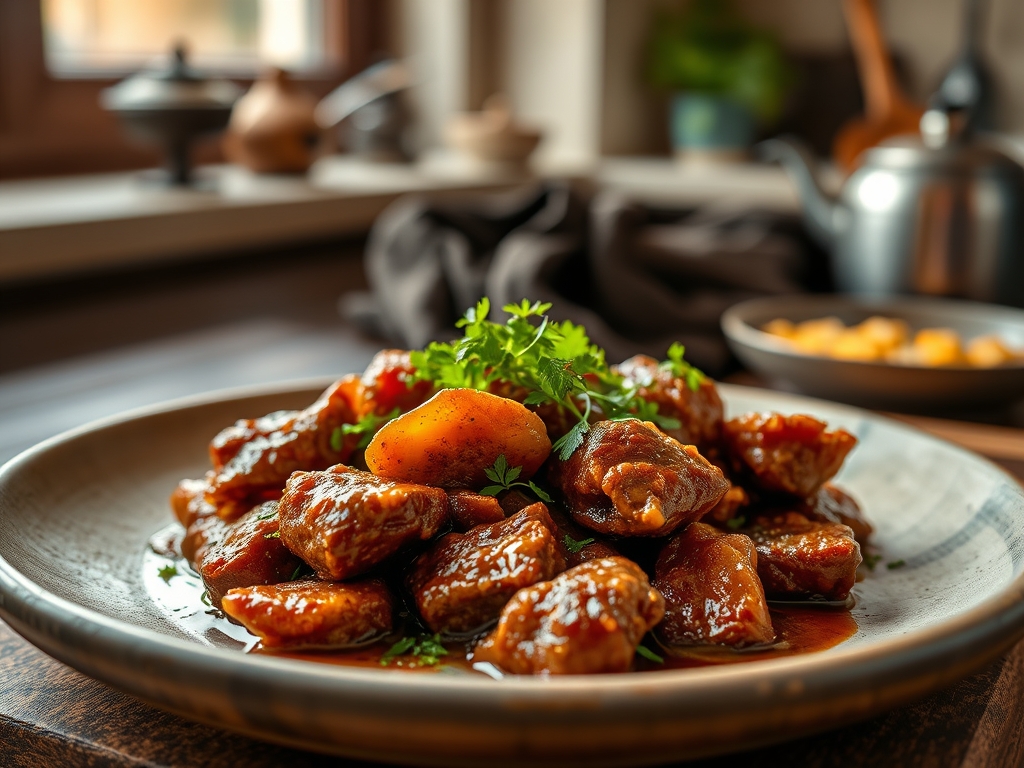
Imagine the scent of toasted cumin hitting hot oil; it is a sharp, earthy perfume that commands the room. When you dive into authentic pakistani beef recipes, you are not just cooking dinner; you are managing a complex series of chemical reactions that turn tough muscle fibers into velvet. From the slow, gelatinous breakdown of Nihari to the high-heat searing of a Peshawari Karahi, these dishes are a masterclass in patience and spice architecture. We are talking about deep, mahogany gravies and meat so tender it yields to a gentle nudge.
The secret to that signature Pakistani flavor profile is not just the spice blend; it is the technique of bhuna. This is the process of frying spices and aromatics in fat until the water evaporates and the oil separates. It creates a concentrated flavor base that defines the cuisine. Whether you are a seasoned pro or a curious newcomer, mastering these ten classics will transform your kitchen into a high-end lahore bistro. Let us get your heavy bottomed skillet ready; we have some serious science to discuss.
The Gathers:
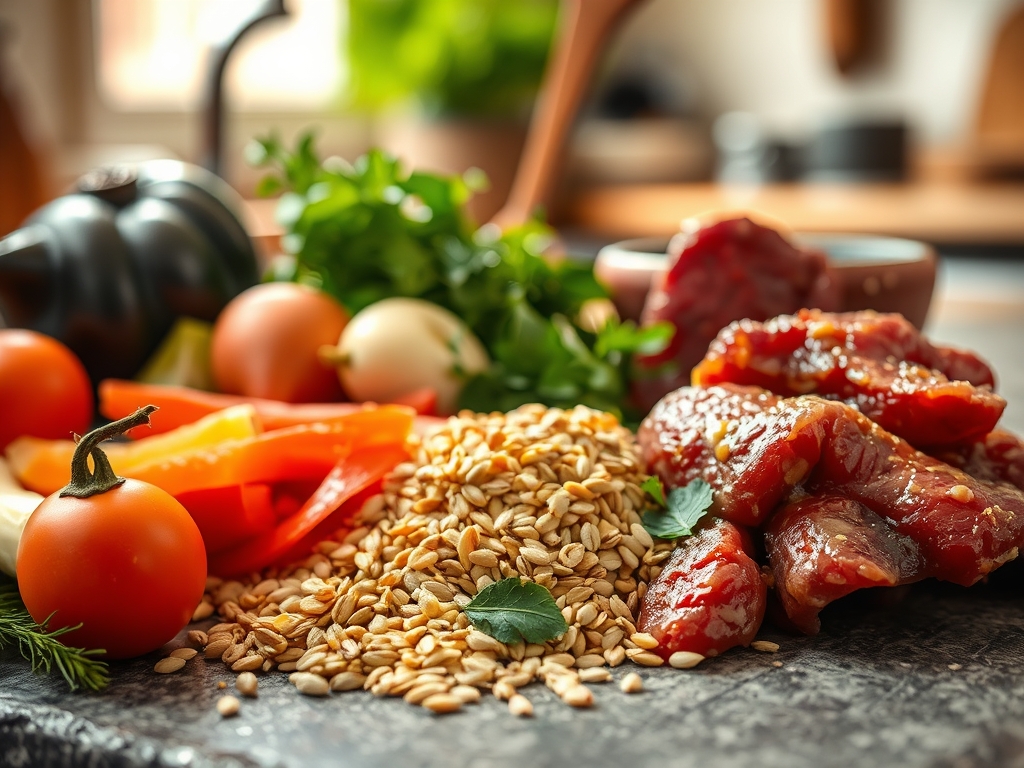
To execute these pakistani beef recipes with precision, your mise-en-place must be impeccable. You will need high-quality beef shank (macho) for stews and fatty brisket for kababs. The fat content is non-negotiable; you need a 20 percent fat-to-meat ratio to ensure a moist mouthfeel. Grab your digital scale to measure out 50 grams of fresh ginger and garlic. You will also need whole spices: black cardamom for its smoky phenols, green cardamom for floral top notes, and long pepper (pipli) for a slow-burn heat.
Smart Substitutions: If you cannot find authentic desi ghee, use clarified butter to achieve that high smoke point without burning the milk solids. If kachri powder (dried melon powder) is unavailable for tenderizing, use fresh papaya paste. The enzyme papain in the fruit breaks down collagen just as effectively. Always use a microplane for your aromatics to ensure they melt into the sauce rather than leaving fibrous chunks.
The Clock
Preparation for these dishes varies wildly based on the cut of meat. A quick stir-fry like Beef Jalfrezi takes 30 minutes, while a traditional Haleem requires a 6 to 8 hour investment. The Chef's Flow is simple: always start with your aromatics. While your onions are undergoing the Maillard reaction, use that time to toast and grind your whole spices in a dedicated spice mill. This ensures the volatile oils are at their peak potency when they hit the pan. If you are using a pressure cooker or an Instant Pot, you can reduce your active cooking time by 60 percent; however, the resting period is still vital for moisture redistribution.
The Masterclass
1. The Maillard Foundation
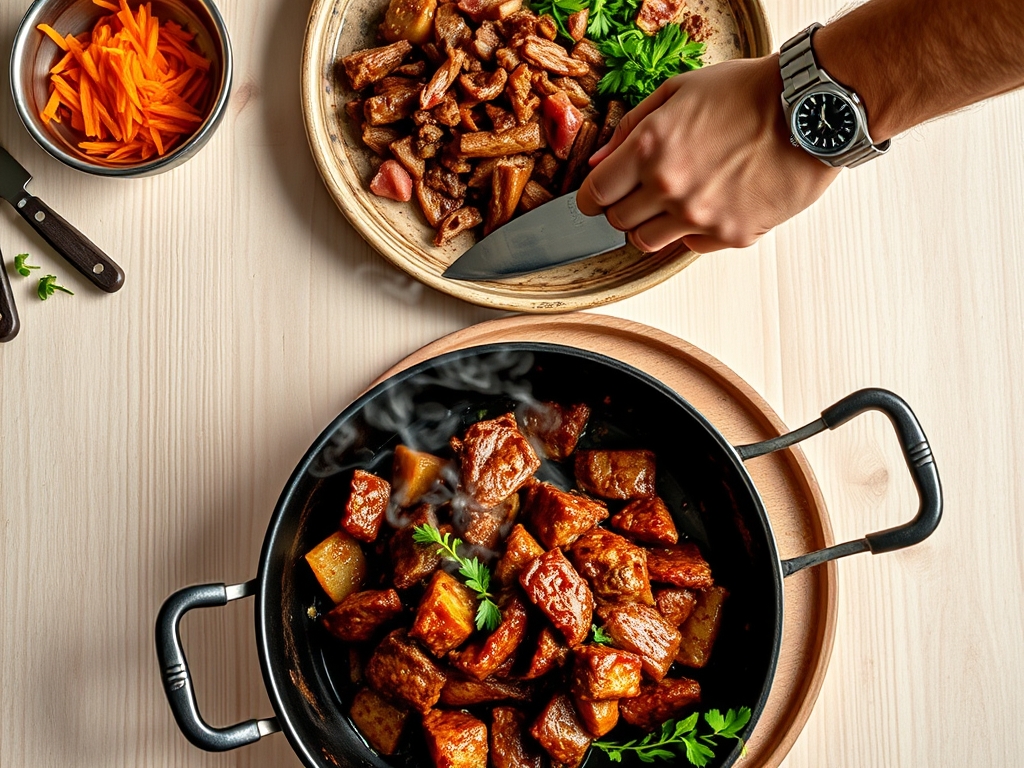
Start by browning your beef cubes in a heavy-bottomed skillet. Do not crowd the pan; if the temperature drops, the meat will steam in its own juices rather than sear. We want a deep brown crust.
Pro Tip: This is enzymatic browning. The amino acids and reducing sugars react under high heat to create hundreds of different flavor compounds that provide the savory "umami" backbone of the dish.
2. The Onion Aeration
Thinly slice your red onions using a mandoline for uniformity. Fry them in hot oil until they reach a golden-tan color. Remove half and drain them on paper towels to crisp up for a garnish.
Pro Tip: Slicing onions thinly increases the surface area, allowing for faster water evaporation and more even caramelization.
3. The Bhuna Technique
Add your ginger-garlic paste and ground spices to the remaining onions. Deglaze the pan with a splash of water to scrape up the fond (those tasty brown bits). Stir constantly until the oil separates from the spice paste.
Pro Tip: When the oil separates, it indicates that the water has evaporated, and the temperature of the paste is now rising above 212 degrees Fahrenheit, allowing the spices to bloom and lose their raw edge.
4. The Low and Slow Braise
Return the beef to the pot and add your liquid (water or bone broth). Lower the heat to a simmer and cover tightly. For Nihari, this is where the collagen transforms into gelatin.
Pro Tip: Maintaining a sub-boiling simmer prevents the muscle fibers from tightening and squeezing out all their moisture. This is the key to that "melt-in-your-mouth" texture.
5. The Emulsification Finish
For dishes like Korma, whisk in full-fat yogurt at the very end. Turn the heat to low to prevent the yogurt from curdling. Stir in a circular motion until the sauce becomes viscous and glossy.
Pro Tip: Yogurt acts as an emulsifier, binding the fat and water-based liquids into a smooth, creamy sauce. The lactic acid also provides a bright, piquant counterpoint to the heavy fats.
The Deep Dive
Macro Nutrition
Pakistani beef recipes are protein-dense powerhouses. A standard serving of Beef Nayari contains roughly 35 grams of protein and 22 grams of fat. While high in sodium due to the spice blends, these dishes are naturally low in carbohydrates, provided you skip the naan.
Dietary Swaps
- Vegan: Substitute beef with jackfruit or king oyster mushrooms. Use coconut oil instead of ghee and cashew cream instead of yogurt.
- Keto: These recipes are naturally keto-friendly. Serve with cauliflower rice instead of traditional basmati.
- Gluten-Free: Most recipes are safe, but ensure your hing (asafoetida) is not processed with wheat flour.
The Fix-It
- Problem: The sauce is too thin. Fix: Whisk a tablespoon of toasted gram flour (besan) with water and stir it in. It acts as a natural thickener without altering the flavor.
- Problem: The meat is tough. Fix: Add a pinch of baking soda or more papaya paste and simmer for another 20 minutes. The alkaline environment helps soften the proteins.
- Problem: The spice is overwhelming. Fix: Stir in a dollop of heavy cream or a squeeze of lime juice. The fats coat the tongue to dull the heat, while the acid provides balance.
Meal Prep
Beef stews actually taste better on day two. As the dish cools, the spices continue to infuse the meat through osmotic pressure. To reheat, use a saucier over low heat and add a tablespoon of water to loosen the fats. Avoid the microwave, as it can cause the meat to become rubbery through uneven heating.
The Wrap-Up
Mastering pakistani beef recipes is about more than just following a list of ingredients; it is about understanding the soul of the spice. By focusing on the science of the sear and the patience of the braise, you can create restaurant-quality meals that honor traditional flavors while utilizing modern culinary precision. Now, grab your tongs and get to work!
The Kitchen Table
Why is my beef always tough in stews?
You likely skipped the low-and-slow braising phase. Tougher cuts like shank require hours of simmering at low temperatures to convert connective tissue into tender gelatin. High heat causes muscle fibers to contract and become dry.
Can I use lean beef for Pakistani recipes?
It is not recommended. Traditional dishes rely on rendered fat for flavor and texture. If you must use lean meat, decrease the cooking time significantly and add extra healthy fats like avocado oil or ghee to compensate.
What is the best way to store leftovers?
Store beef dishes in airtight glass containers for up to four days. The flavors will deepen over time. For longer storage, freeze for up to three months; just ensure you leave space for liquid expansion.
How do I make the gravy extra glossy?
The secret is the final "tarka" or tempering. Fry a few sliced cloves of garlic and a pinch of Kashmiri chili powder in a tablespoon of ghee, then pour it over the dish just before serving.