
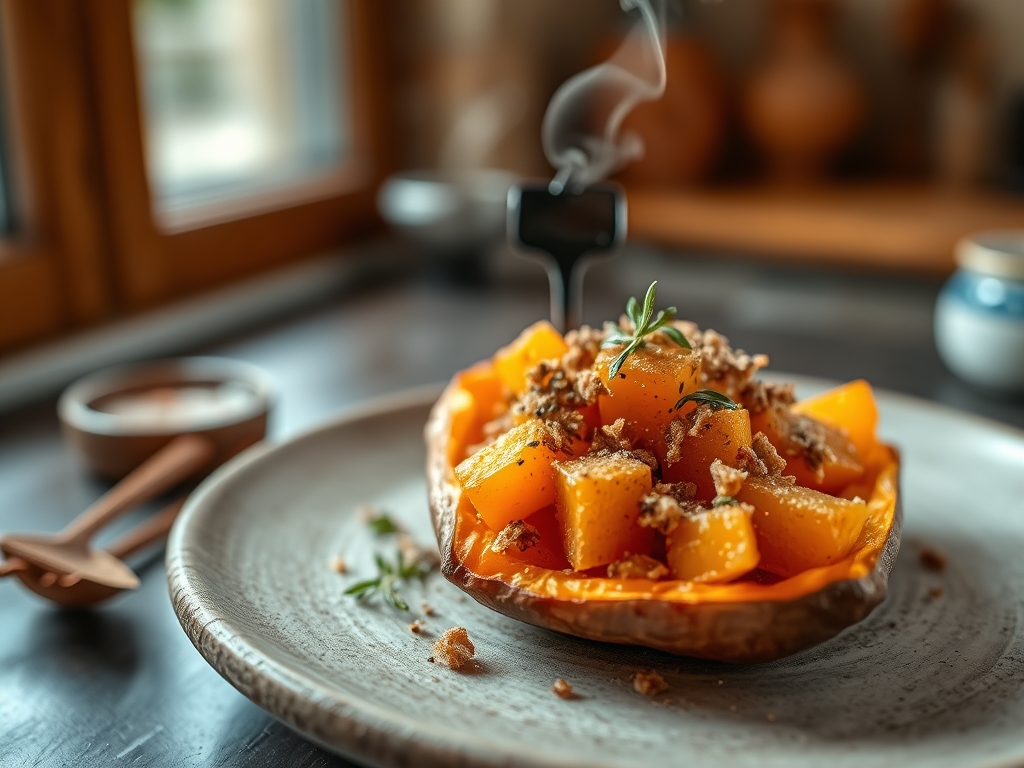
Imagine a kitchen filled with the scent of toasted molasses and roasting earthiness; it is the ultimate olfactory hug. When you crave comfort that feels both sophisticated and rustic, nothing competes with the best baked sweet potato recipes with brown sugar. This isn't just about throwing a tuber in the oven; it is about the chemistry of caramelization. We are looking for that specific moment when the natural maltose in the potato meets the sucrose of the sugar, creating a syrupy, bubbling glaze that clings to the skin.
You want a potato that is plush and velvety on the inside but possesses a structural, slightly charred exterior. We are going to manipulate heat and moisture to ensure every bite is a masterclass in texture. Forget the watery, bland potatoes of holiday dinners past. We are aiming for a high-density flavor profile that balances the deep, dark notes of brown sugar with a sharp hit of salt and fat. By the time we are done, you will understand exactly why certain sugars behave differently under high heat and how to coax the most vibrant orange hue out of your spuds.
The Gathers:
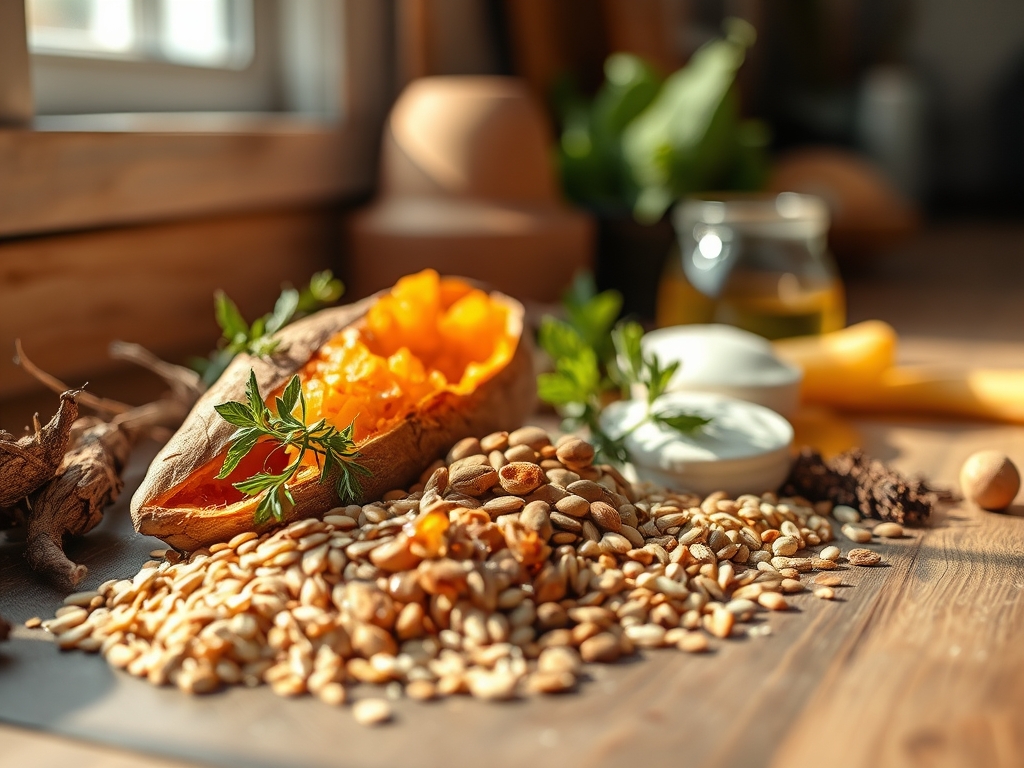
To achieve professional results, your mise-en-place must be precise. Start with four large Beauregard or Jewel sweet potatoes; these varieties have a high moisture content and a deep orange flesh that is rich in beta-carotene. You will need a digital scale to ensure your potatoes are roughly 300 grams each for even cooking. For the topping, gather dark brown sugar, which contains more molasses than the light version, providing a more viscous and complex syrup.
You will also need high-fat European-style butter, kosher salt, and a warming spice like Ceylon cinnamon. Use a microplane to grate fresh nutmeg directly over the butter; the volatile oils in fresh nutmeg provide a much more piquant aroma than the pre-ground dust. If you are looking for smart substitutions, you can swap the butter for refined coconut oil to maintain a high smoke point while keeping it vegan. For a lower glycemic index, try coconut sugar, though keep in mind it will not render into a syrup as easily as traditional brown sugar. Always have a bench scraper handy to clear your station as you work; cleanliness is the first step to culinary precision.
The Clock:
The "Chef's Flow" is all about managing your thermal environment. You cannot rush a sweet potato if you want the starches to fully convert to sugars. Total preparation time is approximately 10 minutes, while the active roasting time sits between 45 and 60 minutes depending on the density of the tuber.
Start by preheating your oven to 425 degrees Fahrenheit. This high initial heat is crucial for the Maillard reaction on the skin. While the oven stabilizes, you will prep the potatoes and the sugar compound. Once they are in, you have a 45-minute window to prepare any secondary components or simply pour a glass of wine. The final five minutes are dedicated to the "glaze phase," where we use the broiler to infuse the sugar into the top layer of the flesh.
1. The Scrub and Prep
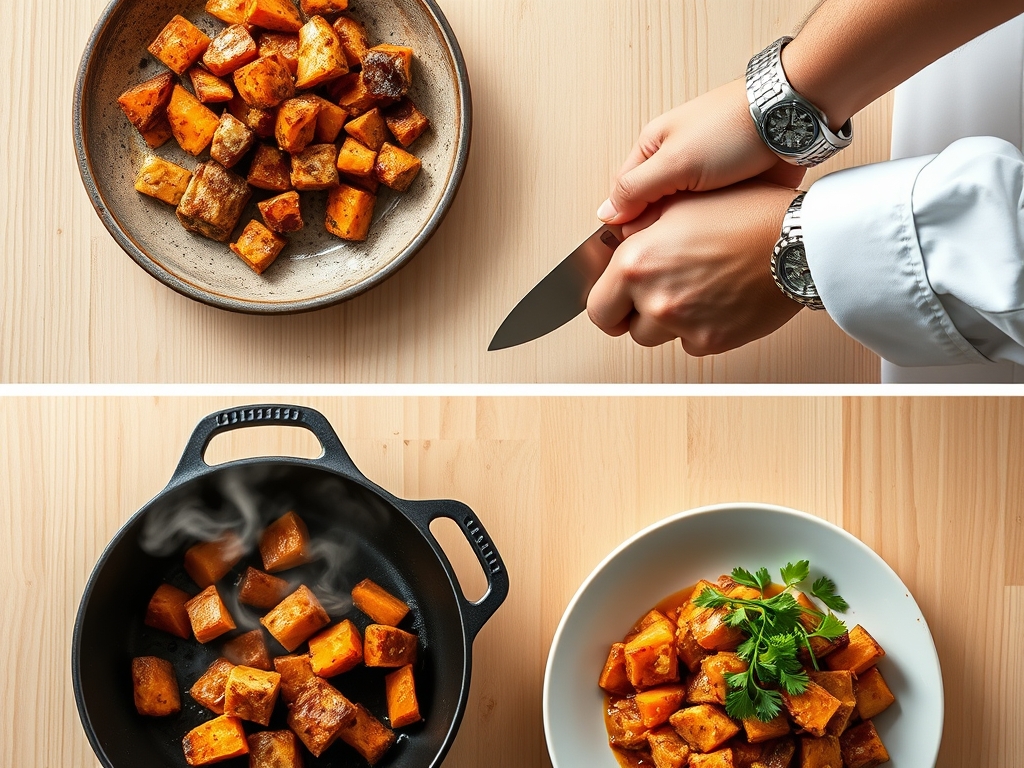
Use a stiff vegetable brush to remove any debris from the skin. Pat them bone-dry with a lint-free towel. Use a fork to pierce the skin about six times around the diameter to allow steam to escape.
Pro Tip: Piercing prevents the internal pressure from rupturing the skin cell walls. This ensures the potato remains intact so it can serve as its own vessel for the sugar and butter.
2. The Initial Roast
Place the potatoes directly on the oven rack with a foil-lined sheet pan on the rack below to catch any drips. This allows for 360-degree hot air circulation, which helps the skin dehydrate and crisp.
Pro Tip: This method utilizes convection heat to evenly cook the interior while the escaping steam creates a slight gap between the flesh and the skin, making it easier to open later.
3. The Suture and Stuff
Once a knife slides into the center with zero resistance, remove the potatoes using tongs. Use a sharp paring knife to make a long vertical slit. Use your fingers to pinch the ends toward the center, popping the potato open to reveal the steaming interior.
Pro Tip: This is the "fluffing" stage. Use a fork to gently aerate the flesh before adding toppings. Increasing the surface area allows the sugar to penetrate deeper into the potato.
4. The Compound Application
Place a generous pat of butter and a tablespoon of brown sugar into the center of each potato. Add a pinch of salt to provide a flavor contrast that cuts through the sweetness.
Pro Tip: Salt acts as a flavor enhancer by suppressing bitterness and highlighting the floral notes of the sweet potato. This is a chemical process known as cross-modal perception.
5. The Caramelization Finish
Return the stuffed potatoes to the oven under the broiler for 2 to 3 minutes. Watch closely as the sugar begins to foam and turn a deep amber color.
Pro Tip: This stage triggers caramelization, which occurs at 320 degrees Fahrenheit for sucrose. It creates new flavor compounds that are nutty and slightly bitter, balancing the sugar.
6. The Rest and Infuse
Remove the potatoes and let them sit for 5 minutes. This allows the molten sugar to slightly cool and thicken into a glaze.
Pro Tip: This utilizes thermal carryover. The internal temperature will continue to rise slightly, ensuring the butter is fully emulsified into the potato fibers.
7. The Final Garnish
Top with a final dusting of cinnamon or a few toasted pecans for texture. Serve immediately while the contrast between the hot potato and the cool air is at its peak.
Pro Tip: Adding a crunchy element provides a textural contrast to the soft mash. This sensory variety makes the dish more satisfying to the palate.
The Deep Dive:
From a nutritional standpoint, sweet potatoes are a powerhouse. They are loaded with Vitamin A and fiber, which helps mitigate the insulin spike from the added brown sugar. One medium potato provides about 100 calories of complex carbohydrates. For those on restricted diets, these baked sweet potato recipes with brown sugar are naturally gluten-free. To make it Keto-friendly, use a brown sugar substitute like erythritol and increase the butter to boost the fat macros.
If you encounter "The Soggy Skin" pitfall, it is likely because you wrapped the potato in foil; this steams the skin instead of roasting it. To fix this, always roast uncovered. If your sugar is grainy, it means it didn't reach a high enough temperature to melt; a quick hit with a kitchen torch can solve this instantly. For meal prep, store leftovers in an airtight container. To reheat, avoid the microwave; use an air fryer at 350 degrees for 5 minutes to restore the "day-one" crispness of the skin.
The Wrap-Up:
There you have it; the science of the perfect sweet potato. By understanding how heat interacts with starch and sugar, you have moved beyond a basic recipe into the realm of culinary artistry. These baked sweet potato recipes with brown sugar are more than just a side dish; they are a testament to how simple ingredients can be transformed through technique. Now, go grab your tongs and get roasting. Your kitchen is about to smell like absolute heaven!
The Kitchen Table:
How do I prevent my sweet potatoes from leaking in the oven?
Place a foil-lined baking sheet on the rack below the potatoes. This catches the escaping sugars that caramelize and drip, preventing them from burning on the floor of your oven and creating smoke.
Can I use white sugar instead of brown sugar?
You can, but you will lose the depth of flavor. Brown sugar contains molasses, which provides a viscous texture and a hint of acidity that balances the natural sweetness of the potato better than white sugar.
Why is my baked sweet potato stringy?
Stringiness is usually a result of the potato variety or age. Older potatoes lose moisture and their fibers become more pronounced. Always choose firm, smooth-skinned potatoes like Garnet or Jewel for the creamiest texture.
How do I make the skin extra crispy?
Rub the outside of the dry potato with a thin layer of avocado oil and a dusting of fine salt before roasting. The oil conducts heat efficiently, while the salt draws out surface moisture for maximum crunch.