
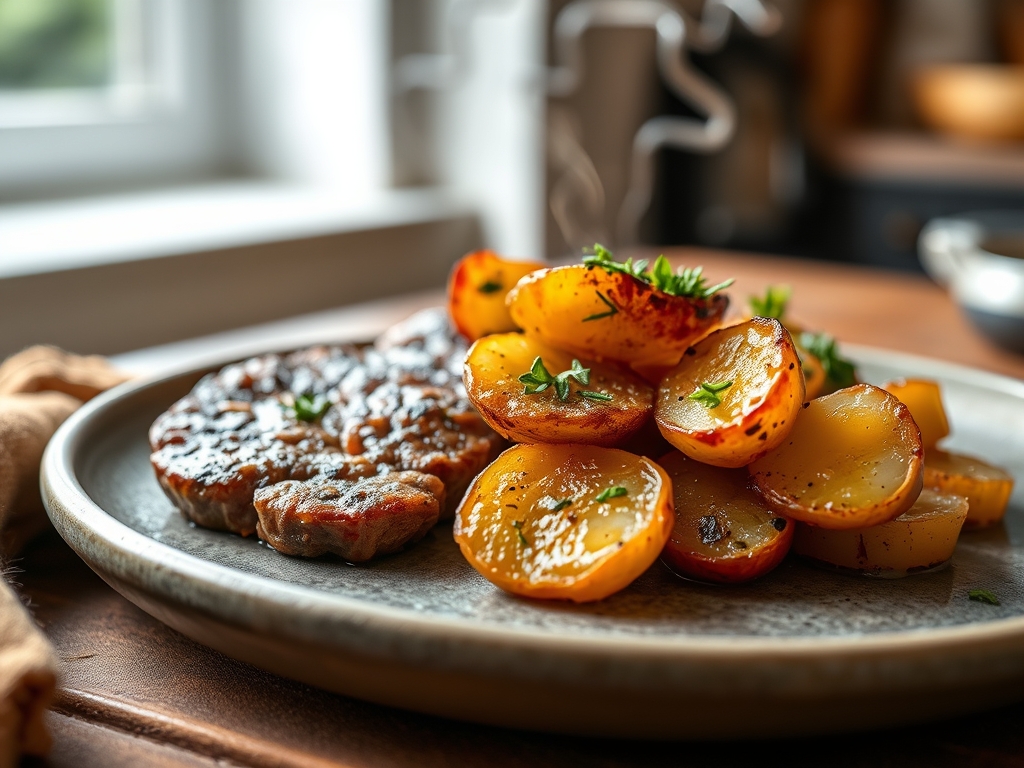
The sizzle of a ribeye hitting a cast iron pan is a siren song for the senses; however, that steak is a lonely protagonist without its starchy supporting cast. Finding the right potato recipes to go with steak is about balancing heavy proteins with textures that range from velvety purees to glass-shattering crisps.
Whether you are searing a lean filet or a fatty wagyu strip, the potato acts as a structural canvas. It absorbs the rendered tallow and provides a neutral, earthy counterpoint to the intense umami of the meat. We are moving beyond the basic baked potato into a world of molecular precision. We want starch granules that have been hydrated, gelatinized, and then blasted with dry heat to create the ultimate culinary friction.
Think of this as your roadmap to the perfect plate. We are going to explore ten distinct methods; ranging from the classic French fondant to a modern smashed potato; that ensure your side dish is never an afterthought. Grab your apron and your favorite chef's knife. We are about to turn humble tubers into high art through the power of heat, fat, and a little bit of chemistry.
The Gathers:
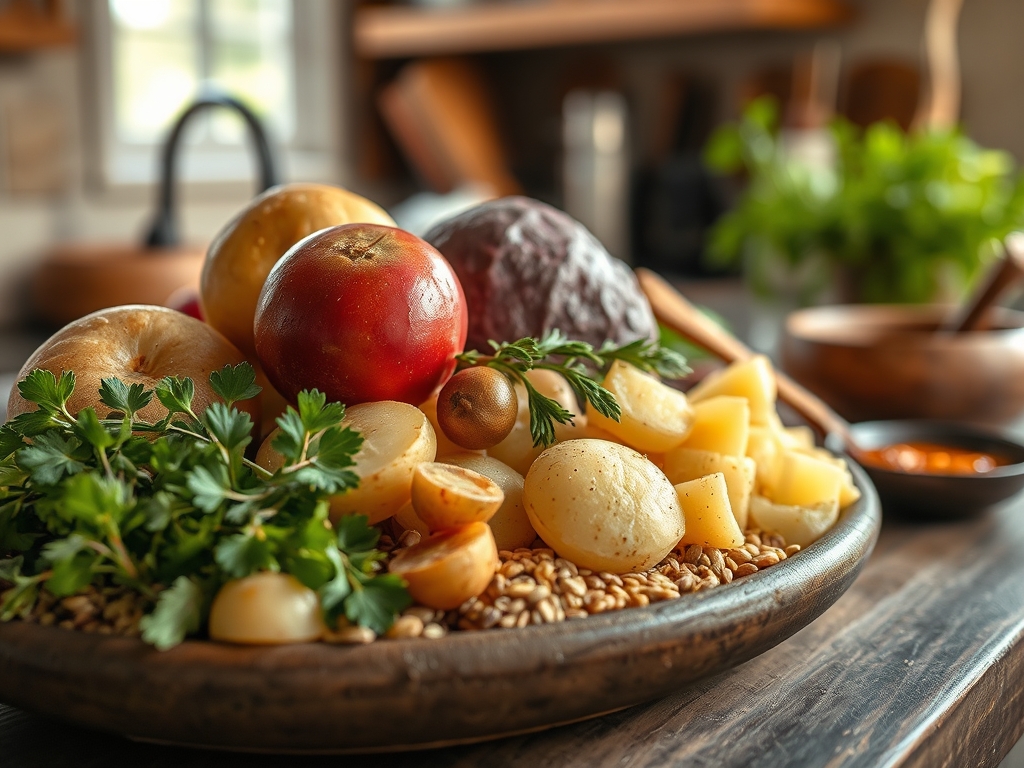
To achieve professional results, your mise-en-place must be impeccable. You will need high-starch Russets for fluffiness and waxy Yukon Golds for creaminess. Our flavor profile relies on high-quality fats; specifically European-style butter with a higher butterfat content and cold-pressed olive oil. Fresh aromatics are non-negotiable. Gather sprigs of woody rosemary, pungent thyme, and several heads of garlic.
Your tool kit should include a bench scraper for moving diced tubers, a microplane for zesting citrus or grating hard cheeses, and a digital scale to ensure your salt ratios are precise. For the liquids, keep heavy cream and a high-quality chicken bone broth on standby to infuse your mashes with deep, savory notes.
Smart Substitutions:
If you are out of heavy cream, a dollop of full-fat Greek yogurt adds a piquant tang and similar viscous mouthfeel. No duck fat for roasting? Use beef tallow rendered directly from your steak trimmings to create a cohesive flavor bridge across the entire plate. If you need a lower-carb profile, substitute half the potatoes with celery root; it shares a similar density but offers a bright, herbal finish.
The Clock
Efficiency in the kitchen is about mastering the Chef's Flow. This means synchronizing your potato prep with the resting time of your steak. Most of these potato recipes to go with steak require a two-stage cooking process: a par-boil to gelatinize the starch followed by a high-heat roast or sear.
Expect a total active prep time of 20 minutes, with a passive cooking window of 45 to 60 minutes. The "Flow" dictates that you start your potatoes first. While they are in the oven or simmering on the stove, you have the perfect 15-minute window to temper your steak to room temperature, sear it, and let it rest. By the time the meat fibers have relaxed and reabsorbed their juices, your potatoes will be hitting their peak golden-brown state.
The Masterclass
1. The Ultra-Crispy Smashed Potato
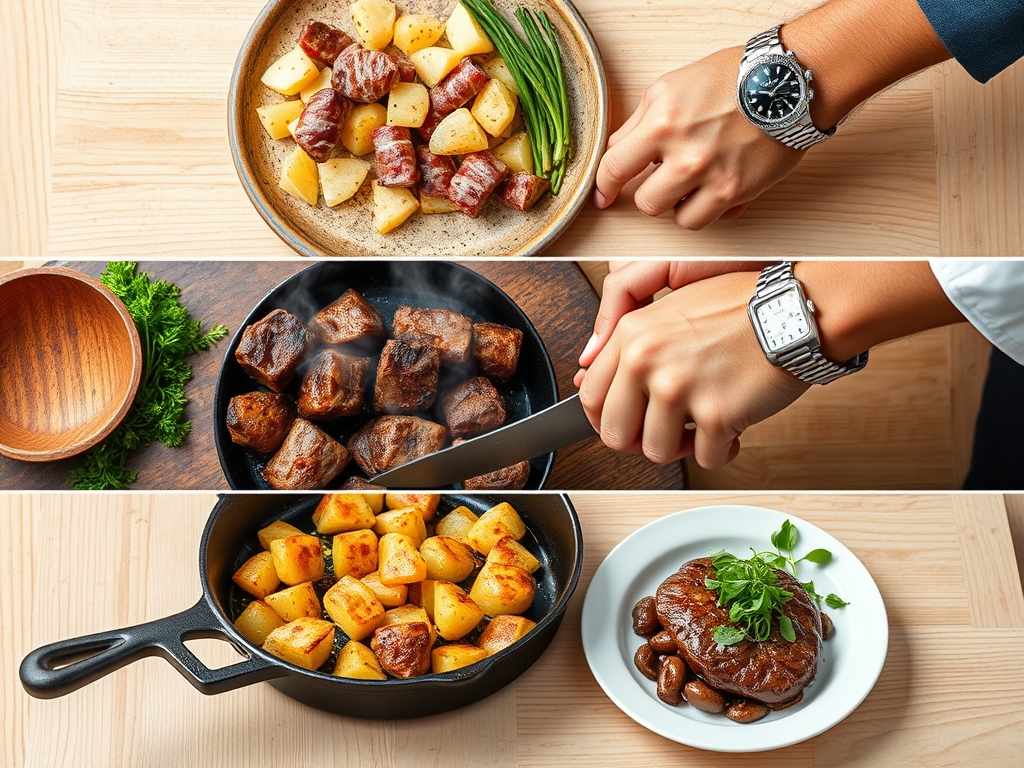
Boil small Yukon Golds in heavily salted water until tender. Drain and let the steam escape; this reduces surface moisture. Place them on a sheet pan and use a heavy-bottomed glass to flatten them. Drizzle with olive oil and roast at 425 degrees Fahrenheit.
Pro Tip: This relies on surface area maximization. By smashing the potato, you increase the contact points with the hot pan, accelerating the Maillard reaction for a crunchier exterior.
2. The Garlic Confit Mash
Peel and cube Russets, then boil until they fall apart at the touch of a fork. While they boil, simmer garlic cloves in olive oil until they are soft as butter. Pass the potatoes through a ricer for a silkier texture.
Pro Tip: Using a ricer prevents the over-working of starch. If you use a hand mixer, you risk shearing the starch molecules, which turns your mash into a gluey, viscous paste.
3. Classic French Fondant Potatoes
Cut potatoes into uniform cylinders using a circular mold. Sear the ends in a heavy-bottomed skillet until dark brown. Add butter, thyme, and beef stock halfway up the sides, then transfer the skillet to the oven.
Pro Tip: This is a dual-phase cooking method. The sear provides flavor via browning, while the oven braise allows the potato to infuse with the stock, creating a creamy, melt-in-your-mouth interior.
4. Duck Fat Roasted Wedges
Slice Russets into thick wedges and soak them in cold water for 30 minutes to remove excess surface starch. Pat them bone-dry, toss in melted duck fat, and roast on a preheated tray.
Pro Tip: Preheating the tray creates an immediate thermal shock. This creates an instant crust that prevents the potato from sticking and ensures a uniform golden hue.
5. The Hasselback Precision
Slice thin slits into a potato, stopping just before you cut all the way through. Brush with clarified butter and bake. Halfway through, use a brush to ensure butter gets into every crevice.
Pro Tip: The slits increase the evaporation rate of the internal water. As the water leaves, the butter enters, effectively deep-frying the potato from the inside out.
6. Truffle Infused Shoestring Fries
Use a mandoline to create matchstick-sized strips. Soak in ice water, dry thoroughly, and double-fry. Start at 325 degrees Fahrenheit to cook the inside, then finish at 375 degrees for the color. Toss with truffle salt and parsley.
Pro Tip: The double-fry method is essential for moisture migration. The first fry cooks the starch; the second fry drives out remaining moisture to ensure the fries stay crisp longer.
7. Horseradish Potato Gratin
Layer thinly sliced potatoes with a mixture of heavy cream, salt, and freshly grated horseradish. Top with Gruyere and bake until the top is a bubbly, golden brown.
Pro Tip: The enzymes in the horseradish provide a chemical "bite" that cuts through the fat of a marbled ribeye, acting as a palate cleanser between bites.
8. Lemon and Oregano Greek Potatoes
Roast potato wedges in a bath of lemon juice, chicken stock, and plenty of dried oregano. Cook until the liquid has evaporated and the potatoes begin to sizzle in their own remaining fat.
Pro Tip: The acid in the lemon juice slows down the breakdown of pectin. This allows the potatoes to cook for a long time without losing their structural integrity.
9. Brown Butter and Sage Puree
Cook potatoes as you would for a mash, but finish them with butter that has been heated until the milk solids turn toasted brown. Fold in fried sage leaves.
Pro Tip: Brown butter adds a nutty complexity. This is the result of the Maillard reaction occurring within the butter itself, which complements the charred crust of a grilled steak.
10. The Loaded Salt-Crust Baked Potato
Rub the skin with oil and roll in coarse sea salt. Bake directly on the oven rack. Once done, slice open and aerate the inside with a fork before adding toppings.
Pro Tip: The salt crust acts as an insulator. It traps steam inside the skin, which pressure-cooks the interior to a fluffier consistency than a standard naked potato.
The Deep Dive
From a nutritional standpoint, potatoes are a powerhouse of potassium and Vitamin C, though their glycemic index varies depending on the preparation. For those following a Keto lifestyle, swap the potato for roasted radishes or cauliflower florets; they mimic the texture when tossed in the same aromatics. Vegan diners can achieve the same creamy results by using emulsified cashew cream or high-quality vegan butter.
The Fix-It:
- Gummy Mash: You over-mixed it. Fix it by turning it into a gratin; spread it in a dish, top with breadcrumbs and cheese, and bake until a crust forms.
- Soggy Roasted Potatoes: There was too much moisture. Next time, ensure they are bone-dry before hitting the oil. To fix now, turn the oven to "Broil" for three minutes, watching closely.
- Undercooked Center: The heat was too high. Cover the pan with foil to trap steam and finish cooking the interior without burning the outside.
Meal Prep Science:
To reheat potatoes without that "leftover" taste, avoid the microwave. The microwave causes water molecules to vibrate, which turns crisp skin into leather. Instead, use an air fryer or a hot oven. This re-activates the fats and re-crisps the exterior through conduction, giving you "day-one" quality.
The Wrap-Up
Mastering potato recipes to go with steak is the ultimate flex for any home cook. It is where science meets soul; where the crispness of a roasted edge meets the tender heart of a perfectly cooked tuber. By understanding how starch, fat, and heat interact, you move away from following recipes and start cooking with intuition. Your steak deserves a partner that is just as sophisticated as the sear you put on the meat. Now, go forth, grab your tongs, and create a plate that would make a Michelin chef nod in approval.
The Kitchen Table
Which potato is best for roasting?
Yukon Golds are the gold standard. Their medium starch content allows them to develop a creamy interior while the exterior crispness holds up against the high heat of a heavy-bottomed skillet or roasting pan.
How do I stop my potatoes from sticking?
Ensure your pan is preheated before adding the fat and the potatoes. This creates an immediate sear. Also, avoid overcrowding the pan; steam needs room to escape or the potatoes will simply boil in their own moisture.
Can I prep potatoes in advance?
Yes. Peel and cut them, then store them in a bowl of cold water in the fridge for up to 24 hours. This prevents enzymatic browning and actually removes excess starch for a crispier finish later.
Why are my mashed potatoes gluey?
You likely used a food processor or over-mashed them. This breaks the starch granules and releases amylose, creating a sticky texture. Always use a ricer or a hand masher for the best results.
Is it necessary to peel potatoes for steak sides?
It depends on the texture you want. For a rustic mash or wedges, leave the skin on for extra fiber and flavor. For a formal gratin or fondant, peeling is essential for a refined, uniform appearance.