
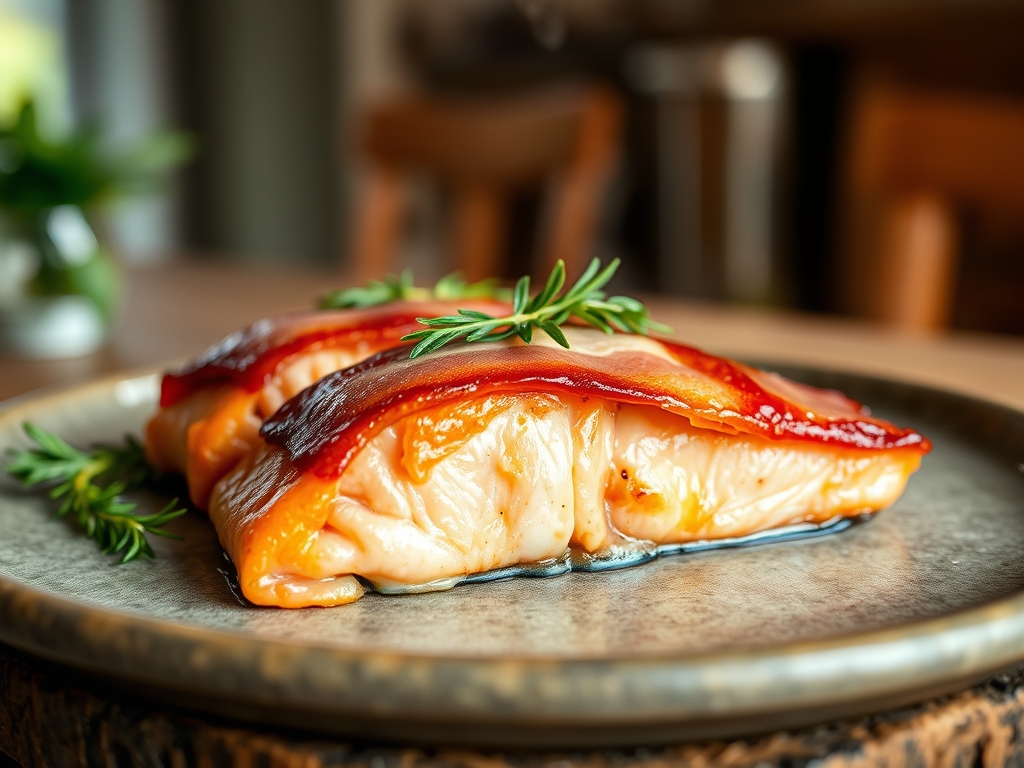
Picture the scene. A heavy-bottomed skillet sits on the range; the air is thick with the scent of hickory smoke and the piquant brightness of fresh lemon. You are about to master the ultimate paradox of texture: the shatteringly crisp exterior of cured pork meeting the buttery, melt-in-your-mouth flakes of a perfect fillet. Learning the best bacon wrapped salmon recipes is not just about dinner; it is about mastering the delicate balance of animal fats and omega-3 oils. We are aiming for that glorious Maillard reaction on the outside while keeping the interior translucent and tender. It is a high-wire act of thermal control, but with a little kitchen chemistry, you will be the absolute hero of the dinner table.
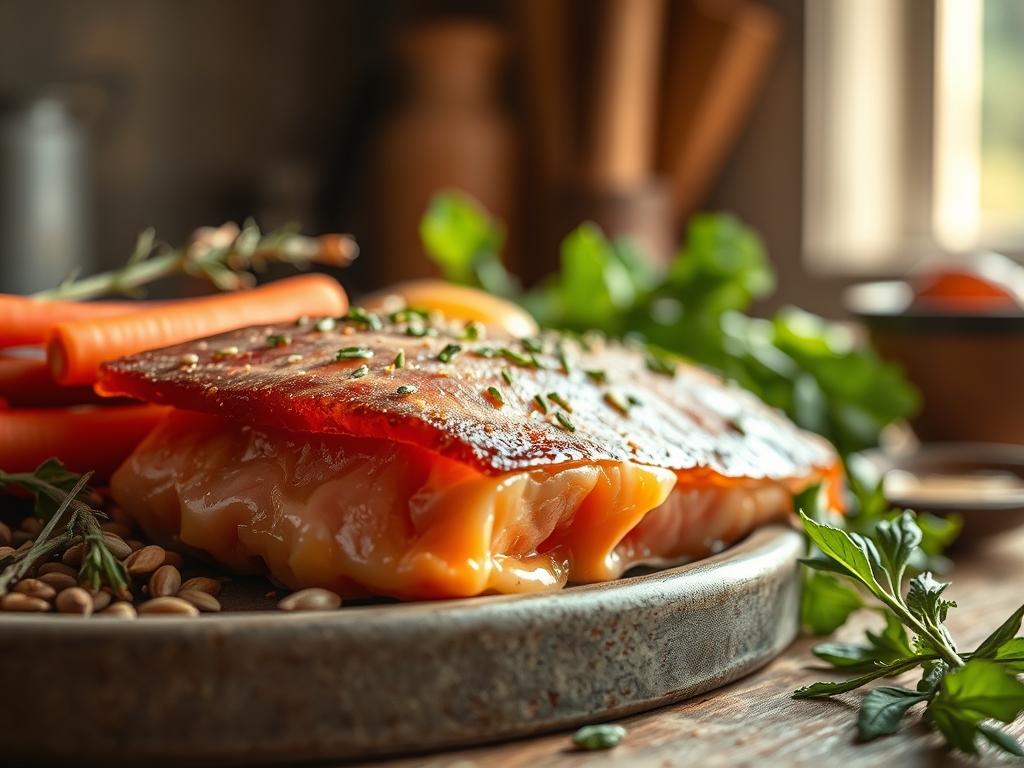
The Gathers:
Before we ignite the flame, your mise-en-place must be clinical. Start with center-cut Atlantic or King salmon fillets. You want uniform thickness so the heat distribution remains consistent across the protein. For the bacon, avoid thick-cut varieties; they take too long to render, which results in overcooked fish. A standard thin-cut slice allows the fat to liquefy and crisp at the exact moment the salmon reaches its ideal internal temperature.
You will need a microplane to zest your citrus, ensuring you only capture the aromatic oils in the flavedo without the bitter white pith. Grab your digital scale to ensure each fillet is roughly six ounces; this precision ensures your cooking times are identical across the board. For the seasoning, use smoked paprika to bridge the flavor gap between the fish and the pork, along with a high-quality kosher salt to draw out just enough moisture from the surface to facilitate browning.
Smart Substitutions: If you are avoiding pork, high-quality turkey bacon works, though you must brush it with a viscous honey-glaze to help it crisp. For a plant-based twist on the "wrap" concept, thinly shaved ribbons of zucchini or eggplant can be marinated in liquid smoke and maple syrup to mimic the umami profile of the original.
The Clock
Efficiency in the kitchen is what we call the Chef's Flow. Your total active prep time is exactly fifteen minutes, followed by a twelve-to-fifteen-minute cook time. The secret to success is the "Tempering Phase." Never take your salmon straight from the refrigerator to the pan. Let the fillets sit at room temperature for ten minutes. This prevents the muscle fibers from seizing up when they hit the heat, ensuring a silky texture. While the fish tempers, you can infuse your garnish oils or prep a side of wilted greens in a saucier.
The Masterclass
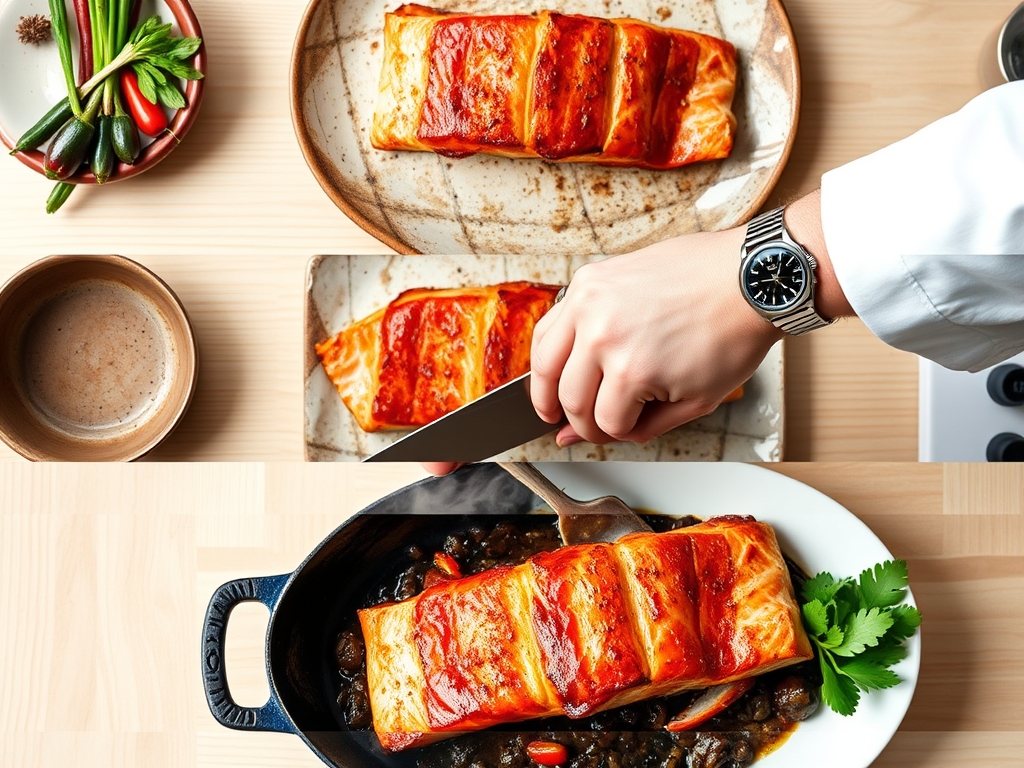
1. The Surface Prep
Pat the salmon bone-dry with paper towels. Moisture is the enemy of the Maillard reaction. Use a sharp knife to check for any stray pin bones.
Pro Tip: This is about evaporative cooling. If the surface is wet, the energy of the pan goes into boiling the water rather than searing the protein, leaving you with gray, soggy fish.
2. The Seasoning Bridge
Dust the fillets with a blend of garlic powder, cracked black pepper, and paprika. Avoid putting salt directly on the salmon until the very last second.
Pro Tip: Salt is hygroscopic, meaning it pulls moisture to the surface. By salting right before the wrap, you ensure the bacon adheres to a tacky, rather than slippery, surface.
3. The Precision Wrap
Lay two slices of bacon vertically. Place the salmon at the base and roll tightly. Ensure the "seam" of the bacon is on the bottom of the fillet.
Pro Tip: This utilizes mechanical tension. As the bacon cooks, it shrinks, tightening its grip on the fish and creating a self-basting environment where the pork fat penetrates the salmon flesh.
4. The Searing Phase
Place the fillets seam-side down in a cold heavy-bottomed skillet, then turn the heat to medium-high. Do not add oil; the bacon provides its own lubricant.
Pro Tip: Starting in a cold pan allows for fat rendering to begin before the proteins seize. This results in a much crispier exterior without burning the delicate fish.
5. The Flip and Baste
Once the bottom is golden, use tongs to gently rotate the fillets. Use a spoon to pour the hot, rendered fat over any exposed salmon edges.
Pro Tip: This is convection cooking within the pan. The hot fat carries heat into the crevices of the wrap, ensuring the bacon is cooked through even where it overlaps.
6. The Rest
Remove the salmon when a digital thermometer reads 125 degrees Fahrenheit. Place them on a wire rack for three minutes.
Pro Tip: Thermal carryover will raise the internal temperature to a perfect 135 degrees. Resting on a rack prevents the bottom from steaming, which preserves that hard-earned crunch.
The Deep Dive
From a nutritional standpoint, this dish is a powerhouse of healthy fats and high-quality protein. A standard serving contains roughly 35g of protein and 22g of fat. While it is naturally low-carb and keto-friendly, you can make it even leaner by using a "half-wrap" technique, covering only the top of the fillet to reduce total saturated fat.
The Fix-It: Common Pitfalls
- The Bacon is Flabby: This happens if the pan is too crowded. Use a large skillet to allow steam to escape; otherwise, you are essentially boiling the bacon in its own juices.
- The Fish is Dry: You likely skipped the "resting" phase or pulled it off the heat too late. Remember, salmon continues to cook after it leaves the pan.
- The Wrap Unravels: Use a toothpick to secure the ends if your bacon is particularly springy. Just remember to remove it before serving!
Meal Prep and Reheating:
To maintain "day-one" quality, never use a microwave. The electromagnetic waves agitate water molecules, turning your crispy bacon into rubber. Instead, use an air fryer at 350 degrees for four minutes. This re-activates the fats and restores the crispness of the pork while gently warming the center of the fish.
The Wrap-Up
Mastering bacon wrapped salmon recipes is a rite of passage for any home cook looking to elevate their weeknight rotation. It combines the technical rigor of temperature control with the pure, unadulterated joy of salty, smoky flavors. By focusing on the science of rendering and the precision of the sear, you transform a simple piece of seafood into a restaurant-quality masterpiece. Grab your skillet, trust your thermometer, and get ready for the best bite of your week.
The Kitchen Table
How do I keep the bacon from falling off?
Always start the salmon seam-side down in the pan. The heat causes the bacon proteins to contract and "weld" together. If the bacon is thick, use a toothpick to secure the ends during the initial sear for extra stability.
Can I bake this instead of pan-searing?
Yes, though the bacon will be less crisp. Place the fillets on a wire rack over a baking sheet at 400 degrees. The elevated rack allows hot air to circulate around the entire fillet, promoting more even rendering of the pork fat.
What is the best type of bacon to use?
Standard-cut, hardwood-smoked bacon is ideal. Avoid thick-cut or "center-cut" varieties for this specific dish. Thinner slices wrap more easily and crisp up at the same rate the salmon reaches its ideal internal temperature of 135 degrees.
Is it safe to eat salmon that is slightly pink?
Absolutely. For high-quality fillets, a medium-rare to medium finish (125 to 135 degrees) is preferred. This temperature preserves the natural moisture and delicate fats within the fish, preventing the chalky texture associated with overcooked, well-done salmon.