
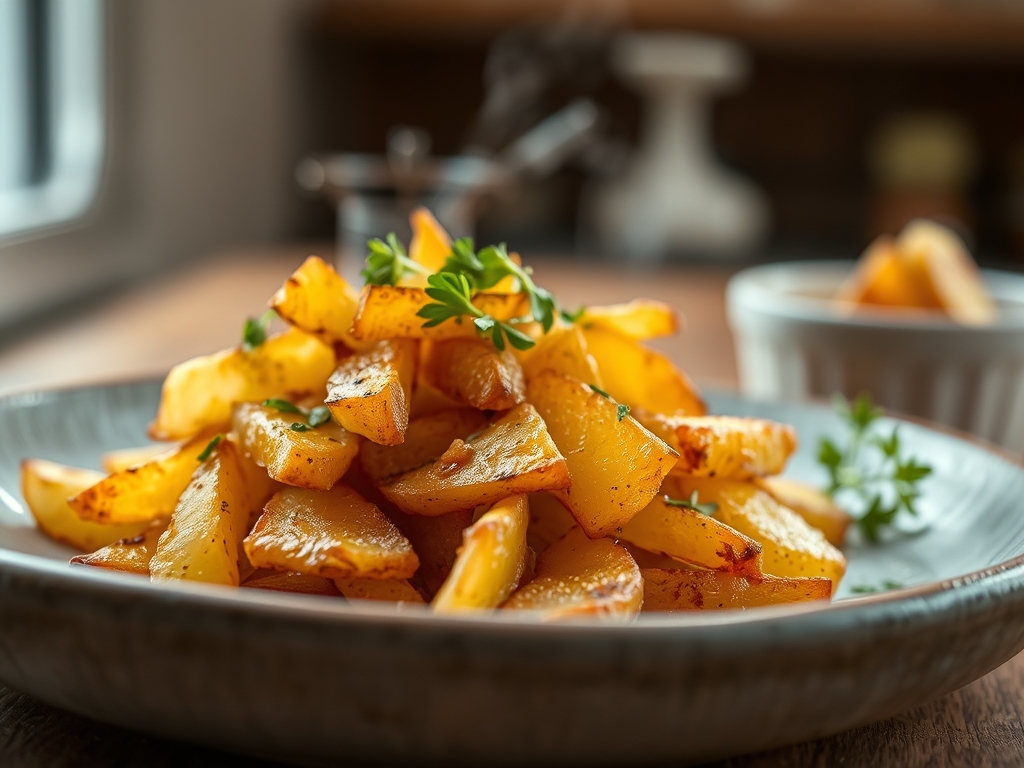
Listen closely for that specific sound; it is a sharp, rhythmic crackle that signals the exact moment moisture evaporates and starch transforms into gold. We have all chased the dragon of the perfect fry, but achieving that glass-like exterior and cloud-soft interior requires more than luck. If you want easy fried potato recipes that actually deliver on their promise, you must master the molecular dance of heat and starch.
The secret to a world-class crunch is not just the oil temperature; it is the structural integrity of the potato cell walls. We are moving beyond the soggy, limp disappointment of standard home fries. By understanding how to manipulate surface area and starch gelatinization, you can turn a humble tuber into a culinary masterpiece. Grab your favorite heavy-bottomed skillet and a sharp chef knife. We are about to dive into the physics of frying to ensure every bite provides that high-decibel snap you crave. This is the definitive guide to elevating your potato game from basic side dish to the main event.
The Gathers:
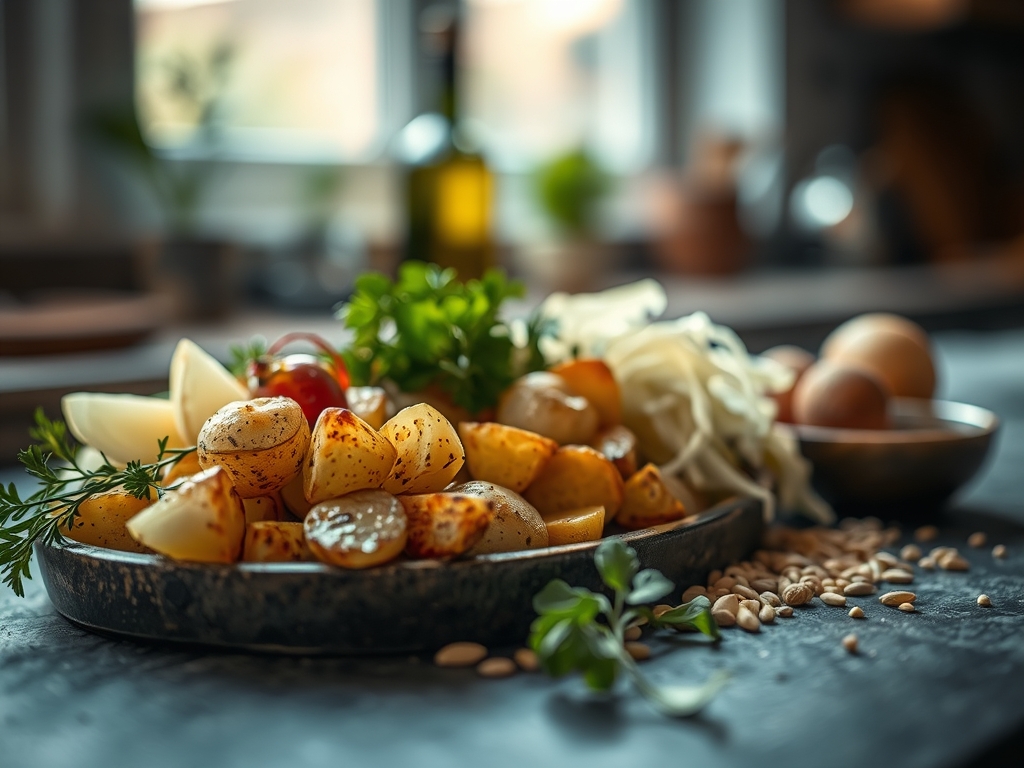
To begin, you need high-starch tubers, specifically Russets or Idaho potatoes. These varieties possess a high amylose content, which is the specific starch molecule responsible for creating a rigid, crispy structure when dehydrated by hot oil. Lower starch "waxy" potatoes, like Red Bliss, contain more moisture and sugar, leading to a gummy interior and premature browning.
Your mise-en-place should include a digital scale for precision, a bench scraper to move your cuts without bruising the flesh, and a spider strainer for safe retrieval. For the fat, choose an oil with a high smoke point, such as grapeseed or refined peanut oil. These fats remain stable at 375 degrees Fahrenheit without breaking down into acrid, bitter compounds.
Smart Substitutions: If you are looking for a deeper flavor profile, render some duck fat or beef tallow to blend with your neutral oil. This adds a savory depth that vegetable oils cannot replicate. For seasoning, skip the standard table salt. Use a microplane to zest lemon over the hot potatoes or infuse your oil with smashed garlic cloves and woody herbs like rosemary before the potatoes hit the pan.
The Clock:
Efficiency in the kitchen is about "Chef's Flow," which is the art of overlapping tasks to minimize downtime. Expect a total time of 45 minutes. The prep phase takes 15 minutes; this includes washing, peeling, and precision cutting. The "Inactive Phase" is 10 minutes, where we par-boil or soak the potatoes to remove excess surface starch.
The actual frying occurs in two stages over 20 minutes. The first "blanch" fry happens at a lower temperature to cook the interior, while the second "flash" fry at a higher heat creates the final crust. By using this staggered approach, you ensure the center is fully gelatinized before the exterior becomes too dark.
The Masterclass:
1. The Precision Cut
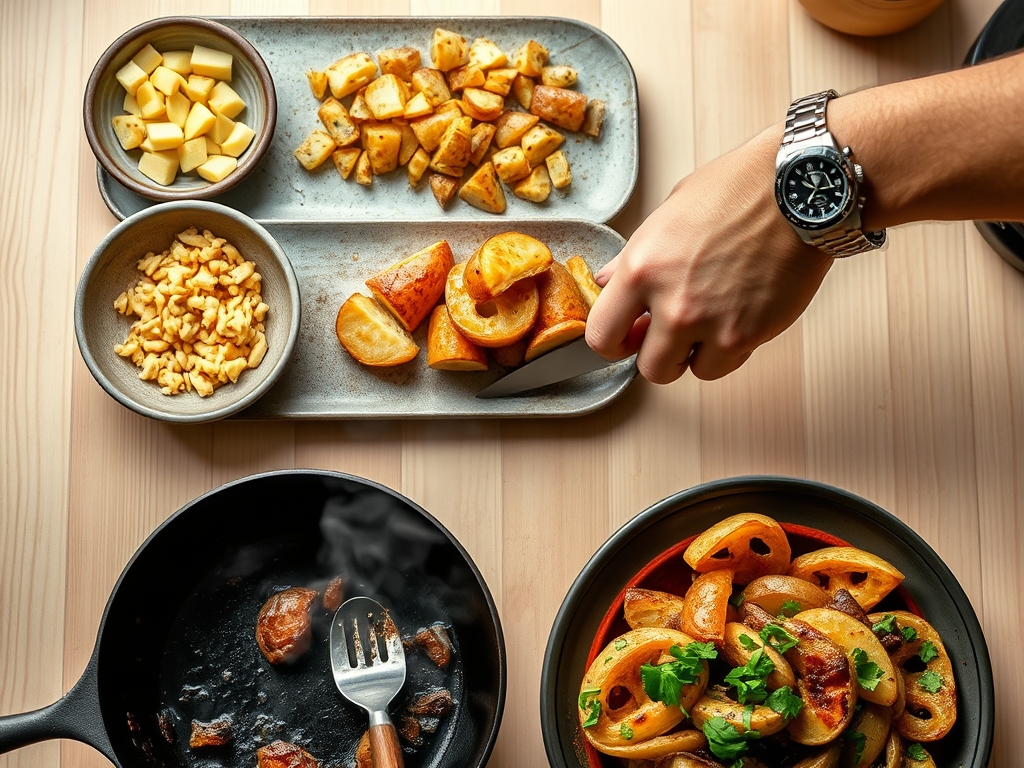
Use your chef knife to create uniform batons or cubes. Uniformity is not just for aesthetics; it ensures every piece reaches the same internal temperature simultaneously. If your cuts vary in size, the small pieces will burn while the large ones remain raw.
Pro Tip: This prevents enzymatic browning. By dropping cut potatoes immediately into cold water, you stop oxygen from reacting with the polyphenol oxidase enzymes, keeping the flesh white and pristine.
2. The Alkaline Par-Boil
Simmer your potatoes in water spiked with a splash of vinegar or a pinch of baking soda. This creates a "slurry" of starch on the surface of the potato. When this slurry hits the hot oil, it dehydrates into a micro-textured crust with maximum surface area.
Pro Tip: The baking soda breaks down the pectin in the potato cell walls. This creates more "nooks and crannies" for the oil to penetrate, resulting in a crunch that is exponentially louder.
3. Total Dehydration
Before the potatoes touch the oil, they must be bone-dry. Use a clean kitchen towel to buff away every drop of moisture. Water is the enemy of the Maillard reaction; any residual surface liquid will turn to steam, effectively boiling your potato instead of frying it.
Pro Tip: This avoids hydrolytic oxidation. Water introduces oxygen into the hot fat, which causes the oil to break down faster and makes your food taste greasy rather than crisp.
4. The First Blanch
Submerge the potatoes in 325-degree oil using your tongs or spider. They should look pale and limp when they come out. This stage is about softening the starch granules and creating a "skin" that will eventually puff up.
Pro Tip: This stage utilizes thermal carryover. Even after you remove the potatoes from the oil, the internal heat continues to cook the core to a fluffy, mashed-potato consistency.
5. The Freezing Trick
If you have time, toss the blanched potatoes into the freezer for 20 minutes. This creates tiny ice crystals that puncture the starch cells. When refried, these punctures allow steam to escape rapidly, creating an incredibly light, airy texture.
Pro Tip: This is the secret to "glass-crust" fries. The rapid cooling stabilizes the exterior starch, making it more rigid for the final high-heat blast.
6. The High-Heat Flash
Crank your oil to 375 or 400 degrees. Drop the potatoes back in for only 2 to 3 minutes. They will transform from pale yellow to a deep, burnished gold almost instantly. Watch them closely; the window between perfect and burnt is narrow.
Pro Tip: This is the Maillard reaction in overdrive. The amino acids and reducing sugars react under intense heat to create hundreds of new flavor compounds and that signature "fried" aroma.
7. The Aeration Toss
Immediately upon removal, transfer the potatoes to a stainless steel bowl and toss them vigorously. Do not let them sit in a pile on a flat plate. You need air to circulate around each piece to prevent the escaping steam from softening the crust you just built.
Pro Tip: This prevents the potatoes from becoming viscous and heavy. Tossing them "aerates" the surface and ensures the seasoning sticks to the microscopic droplets of surface oil.
8. The Piquant Finish
While the potatoes are screaming hot, hit them with fine sea salt and any aromatics. The heat will infuse the flavors into the crust. Try a dusting of smoked paprika or a drizzle of truffle oil for a sophisticated twist on easy fried potato recipes.
Pro Tip: Seasoning while hot is essential because the surface oil is still liquid. As the potato cools, the oil solidifies, "locking" the salt and spices onto the crust.
The Deep Dive:
From a macro perspective, potatoes are a powerhouse of complex carbohydrates and potassium. While frying adds lipids, using high-quality fats like avocado oil can provide heart-healthy monounsaturated fats. For a Vegan or GF version, these recipes are naturally compliant. For Keto enthusiasts, try the same techniques with daikon radish or rutabaga; though the starch content is lower, the dehydration principles still apply.
The Fix-It:
- Soggy Fries: Your oil temperature dropped too low when you added the potatoes. Fry in smaller batches to maintain thermal mass.
- Burnt Outside/Raw Inside: Your oil was too hot during the first stage. Lower the heat and increase the blanching time.
- Greasy Texture: You likely overcrowded the pan or failed to dry the potatoes properly. Use a saucier with more depth to allow for better oil circulation.
Meal Prep: To reheat and achieve "day-one" quality, avoid the microwave at all costs. Use an air fryer or a toaster oven at 400 degrees for 4 minutes. This flash-reheats the internal fat, re-crisping the exterior without drying out the center.
The Wrap-Up:
Mastering the art of the crunch is a rite of passage for any home cook. By focusing on starch manipulation and temperature control, you turn a simple ingredient into something extraordinary. These easy fried potato recipes are not just about feeding people; they are about the science of satisfaction. Go forth, use your heavy-bottomed skillet with confidence, and remember: the louder the crunch, the better the chef.
The Kitchen Table:
Why are my fried potatoes always soft?
Softness usually results from excess moisture or low oil temperature. If the oil is not hot enough, the potato absorbs the fat instead of forming a crust. Always use a thermometer to ensure your oil stays between 325 and 375 degrees.
Which potato is best for frying?
Russet potatoes are the gold standard for frying. Their high starch and low moisture content create a fluffy interior and a rigid, crispy exterior. Waxy potatoes like Yukon Gold are better for roasting but can work if double-fried.
Can I fry potatoes without par-boiling?
You can, but the texture will be inferior. Par-boiling in alkaline water creates a starchy surface slurry that dehydrates into a much thicker, crunchier crust. It also ensures the interior is fully cooked before the outside burns.
How do I keep fried potatoes crispy for a party?
Place a wire cooling rack over a baking sheet and keep the potatoes in a 200-degree oven. The rack allows air to circulate, preventing steam from trapped underneath the potatoes, which would otherwise turn the bottom layer soggy.