
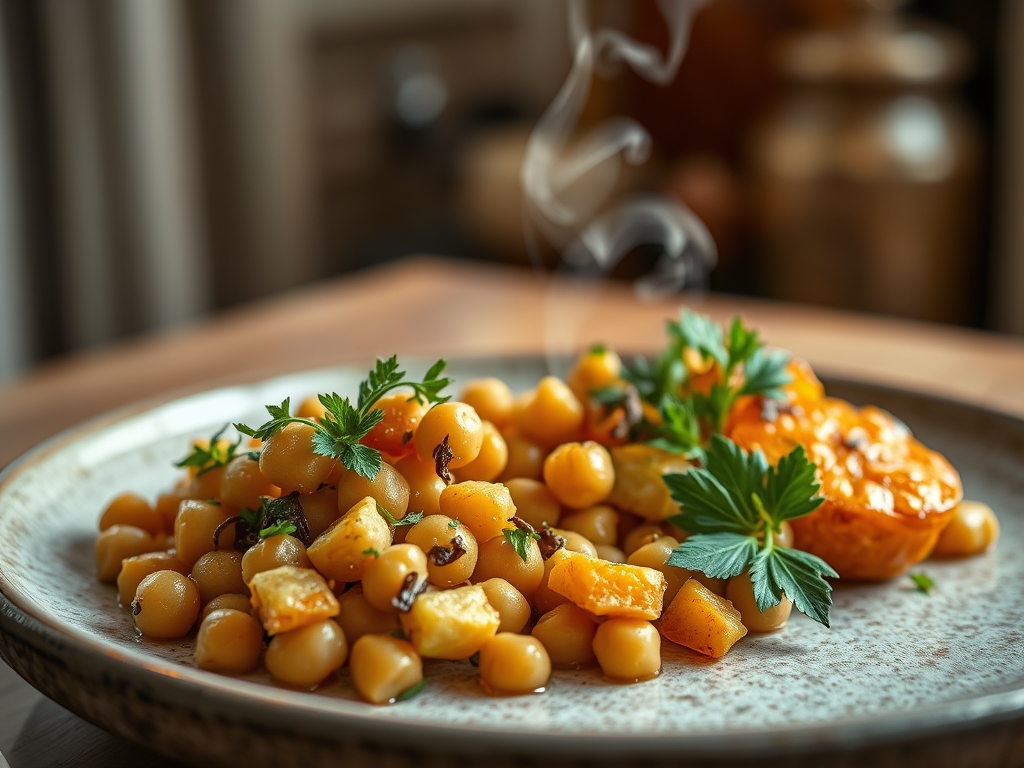
Picture a kitchen filled with the scent of toasted cumin and the rhythmic sound of a sharp chef's knife hitting a wooden board. You are about to master chickpea and potato recipes that transform humble pantry staples into high-protein powerhouses. We are elevating these ingredients through precise heat application and smart flavor layering for maximum culinary impact.
Imagine the contrast of a perfectly seared Yukon Gold potato against the nutty, firm texture of a pressure-cooked garbanzo bean. This is not just comfort food; it is a masterclass in texture and satiety. By leveraging the natural starches in the potatoes and the dense protein profile of the chickpeas, we create meals that are both chemically balanced and deeply satisfying. Whether you are looking for a piquant curry or a crisp sheet-pan roast, these six variations will redefine your weeknight repertoire. We are moving beyond the basic mash to explore how these two ingredients can anchor a gourmet, protein-forward diet without the need for expensive cuts of meat.
The Gathers:
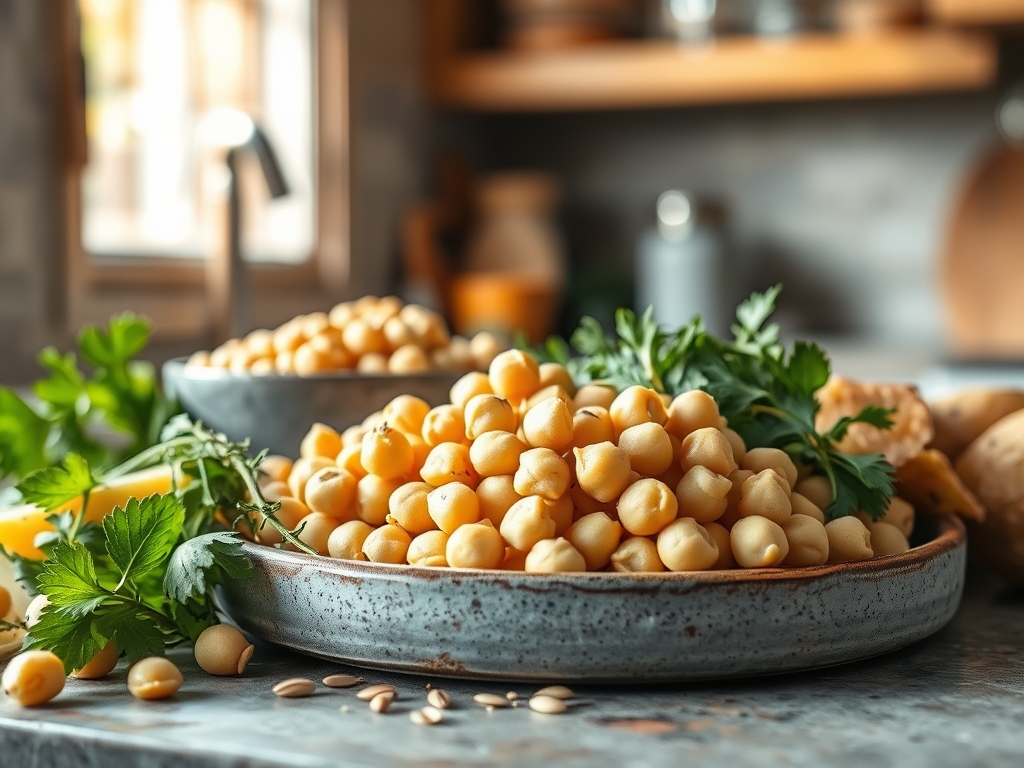
To achieve professional results, your mise-en-place must be precise. Start with high-starch potatoes like Russets for fluffiness or waxy varieties like Red Bliss if you require structural integrity during a long simmer. Your chickpeas should be drained and rinsed until the water runs clear to remove excess saponins, which can create unwanted foam during the cooking process.
Gather your aromatics: fresh ginger, garlic cloves, and shallots. Use a microplane to grate the ginger into a fine paste; this increases the surface area and allows the essential oils to infuse the cooking fat more rapidly. For fats, choose a high-smoke-point oil like avocado oil or clarified butter (ghee) to ensure you can reach the temperatures necessary for the Maillard reaction without scorching.
Smart Substitutions:
If you are monitoring glycemic load, swap half of the potatoes for cauliflower florets; they mimic the texture while reducing total carbohydrates. For a flavor pivot, replace standard yellow curry powder with a smoked paprika and chipotle blend to move from an Eastern profile to a Mediterranean or Southwest vibe. If you lack fresh aromatics, a high-quality garlic oil can provide the base notes, though you will lose the fibrous texture of the fresh bulb.
The Clock
Efficiency in the kitchen is about "Chef's Flow." Total active prep time for these recipes is approximately 20 minutes, with a total cook time ranging from 25 to 40 minutes depending on the specific dish.
The secret to timing is parallel processing. While your heavy-bottomed skillet preheats, use a bench scraper to organize your chopped vegetables into neat piles. Start the potatoes first because they require more thermal energy to break down their complex starches. The chickpeas, which are already structurally sound, only need enough time to absorb the surrounding flavors and reach a consistent internal temperature. This staggered start ensures that by the time the potatoes are fork-tender, the chickpeas have reached a state of viscous harmony with the sauce.
The Masterclass
1. The Initial Sear and Sauté
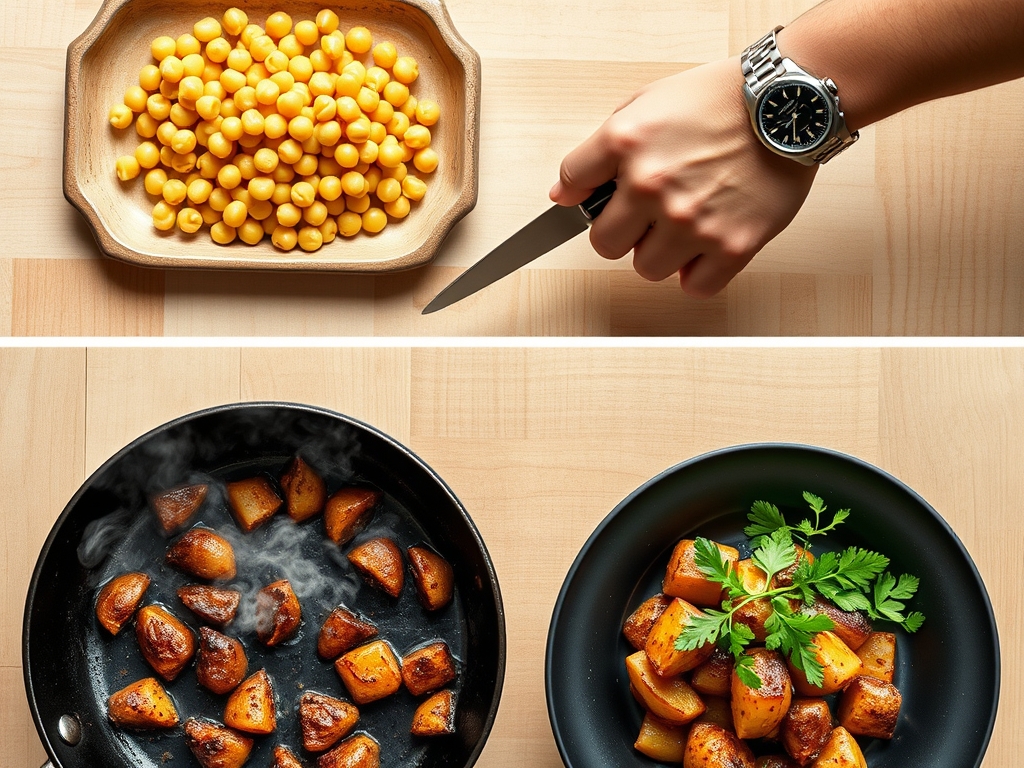
Place your potatoes in a heavy-bottomed skillet with shimmering oil. Do not crowd the pan. Allow them to sit undisturbed for four minutes to develop a golden crust.
Pro Tip: This relies on enzymatic browning. By leaving the potatoes still, you allow the surface sugars and amino acids to react, creating a complex flavor profile that boiled potatoes simply cannot match.
2. Deglazing the Fond
Once the potatoes are browned, add your aromatics. After they become fragrant, pour in a splash of vegetable stock or dry white wine to deglaze the pan, scraping up the brown bits (the fond) with a wooden spoon.
Pro Tip: This process captures the concentrated flavors stuck to the pan. The liquid acts as a solvent, pulling those savory molecules back into the body of the dish.
3. Incorporating the Protein
Add your rinsed chickpeas to the pan. Toss them using tongs to ensure every bean is coated in the seasoned oil and deglazed liquid.
Pro Tip: Chickpeas have a porous skin. Adding them after deglazing allows them to soak up the concentrated liquid via osmosis, seasoning the bean from the inside out rather than just on the surface.
4. Simmering for Emulsification
Add your primary liquid (coconut milk, crushed tomatoes, or broth). Lower the heat and let the mixture simmer gently. Use a whisk to stir in any added fats to emulsify the sauce.
Pro Tip: A slow simmer prevents the proteins in the chickpeas from becoming rubbery. It also allows the potato starches to leach out slightly, naturally thickening the sauce without the need for a flour-based roux.
5. The Final Aeration and Garnish
Just before serving, stir in fresh greens like spinach or kale. Use a large spoon to aerate the mixture, folding the greens in until they wilt from the residual heat.
Pro Tip: This is called thermal carryover. The heat already present in the dish is sufficient to cook delicate greens, preserving their bright color and vitamin content which would be destroyed by direct boiling.
6. Resting and Plating
Remove the skillet from the heat and let it sit for three minutes before serving. Use a digital scale if you are tracking macros to ensure precise portioning.
Pro Tip: Resting allows the internal pressure of the ingredients to stabilize. This ensures that the first bite is succulent rather than watery, as the fibers reabsorb the surrounding juices.
The Deep Dive
When we look at the macro nutrition, these chickpea and potato recipes are a powerhouse. A standard serving provides approximately 12 grams of plant-based protein and 9 grams of dietary fiber. This combination is the gold standard for metabolic health, as the fiber slows the absorption of glucose, preventing insulin spikes.
Dietary Swaps:
For a Vegan version, ensure your cooking fat is plant-based and use coconut milk for creaminess. For Keto enthusiasts, this dish is challenging due to the starch; however, you can significantly lower the carb count by using radishes instead of potatoes, as they lose their "bite" and mimic potato texture when roasted. All these recipes are naturally Gluten-Free, provided your spices are not bulked with flour.
The Fix-It:
- Mushy Potatoes: This happens if you use a high-moisture potato or over-boil. Fix it by spreading the mixture on a baking sheet and roasting at 400 degrees for ten minutes to evaporate excess moisture.
- Bland Chickpeas: If the beans taste like "nothing," you likely didn't salt early enough. Fix it by adding a splash of acid (lemon juice or apple cider vinegar) to brighten the existing salt.
- Broken Sauce: If your coconut milk or cream separates, it got too hot. Fix it by removing from heat and whisking in a tablespoon of cold water or tahini to re-bind the fats.
Meal Prep Science:
To maintain "day-one" quality, store the sauce and solids together. When reheating, do not use a microwave if possible. Instead, use a saucier on the stovetop over medium-low heat. Add a tablespoon of water to replace what was lost to evaporation in the fridge. This restores the viscous texture of the sauce without making the potatoes grainy.
The Wrap-Up
Mastering these chickpea and potato recipes is about understanding the chemistry of the pantry. You have taken two humble ingredients and used professional techniques like deglazing and emulsification to create something truly sophisticated. This isn't just a meal; it is a reliable, high-protein system you can adapt to any flavor profile. Now, grab your favorite bowl, find a cozy spot, and enjoy the fruits of your culinary labor. You have officially leveled up your kitchen game!
The Kitchen Table
Can I use dried chickpeas instead of canned?
Yes, but they must be soaked and boiled first. Dried beans offer a superior, firm texture and are more cost-effective. Ensure they are fully tender before adding them to the potato mixture to avoid inconsistent textures.
How do I make the potatoes extra crispy?
Par-boil the potato chunks in salted water for five minutes, drain, and shake them in the pot to roughen the edges. This creates more surface area for the Maillard reaction when you finally hit the hot oil in the skillet.
What is the best way to store leftovers?
Place them in an airtight glass container. The flavors actually develop further overnight as the spices continue to infuse the starches. Consume within four days for optimal safety and texture.
Can I freeze these meals?
Potatoes can sometimes become grainy when frozen and thawed. If you plan to freeze, undercook the potatoes slightly. This ensures that when you reheat them, they reach the perfect consistency rather than turning into a puree.