
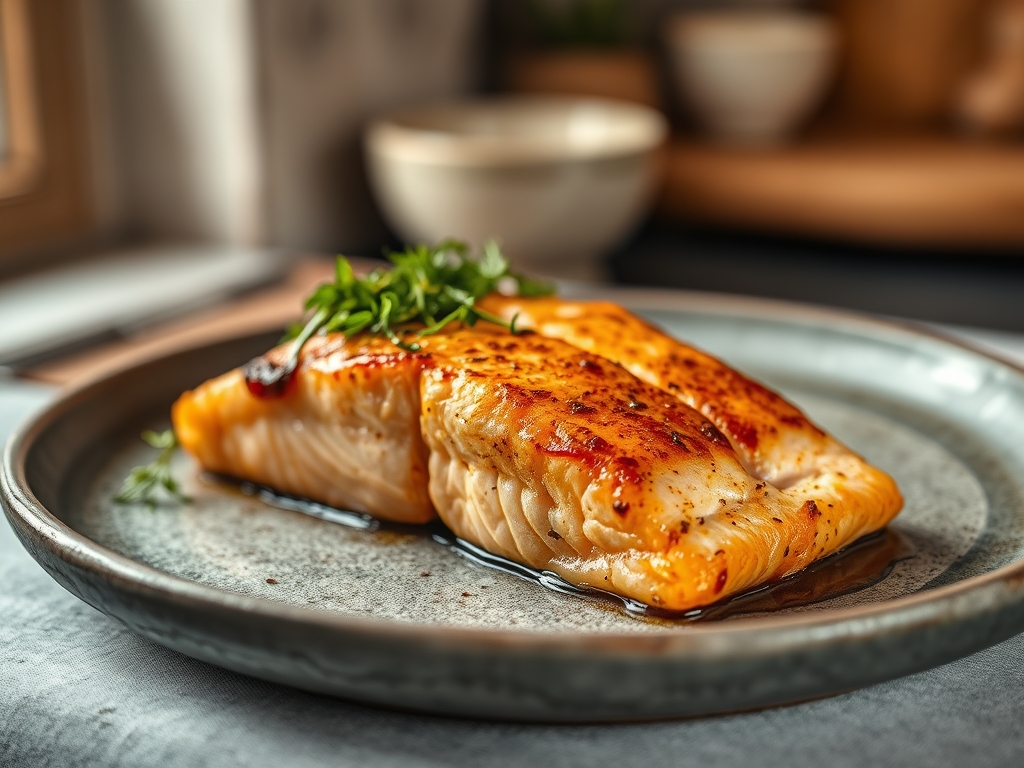
Imagine the sound of a heavy-bottomed stainless steel skillet meeting a high-heat flame; that rhythmic ticking of expanding metal is the overture to your dinner. We are chasing that perfect, glass-shattering skin and a center so buttery it practically sighs under the pressure of a fork. Navigating the Autoimmune Protocol does not mean sacrificing the culinary theater of a five-star meal. In fact, mastering aip salmon recipes is the ultimate cheat code for high-density nutrition and sophisticated flavor profiles. We are talking about omega-3 fatty acids meeting the chemical magic of citrus-based acids and sulfur-rich aromatics. Whether you are searing, poaching, or roasting, the goal is to transform a simple fillet into a functional medicine powerhouse that tastes like pure indulgence. Salmon is uniquely suited for the AIP lifestyle because its high fat content provides a forgiving buffer against the heat of the stove. By the time we finish this deep dive, you will be able to manipulate proteins and lipids like a seasoned saucier; all while keeping your inflammation markers in check and your palate thoroughly entertained.
The Gathers:
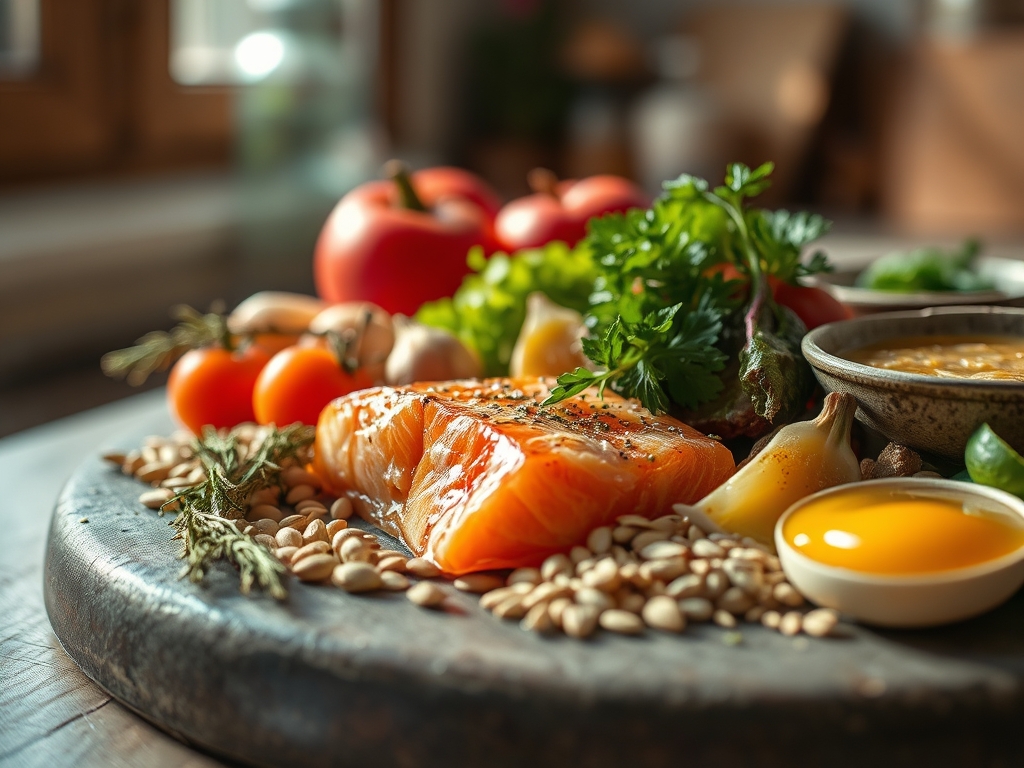
To execute these aip salmon recipes with precision, your mise-en-place must be impeccable. Start with wild-caught King or Sockeye salmon; the high astaxanthin content gives it that vibrant coral hue and provides a potent antioxidant punch. You will need high-quality fats with high smoke points like refined coconut oil or avocado oil to ensure you do not create carcinogenic compounds during the sear. For acidity, gather fresh lemons and limes; their citric acid acts as a denaturant, "cooking" the exterior of the fish and brightening the heavy lipids.
Smart Substitutions are the backbone of AIP success. Since we are avoiding nightshades and seed spices, we lean heavily on the "Holy Trinity" of AIP aromatics: fresh ginger, garlic, and scallions. Use a microplane to zest your citrus and grate your ginger into a fine paste; this increases the surface area and allows the essential oils to infuse your cooking fat more efficiently. Instead of black pepper, reach for mace or horseradish to provide that piquant bite without the lectin load. For a salty, umami-rich depth, liquid aminos or coconut aminos are non-negotiable. They provide the fermented complexity usually found in soy sauce but without the gluten or soy triggers.
The Clock
Efficiency in the kitchen is about understanding the "Chef's Flow." For these eight variations, your active prep time will hover around 15 minutes, while cook times range from 6 to 12 minutes depending on the thickness of the fillet. The secret to a stress-free kitchen is the "Staggered Start." While your skillet preheats (a process that takes a full 3 to 4 minutes to ensure even thermal distribution), you should be patting your fish bone-dry. Moisture is the enemy of the Maillard reaction. If the surface is damp, the energy of the pan goes into evaporating water rather than browning the protein. Plan for a 5-minute rest period post-heat; this allows the internal juices to redistribute so they do not flee the fillet the moment you take your first bite.
The Masterclass
1. The Ultimate Pan-Sear
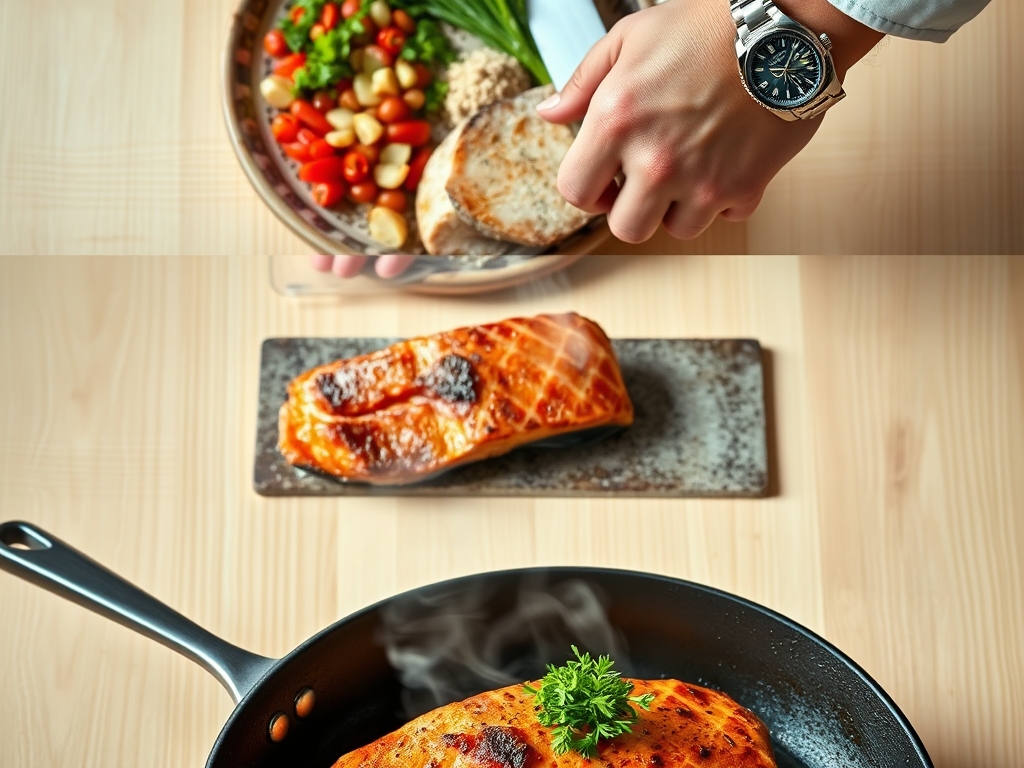
Place your dry, seasoned fillet skin-side down into a shimmering pool of avocado oil. Use a flexible fish spatula to apply firm pressure for the first 30 seconds. This prevents the skin from curling as the collagen fibers contract. Cook 90 percent of the way on the skin side to achieve a cracker-like texture.
Pro Tip: This technique utilizes thermal conduction. By keeping the skin in contact with the pan, you create a protective barrier that gently steams the delicate flesh above, preventing protein denaturation from happening too quickly.
2. The Citrus-Ginger Poach
Submerge your salmon in a shallow saucier filled with coconut milk, sliced ginger, and lime zest. Keep the liquid at a "shiver" rather than a boil (about 170 degrees Fahrenheit). The fat in the coconut milk creates a viscous poaching medium that carries flavor deep into the muscle fibers.
Pro Tip: Poaching is an isothermal process. Because the temperature is controlled and low, the actin and myosin filaments in the fish do not tighten, resulting in a melt-in-your-mouth texture.
3. The Sheet Pan Roast with Root Veggies
Toss cubed sweet potatoes and parsnips in duck fat and roast at 400 degrees for 20 minutes before adding the salmon. The salmon only needs about 10 minutes to reach an internal temperature of 125 degrees.
Pro Tip: Use a digital scale to ensure your vegetable cuts are uniform. This ensures that all components reach peak caramelization simultaneously, avoiding the "burnt edge, raw center" pitfall.
4. The Parchment Paper "En Papillote"
Fold salmon, asparagus, and a pat of garlic-infused coconut oil into a parchment pouch. Bake at 375 degrees. The trapped steam creates an aromatic micro-environment that infuses the fish with herbal notes.
Pro Tip: This method relies on steam pressure. As the moisture inside the pouch heats up, it creates a pressurized chamber that cooks the fish rapidly while preserving every drop of nutrient-dense juice.
5. The AIP Teriyaki Glaze
Reduce coconut aminos, honey, and orange juice in a small saucepan until the liquid becomes syrupy and coats the back of a spoon. Brush this onto the salmon during the last two minutes of broiling.
Pro Tip: This is an exercise in evaporation and concentration. By reducing the liquid, you increase the sugar concentration, which allows for rapid browning under the broiler's radiant heat.
6. The Herb-Crusted Cold Bake
Slather the fillet in a paste of cilantro, parsley, and olive oil. Bake at a low 275 degrees. This "low and slow" method results in a uniform, buttery pink color from edge to edge.
Pro Tip: Lower temperatures prevent "albumin bleed," which is that white protein that leaks out when salmon is cooked too fast. It keeps the moisture locked inside the cells.
7. The Salmon "Steak" with Lemon Caper Sauce
Use a sharp chef's knife to cut the salmon into thick steaks. Sear both sides in a heavy skillet. Deglaze the pan with a splash of white wine vinegar and add non-pareil capers for a salty, acidic finish.
Pro Tip: Deglazing is a chemical process where the acidity of the liquid releases the "fond" (browned bits) from the bottom of the pan, incorporating those deep flavors into a pan sauce.
8. The Crispy Skin "Bacon" Bits
If you prefer your fish skinless, do not discard the skin. Fry it separately in a small pan until it is translucent and crisp. Crumble it over a salad for a hit of texture and salt.
Pro Tip: This involves rendering the subcutaneous fat. As the fat melts out, the skin fries in its own oil, creating a dehydrated, crispy matrix of collagen.
The Deep Dive
From a macro perspective, these aip salmon recipes are a goldmine. A standard 6-ounce serving provides roughly 35 grams of high-bioavailability protein and 20 grams of healthy fats. For those pivoting to Keto, simply omit the honey in the glazes and lean into the coconut milk preparations. If you are looking for a Vegan alternative, the "sauce" components of these recipes work beautifully over roasted cauliflower steaks or thick slices of king oyster mushrooms.
The "Fix-It" Guide:
- The Skin is Soggy: You likely overcrowded the pan or didn't dry the fish. Use a bench scraper to clear the pan and try again with more oil and only one fillet at a time.
- The Fish is Dry: You missed the carryover cooking window. Take the salmon off the heat when it hits 120 degrees; the residual heat will bring it to the perfect 125-130 degree range.
- The Sauce is Broken: If your coconut milk sauce separates, whisk in a teaspoon of arrowroot starch slurry. This acts as an emulsifier to bind the fats and liquids back together.
Meal prepping salmon requires a bit of science. To avoid the "fishy" smell during reheating, do not use a microwave. Instead, let the salmon come to room temperature and gently warm it in a covered skillet with a tablespoon of water. This creates a gentle steam that rehydrates the protein without overcooking it.
The Wrap-Up
Mastering these eight AIP-friendly salmon meals is more than just a kitchen win; it is an investment in your cellular health. By utilizing professional techniques like isothermal poaching and controlled Maillard browning, you are elevating functional food into a culinary art form. Remember that the best ingredient you can bring to the kitchen is curiosity. Don't be afraid to experiment with different AIP-approved herbs or to push your sear just a few seconds longer for that perfect crunch. You have the tools, the science, and the flavors; now go make something incredible!
The Kitchen Table
Can I use frozen salmon for AIP recipes?
Yes, but thaw it completely in the refrigerator first. Pat it extremely dry with paper towels to remove excess moisture, which prevents a proper sear and can lead to a mushy texture during cooking.
What is the best way to tell if salmon is done?
The most reliable method is using a digital thermometer to reach 125-130 degrees Fahrenheit. Alternatively, the flesh should flake easily with a fork and change from translucent to opaque in the center.
How do I stop salmon from sticking to the pan?
Ensure your pan is fully preheated before adding oil. Once the oil is shimmering, add the fish and do not move it for at least two minutes. The fish will naturally release once the crust forms.
Are coconut aminos really a good substitute for soy?
Absolutely. Coconut aminos provide a similar salty and savory umami profile. They are slightly sweeter than soy sauce, so you may want to add a pinch of sea salt to balance the flavors in your recipes.