
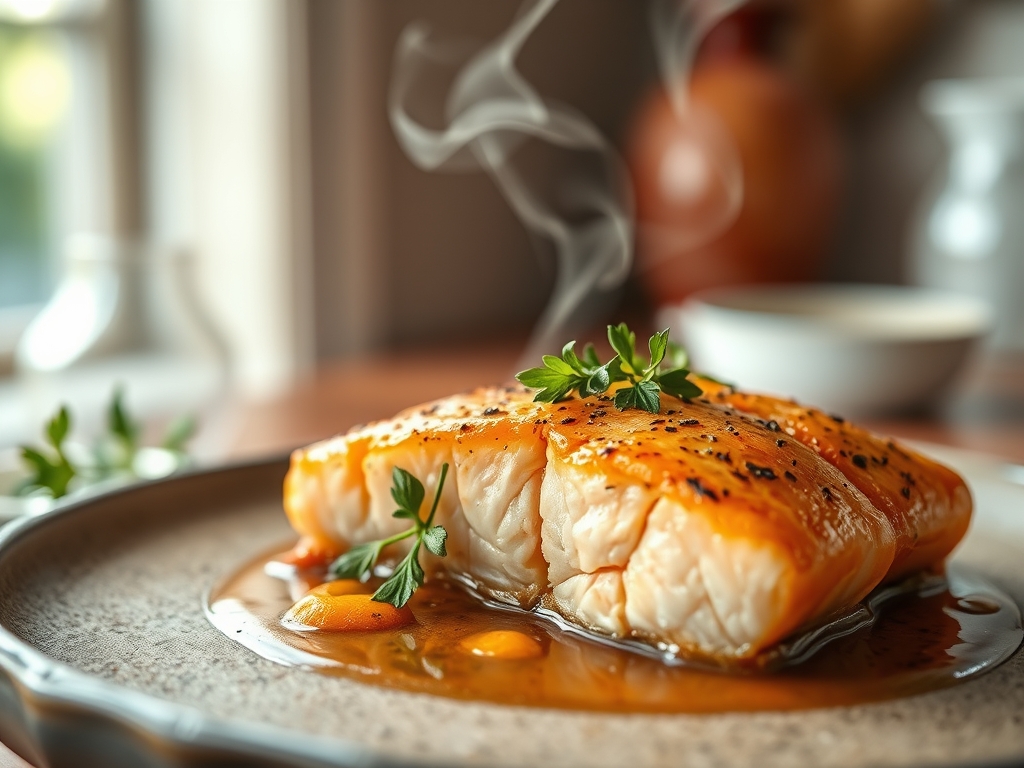
Crack that seal and listen for the vacuum hiss; that sound is the starting gun for the most underrated pantry staple in your kitchen. We are moving far beyond the sad, watery mashes of the past and stepping into a world where tin of salmon recipes become the centerpiece of a high protein, gourmet lunch that takes less time than a coffee run. Think of canned salmon as a pre-poached, shelf-stable miracle that is just waiting for a hit of acidity and a flash of heat to transform into something spectacular. It is rich in long-chain omega-3 fatty acids and offers a dense, flaky texture that holds its own against aggressive aromatics. Whether you are craving a crispy pan-sear or a bright, herbaceous salad, these upgrades turn a humble metal cylinder into a five-star meal. We are going to harness the power of emulsification and the Maillard reaction to ensure every bite is balanced, briny, and perfectly textured. Grab your apron; your midday meal is about to get a serious promotion.
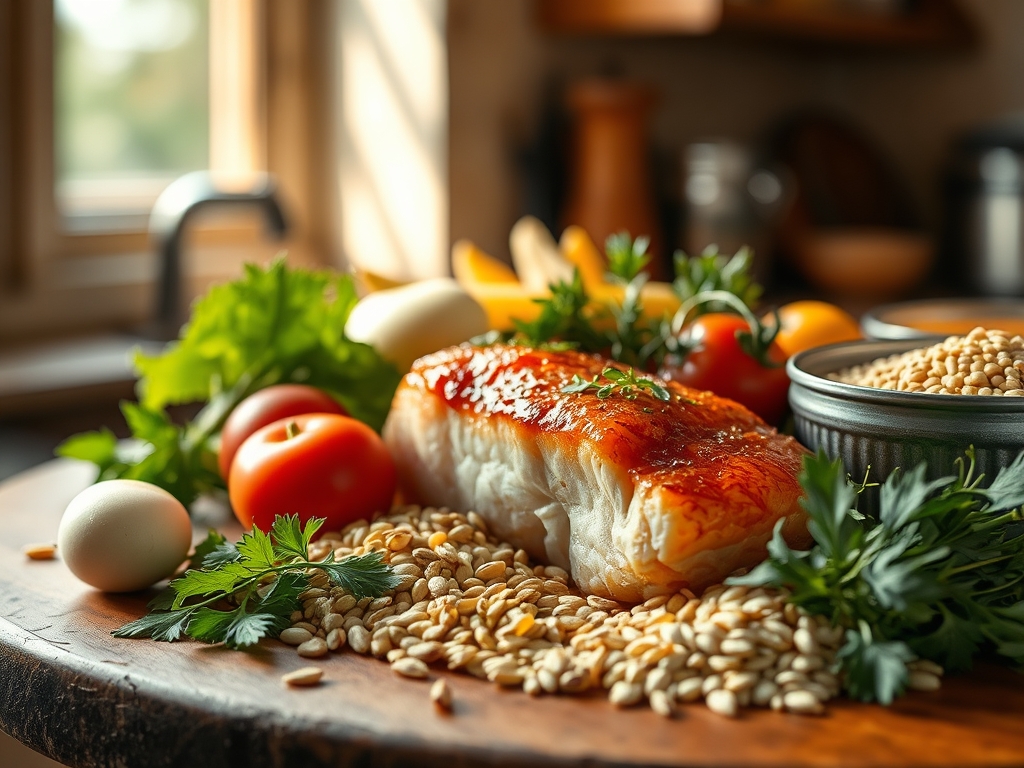
The Gathers:
To execute these tin of salmon recipes with professional precision, your mise-en-place must be organized. Start with high-quality wild-caught pink or sockeye salmon. You will notice the liquid in the tin is a viscous brine; do not discard this entirely, as it contains dissolved proteins that help bind your mixtures. You will need a sharp microplane for zesting citrus and grating garlic into a fine paste, which ensures even distribution of flavor without the bite of large chunks.
Gather your fats: a high-smoke-point avocado oil for searing and a cold-pressed extra virgin olive oil for finishing. For texture, keep panko breadcrumbs, toasted sesame seeds, or crushed walnuts nearby to provide a crunch that offsets the soft flakes of the fish. Smart substitutions are key here. If you lack Greek yogurt for a creamy base, a dollop of silken tofu blended with lemon juice provides the same lactic tang. No fresh herbs? A pinch of dried dill or tarragon rehydrated in a teaspoon of warm water will infuse the dish with a concentrated botanical profile. Always have a digital scale handy if you are tracking macros, as tin weights can vary slightly between brands.
The Clock
Efficiency in the kitchen is all about the Chef's Flow. For these upgrades, your active prep time is a lean seven minutes, with a total cook time of eight minutes if heat is involved. The secret to this speed is parallel processing. While your heavy-bottomed skillet preheats to achieve the ideal thermal mass, you should be flaking the salmon and whisking your dressing.
If you are opting for a cold preparation, the flow shifts to "layering." You spend the first three minutes prepping the "crunch" elements like celery or radishes, and the final four minutes folding the ingredients together to avoid over-working the fish. Over-mixing leads to a pasty consistency; we want defined, meaty shards. By the time the ten-minute mark hits, you should be plating. This rapid pace makes it the ultimate solution for a busy workday.
The Masterclass
1. The Proper Drain and Flake
Open the tin and use the lid to press out excess moisture, but leave about a teaspoon of the liquid to keep the meat succulent. Transfer the salmon to a wide bowl and use a fork to gently break it into large chunks. Do not pulverize it.
Pro Tip: This preserved liquid contains natural collagen. When mixed with an acid like lemon juice, it helps create a light emulsion that coats the fish without needing heavy mayo.
2. The Aromatics Infusion
Use your microplane to grate fresh ginger and garlic directly over the salmon. Add a piquant element like capers or finely diced cornichons. This provides a sharp contrast to the fatty profile of the fish.
Pro Tip: Grating aromatics into a paste increases the surface area, allowing the volatile oils to infuse the salmon instantly without the need for long marination times.
3. Binding for Structure
If you are making cakes or patties, add a binder like a beaten egg or a spoonful of Greek yogurt. Sprinkle in your dry binder, such as almond flour or panko, and let it sit for two minutes.
Pro Tip: This rest period allows the dry ingredients to hydrate. This prevents the patties from falling apart in the pan due to thermal expansion as the moisture turns to steam.
4. Achieving the Maillard Reaction
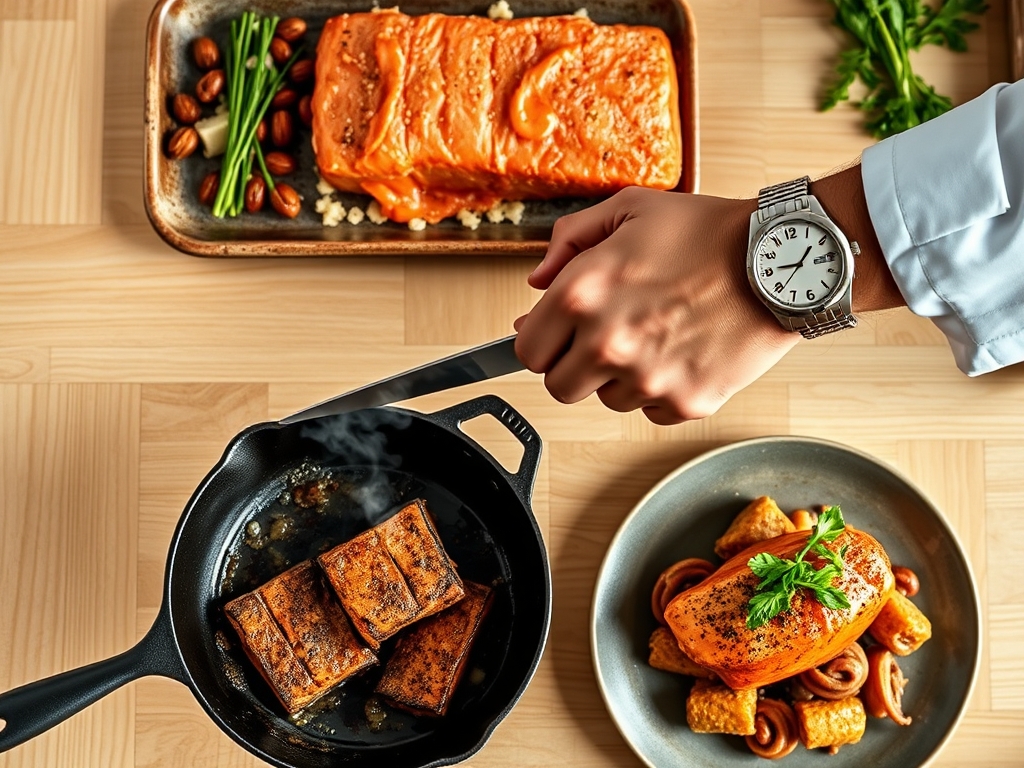
Heat avocado oil in your heavy-bottomed skillet until it shimmers. Place your salmon cakes or seasoned flakes into the pan. Leave them undisturbed for three minutes to develop a deep, golden-brown crust.
Pro Tip: The Maillard reaction occurs between amino acids and reducing sugars at high heat. Moving the food too early drops the pan temperature and results in steaming rather than searing.
5. The Deglaze and Finish
Once the salmon is crispy, turn off the heat and add a splash of rice vinegar or white wine to the pan. Use a saucier whisk or a spoon to scrape up the browned bits (the fond) and coat the fish.
Pro Tip: This process, known as deglazing, captures the concentrated flavors stuck to the pan, creating a built-in sauce that adds complexity to the final dish.
The Deep Dive
From a nutritional standpoint, tin of salmon recipes are a powerhouse. A standard 5-ounce serving delivers roughly 30 grams of protein and is one of the few natural food sources of Vitamin D. Because the bones are often included and softened during the canning process, they are also an incredible source of bioavailable calcium; just mash them into the mix for an undetectable boost.
For my keto friends, swap the breadcrumbs for crushed pork rinds or Parmesan cheese to maintain that structural integrity. Vegans can replicate the "sea" flavor using mashed chickpeas seasoned with dulse flakes and nori.
If you hit a snag, don't panic. If your mixture is too wet, fold in a tablespoon of ground flaxseed; it acts as a moisture sponge. If the flavor is flat, it likely needs "brightening" rather than salt; add a drop of apple cider vinegar. If the fish feels dry, whisk a teaspoon of warm water into your fat source before mixing. When meal prepping, store the salmon and the "crunch" elements separately. Reheat the salmon in a toaster oven rather than a microwave to preserve the texture and prevent that "fishy" aroma from permeating the office.
The Wrap-Up
You are now officially a master of the tin. By applying these professional techniques; like respecting the Maillard reaction and using a microplane for aromatic distribution; you have turned a pantry basic into a culinary win. These tin of salmon recipes prove that you do not need an hour or a fresh fish counter to eat like a queen. It is about the science of flavor and the efficiency of the "Chef's Flow." Now, go grab that tin and show your lunch break who is boss!
The Kitchen Table
Can I eat the bones in canned salmon?
Yes, the canning process softens the bones until they are completely edible. They provide a massive boost of calcium and phosphorus. Simply mash them with a fork into the meat; they will disappear into the texture of the dish.
How do I make canned salmon taste less fishy?
Freshness is key. Add a piquant acid like lemon juice, lime, or vinegar to neutralize the amines responsible for the "fishy" scent. Incorporating fresh herbs like dill or cilantro also masks stronger odors with bright, botanical notes.
Is canned salmon as healthy as fresh salmon?
Absolutely. Canned salmon is typically wild-caught and retains its high levels of Omega-3 fatty acids and protein. Because it is processed immediately after being caught, it often preserves more nutrients than "fresh" fish that has traveled for days.
How long does an opened tin of salmon last?
Once opened, transfer the salmon to an airtight glass container. It will remain fresh in the refrigerator for up to two days. Never store the salmon in the original metal tin once it has been unsealed to avoid metallic off-flavors.