
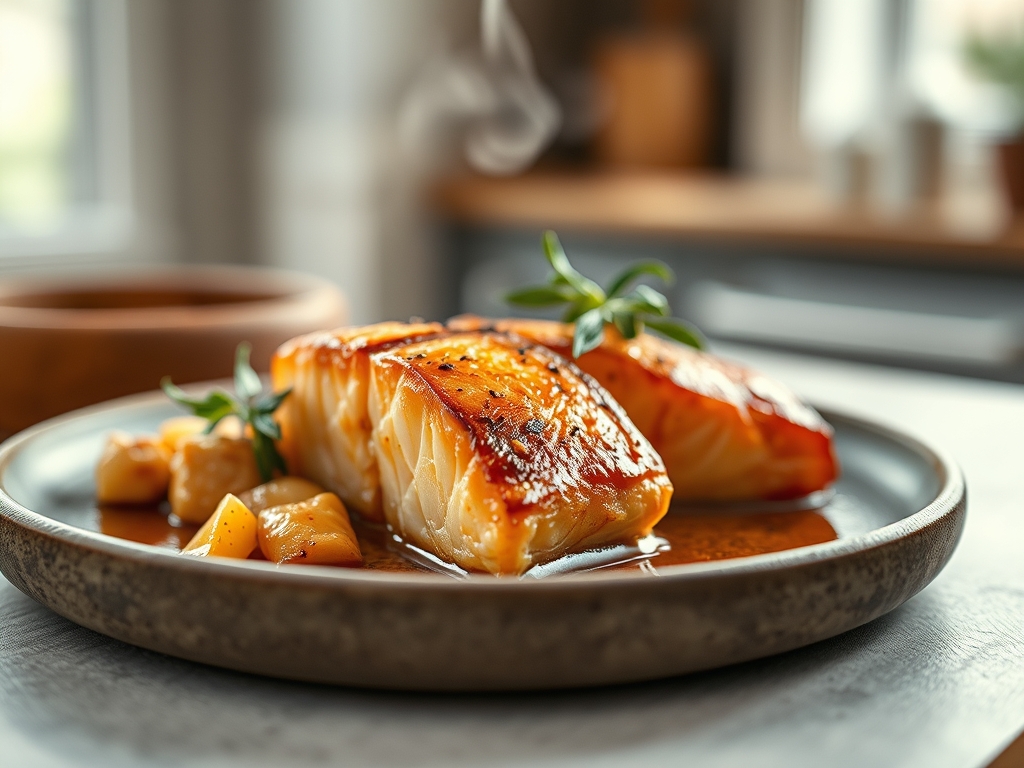
Imagine the sound of a heavy-bottomed stainless steel skillet meeting a high-heat flame; it is the percussion of a perfect dinner. To master gordon ramsay salmon recipes ingredients, you must respect the delicate cellular structure of the fish while chasing that legendary, glass-like skin. We are moving beyond basic home cooking into the realm of high-performance culinary art where heat management meets molecular precision.
The secret to that iconic Ramsay finish is not just the fish itself; it is the choreography of fat, acid, and timing. When you look at the raw fillet, you are seeing layers of muscle separated by thin lines of intramuscular fat. Our goal is to render that fat perfectly while keeping the protein succulent. Most home cooks fear the high heat, but we are going to embrace it to achieve the Maillard reaction; that chemical transformation where amino acids and reducing sugars create a savory, browned crust that smells like heaven. We are going to build a flavor profile that is bright, piquant, and undeniably professional. Grab your apron and your sharpest chef knife; we are about to turn your kitchen into a Michelin-starred station.
The Gathers:
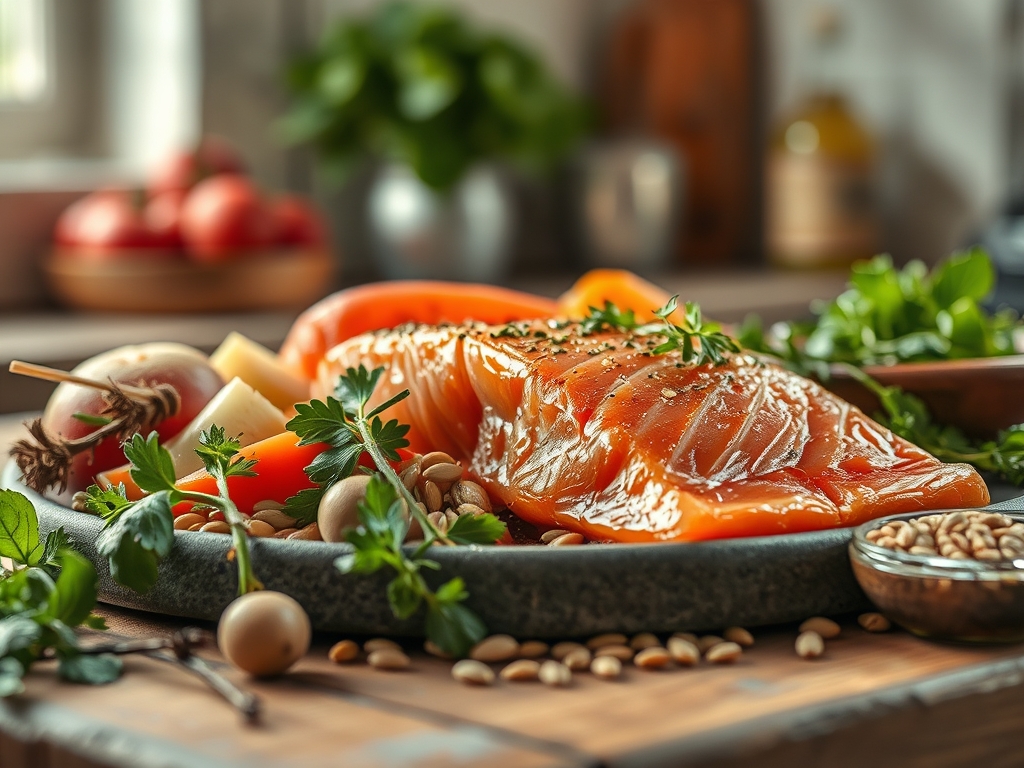
Before the first spark of the burner, your mise-en-place must be impeccable. A professional kitchen runs on readiness. For this masterclass, you will need high-quality Atlantic or King salmon fillets, skin-on. The skin acts as a protective thermal barrier and provides the essential crunch. You will also need unsalted European-style butter; its lower water content ensures a more stable emulsion when we begin the basting process.
Gather your aromatics: fresh thyme sprigs, unpeeled garlic cloves to provide a mellow infusion without burning, and a bright lemon for zest. You will need a neutral oil with a high smoke point, such as grapeseed or avocado oil, to handle the initial sear. For the seasoning, use flaky sea salt and freshly cracked black pepper. The large grains of sea salt are crucial because they do not dissolve instantly, providing a textural contrast.
Smart Substitutions: If you cannot find fresh thyme, rosemary offers a woodier, more robust aromatic profile. For those avoiding dairy, a high-quality vegan butter with a pea-protein base can mimic the solids needed for browning. If you are out of grapeseed oil, refined light olive oil works, but avoid extra virgin as its low smoke point will result in a bitter, acrid flavor when heated.
The Clock
Efficiency is the hallmark of a great chef. Total prep time for this dish is a lean 10 minutes, focusing primarily on moisture removal and seasoning. The cooking process itself takes approximately 8 to 12 minutes depending on the thickness of your fillets.
The "Chef's Flow" is simple: prep the fish, heat the pan, sear the skin, flip, and finish with a butter baste. Never rush the pre-heating phase. A cold pan is the enemy of crispy skin. By the time the fish hits the metal, the oil should be shimmering and just beginning to reach its smoke point. This ensures immediate protein coagulation, preventing the fish from sticking to the surface.
The Masterclass
1. The Moisture Purge
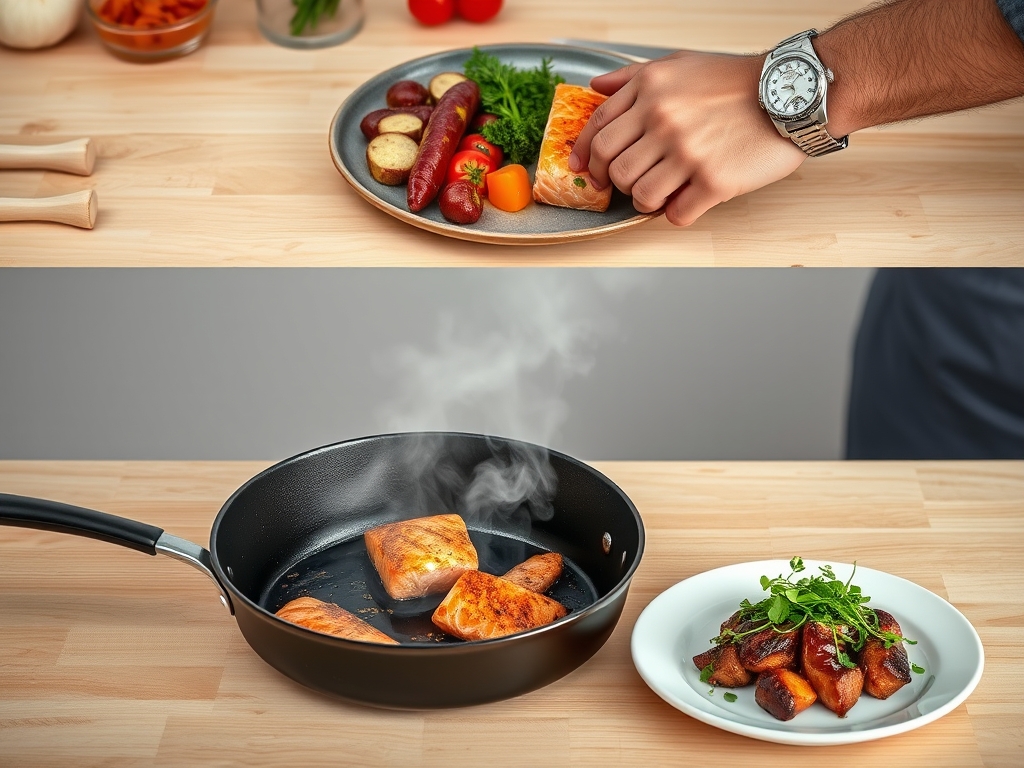
Use a paper towel to pat the salmon skin bone-dry. Use a sharp knife to score the skin lightly in three or four places, being careful not to cut into the flesh.
Pro Tip: This is about evaporation. Water is the enemy of the Maillard reaction; if the skin is damp, the fish will steam rather than sear. Scoring prevents the skin from curling as the collagen fibers contract under heat.
2. The Cold Seasoning
Season the skin side generously with flaky salt just seconds before it hits the pan. Do not season too early, or the salt will draw moisture out of the cells via osmosis, ruining your dry surface.
Pro Tip: Salt acts as a desiccant. By seasoning right before the sear, you maintain the structural integrity of the surface cells, leading to a more uniform, golden-brown crust.
3. The High-Heat Contact
Place the salmon skin-side down in the hot skillet. Use a flexible fish spatula to press down firmly for the first 30 seconds. This ensures the entire surface area of the skin makes contact with the heat.
Pro Tip: Pressing the fish prevents the natural "bowing" effect. This ensures even thermal distribution across the skin, avoiding soggy patches in the center of the fillet.
4. The Render Phase
Lower the heat slightly to medium-high and let the fish cook 80 percent of the way on the skin side. You will see the color change creeping up the side of the fillet as the heat moves through the protein.
Pro Tip: This is known as unidirectional cooking. By keeping the fish on its skin, you protect the delicate flesh from direct, aggressive heat, resulting in a much juicier interior.
5. The Flip and Infuse
Flip the salmon carefully using your tongs. Immediately add two tablespoons of butter, the smashed garlic, and the thyme to the pan. As the butter foams, tilt the pan and use a large spoon to bathe the skin in the hot, flavored fat.
Pro Tip: This is called "arroser." The hot butter creates a convection effect, finishing the top of the fish while infusing it with the fat-soluble compounds from the garlic and herbs.
6. The Carryover Rest
Remove the salmon from the pan when it is slightly under your desired doneness. Place it on a warm plate and let it rest for at least three minutes before serving.
Pro Tip: Thermal carryover is real. The internal temperature will continue to rise by 5 to 10 degrees after leaving the pan. Resting allows the muscle fibers to relax and reabsorb juices.
The Deep Dive
From a nutritional standpoint, this dish is a powerhouse of Omega-3 fatty acids and high-quality protein. A standard 6-ounce fillet provides roughly 34 grams of protein and is naturally low in carbohydrates, making it a staple for ketogenic and paleo lifestyles.
Dietary Swaps: For a vegan alternative, use "watermelon steaks" or thick-cut cauliflower, though the cooking times will vary significantly. For a gluten-free experience, ensure your seasonings are pure and avoid any cross-contamination in the pan.
The Fix-It:
- The Skin is Sticking: You likely tried to flip it too early. Protein "releases" naturally from the pan once the sear is complete. Wait another 30 seconds.
- The Butter is Burning: Your heat is too high. Add a splash of fresh oil to lower the temperature of the butter solids or pull the pan off the heat entirely for a moment.
- White Goo Appearing: This is albumin, a protein that leaches out when salmon is cooked too fast or too long. Lower your heat next time to keep the moisture locked in.
Meal Prep: To reheat salmon without it becoming rubbery, avoid the microwave. Use a toaster oven at 275 degrees with a splash of water in the tray to create a gentle steam environment. This preserves the "day-one" flake and moisture.
The Wrap-Up
Mastering the art of gordon ramsay salmon recipes ingredients is a rite of passage for any serious home cook. It is a lesson in patience, heat control, and the beauty of simple, high-quality components. When you hear that crunch and see the vibrant, pink center, you will know you have transitioned from a follower of recipes to a master of technique. Serve this with a crisp green salad or some crushed new potatoes, and enjoy the culinary victory.
The Kitchen Table
How do I get the skin extra crispy?
Ensure the skin is bone-dry using paper towels. Use a high smoke point oil and press the fillet down firmly with a spatula for the first 30 seconds of searing to ensure total contact with the pan.
Why does my salmon have white stuff on it?
That white substance is albumin, a liquid protein. It appears when salmon is cooked too quickly at excessively high temperatures, causing the muscle fibers to contract and squeeze the protein to the surface. Lower your heat to prevent this.
Can I use frozen salmon for this recipe?
Yes, but it must be completely thawed in the refrigerator first. Pat it extremely dry, as frozen fish tends to release more moisture. The texture may be slightly softer than fresh, but the technique remains the same.
What is the best pan for searing salmon?
A heavy-bottomed stainless steel or cast-iron skillet is best. These materials retain heat efficiently, ensuring a consistent sear and preventing the temperature drop that happens when the cold fish hits the metal surface.