
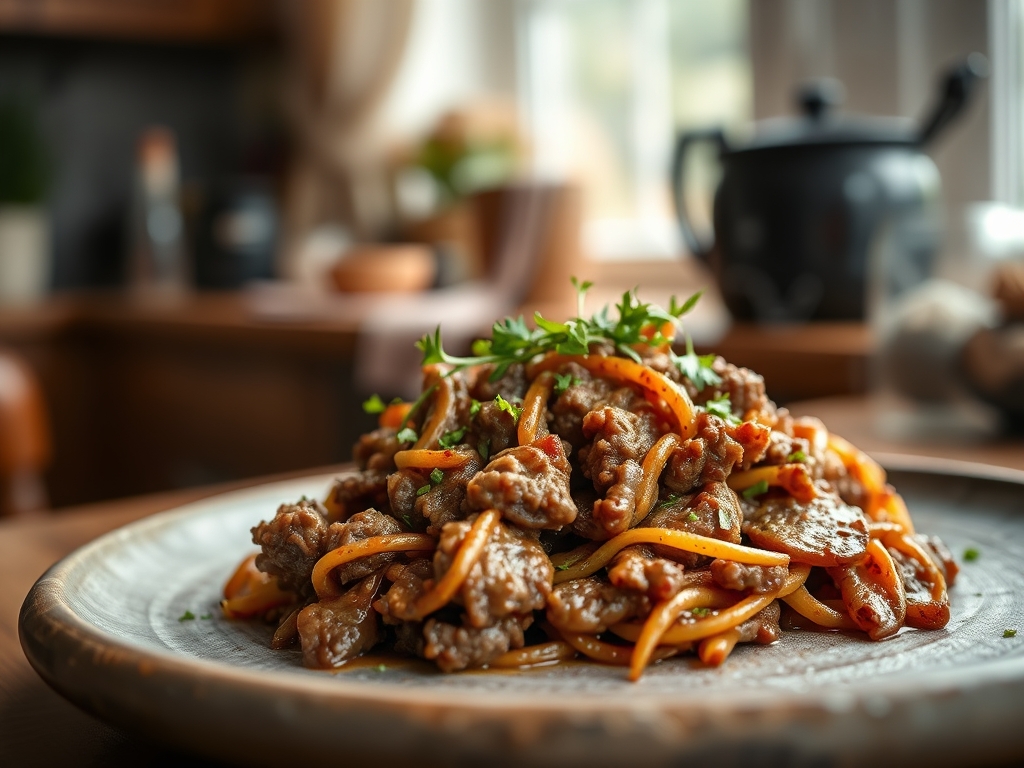
Sizzle is the universal language of a hungry kitchen. There is something deeply primal about the aroma of fat hitting a hot surface; it is the scent of comfort and high performance fuel combined. If you are navigating a low carb lifestyle, mastering keto friendly ground beef recipes is your ultimate culinary superpower for sustained energy.
The beauty of ground beef lies in its versatility. It is a blank canvas that carries bold spices and rich sauces with equal grace. Whether you are craving a piquant Mediterranean kofta or a viscous, cheese-laden skillet bake, the secret lies in the quality of your protein and the precision of your heat. We are moving beyond the basic burger patty. Today, we are diving into the molecular magic that transforms humble mince into a gourmet masterpiece. By understanding how to manipulate moisture and heat, you can create ten distinct flavor profiles that keep your palate excited while keeping your insulin levels stable.
Let us get one thing straight: fat is not just a macro; it is a flavor carrier. When you choose an 80/20 blend, you are ensuring that every bite is succulent and infused with depth. Get your heavy-bottomed skillet ready. We are about to turn your kitchen into a high-end bistro where the macros are perfect and the taste is even better.
The Gathers:
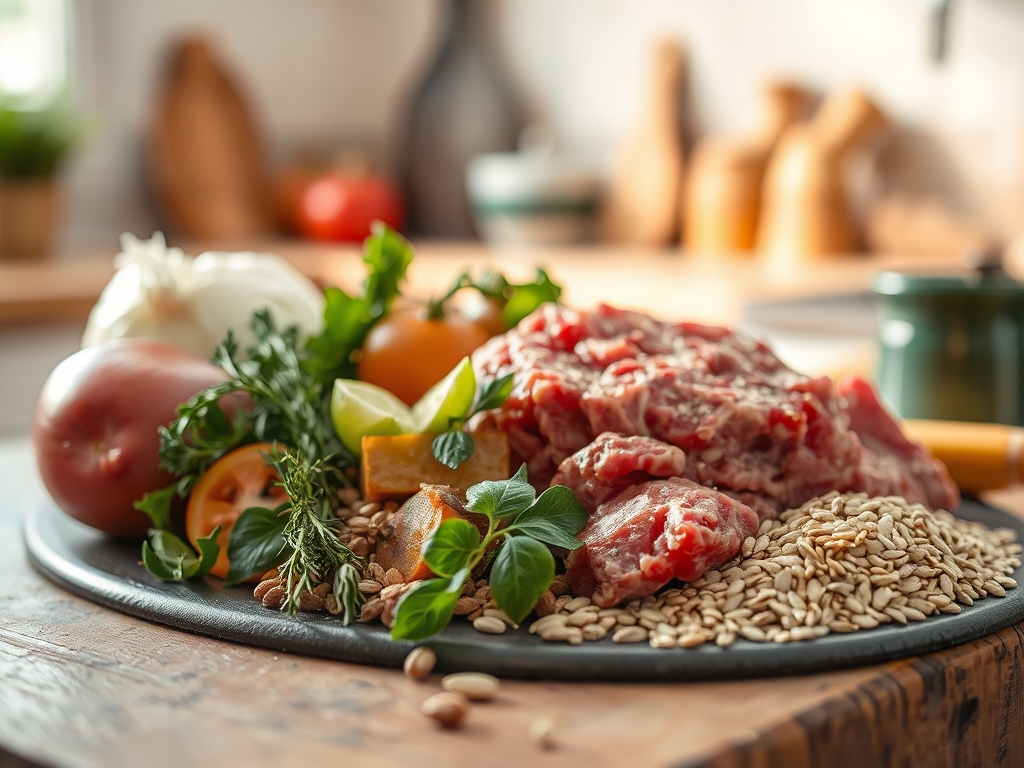
To execute these keto friendly ground beef recipes with precision, your mise-en-place must be impeccable. Start with high-quality grass-fed beef. It contains a superior ratio of Omega-3 fatty acids compared to grain-finished options. You will also need aromatic foundations: fresh garlic, shallots, and ginger. These are not just flavorings; they contain volatile oils that bloom when exposed to heat.
For your "Smart Substitutions," we are replacing traditional binders like breadcrumbs with almond flour or crushed pork rinds. These provide the necessary structural integrity without the glycemic spike. To achieve a viscous sauce without cornstarch, keep xantham gum or heavy cream nearby to emulsify your pan drippings.
Essential tools include a digital scale for precise macro tracking and a microplane for zesting citrus or grating hard cheeses like Pecorino Romano. A sturdy bench scraper is also vital for transferring chopped aromatics from your cutting board to the pan without losing a single morsel.
The Clock
The "Chef's Flow" is all about efficiency and thermal management. Most of these recipes require a 15-minute preparation window and a 20-minute active cook time. Total time from fridge to table is roughly 40 minutes.
The secret to a fast workflow is "sequential prepping." While your heavy-bottomed skillet preheats, you chop your aromatics. While the beef renders its fat, you whisk your sauces. This prevents downtime and ensures that your ingredients hit the pan at the optimal moment. Remember, ground beef cooks rapidly; overextending the cook time leads to cellular moisture loss, resulting in a grainy texture. We aim for the "just-done" stage where the proteins have coagulated but the juices remain trapped within the meat fibers.
The Masterclass
1. Achieve the Maillard Reaction
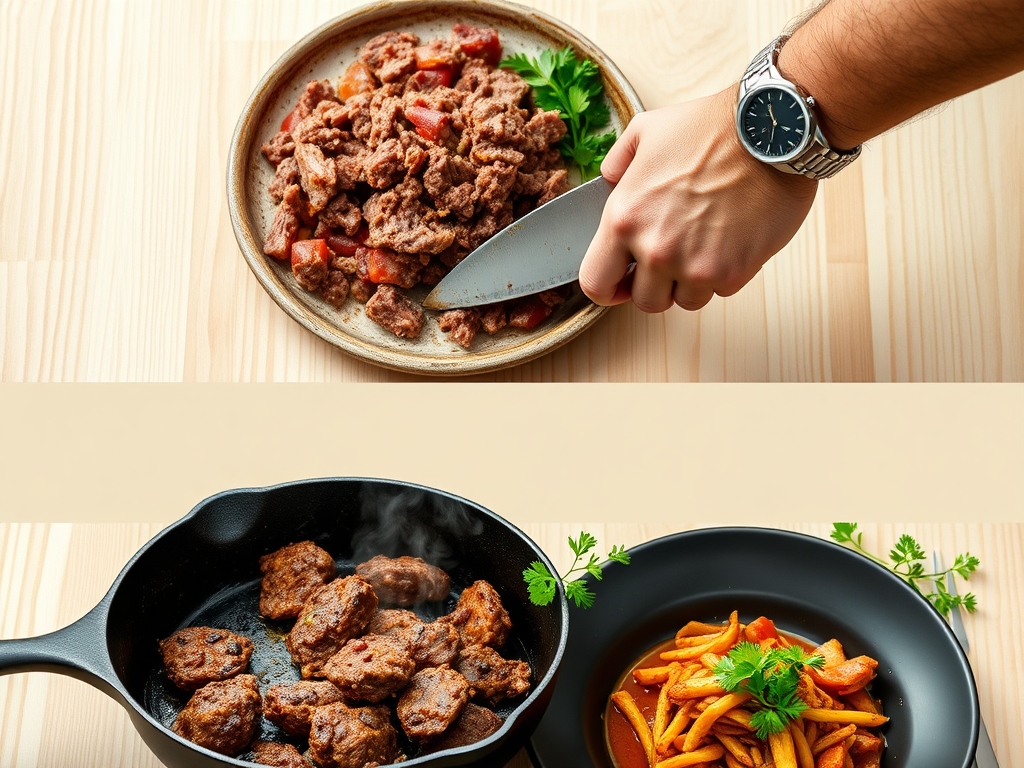
Place your beef in a screaming hot cast-iron skillet. Do not crowd the pan; this leads to steaming rather than searing. Let the meat sit undisturbed for three minutes to develop a deep brown crust.
Pro Tip: This is the Maillard Reaction, a chemical reaction between amino acids and reducing sugars that creates hundreds of different flavor compounds. If the meat is gray, you have failed to reach the necessary 285 degrees Fahrenheit.
2. Deglaze for Depth
Once the beef is browned, remove it and use a liquid like beef bone broth or a splash of dry red wine to lift the "fond" from the bottom of the pan. Use a wooden spatula to scrape up those caramelized bits.
Pro Tip: Deglazing uses solvent extraction to incorporate concentrated flavor molecules back into your sauce, ensuring no taste is wasted.
3. Emulsify the Sauce
Add your fats, such as butter or heavy cream, to the deglazed liquid. Whisk vigorously over medium heat until the mixture is glossy and coats the back of a spoon.
Pro Tip: This creates a stable emulsion where fat droplets are suspended in liquid. Adding a pinch of mustard powder can act as a natural emulsifier to keep the sauce from breaking.
4. Infuse with Aromatics
Add your garlic, herbs, and spices during the final minutes of cooking. This prevents the delicate volatile oils from evaporating or burning.
Pro Tip: This is known as layering flavors. Adding spices at different stages ensures both a deep "bass note" of flavor and a bright "treble" finish.
5. Rest for Moisture Retention
Once the dish is assembled, let it sit for five minutes before serving. This allows the internal temperature to stabilize.
Pro Tip: This accounts for thermal carryover. The internal temperature will rise by 5 degrees after leaving the heat. Resting allows the muscle fibers to relax and reabsorb juices.
The Deep Dive
Macro Nutrition
A standard serving of these keto friendly ground beef recipes typically yields 30g of protein, 22g of fat, and 3g of net carbs. This ratio is ideal for maintaining nutritional ketosis while supporting muscle protein synthesis.
Dietary Swaps
If you need a dairy-free version, swap heavy cream for full-fat coconut milk or cashew cream. For a vegan-adjacent twist for guests, finely minced mushrooms can be blended with the beef (a technique called "The Blend") to increase volume and fiber without sacrificing the meaty mouthfeel. All recipes are naturally gluten-free if you avoid processed spice blends containing maltodextrin.
The Fix-It
- The Greasy Skillet: If your sauce is separating, add a tablespoon of hot water and whisk violently. This re-establishes the emulsion.
- Tough Meat: If the beef feels rubbery, you likely over-salted it too early. Salt draws out moisture through osmosis. Next time, salt just before the meat hits the heat.
- Bland Flavor: If it tastes flat, it needs acidity. A squeeze of lemon or a teaspoon of apple cider vinegar will "brighten" the fats.
Meal Prep Science
When reheating, use a low-power setting on the microwave or a covered pan on the stove with a teaspoon of water. This creates a steam environment that prevents the fats from oxidizing and turning "warmed-over flavor," a technical term for lipid oxidation that creates a metallic taste.
The Wrap-Up
Mastering keto friendly ground beef recipes is about more than just following a list; it is about understanding the physics of the pan. You now have the tools to create ten different variations, from taco bowls to beef stroganoff, all using the same fundamental techniques. Keep your skillet hot, your spices fresh, and your fats high. Your kitchen is now a laboratory of flavor where health and indulgence coexist. Now, go grab those tongs and start searing!
The Kitchen Table
Why is my ground beef gray instead of brown?
Gray meat occurs when the pan is too cool or overcrowded. This causes the meat to steam in its own juices rather than sear. To fix this, cook in smaller batches and ensure your skillet is preheated until it wisps smoke.
Can I use frozen ground beef for keto recipes?
Yes, but you must thaw it completely in the refrigerator first. Excess ice crystals cause "purge," leading to moisture loss. Pat the meat dry with paper towels before cooking to ensure a proper Maillard crust and better flavor.
What is the best fat ratio for keto beef?
An 80/20 or 75/25 lean-to-fat ratio is ideal. The higher fat content provides the necessary calories for ketosis and ensures the meat remains succulent. Leaner blends often become dry and granular when cooked at high temperatures.
How do I thicken keto sauces without flour?
Use reduction, heavy cream, or a tiny amount of xanthan gum. Reduction evaporates water to concentrate solids. Xanthan gum acts as a stabilizer; however, use it sparingly (1/4 teaspoon) to avoid a gummy, "slug-like" texture in your sauces.