
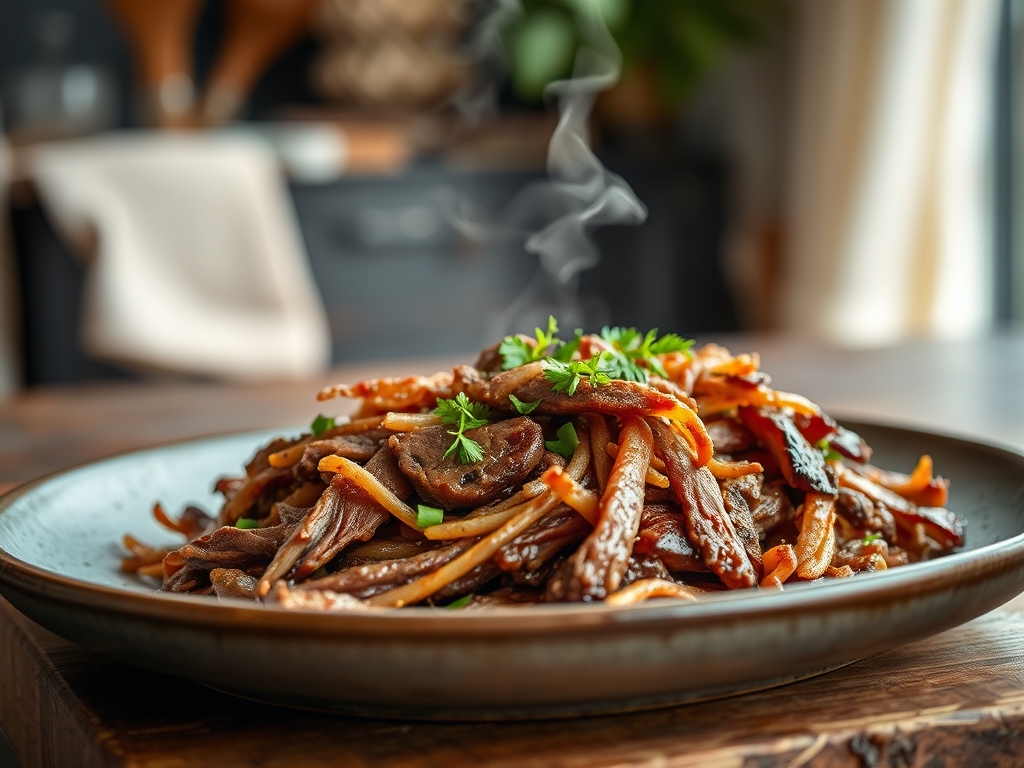
Imagine the scent of slow roasted brisket drifting through your kitchen; it is a rich, heavy perfume of caramelized onions and rendered fat that promises a meal worth the wait. When you are hunting for the best pulled beef recipes, you are not just looking for a dinner idea; you are looking for a transformation of a humble, tough cut of meat into silk. This is the alchemy of low and slow cooking. The connective tissue, known as collagen, undergoes a physical metamorphosis at around 160 degrees Fahrenheit, melting into gelatin to create that signature lip smacking mouthfeel. Whether you are tucking this succulent beef into a toasted brioche bun or folding it into a charred corn tortilla, the versatility is unmatched. We are going to master the foundational technique that makes these seven variations possible, ensuring every strand of fiber is infused with deep, savory complexity. Grab your heavy bottomed Dutch oven and a glass of wine; we are about to turn a three pound chuck roast into a week of culinary masterpieces.
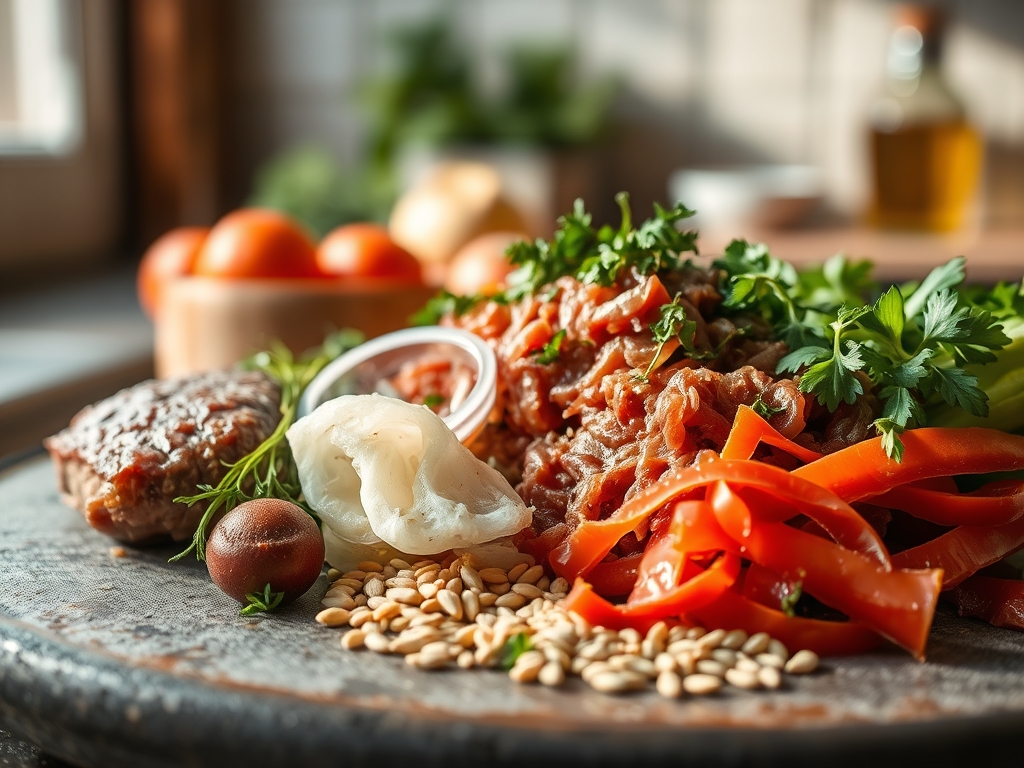
The Gathers:
To achieve professional results, your mise en place must be precise. Start with a high quality chuck roast or brisket. These cuts are high in intramuscular fat and connective tissue, which are essential for a moist final product. You will need a coarse kosher salt to assist in protein denaturing and freshly cracked black pepper for a piquant bite. For the braising liquid, gather a viscous beef bone broth, a splash of apple cider vinegar to provide acidity, and aromatics like smashed garlic cloves and sliced yellow onions.
Smart Substitutions: If you are avoiding alcohol, swap the traditional red wine deglazer for a tablespoon of balsamic vinegar mixed with beef stock. For a smoky profile without a grill, use a teaspoon of smoked paprika or a drop of liquid smoke. If you find yourself without a chuck roast, a bottom round roast works, though you may need to add a tablespoon of tallow or butter to compensate for the lower fat content. Always use a digital scale to measure your salt; it ensures consistency that volume measurements simply cannot provide.
The Clock
Efficiency in the kitchen is about the Chef's Flow. Your active prep time is a mere twenty minutes, focusing on searing and aromatic prep. The real work happens during the passive braising phase, which takes between six to eight hours on low heat in a slow cooker, or three to four hours in a 300 degree oven.
The Chef's Flow: Start by searing your meat while you chop your onions. By the time the meat has developed a dark crust, your aromatics are ready to hit the pan. This overlapping of tasks prevents "dead time" and keeps your kitchen momentum high. Remember to account for a thirty minute rest period after cooking; this is non negotiable for moisture retention.
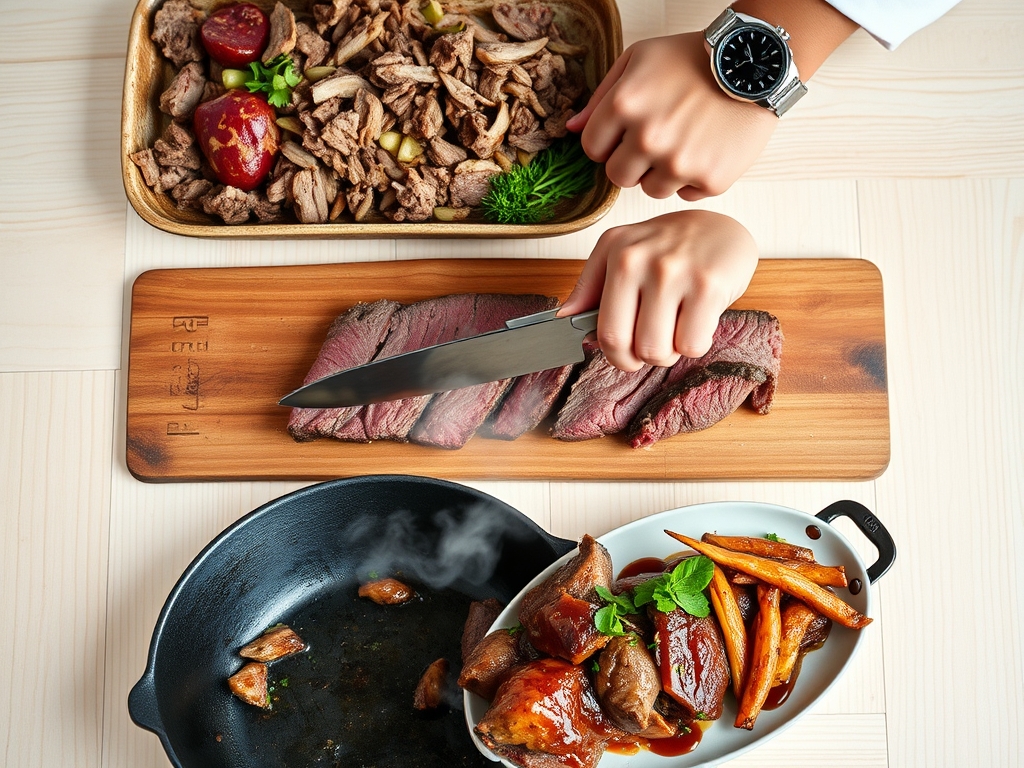
The Masterclass
1. The Maillard Sear
Pat the beef bone dry with paper towels. Any surface moisture will create steam, preventing the Maillard reaction. Heat a heavy bottomed skillet until it is shimmering, then sear the beef on all sides until a deep, mahogany crust forms.
Pro Tip: This browning is not just for color; it creates hundreds of different flavor compounds through enzymatic browning. If you skip this, your beef will lack the savory depth found in the best pulled beef recipes.
2. Deglaze and Infuse
Remove the meat and toss in your onions. Once they are translucent, pour in your liquid. Use a wooden spoon or a bench scraper to lift the "fond," those delicious brown bits stuck to the bottom of the pan.
Pro Tip: Deglazing is a chemical process where the liquid dissolves the caramelized proteins, incorporating them back into the sauce to create a more viscous and flavorful braising medium.
3. The Low and Slow Braise
Transfer everything to your cooking vessel. Ensure the liquid reaches halfway up the side of the meat. Cover tightly to create a pressurized steam environment.
Pro Tip: Maintaining a steady temperature prevents the muscle fibers from tightening too quickly. If the heat is too high, the moisture will be squeezed out before the collagen has a chance to liquefy.
4. The Shred and Rest
Once the meat is fork tender, remove it from the liquid. Let it rest on a cutting board for at least fifteen minutes before using two forks or a pair of sturdy tongs to pull it apart.
Pro Tip: This rest period allows for thermal carryover, where the internal temperature stabilizes and the fibers reabsorb the juices. Shredding too early results in a dry, "steamed" texture.
The Deep Dive
Macro Nutrition: A standard four ounce serving of pulled beef provides approximately 250 calories, 28 grams of protein, and 15 grams of fat. It is a powerhouse of Vitamin B12 and Zinc, making it as nutritious as it is delicious.
Dietary Swaps: For a Keto friendly version, ensure your braising liquid is free of added sugars or honey. For a Vegan "pulled" alternative, use canned young green jackfruit or king oyster mushrooms shredded with a fork; the cooking time will drop to thirty minutes. To keep it Gluten Free, use tamari instead of soy sauce if your recipe calls for an umami boost.
The Fix-It:
- Tough Meat: If it does not shred, it is undercooked. Put it back in for another forty five minutes. The collagen has not yet broken down.
- Too Salty: Add a peeled potato to the pot for the last thirty minutes to absorb excess sodium, or balance with a splash of lime juice.
- Greasy Sauce: Use a fat separator or chill the liquid so the fat hardens on top for easy removal.
Meal Prep: To maintain "day one" quality, store the beef in its own cooking juices. When reheating, use a saucier over medium low heat. The gelatin in the juices will melt, re hydrating the meat and preventing that "leftover" taste.
The Wrap-Up
Mastering the art of pulled beef is like unlocking a secret level in your culinary journey. Once you have that tender, flavorful base, you are ready to explore the seven ways to enjoy it: from classic BBQ sandwiches and street tacos to beef ragu over pappardelle or a protein packed breakfast hash. The key is patience and respect for the science of the sear. You have the tools, the technique, and the wit to turn a simple roast into a legendary feast. Now, get in that kitchen and make something incredible!
The Kitchen Table
Why is my pulled beef tough?
Toughness usually indicates the collagen hasn't fully converted to gelatin. This happens if the meat is undercooked or cooked at too high a temperature. Continue simmering until the fibers separate easily with a gentle tug from a fork.
Can I overcook pulled beef?
Yes, eventually the muscle fibers will break down so much that the meat becomes mushy rather than stringy. For the best results, check for "fork tenderness" every thirty minutes once you hit the three hour mark in the oven.
What is the best cut for pulled beef?
The chuck roast is the gold standard due to its high fat content and connective tissue. Brisket is a close second, though it can be slightly drier if not monitored closely during the long braising process.
How do I freeze pulled beef?
Freeze the beef in airtight containers submerged in its braising liquid. This prevents freezer burn and keeps the meat moist during the thawing process. It will stay fresh for up to three months in a standard freezer.