
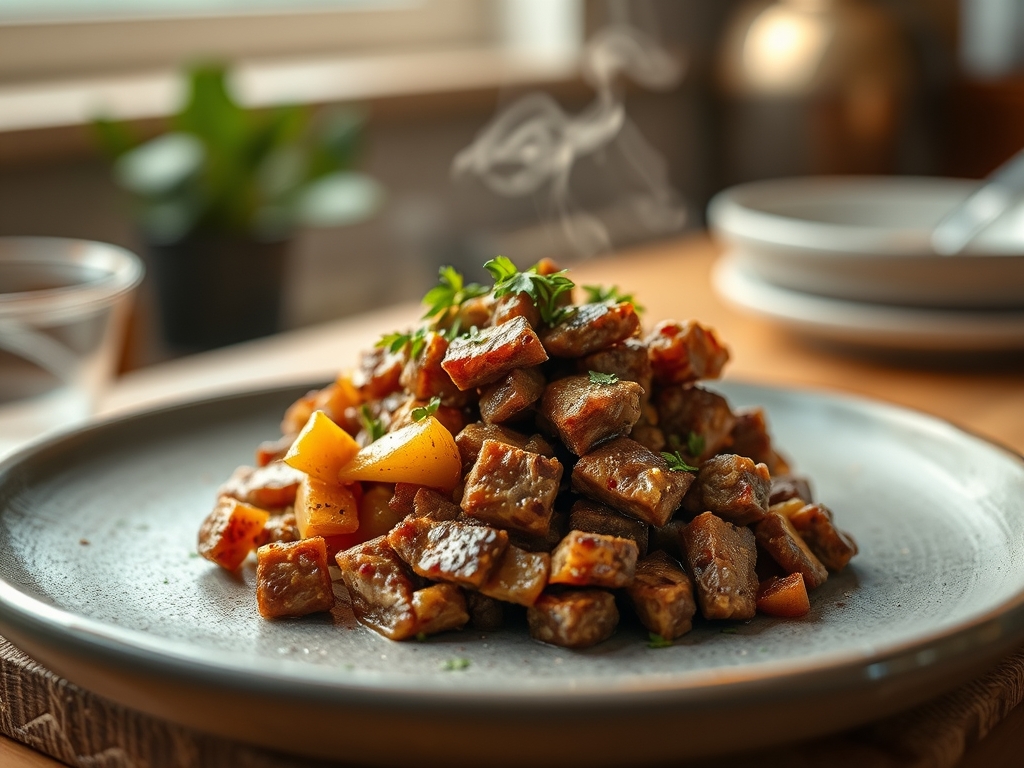
Picture the scene where a heavy-bottomed skillet hits the burner and the air begins to shimmer with heat. You drop in a handful of cubes; the sound is a sudden, aggressive sizzle that signals the start of the Maillard reaction. We are not just making food here; we are orchestrating a chemical transformation. Finding the perfect diced beef recipes for dinner is about more than just convenience. It is about mastering the art of the sear to turn humble protein into a savory masterpiece that anchors your evening.
Diced beef is the ultimate culinary chameleon. Whether you are craving a velvet-textured stroganoff or a piquant Korean stir-fry, the geometry of the cube allows for maximum surface area. More surface area means more browning, and more browning means a deeper, more complex flavor profile. We are moving past the days of tough, gray stew meat. By understanding the physics of heat transfer and the biology of muscle fibers, you can turn these small bites into the most sophisticated meal of your week. Grab your favorite apron and a sharp chef's knife; we are about to elevate your dinner game with scientific precision and a little bit of kitchen magic.
The Gathers:
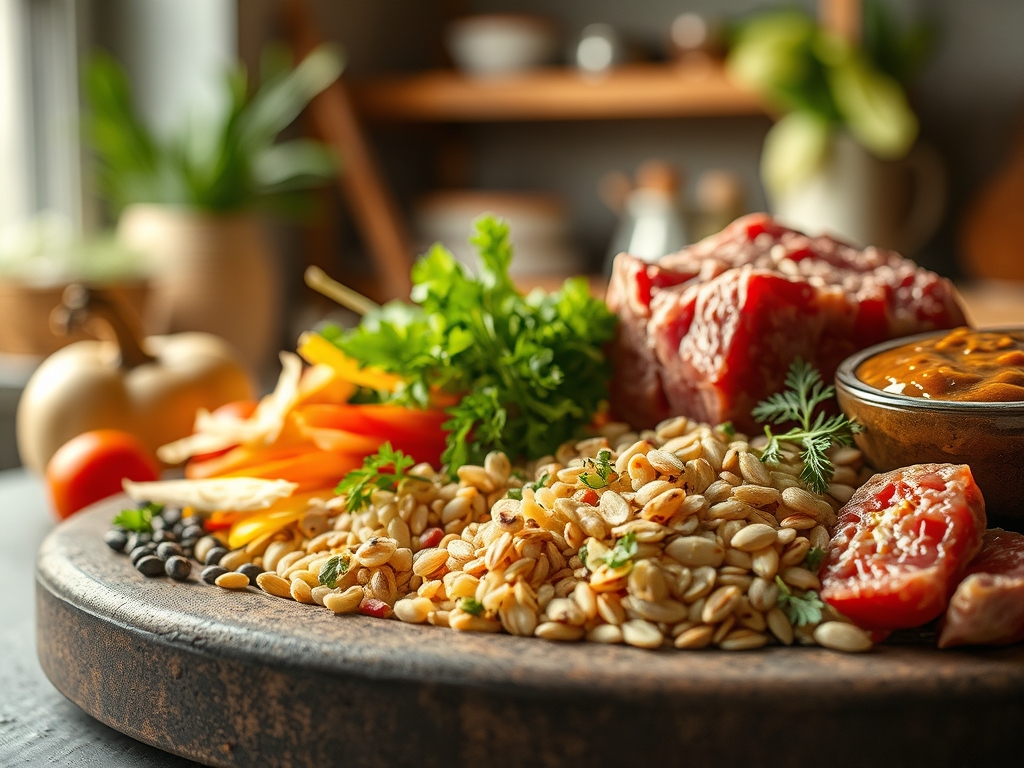
To execute these diced beef recipes for dinner, your mise-en-place must be impeccable. Start with the protein: look for chuck eye or top sirloin with visible intramuscular fat. This marbling is essential; as the fat melts, it lubricates the muscle fibers, preventing the meat from becoming desicated during high-heat searing. Use a digital scale to ensure your portions are uniform, which guarantees that every piece reaches the ideal internal temperature simultaneously.
Your aromatics should include fresh garlic and ginger, prepped with a microplane to create a fine paste that integrates seamlessly into sauces. For the liquid base, high-quality bone broth provides a viscous mouthfeel due to its gelatin content. If you are looking for smart substitutions, consider using tamari instead of soy sauce for a gluten-free depth of flavor, or swap heavy cream for coconut milk to add a subtle sweetness while maintaining a luxurious emulsion. Always have a bench scraper handy to move your chopped vegetables from the board to the pan without losing a single drop of precious juice.
The Clock: Timing Your Chef's Flow
Efficiency in the kitchen is about managing the Chef's Flow, which is the logical sequence of tasks that minimizes downtime. Total prep for these recipes generally spans 20 minutes, while active cooking time ranges from 15 minutes for stir-fries to 45 minutes for braised dishes.
The secret is to utilize the "dead time" while the pan preheats. Use those five minutes to aerate your flour for dredging or to whisk your sauce components. Remember that beef should never go from the refrigerator directly into the pan. Allowing the meat to sit at room temperature for 15 minutes reduces the thermal shock, ensuring the exterior browns before the interior overcooks. This synchronization of prep and heat management is what separates a home cook from a culinary professional.
The Masterclass:
1. The Critical Sear
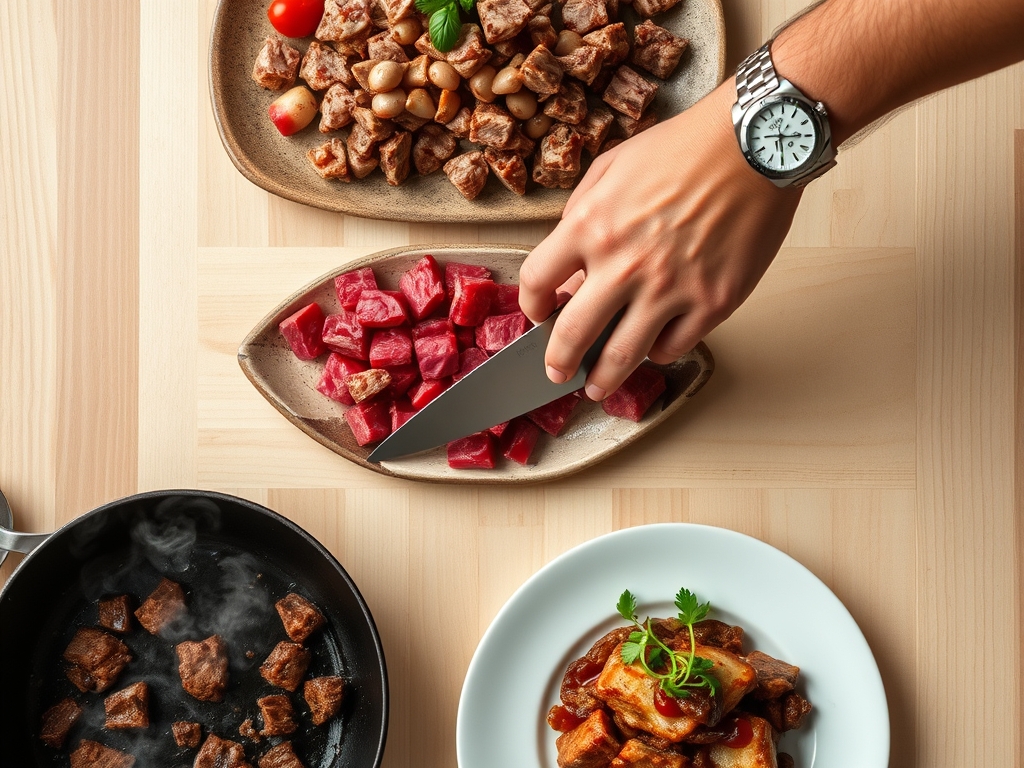
Pat the beef dry with paper towels to remove surface moisture. Use tongs to place the meat in a shimmering layer of high-smoke-point oil. Do not crowd the pan; work in batches to maintain a high temperature.
Pro Tip: This prevents evaporative cooling. If the pan is too full, the moisture released from the meat cannot evaporate fast enough, causing the beef to steam in its own juices rather than brown through the Maillard reaction.
2. Deglazing the Fond
Once the meat is removed, you will see brown bits stuck to the bottom of the skillet. Pour in a splash of wine or stock and use a wooden spoon to scrape them up.
Pro Tip: This process captures the concentrated flavor compounds created during searing. This liquid becomes the backbone of your sauce, adding an umami-rich complexity that cannot be replicated with salt alone.
3. Infusing Aromatics
Lower the heat and add your minced garlic, shallots, or spices. Stir constantly for about 60 seconds until the scent fills the kitchen.
Pro Tip: This is called blooming. Many flavor compounds in spices are fat-soluble. By heating them in oil, you unlock their aromatic potential and ensure the flavor is evenly distributed throughout the dish.
4. Building the Emulsion
Slowly whisk in your liquid components, such as broth or cream, using a saucier for better whisking angles. Bring the mixture to a gentle simmer, not a rolling boil.
Pro Tip: Maintaining a low simmer prevents the denaturation of proteins in dairy, which can cause sauces to break or curdle. A stable emulsion results in a silky, professional finish.
5. The Return and Rest
Add the beef back into the sauce for the final few minutes of cooking. Once finished, let the dish sit for three minutes before serving.
Pro Tip: This accounts for thermal carryover. The internal temperature will continue to rise slightly even after the heat is off, while the resting period allows the muscle fibers to relax and reabsorb the flavorful juices.
The Deep Dive:
When we look at the Macro Nutrition of these diced beef recipes for dinner, we see a powerhouse of bioavailable iron, zinc, and Vitamin B12. A standard 4-ounce serving of lean diced beef provides roughly 25 grams of protein with minimal carbohydrates. To keep it Keto-friendly, focus on fats like avocado oil and avoid starch-based thickeners. For a Vegan swap, high-protein seitan or extra-firm tofu can be treated with the same searing techniques, though the cook time will be shorter.
The Fix-It: Technical Troubleshooting
- Tough Meat: This usually means the connective tissue did not have enough time to break down. Fix it by adding a splash of acid (vinegar or lemon juice) and simmering on low for an extra 10 minutes.
- Bland Sauce: The dish likely lacks acidity or salt. A teaspoon of piquant Dijon mustard or a squeeze of lime can brighten the entire flavor profile instantly.
- Broken Sauce: If your cream sauce separates, whisk in a tablespoon of warm water or a small pat of cold butter to re-emulsify the fats.
For Meal Prep, the science of reheating is vital. To maintain "day-one" quality, reheat the beef gently on the stovetop rather than in the microwave. Microwaves vibrate water molecules rapidly, which can lead to "rubbery" protein. A low heat on the stove preserves the structural integrity of the meat and the viscosity of the sauce.
The Wrap-Up:
Mastering diced beef recipes for dinner is your ticket to becoming the most confident cook in your circle. It is about understanding that every sizzle, every deglaze, and every rest period serves a biological and chemical purpose. You are not just following a recipe; you are manipulating heat and texture to create something truly soul-warming. So, the next time you see a package of stew meat or a beautiful sirloin tip, remember that you have the tools and the knowledge to turn it into a five-star meal. Now, go get that skillet screaming hot and show that beef who is boss!
The Kitchen Table:
What is the best cut for diced beef recipes?
Chuck roast is ideal for slow-cooking because its high collagen content transforms into silky gelatin. For quick stir-fries, choose top sirloin or flank steak, as these lean cuts stay tender during rapid, high-heat searing.
How do I stop diced beef from getting tough?
Avoid overcrowding the pan, which causes steaming. Salt the meat immediately before cooking to prevent moisture loss. Finally, always allow the beef to rest for several minutes after cooking to let the muscle fibers reabsorb their natural juices.
Can I freeze meals made with diced beef?
Yes, most diced beef dishes freeze exceptionally well. Ensure the meal is completely cool before sealing in an airtight container. This prevents ice crystal formation, which can damage the cellular structure of the meat and lead to a mushy texture.
Why should I pat the beef dry before searing?
Moisture is the enemy of the Maillard reaction. If the surface of the meat is wet, the heat energy is spent evaporating that water rather than browning the protein. Drying the beef ensures a crisp, flavorful, and golden-brown crust.