
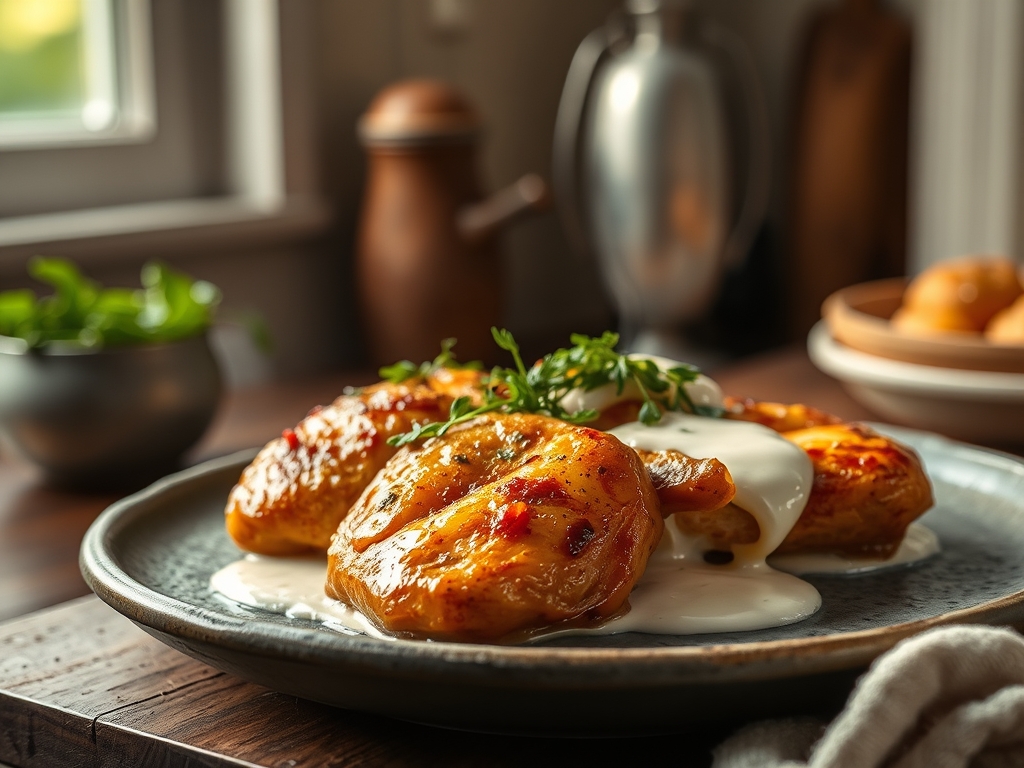
Imagine the sound of a heavy-bottomed skillet meeting a flame; that sharp, metallic ring is the opening bell for a culinary transformation. We are moving past basic pan-searing into the realm of true velvet textures. These chicken recipes with heavy cream are designed to bridge the gap between casual Tuesday dinners and high-end bistro standards.
The secret is not just the fat content. It is the way the proteins in the poultry interact with the lipids in the dairy to create a stable, luxurious emulsion. When you deglaze a pan with a splash of white wine and then swirl in that ivory liquid, you are performing a chemical ballet. You are capturing the fond; those caramelized bits of concentrated flavor; and suspending them in a viscous, golden sauce.
Whether you are craving a piquant lemon-caper reduction or a deep, earthy mushroom fricassee, these dishes rely on the same fundamental principles of heat management and fat integration. We are going to explore eight distinct variations that prove why this combination remains the undisputed heavyweight champion of comfort food. Grab your apron; we are about to make your kitchen smell like a Michelin-starred dream.
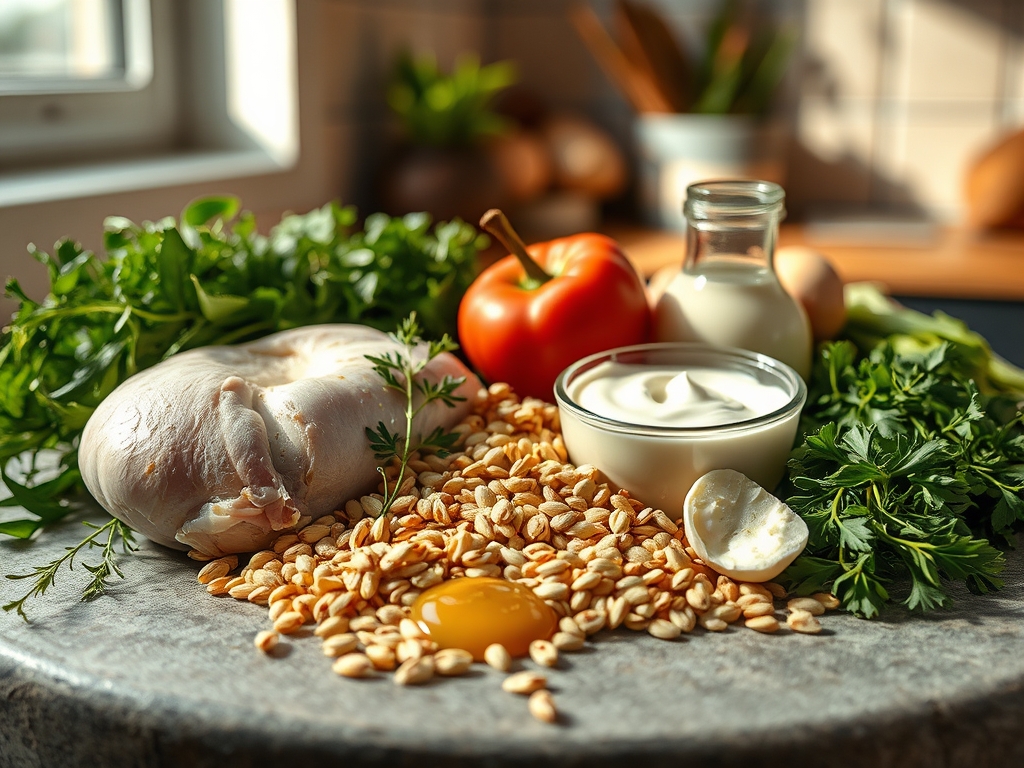
The Gathers:
To achieve the results you see in professional kitchens, your mise-en-place must be precise. Start with high-quality poultry. I prefer organic chicken thighs for their higher myoglobin content and intramuscular fat, which ensures they stay succulent during the reduction process. If you choose breasts, ensure they are even in thickness to prevent uneven thermal distribution.
Your heavy cream should be at least 36 percent milkfat. This high lipid concentration prevents the sauce from curdling when it encounters acidic elements like lemon juice or dry vermouth. For aromatics, use a microplane to zest citrus and grate garlic into a fine paste; this maximizes the surface area for flavor extraction. Fresh herbs like thyme and tarragon should be stripped from their woody stems and kept dry until the final moments of cooking to preserve their volatile oils.
Smart Substitutions: If you find yourself without heavy cream, do not reach for skim milk; it lacks the structural integrity to emulsify. Instead, whisk together whole milk and melted unsalted butter at a three-to-one ratio. For a dairy-free alternative that still offers a viscous mouthfeel, full-fat coconut cream is your best bet, though it will introduce a subtle tropical profile. If you need a lower-calorie option, Greek yogurt can work, but it must be whisked in off the heat to prevent the proteins from denaturing and clumping.
The Clock
Efficiency in the kitchen is about "Chef's Flow." This is the psychological state where your movements are synchronized with the thermal requirements of the food. Total prep time for these recipes averages twenty minutes, while active cook time spans thirty to forty minutes.
The flow begins with the sear. You cannot rush the Maillard reaction. Allow the chicken to develop a deep, mahogany crust for six to eight minutes before even thinking about the sauce. While the chicken rests, the sauce reduction happens in the same pan. This overlapping timeline ensures that the meat stays warm while the sauce reaches its peak viscosity. Total time from fridge to table is roughly one hour, making this the perfect window for a high-impact weeknight meal.
The Masterclass
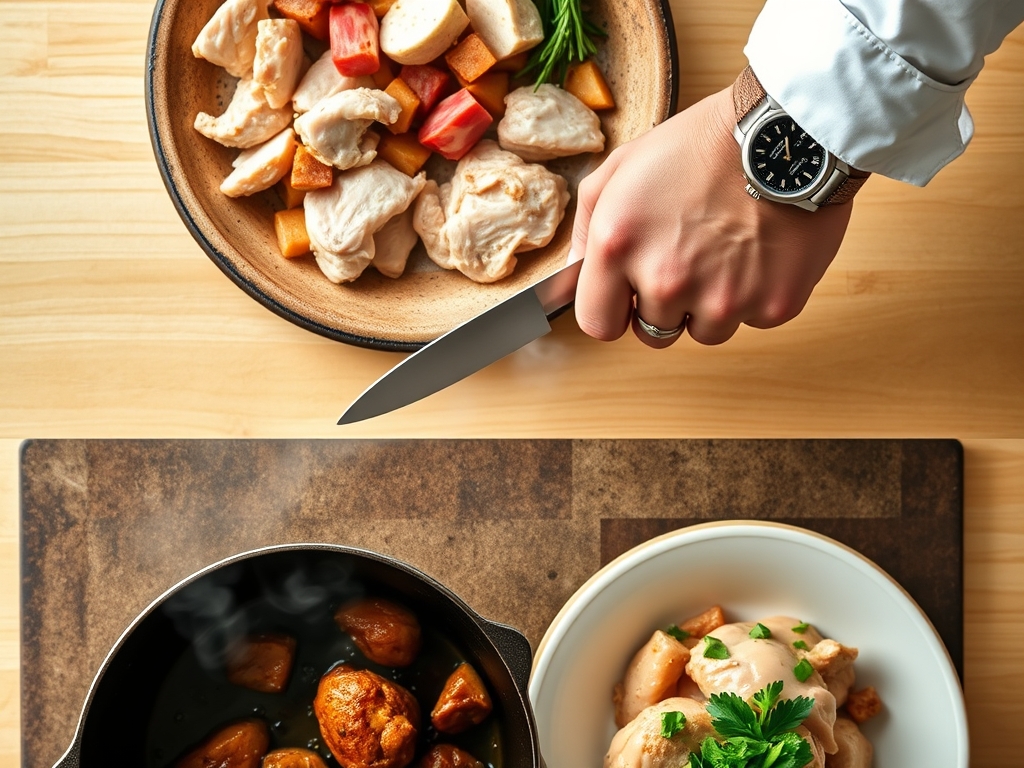
1. The Sear and Render
Place your chicken skin-side down in a cold, heavy-bottomed skillet, then turn the heat to medium-high. This allows the subcutaneous fat to render slowly, resulting in a glass-like crispness rather than a rubbery texture. Use stainless steel or cast iron; non-stick pans are the enemy of flavor because they inhibit the formation of fond.
Pro Tip: This technique utilizes the science of thermal carryover. By starting in a cold pan, you ensure the internal temperature rises gradually, preventing the muscle fibers from tightening too quickly and squeezing out essential moisture.
2. Deglazing the Fond
Once the chicken is removed and resting on a wire rack, the bottom of your pan will be covered in brown bits. Pour in a half-cup of dry white wine or chicken stock. Use a wooden spoon or a bench scraper to agitate these particles. This is where the soul of your sauce lives.
Pro Tip: Deglazing is a chemical process where the liquid acts as a solvent to dissolve the products of the Maillard reaction. These compounds are packed with umami and provide the savory "bass note" to your cream sauce.
3. The Aromatic Infusion
Lower the heat to medium and add your shallots, garlic, and herbs. Sauté them in the residual chicken fat until they are translucent and fragrant. Do not let them brown; we are looking for a gentle infusion, not a bitter char.
Pro Tip: Fat is a flavor carrier. The essential oils in garlic and herbs are fat-soluble, meaning they will permeate the cream much more effectively if they are first bloomed in the rendered chicken fat.
4. The Cream Reduction
Pour in the heavy cream. Bring the mixture to a gentle simmer, never a rolling boil. Use a saucier or a whisk to keep the liquid moving. You want to reduce the volume by about one-third until the sauce coats the back of a spoon.
Pro Tip: As water evaporates, the fat globules and proteins become more concentrated. This increases the viscosity through a process called molecular friction, giving you that signature "velvet" mouthfeel.
5. Emulsifying the Acids
If your recipe calls for lemon juice or mustard, add it now. Whisk vigorously as you stream the acid into the cream. The high fat content of the heavy cream acts as a buffer, preventing the acid from curdling the proteins.
Pro Tip: This is the science of stabilization. The fats surround the protein molecules, protecting them from the low pH of the acid, which would otherwise cause them to bond together and create a grainy texture.
6. The Final Marriage
Return the chicken and any accumulated juices from the resting plate back into the skillet. Spoon the sauce over the meat and let it simmer for two minutes. This allows the flavors to penetrate the crust of the chicken.
Pro Tip: Those "rested juices" are pure liquid gold. They contain soluble proteins and salts that act as a natural thickener and flavor enhancer for your finished sauce.
7. Aerating for Lightness
Just before serving, give the sauce one final, vigorous whisk. This incorporates a small amount of air, making the sauce feel lighter on the palate despite its high caloric density.
Pro Tip: Aeration changes the way light hits the sauce, giving it a glossy, professional sheen. It also helps to distribute the heat evenly so every bite is at the perfect temperature.
8. The Finishing Touch
Garnish with fresh, cold herbs and a final grating of Parmesan or a crack of black pepper. The contrast between the hot sauce and the fresh garnish provides a sensory "pop" that elevates the dish.
Pro Tip: Cold garnishes provide a temperature contrast that triggers more sensory receptors on the tongue. This makes the warm, creamy elements of the dish taste even richer.
The Deep Dive
When we look at the macro nutrition, these chicken recipes with heavy cream are undeniably high-fat, making them a staple for Keto enthusiasts. A standard serving contains roughly 35 grams of protein and 40 grams of fat, with minimal carbohydrates depending on your choice of aromatics.
Dietary Swaps: To make this Gluten-Free, ensure your chicken stock is certified and avoid using flour as a thickener; the reduction method is naturally GF. For a Vegan version, use pan-seared oyster mushrooms instead of chicken and a base of cashew cream or silken tofu blended with nutritional yeast.
The Fix-It:
- Broken Sauce: If the fat separates, whisk in a tablespoon of very hot water or an extra splash of cold cream to re-emulsify the mixture.
- Too Salty: Do not add sugar. Instead, add a squeeze of lemon or a splash of vinegar. The acid cuts through the perception of salt.
- Grainy Texture: This usually means the heat was too high. Strain the sauce through a fine-mesh sieve and whisk in a knob of cold butter to smooth it out.
Meal Prep: To reheat, avoid the microwave. The high intensity will cause the cream to break and turn oily. Instead, place the chicken and sauce in a small pan over low heat. Add a teaspoon of water and cover with a lid. This creates a steam-oven effect that restores the "day-one" silkiness.
The Wrap-Up
Mastering chicken recipes with heavy cream is a rite of passage for any home cook looking to level up. It is about understanding the delicate balance between heat, fat, and acid. Once you have these eight variations in your repertoire, you will find yourself reaching for that heavy-bottomed skillet with a new sense of confidence. Cooking is chemistry, but eating is pure joy. Now, go forth and emulsify!
The Kitchen Table
Can I use half-and-half instead of heavy cream?
You can, but the lower fat content increases the risk of curdling. To prevent this, temper the half-and-half by adding a little hot sauce to it before pouring it into the pan, and never let it reach a full boil.
How do I get the chicken skin crispy in a cream sauce?
Sear the chicken thoroughly until the skin is glass-like. When adding it back to the sauce, place it skin-side up and avoid submerging the top. This keeps the skin dry and crisp while the bottom soaks up the flavor.
What is the best wine for deglazing cream sauces?
A dry, high-acid white wine like Sauvignon Blanc or Pinot Grigio is ideal. The acidity cuts through the richness of the cream, while the citrus notes brighten the savory profile of the chicken and aromatics.
Why did my cream sauce turn out thin?
It likely needed more reduction time. If you are in a rush, whisk a teaspoon of cornstarch into a tablespoon of cold water to create a slurry. Stir this into the simmering sauce for an instant structural boost.
Can I freeze chicken in cream sauce?
It is not recommended. Dairy-based sauces often undergo structural changes when frozen, resulting in a grainy or separated texture upon thawing. These dishes are best enjoyed fresh or stored in the refrigerator for up to three days.