
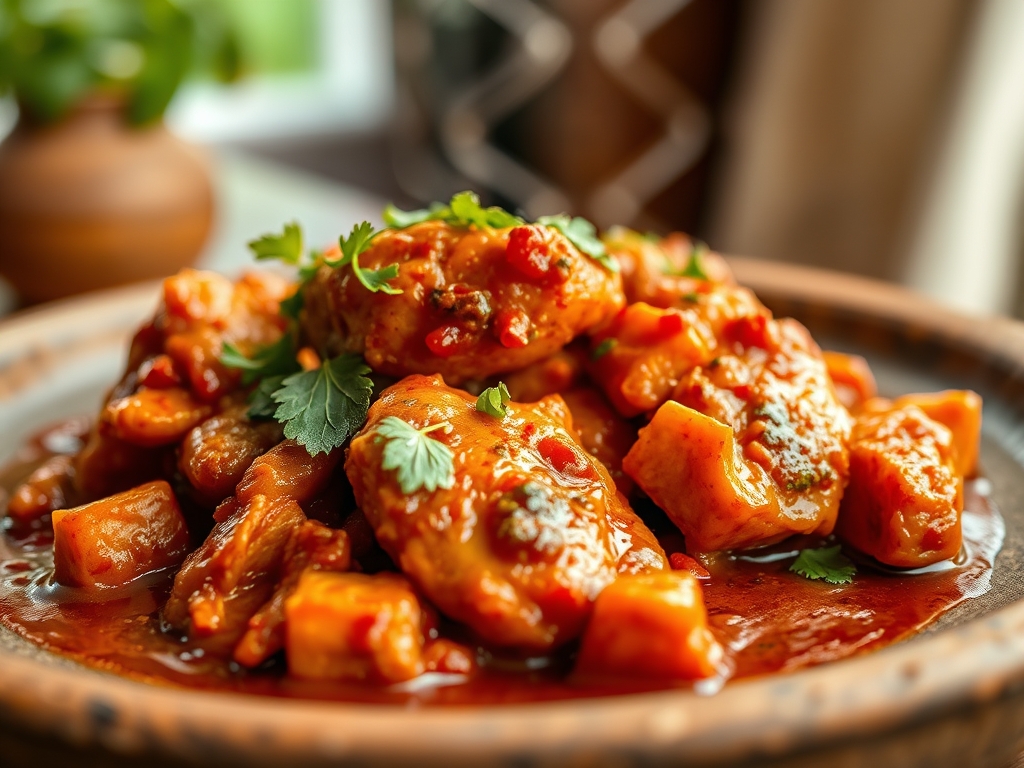
Picture the sound of a heavy bottomed skillet hitting a high flame; it is a sharp, metallic ring that signals the start of something transformative. The air in your kitchen begins to shimmer with the scent of toasted aromatics as you prepare to master the most addictive chilli chicken recipes in your repertoire. We are chasing that perfect balance of heat and sweetness.
The secret to a world class dish is not just the heat; it is the chemistry of the sear. When chicken thighs hit a screaming hot surface, the Maillard reaction begins to rearrange amino acids into hundreds of complex flavor compounds. This is where we bridge the gap between a soggy takeout imitation and a restaurant quality masterpiece. By understanding the molecular dance between capsaicin and sugars, you can turn a humble bird into a piquant obsession.
Whether you prefer the dry, crispy crunch of a classic Indo Chinese variant or the viscous, glossy coating of a honey glazed version, these chilli chicken recipes are your blueprint for flavor dominance. We are going to dive deep into the mechanics of velveting, the physics of emulsified sauces, and the art of the perfect toss. Grab your apron; we are about to turn up the temperature and refine your culinary intuition.
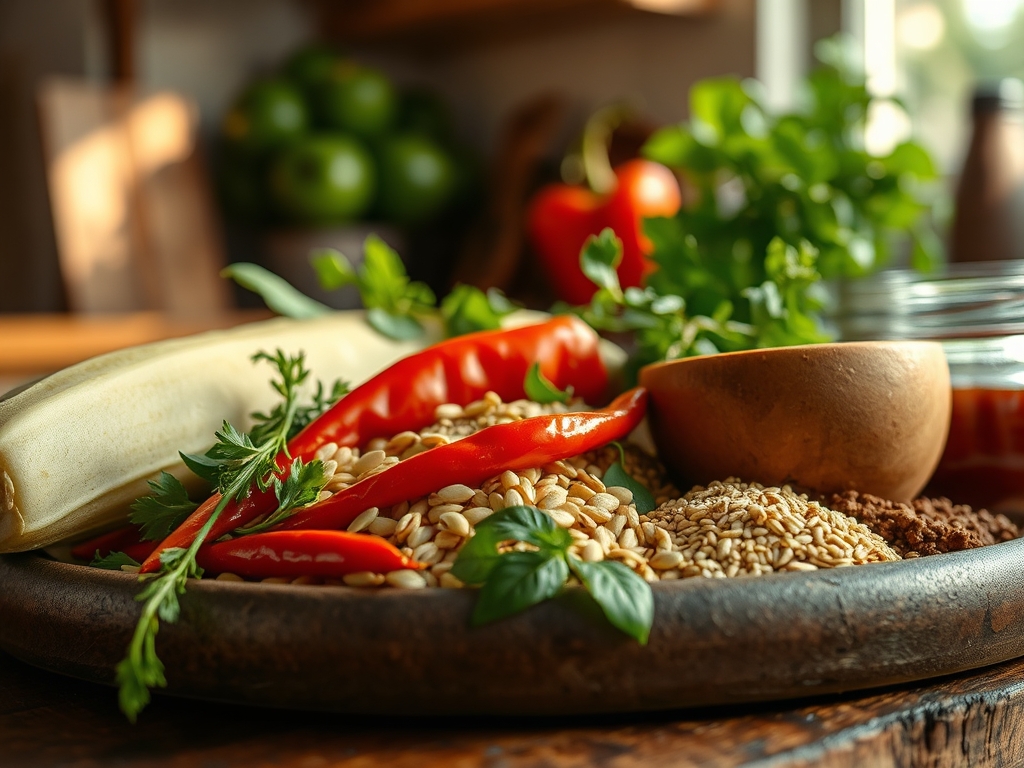
The Gathers:
Your mise-en-place is the foundation of a successful service. To execute these chilli chicken recipes with precision, you need to organize your workstation with a bench scraper and a digital scale. Precision matters when balancing the salinity of soy sauce against the acidity of rice vinegar.
Start with the protein. You want boneless, skinless chicken thighs for their higher fat content, which ensures the meat remains succulent after a high heat sear. For the aromatics, use a microplane to grate fresh ginger and garlic into a fine paste; this increases the surface area for maximum infusion into the oil. Your vegetable components, such as bell peppers and scallions, should be uniform in size to ensure even cooking during the rapid stir fry process.
Smart Substitutions:
If you are looking to lighten the profile, substitute chicken thighs with breast meat, but be prepared to pull them off the heat 5 degrees earlier to account for thermal carryover. For the heat, if fresh bird's eye chillies are too aggressive, a fermented sambal oelek provides a more complex, acidic kick. If you need a gluten free alternative, liquid aminos or tamari offer the same depth of umami without the wheat binders found in traditional soy sauce.
The Clock
Efficiency in the kitchen is about "Chef's Flow." This means grouping tasks to minimize downtime. For these chilli chicken recipes, expect a 20 minute prep window and a lightning fast 10 minute cook time. The goal is to have every ingredient measured and within arm's reach before the first drop of oil hits the pan.
The flow begins with the marinade. Allow the chicken to velvet for at least 15 minutes while you chop your vegetables. This chemical tenderization happens while you focus on your sauce emulsion. Once the skillet is smoking, the actual cooking process is a high speed choreography of tossing and glazing. If you prep in batches, you can execute a four person meal in under half an hour without breaking a sweat.
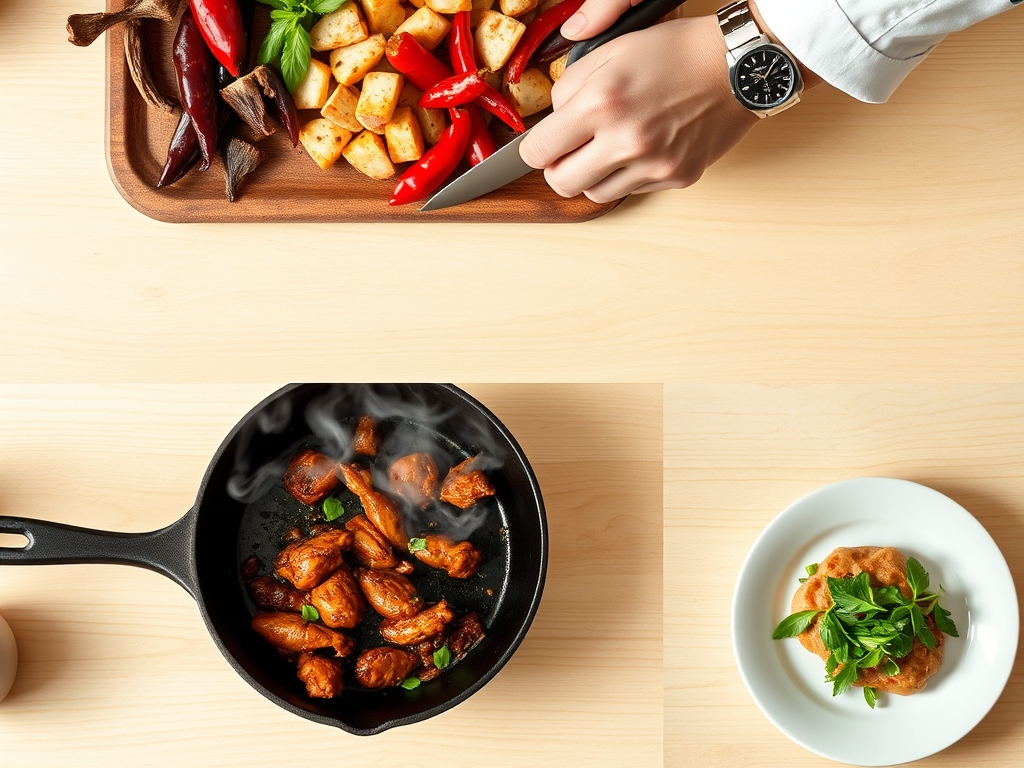
The Masterclass
1. Velveting the Protein
The first step in professional chilli chicken recipes is velveting. Coat your chicken pieces in a mixture of cornstarch, egg white, and a splash of rice wine. This creates a protective barrier that prevents the proteins from toughening under intense heat.
Pro Tip: This technique relies on starch gelatinization. The coating traps moisture inside the muscle fibers, ensuring the chicken remains silky rather than stringy when exposed to the 400 degree surface of your skillet.
2. The High Heat Sear
Use a high smoke point oil like peanut or grapeseed. Place the chicken in a single layer using tongs to ensure maximum contact. Do not crowd the pan; crowding drops the temperature and causes the meat to steam in its own juices rather than sear.
Pro Tip: Avoid moving the meat for the first 90 seconds. This allows for enzymatic browning, creating a crust that provides a structural contrast to the eventual sauce.
3. Infusing the Aromatics
Push the chicken to the perimeter of the pan and drop your ginger, garlic, and chillies into the center. Use a silicone spatula to stir them rapidly until they become fragrant but not burnt.
Pro Tip: Aromatics are fat soluble. By frying them briefly in the rendered chicken fat and oil, you are creating a flavored base that carries the piquant notes through the entire dish.
4. Deglazing and Emulsifying
Pour in your pre-mixed sauce. Use the liquid to deglaze the pan, scraping up any browned bits (fond) from the bottom. These bits are concentrated flavor bombs that add depth to your chilli chicken recipes.
Pro Tip: The cornstarch in the sauce acts as an emulsifier. As the liquid reaches a boil, the starch granules swell and thicken, binding the oil and water based liquids into a glossy, viscous coating.
5. The Final Toss
Add your crisp vegetables at the very end. You want them to be warmed through but still retain their structural integrity and vibrant color. Toss everything vigorously to ensure every piece of chicken is encapsulated in the glaze.
Pro Tip: This is about "carryover cooking." The residual heat in the chicken will finish cooking the peppers in the 30 seconds it takes to plate the dish, preventing them from becoming mushy.
6. The Garnish Finish
Remove from heat and immediately top with fresh scallions and toasted sesame seeds. The contrast between the hot glaze and the cold, crisp greens provides a sensory "pop" that elevates the meal.
Pro Tip: Adding fresh herbs at the end preserves their volatile oils, which would otherwise evaporate under high heat, losing their bright, floral aroma.
The Deep Dive
When we look at the macro nutrition of these chilli chicken recipes, we see a high protein profile balanced by healthy fats. A standard serving contains roughly 35g of protein and 12g of fat. To make this Keto friendly, swap the cornstarch for xanthan gum and use a sugar free sweetener like monk fruit in the sauce. For a vegan twist, extra firm tofu or cauliflower florets work beautifully, though you must press the tofu first to remove excess moisture.
The Fix-It:
- Soggy Chicken: Your pan wasn't hot enough. Next time, wait for the oil to shimmer and wisps of smoke to appear before adding the meat.
- Too Salty: You likely over reduced the sauce. Fix this by adding a splash of unsalted chicken stock or a teaspoon of honey to balance the sodium.
- Burnt Garlic: You added the aromatics too early. Always add them after the meat is seared to protect their delicate sugars from carbonizing.
Meal Prep: To maintain "day-one" quality, store the sauce and chicken separately if possible. When reheating, use a saucier over medium heat with a tablespoon of water to loosen the glaze. Avoid the microwave if you want to preserve the texture of the coating.
The Wrap-Up
Mastering chilli chicken recipes is about more than just following a list of ingredients; it is about controlling the physics of your kitchen. By utilizing techniques like velveting and high heat emulsification, you have transformed basic components into a restaurant caliber feast. Remember, the best cooking is a mix of scientific precision and creative flair. Now, take these skills, fire up your stove, and show that skillet who is boss.
The Kitchen Table
How do I make my chilli chicken extra crispy?
The secret is a double fry or a high starch coating. Use a 50/50 mix of cornstarch and rice flour. This creates a more porous surface that stays crunchy even after being tossed in a viscous sauce.
Can I use chicken breast instead of thighs?
Yes, but be cautious of overcooking. Chicken breast lacks the intramuscular fat of thighs, so it dries out quickly. Slice it against the grain and use the velveting technique to keep it tender during the high heat sear.
What is the best oil for stir frying?
Choose an oil with a high smoke point like peanut, avocado, or grapeseed oil. These can withstand temperatures above 400 degrees Fahrenheit without breaking down or imparting a bitter, burnt flavor to your chilli chicken recipes.
How do I balance a sauce that is too spicy?
Capsaicin is soluble in fat and sugar. If your dish is too fiery, add a splash of sesame oil, a squeeze of lime juice, or an extra teaspoon of brown sugar to neutralize the heat on your palate.