
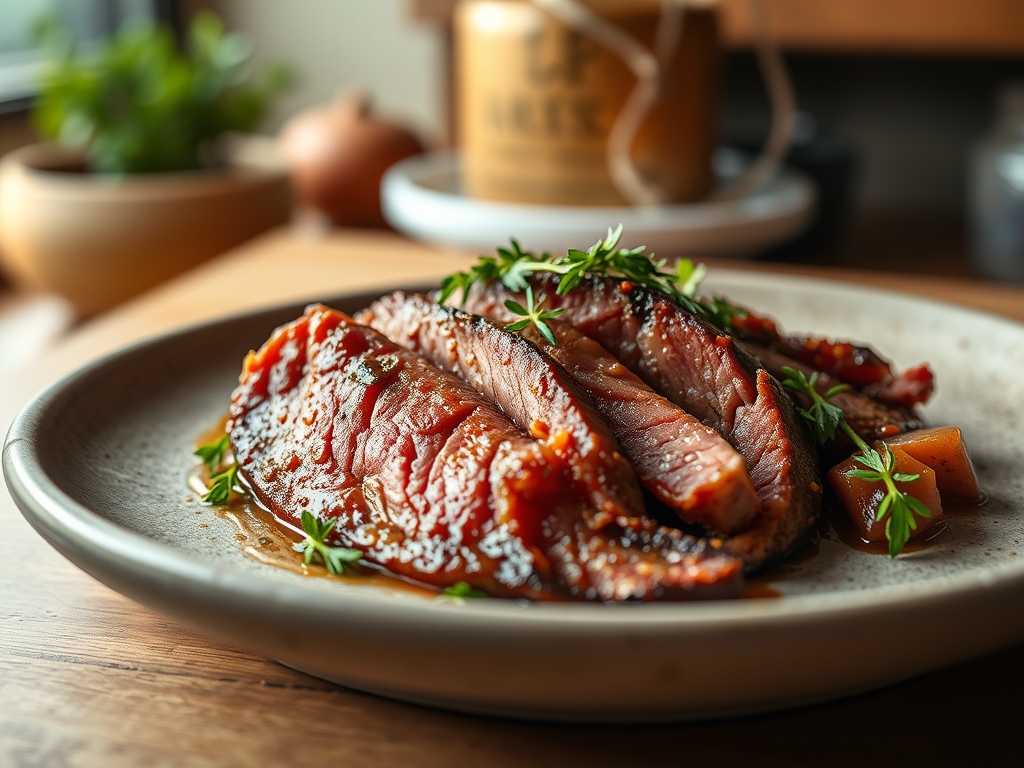
Imagine the scent of salt, clove, and slow-rendered fat lingering in your kitchen after a holiday feast. While the first meal is a triumph, the real magic lies in the cold, ruby-red brisket waiting in your refrigerator. Mastering cooked corned beef recipes is about more than just reheating; it is an exercise in molecular transformation.
We are moving far beyond the basic sandwich. We are talking about crispy textures, emulsified sauces, and the kind of umami-rich depth that only happens when cured proteins meet high heat. Whether you have a pound of leftovers or just a few stray slices, we are going to treat this meat like the culinary gold it is. Grab your favorite heavy-bottomed skillet and a sharp chef knife. We are about to turn yesterday's dinner into a series of five-star technical achievements that will make you wish you had made two briskets instead of one.
The Gathers:
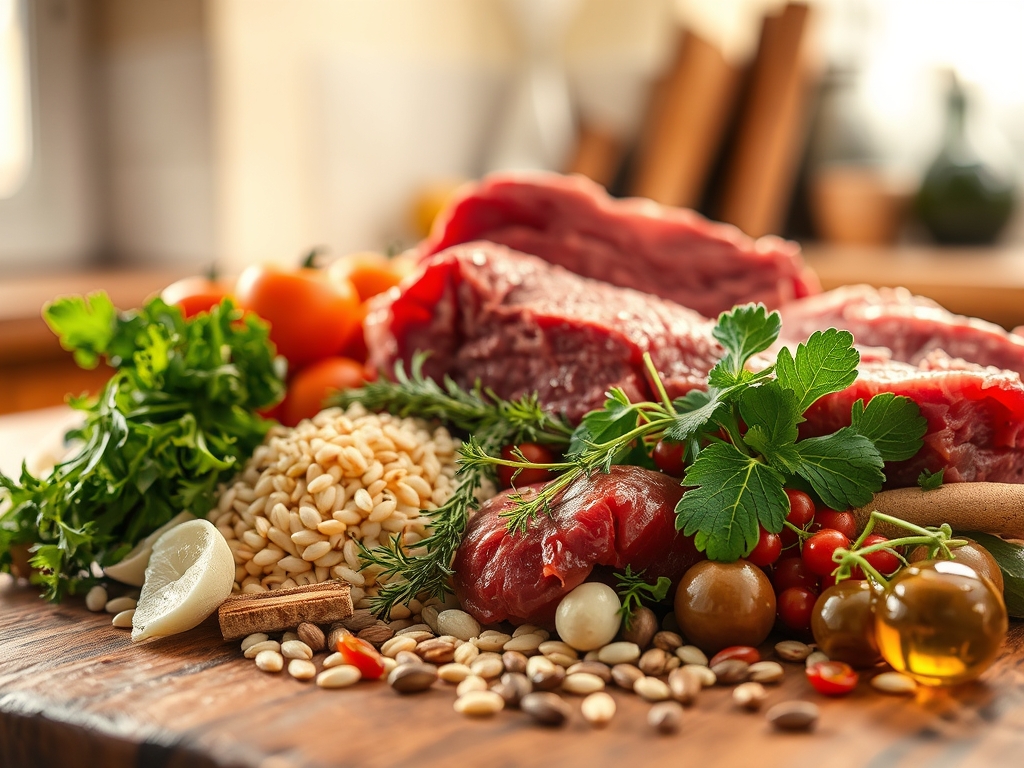
To execute these cooked corned beef recipes with precision, your mise-en-place must be impeccable. You will need your leftover brisket, chilled thoroughly to ensure clean, architectural cubes. Cold fat is easier to dice than warm, gelatinous fat. Gather high-starch Russet potatoes for maximum surface area crispness and piquant aromatics like shallots, garlic, and fresh horseradish. For the liquids, keep a high-quality beef bone broth and a viscous heavy cream nearby to facilitate silkier emulsions.
Smart Substitutions: If you are out of Russets, Yukon Golds offer a creamy interior but will require a longer sear to achieve a crust. No fresh horseradish? A dollop of Dijon mustard provides a similar sinus-clearing heat. If you find your brisket is particularly lean, keep a jar of duck fat or high-quality ghee on standby. These fats have high smoke points, allowing you to achieve the Maillard reaction without the acrid taste of burnt butter.
The Clock
Efficiency in the kitchen relies on "Chef's Flow," which is the art of overlapping tasks to minimize downtime. For these recipes, total active prep time sits at approximately 20 minutes, while cooking times vary from 10 to 30 minutes depending on the dish.
Start by dicing your cold proteins and vegetables first. This allows the meat to reach room temperature slightly, ensuring even heat distribution when it hits the pan. While your skillet preheats, use your bench scraper to organize your piles. By the time the pan is screaming hot, your ingredients are ready for their sequential entry. This prevents the "steaming effect" that occurs when you crowd a cold pan with too many room-temperature items at once.
The Masterclass
1. The Ultimate Crispy Hash
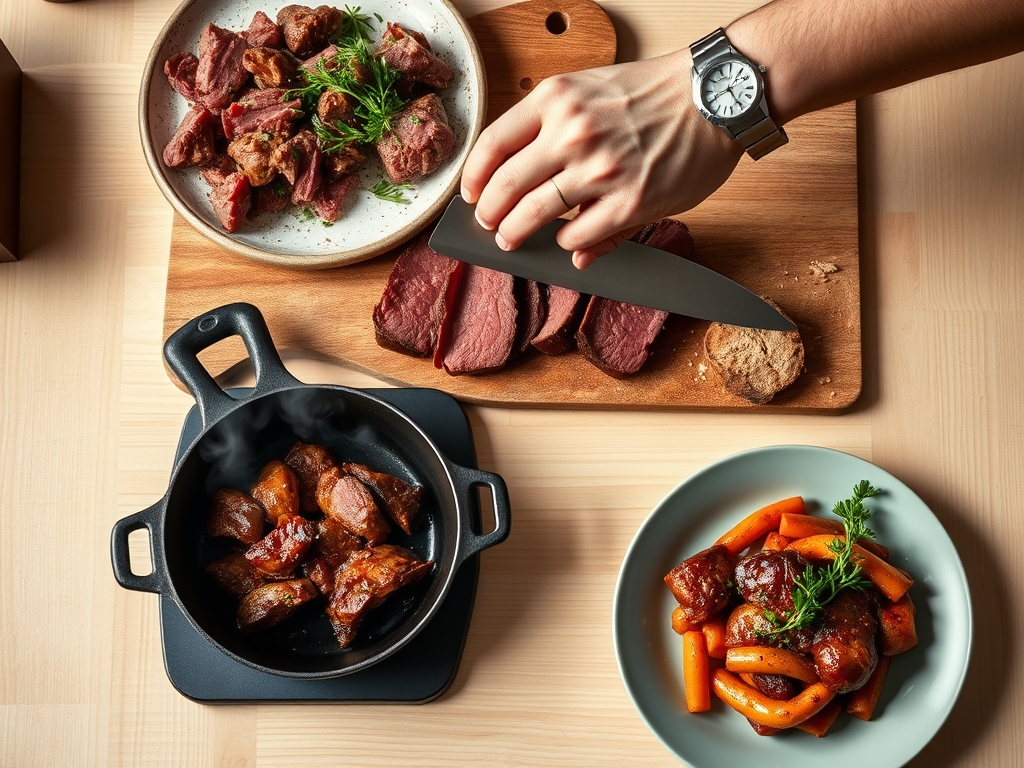
Dice your corned beef and par-boiled potatoes into uniform half-inch cubes. Heat duck fat in a cast-iron skillet until it shimmers. Add the potatoes first, letting them develop a golden crust before tossing in the beef and onions. Use a heavy spatula to press the mixture down, maximizing contact with the heat source.
Pro Tip: This relies on The Maillard Reaction. By pressing the hash down, you facilitate the chemical reaction between amino acids and reducing sugars. This creates the complex, savory flavors and the distinct brown crust that defines a professional-grade hash.
2. Corned Beef Carbonara
Whisk egg yolks with Pecorino Romano and black pepper in a small bowl. Sauté finely minced corned beef in a saucier until the edges are friable. Toss in al dente pasta and a splash of starchy pasta water. Remove from heat before swirling in the egg mixture to create a glossy, stable emulsion.
Pro Tip: This technique avoids Protein Denaturation. If the pan is too hot when the eggs are added, the proteins will clump and scramble. Residual heat alone is enough to cook the yolks into a creamy sauce without breaking the emulsion.
3. Piquant Brisket Tacos
Thinly shave the cold beef using a mandoline or a very sharp knife. Flash-sear the ribbons in a hot pan with a splash of lime juice to deglaze the fond. Serve in charred corn tortillas with a slaw of shredded cabbage and pickled radishes.
Pro Tip: The lime juice acts as a Deglazing Agent. The acidity dissolves the caramelized protein bits (fond) stuck to the bottom of the pan, incorporating that concentrated flavor back into the meat ribbons.
4. Reuben-Style Arancini
Incorporate finely chopped corned beef and sauerkraut into chilled risotto. Form into spheres with a cube of Swiss cheese in the center. Dredge in flour, egg wash, and panko before deep-frying until the cheese reaches its melting point.
Pro Tip: This utilizes Thermal Carryover. Even after the balls are removed from the oil, the internal temperature continues to rise for 1 to 2 minutes, ensuring the cheese center is fully molten without overcooking the exterior.
5. Creamy Corned Beef Chowder
Sauté mirepoix in a heavy-bottomed pot. Add flour to create a blond roux, then slowly whisk in bone broth and cream. Fold in cubed corned beef and simmer until the soup reaches a thick, viscous consistency. Season with plenty of cracked black pepper.
Pro Tip: The Roux Stability is key here. Cooking the flour and fat for two minutes removes the raw starch taste while ensuring the starch granules are coated in fat, which prevents clumping when the liquid is introduced.
6. The "Leftover" Benedict
Swap the traditional Canadian bacon for a thick, seared slab of corned beef. Top a toasted English muffin with the beef, a poached egg, and a liberal pour of hollandaise sauce spiked with horseradish.
Pro Tip: Use a Microplane to zest fresh horseradish over the top. The high surface area of the fine zest allows the volatile oils to release immediately, providing an aromatic punch that cuts through the richness of the hollandaise.
The Deep Dive
From a macro perspective, corned beef is a protein powerhouse, though it is high in sodium due to the curing process. To balance this, pair your recipes with high-potassium sides like spinach or avocado. For those following a Keto lifestyle, skip the potatoes and pasta, opting instead for cauliflower mash or zucchini noodles. Vegan friends can replicate the "corned" flavor profile by brining firm tofu or seitan in a mixture of pickling spices, beet juice for color, and liquid smoke.
The Fix-It:
- Meat is too salty: Simmer the diced beef in water for 5 minutes and drain before using in your recipe to leach out excess brine.
- Hash is soggy: You likely crowded the pan. Cook in batches to ensure the steam can escape, allowing the edges to crisp.
- Sauce is broken: If your cheese or egg sauce looks curdled, add a teaspoon of boiling pasta water and whisk vigorously to re-emulsify.
Meal Prep Science: To maintain "day-one" quality, reheat corned beef using gentle, indirect heat. A microwave often turns the fat rubbery. Instead, use a steamer basket for 3 minutes or a low-temperature oven (300°F) covered in foil with a tablespoon of broth to retain moisture.
The Wrap-Up
Transforming your leftovers into these sophisticated cooked corned beef recipes is the ultimate kitchen flex. By understanding the science of the sear and the mechanics of an emulsion, you turn a humble brisket into a gourmet rotation. Don't let those salty, savory slices sit lonely in the fridge; grab your tongs and start rendering. Your future self (and your brunch guests) will thank you for the culinary upgrade.
The Kitchen Table
Can I freeze cooked corned beef for later recipes?
Yes. Wrap it tightly in plastic wrap and then foil to prevent freezer burn. It stays high-quality for up to three months. Thaw in the refrigerator overnight before dicing to maintain the structural integrity of the muscle fibers.
How do I make the beef crispy without drying it out?
Use high heat and a short duration. By searing the exterior quickly in a preheated cast-iron skillet, you achieve the Maillard reaction on the surface while the interior remains succulent and tender.
What is the best way to cut leftover brisket?
Always slice against the grain. Look for the direction of the muscle fibers and cut perpendicular to them. This shortens the fibers, making every bite significantly more tender and easier to chew.
Is corned beef healthy for meal prepping?
It is an excellent source of protein and B12. However, because it is cured, it is high in nitrates and sodium. Balance your meal prep with plenty of fresh, fibrous vegetables and hydrate well.
Why does my corned beef turn gray?
Oxygen exposure causes the iron in the meat to oxidize. While it might look less appealing, it is usually safe to eat if it has been stored correctly. Keep it tightly sealed to retain that pink hue.