
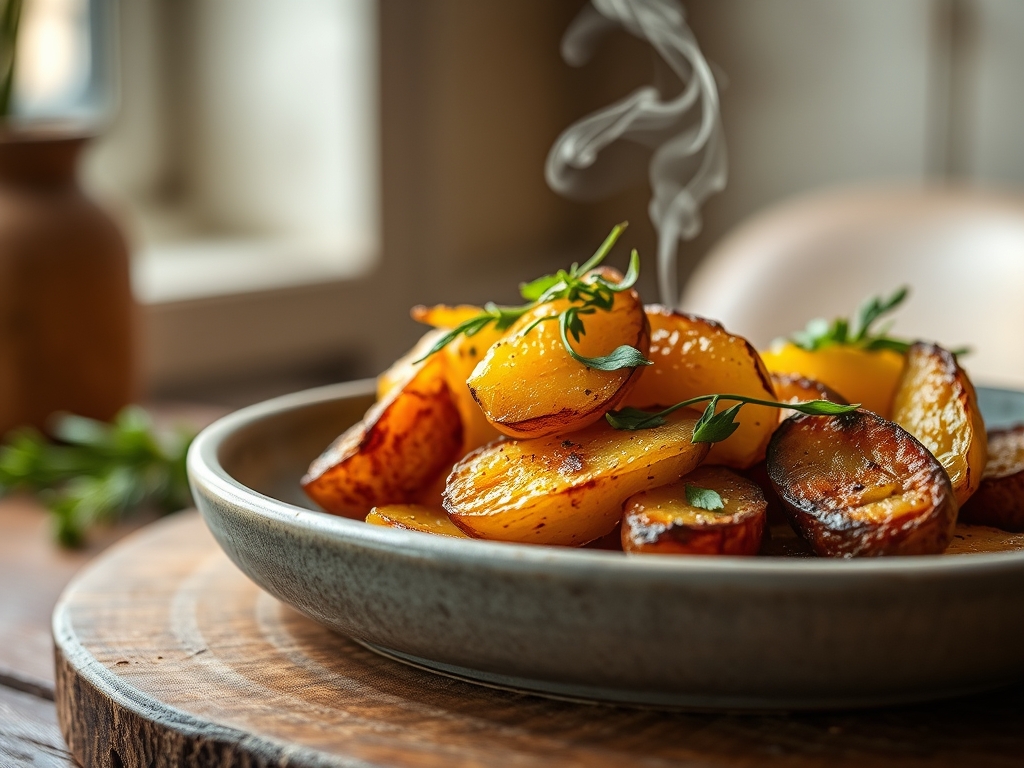
Picture this: you open the refrigerator door and find a Tupperware container filled with yesterday's leftovers. Those cold, starchy lumps might look uninspiring, but they are actually a gold mine of retrograded starch waiting for a second act. Mastering cooked potato recipes is less about reheating and more about structural transformation. We are going to take those humble tubers and manipulate their cellular architecture to create textures that are impossible to achieve with raw potatoes. By the time we are done, you will treat leftovers as a deliberate meal prep strategy rather than an afterthought.
The beauty of a pre-cooked potato lies in its chemical stability. When a potato cools, the starch molecules undergo a process called retrogradation; they realign into a crystalline structure that resists falling apart. This makes them the perfect canvas for high-heat searing, creamy emulsifications, and crispy transformations. Whether you have boiled reds, roasted russets, or steamed yukon golds, we are about to apply some serious kitchen physics to turn them into gourmet fare.
The Gathers:
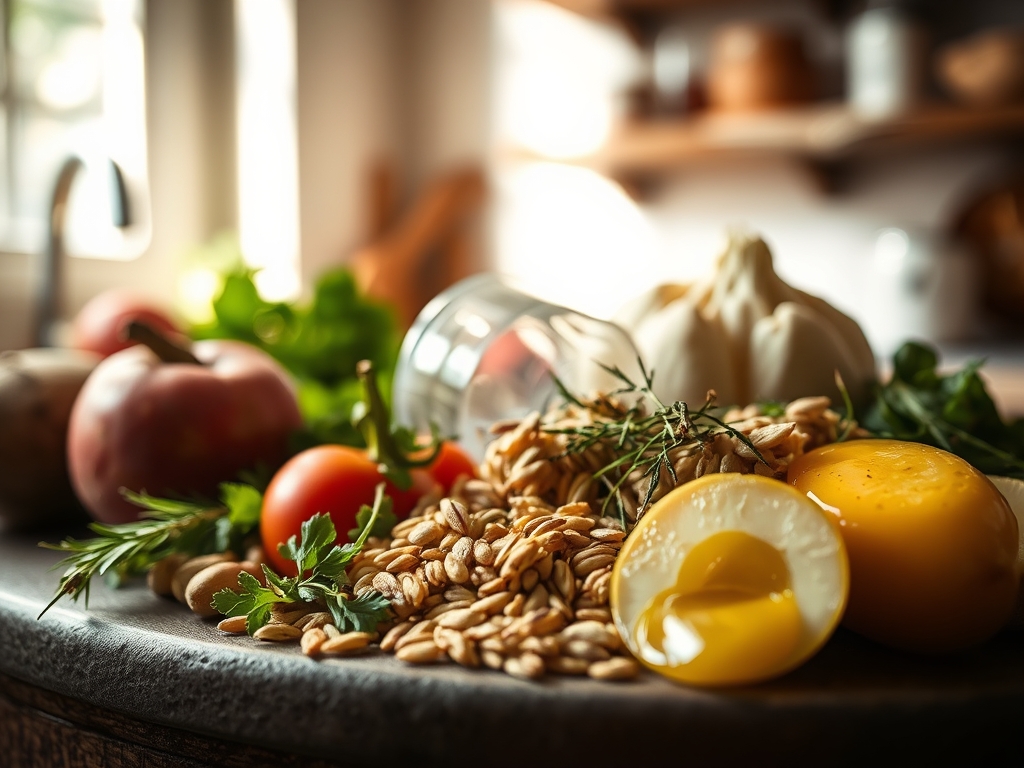
To execute these transformations, your mise-en-place must be precise. Gather your cold potatoes and ensure they are dry; moisture is the enemy of the Maillard reaction. You will need a high-smoke-point fat like clarified butter or avocado oil to facilitate heat transfer without scorching. For seasoning, move beyond basic salt. Think about piquant additions like capers, aged parmesan, or a splash of sherry vinegar to cut through the starch.
Smart Substitutions:
If you lack fresh herbs, use a concentrated pesto or a dry spice bloom in warm oil to infuse flavor. If you are out of heavy cream for a mash-reboot, a dollop of Greek yogurt or a splash of starchy pasta water can create a viscous, velvety mouthfeel. For those avoiding dairy, a high-quality tahini provides a nutty richness that mimics the fat content of butter while adding a complex earthy undertone. Always have a microplane ready to shower your final dish with citrus zest or hard cheese to provide a bright, aromatic finish.
The Clock
The "Chef's Flow" for cooked potato recipes is remarkably efficient because the primary cooking is already done. Your active prep time will generally hover around ten minutes, focusing on slicing, dicing, or smashing. The "transformation phase" takes another fifteen to twenty minutes. Unlike starting from scratch, you aren't waiting for a core temperature to reach 210 degrees Fahrenheit; you are simply managing surface tension and heat distribution.
By utilizing a heavy-bottomed skillet, you can achieve a synchronized flow. While the potatoes are rendering their exterior fat and developing a crust, you can prepare your aromatics and sauces. This compressed timeline makes these recipes ideal for high-pressure weeknights when you want a sophisticated meal without the hour-long commitment of boiling water from cold.
The Masterclass:
1. The Crispy Smash
Take your whole cooked potatoes and use a heavy glass or a bench scraper to gently flatten them until the skin pops. Place them in a heavy-bottomed skillet with shimmering oil. This increases the surface area for browning while keeping the interior fluffy.
Pro Tip: This relies on the Maillard reaction. By smashing the potato, you create more "nooks and crannies" where amino acids and reducing sugars can react under heat, creating hundreds of new flavor compounds that raw potatoes simply cannot match in such a short window.
2. The Bistro Hash
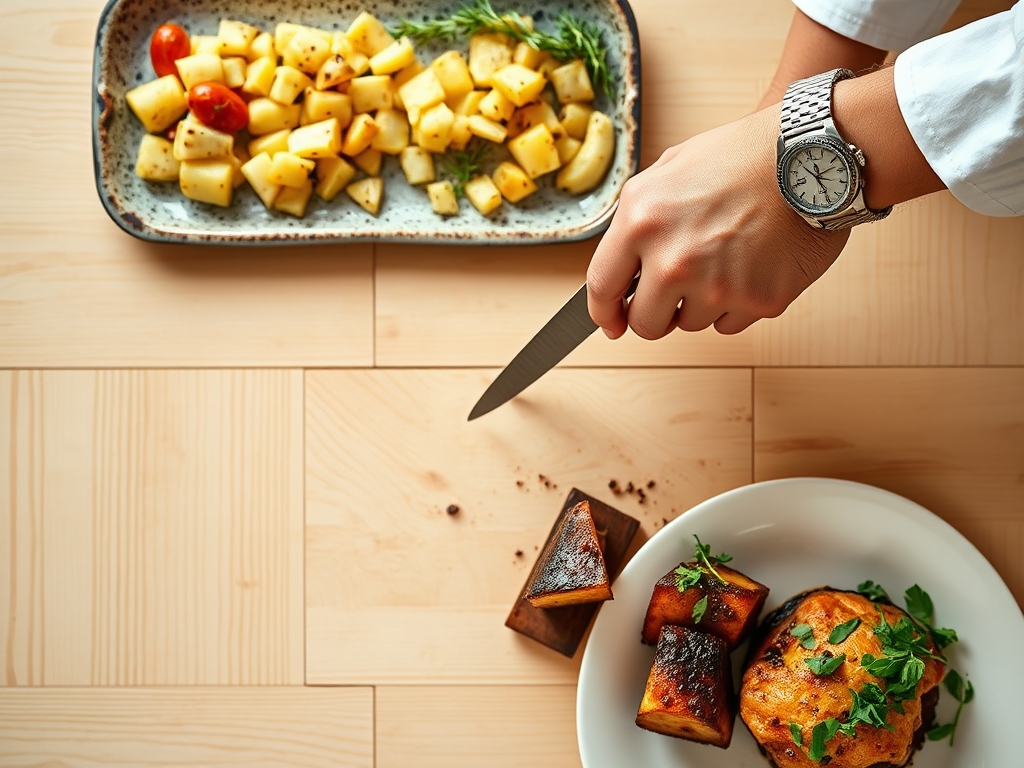
Dice your cold potatoes into uniform half-inch cubes. Sauté them in a cast iron pan until they develop a golden-brown pellicle. Toss in minced shallots and garlic only in the last two minutes to prevent the aromatics from burning while the potatoes crisp.
Pro Tip: Cold potatoes have retrograded starch, which makes them firmer. This structural integrity allows you to toss them vigorously with tongs without the cubes turning into mush, a common failure when using freshly boiled potatoes.
3. The Quick Gnocchi
Pass your cold potatoes through a ricer to aerate them. Incorporate a small amount of flour and an egg yolk until a shaggy dough forms. Roll into ropes and cut. Because the potatoes are already dry from the fridge, they will absorb less flour, resulting in a lighter, pillowy texture.
Pro Tip: Using cold, dry potatoes prevents gelatinization from happening too quickly. Excess moisture in fresh potatoes requires more flour to bind, which often leads to a rubbery, dense gnocchi rather than a delicate one.
4. The Spanish Tortilla Remix
Slice your cooked potatoes into thin rounds and layer them into a non-stick pan with beaten eggs and sautéed onions. Cook on low heat until the edges set, then flip. The pre-cooked slices act as structural pillars within the egg matrix.
Pro Tip: This method utilizes protein coagulation. The starch in the potatoes helps stabilize the egg proteins, preventing the tortilla from weeping liquid as it cools, ensuring a dense and creamy slice.
5. The Loaded Potato Cakes
Mash your leftovers with a bit of flour, an egg, and plenty of scallions. Form them into patties and sear in butter. The goal is a shatteringly crisp exterior and a molten, soft interior.
Pro Tip: This is an exercise in thermal carryover. The exterior crisps quickly at high heat, while the interior gently warms through. If the potatoes were raw, the center would remain crunchy and unpalatable by the time the outside browned.
6. The Provencal Potato Salad
Instead of boiling new potatoes, take your cold cooked ones and toss them in a warm vinaigrette. The starch will slightly emulsify with the oil and vinegar, creating a creamy coating without the need for mayonnaise.
Pro Tip: This involves capillary action. As the potato warms slightly from the dressing, it draws the acidic vinaigrette into its core, seasoning the potato from the inside out rather than just coating the surface.
7. The Skillet Gratin
Thinly slice your cooked potatoes and layer them in a saucier with a bit of gruyère and nutmeg-infused cream. Simmer on the stovetop until the cream reduces and coats the potatoes in a thick, luxurious lacquer.
Pro Tip: This process uses evaporation to concentrate solutes. As the water in the cream evaporates, the fat and protein solids bind with the potato starch to create a stable, non-broken sauce.
8. The Potato Crouton
Cut your potatoes into tiny cubes and fry them in olive oil until they are essentially giant sprinkles. Toss them over a salad or soup for a textural contrast that stays crunchy longer than bread-based croutons.
Pro Tip: The amylopectin in the potato skin and flesh creates a rigid lattice when fried, which acts as a moisture barrier. This is why potato croutons maintain their "crunch" even when submerged in a hot liquid.
9. The Indian-Style Aloo Fry
Toss your cooked potato chunks with turmeric, cumin, and chili powder. Sauté in ghee until the spices bloom and the potatoes are stained a deep sunset orange with crispy edges.
Pro Tip: Fat is a flavor carrier. Many of the aromatic compounds in spices are fat-soluble; by frying the pre-cooked potato in spiced oil, you ensure the flavor is deeply embedded in the crust.
10. The Breakfast Power Bowl
Roughly chop your potatoes and air fry them at 400 degrees for eight minutes. Toss with kale, avocado, and a poached egg. The high heat of the air fryer quickly re-hydrates the surface starch into a crisp shell.
Pro Tip: This uses convection heat to rapidly remove surface moisture. Because the potato is already cooked, you are only aiming for "dehydration crisping," which happens much faster than the initial softening of the cellulose.
The Deep Dive:
From a nutritional standpoint, cooked and cooled potatoes are a powerhouse of resistant starch. This type of starch acts more like fiber in the body; it feeds your gut microbiome and results in a lower glycemic spike compared to eating hot, freshly cooked potatoes. If you are following a vegan diet, replace butter with a high-quality olive oil or coconut fat for searing. For those on a keto-adjacent path, keep the portions small and pair them with high-protein anchors to balance the macros.
The Fix-It:
If your potatoes are sticking to the pan, you likely haven't let the crust form; stop moving them and wait for the proteins to release naturally. If they are too dry, deglaze the pan with a splash of stock or wine to create steam. If they taste bland, add an acid like lemon juice or vinegar; starch often masks salt, and acid "wakes up" the flavor profile.
For meal prep, remember that reheating is a science. Avoid the microwave if you want texture. Instead, use a toaster oven or a skillet. This prevents the "steamed" effect and restores the structural integrity of the potato's exterior.
The Wrap-Up
Transforming leftovers is the ultimate culinary flex. It shows you understand the chemistry of starch and the power of the Maillard reaction. Don't let those cooked potatoes languish in the dark corners of your fridge. Grab your heavy-bottomed skillet, a high-quality fat, and a bit of creativity. You aren't just making a meal; you are engineering a textural masterpiece that proves second-day potatoes are often better than the first.
The Kitchen Table
How do I make leftover potatoes crispy again?
Use a heavy-bottomed skillet with high heat and plenty of fat. Avoid overcrowding the pan, which creates steam. Let the potatoes sit undisturbed for three minutes to allow the Maillard reaction to form a solid, golden crust before flipping.
Can I freeze cooked potatoes for later use?
Yes, but texture changes occur. Freeze them flat on a tray before bagging. For best results, use frozen cooked potatoes in soups or mashes where the slight loss of structural integrity won't ruin the final dish's mouthfeel.
Why do my reheated potatoes taste "off"?
This is often "warmed-over flavor" caused by lipid oxidation. To prevent this, store potatoes in airtight containers and reheat them with fresh fats or aromatics like garlic and rosemary to mask any oxidized notes and refresh the palate.
What is the best way to mash cold potatoes?
Do not mash them cold; they will become gummy. Gently steam them or microwave them with a damp paper towel until warm, then use a ricer. This allows the starch granules to separate without rupturing and releasing excess amylose.