
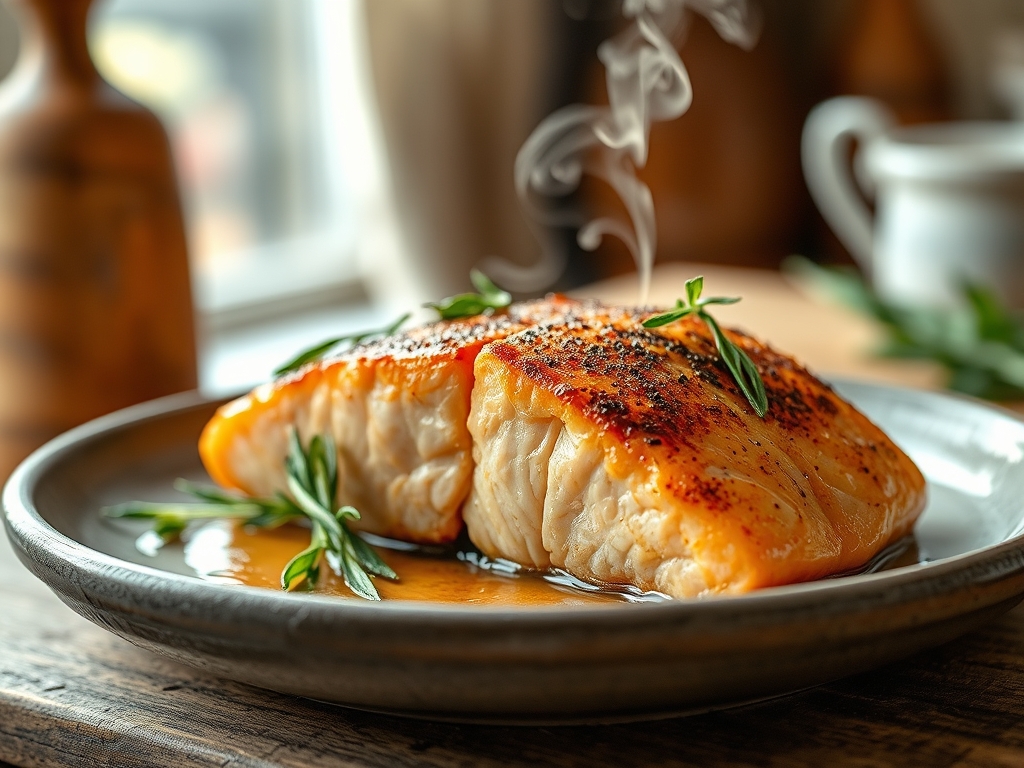
Imagine the sharp, piquant scent of fresh dill meeting the buttery richness of a cold-water fillet as it hits a searing hot pan. There is a specific kind of magic found in traditional kosher salmon recipes; they bridge the gap between ancient dietary laws and modern, high-end culinary technique. Whether it is the velvet texture of a slow-poached cut or the shatter-crust of a pan-seared skin, salmon is the undisputed crown jewel of the kosher table. It is versatile, elegant, and scientifically fascinating. We are not just cooking fish here; we are mastering the art of protein denaturation and lipid management to ensure every bite is a revelation. Grab your apron and your favorite heavy-bottomed skillet because we are about to elevate your kitchen game to professional standards.
The Gathers:
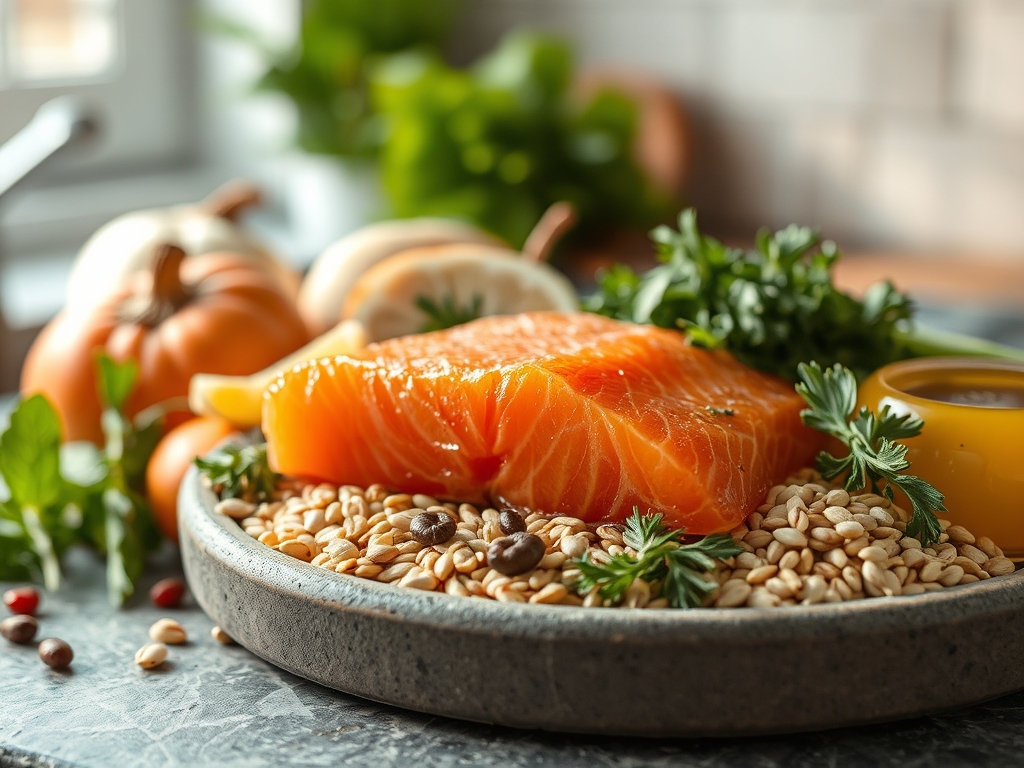
Before we ignite the burners, we must respect the mise-en-place. For these ten variations, you will need high-quality, center-cut Atlantic or King salmon. Look for flesh that is firm to the touch with no "gapping" between the muscle fibers. You will also need a microplane for zesting citrus, a digital scale for precise seasoning, and a saucier for crafting silk-smooth reductions.
Our primary aromatics include fresh flat-leaf parsley, dill, and scallions. For the fats, we lean on extra virgin olive oil or clarified butter if you are keeping the meal dairy-neutral. If you are aiming for that classic "lox" profile, keep coarse kosher salt and granulated sugar nearby for curing.
Smart Substitutions:
If you find yourself without fresh lemons, a splash of white wine vinegar provides the necessary acidity to brighten the fats. For those avoiding honey in glazes, maple syrup offers a similar viscous quality with a more complex, woody finish. If you need a crunch but want to stay gluten-free, crushed walnuts or almond meal provide an excellent crust that undergoes beautiful enzymatic browning without the need for flour.
The Clock
Efficiency in the kitchen is about understanding the Chef's Flow. This is the sequence of operations that ensures nothing sits getting cold while you scramble for a garnish.
- Prep Time: 20 minutes. This includes cleaning the fish, patting it bone-dry (essential for the Maillard reaction), and prepping your aromatics.
- Cook Time: 12 to 15 minutes. Most salmon dishes peak when the internal temperature hits 125 degrees Fahrenheit for a medium-rare finish.
- Rest Time: 5 minutes. Never skip this. Resting allows the muscle fibers to relax and reabsorb the juices.
The flow is simple: start your starches first, then your sauces, and save the salmon for the final ten minutes of the process.
The Masterclass
1. The Perfect Sear
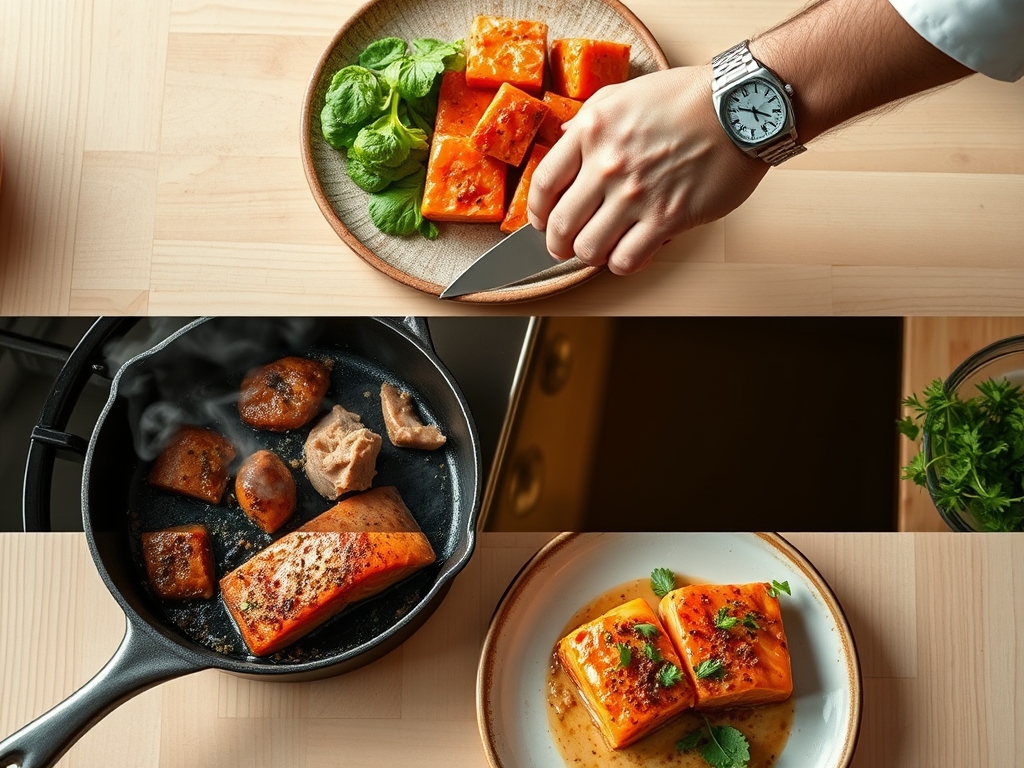
Place your salmon skin-side down in a preheated, oiled skillet. Use your tongs to press the fish down firmly for the first thirty seconds to prevent the skin from curling.
Pro Tip: This initial pressure ensures maximum contact with the heat, facilitating the Maillard reaction, which is the chemical reaction between amino acids and reducing sugars that gives browned food its distinctive flavor.
2. The Infusion
Once you flip the fish, toss in your aromatics like smashed garlic cloves and sprigs of thyme. Use a large spoon to infuse the hot oil over the top of the fillet.
Pro Tip: This technique, known as arroser, uses hot fat to gently finish the top of the fish while adding layers of flavor through lipid-soluble aromatic compounds.
3. The Deglaze
Remove the fish and add a splash of dry white wine or vegetable stock to the hot pan. Use a bench scraper or whisk to lift the browned bits from the bottom.
Pro Tip: Those browned bits, or "fond," contain concentrated umami. Deglazing incorporates these flavors into a pan sauce, creating a cohesive bridge between the fish and your side dishes.
4. The Emulsification
Whisk in a cold fat source or a bit of mustard into your reduction until it becomes thick and viscous.
Pro Tip: Successful emulsification requires vigorous whisking to suspend fat droplets in water-based liquids, creating a creamy texture without the need for heavy cream.
The Deep Dive
Macro Nutrition:
Salmon is a powerhouse of Omega-3 fatty acids, specifically EPA and DHA, which are vital for heart health. A standard 6-ounce portion provides roughly 34 grams of high-quality protein and zero carbohydrates, making it a staple for metabolic health.
Dietary Swaps:
- Vegan: Swap the salmon for thick-cut "steaks" of cauliflower or king oyster mushrooms, using the same searing techniques.
- Keto: Ensure your glazes are made with erythritol or monk fruit instead of honey or brown sugar.
- GF: Use tamari instead of soy sauce for any Asian-inspired kosher salmon recipes.
The Fix-It:
- Albumin Leakage: If you see white goo seeping out, your heat is too high. The protein is contracting too fast and squeezing out moisture. Lower the flame immediately.
- Sticking Skin: You likely tried to flip too early. Protein "releases" from the pan naturally once the crust has formed. Be patient.
- Dry Interior: This is caused by thermal carryover. Remember that the internal temperature will rise about 5 degrees after you remove it from the heat. Pull the fish at 120-125 degrees.
Meal Prep Science:
To reheat salmon without it becoming rubbery, use a low-temperature oven (275 degrees) with a splash of water covered in foil. This creates a steam-chamber that rehydrates the proteins rather than tightening them further.
The Wrap-Up
Mastering kosher salmon recipes is about more than following a list of ingredients; it is about respecting the chemistry of the ingredients. By focusing on temperature control, moisture management, and the layering of flavors, you can turn a simple Tuesday night dinner into a white-tablecloth experience. Remember to always dry your fish thoroughly, trust your digital thermometer, and never be afraid to deglaze that pan. Your kitchen is your laboratory; now go make something delicious!
The Kitchen Table
How do I prevent salmon from smelling fishy?
Freshness is key, but you can also neutralize trimethylamine (the "fishy" scent) by rinsing the fillets in cold water and patting them dry. High-quality kosher salmon recipes always emphasize starting with bone-dry, chilled protein to ensure a clean flavor profile.
What is the best way to get crispy skin?
Use a heavy-bottomed skillet and get the oil shimmering before adding the fish. Use a weight or your tongs to press the skin flat against the pan. This ensures even heat distribution and a perfectly rendered, cracker-like texture every time.
Can I cook salmon from frozen?
While possible, it is not ideal for texture. Thawing slowly in the refrigerator preserves the cellular structure of the fish. If you must cook from frozen, use a moist-heat method like poaching to prevent the exterior from toughening before the center thaws.
Why does my glaze always burn?
Glazes contain sugars that caramelize quickly. Only apply your glaze during the last two to three minutes of cooking. This allows the sugars to become viscous and tacky without reaching the burning point, which occurs rapidly at high temperatures.