
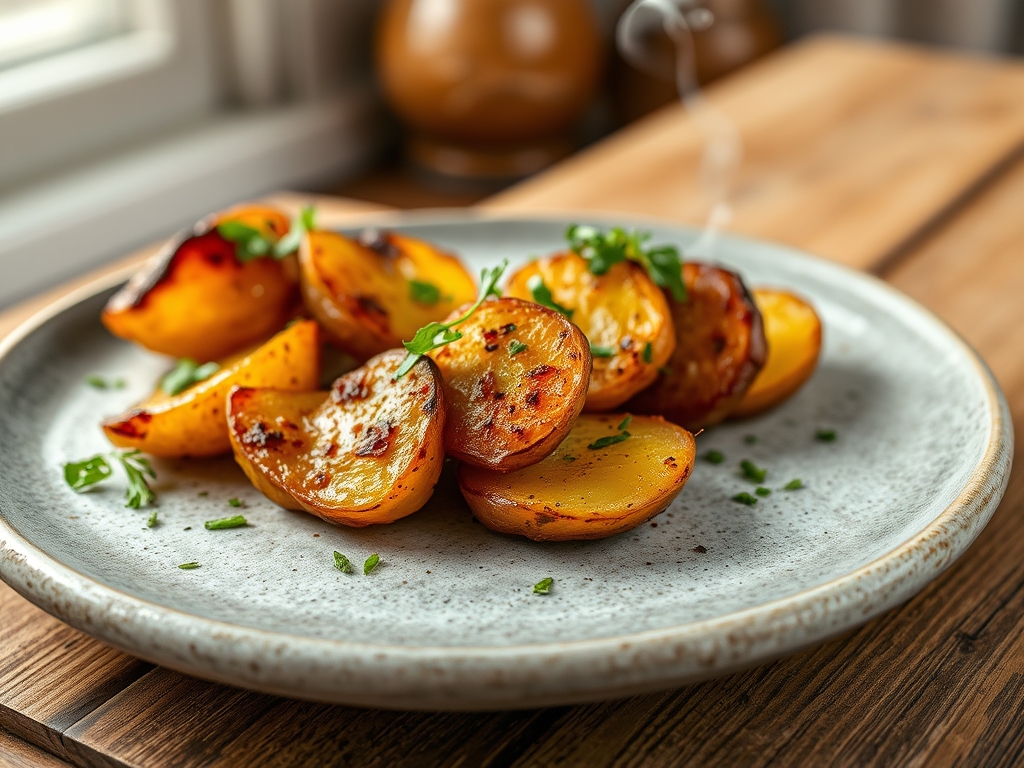
Imagine the scent of cold butter meeting a blistering hot pan; it is the olfactory equivalent of a velvet curtain rising on a grand stage. When you master gourmet potato recipes, you are not just cooking a side dish; you are engineering a structural masterpiece of starch and fat. From the crystalline crunch of a glass potato chip to the silky, viscous flow of a classic French puree, the humble tuber is the ultimate canvas for culinary sophistication. We are moving beyond the rustic mash of childhood and into the realm of architectural plating and molecular precision.
Whether you are hosting a black-tie gala or an intimate candlelit dinner, these eight variations transform the ordinary potato into a high-end delicacy. We will be manipulating amylose and amylopectin levels to achieve textures that seem physically impossible. Forget everything you thought you knew about the "spud." We are about to apply rigorous thermal physics and chemical emulsification to elevate your dinner party to Michelin-starred heights. Grab your apron; we have some serious chemistry to conduct.
The Gathers:
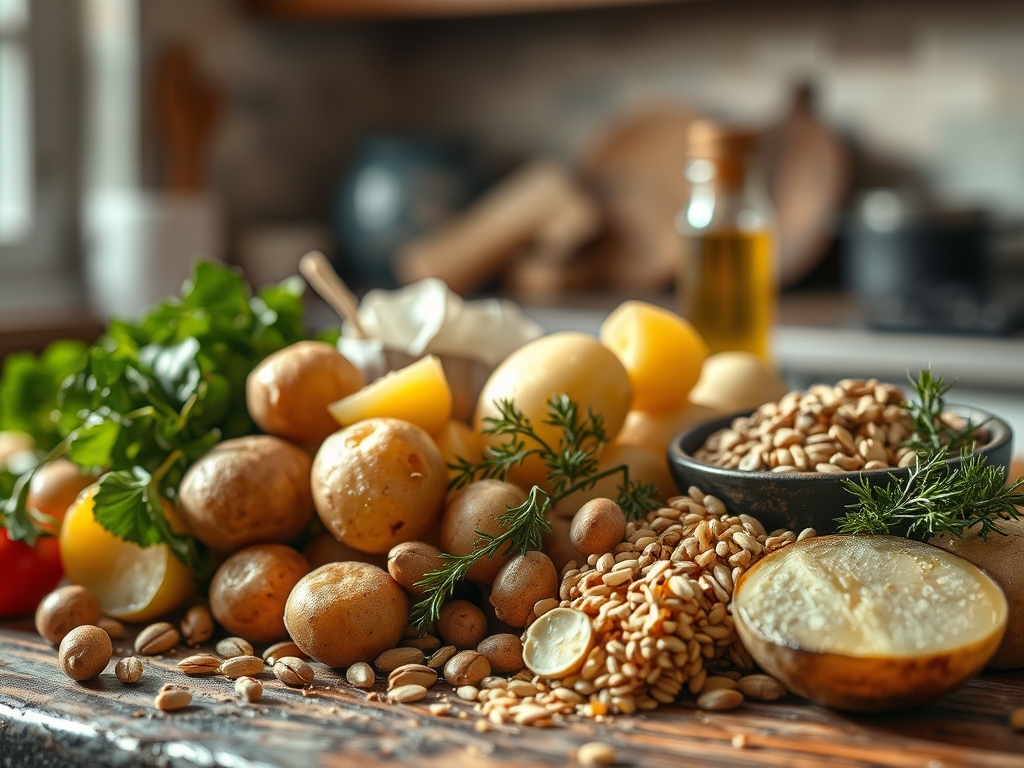
To execute these gourmet potato recipes, your mise-en-place must be clinical. Start with high-starch Russets for fluffiness and waxy Yukon Golds for that buttery, cohesive bite. You will need high-fat European butter (look for 82 percent butterfat or higher) to ensure a stable emulsion. For aromatics, gather fresh thyme, rosemary, and whole garlic bulbs. The secret to that professional finish often lies in the acidity; have champagne vinegar and Maldon sea salt flakes ready to brighten the earthy base notes.
Smart Substitutions:
If you are looking to lighten the profile without sacrificing the "mouthfeel," substitute heavy cream with a high-quality cashew cream for a vegan alternative that maintains a similar viscous quality. If you find yourself without Yukon Golds, a Red Bliss potato can work in a pinch for salads, though it lacks the golden hue. For a lower-glycemic option, Japanese sweet potatoes offer a dense, chestnut-like texture that holds up beautifully under high-heat roasting. Always use a digital scale to measure your ingredients; in the world of high-end garnishes, a five-gram difference in starch can be the difference between a crisp tuile and a soggy mess.
The Clock:
The "Chef's Flow" is all about overlapping tasks to maximize efficiency. Total preparation time for a suite of these dishes spans about 45 minutes of active labor, with another 60 minutes of passive cooking time. Start by scrubbing and peeling your tubers; this is the most labor-intensive phase. While your primary batches are simmering or roasting, use that window to prepare your infusions. Infusing butter with herbs takes about 10 minutes over low heat on a saucier.
The master schedule looks like this: Minutes 0 to 15 are for precision knife work and starch removal. Minutes 15 to 45 involve the primary thermal application (boiling, roasting, or confit). The final 15 minutes are reserved for the "finish," where you emulsify, aerate, and plate. By timing your deglazing and reductions to coincide with the potato's peak internal temperature, you ensure that the starches are at their most receptive state to absorb flavors.
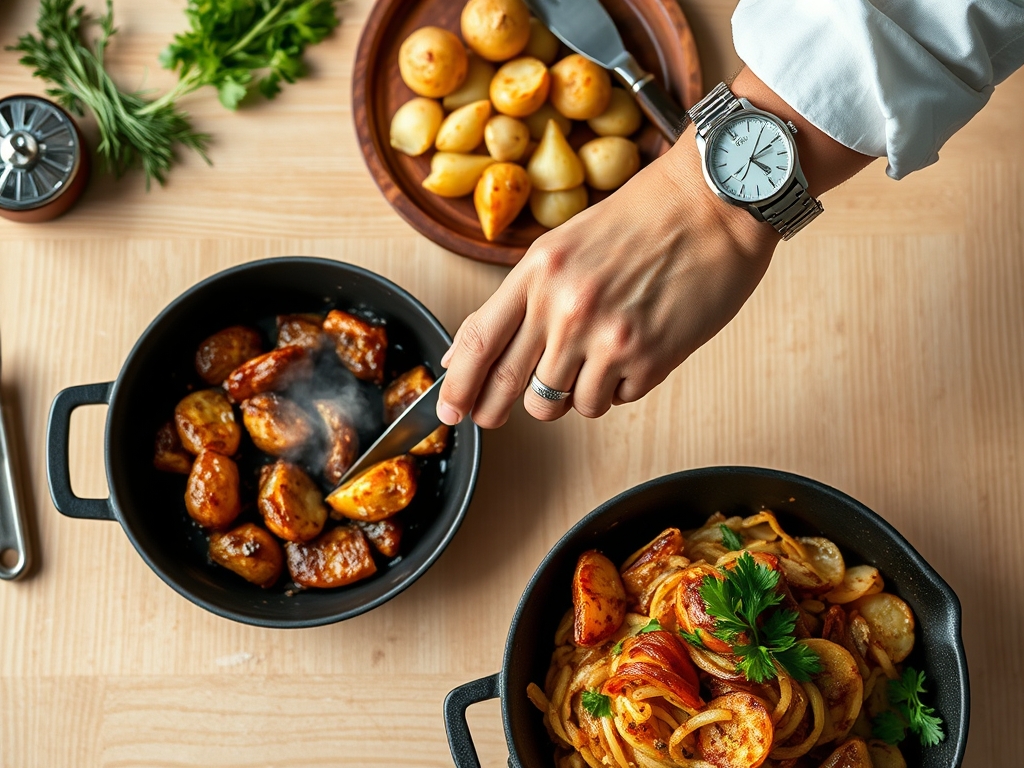
The Masterclass:
1. The Perfect Pomme Puree
Begin by boiling peeled Yukon Golds in heavily salted water until they are tender but not falling apart. Pass them through a food mill or a fine-mesh tamis twice to break down every single lump. Incorporate cold, cubed butter one piece at a time using a silicone spatula.
Pro Tip: This relies on mechanical emulsification. By adding cold butter to hot starch, you create a stable suspension of fat droplets within the potato structure, preventing the oil from separating and becoming greasy.
2. Hasselback Gratin Hybrids
Slice your potatoes thinly but stop three-quarters of the way through using wooden spoons as guides. Fan them out slightly and brush with a mixture of melted duck fat and minced thyme. Bake at 400 degrees Fahrenheit until the edges are translucent and crisp.
Pro Tip: This method maximizes the surface area for the Maillard reaction. The increased exposure to dry heat allows for the browning of amino acids and sugars, creating a complex, savory crust that a standard roast cannot match.
3. Fondant Potatoes
Cut large Russets into uniform cylinders using a circular biscuit cutter. Sear the ends in a heavy-bottomed skillet until dark golden brown, then flip and add chicken stock and butter halfway up the sides. Transfer the entire skillet to the oven.
Pro Tip: This technique utilizes braising physics. The bottom sears via conduction, while the top steams, creating a dual texture where the base is crunchy and the interior is as soft as custard.
4. Truffle-Infused Potato Pavé
Use a mandoline to create paper-thin slices. Layer them in a parchment-lined rectangular tin, brushing each layer with clarified butter and a hint of truffle oil. Compress with a weight and bake, then chill overnight before slicing and searing the edges.
Pro Tip: Chilling the pavé allows for starch retrogradation. The amylose molecules realign into a firm crystalline structure, which makes it possible to slice the block into perfect, sharp-edged cubes without it crumbling.
5. Smoked Paprika Shoestrings
Use a julienne peeler to create ultra-thin strands. Soak them in ice water for 30 minutes to remove excess surface starch, then pat them completely dry. Flash-fry in neutral oil at 375 degrees Fahrenheit until they are golden threads.
Pro Tip: Removing surface starch prevents the strands from sticking together. This is a lesson in moisture migration; by drying the exterior, the oil can immediately begin crisping the surface rather than wasting energy evaporating surface water.
6. Purple Potato Gnocchi
Roast purple potatoes on a bed of salt to draw out moisture. Mash them while hot and combine with a minimal amount of "00" flour and an egg yolk. Roll into small pillows and boil until they float, then finish in a brown butter sauce.
Pro Tip: Salt-roasting prevents enzymatic browning and keeps the interior dry. A dry potato requires less flour, which ensures the gnocchi remain light and airy rather than dense and gummy.
7. Confit Fingerlings
Submerge fingerling potatoes in olive oil seasoned with peppercorns, garlic, and bay leaves. Poach them at a low temperature (around 200 degrees Fahrenheit) until they are tender. Drain and give them a quick hard sear before serving.
Pro Tip: This is a low-temperature lipid infusion. The fat penetrates the skin and saturates the flesh, creating a rich, silky texture that is impossible to achieve with water-based boiling.
8. Whipped Horseradish Chantilly Potatoes
Whip your boiled potatoes with a whisk attachment in a stand mixer, folding in a savory whipped cream infused with fresh horseradish. This creates a texture similar to a savory mousse.
Pro Tip: This process involves aeration. By folding in whipped cream, you are introducing air bubbles into the dense starch matrix, resulting in a chemically "light" mouthfeel despite the high fat content.
The Deep Dive:
From a macro perspective, potatoes are a powerhouse of complex carbohydrates and potassium. While these gourmet potato recipes lean into the indulgence of fats, you can adjust the profile by using olive oil instead of butter to favor monounsaturated fats. For guests following a Keto lifestyle, consider swapping half the potato volume with cauliflower puree; the flavor profile remains remarkably similar when seasoned aggressively. For a Vegan twist, use nutritional yeast and coconut milk to mimic the savory depth of dairy.
The Fix-It:
- Gummy Texture: This happens when you overwork the starch (usually with a blender). Fix it by folding in a little more hot liquid or turning it into a gratin where the texture is less noticeable.
- Discoloration: If your potatoes turn grey, it is due to oxidation. Fix it by keeping peeled potatoes submerged in acidified water (water with lemon juice) until the moment they are cooked.
- Soggy Roast: This is caused by overcrowding the pan. Fix it by ensuring at least an inch of space between each potato piece to allow steam to escape.
Meal Prep:
To reheat these masterpieces while maintaining "day-one" quality, avoid the microwave. Use a low-temperature oven (300 degrees Fahrenheit) and cover with foil to prevent moisture loss. For fried or seared items, a quick toss in an air fryer or a hot dry skillet will reactivate the crispness without making the interior tough.
The Wrap-Up:
You are now armed with the technical prowess to turn a simple root vegetable into the talk of the town. Gourmet potato recipes are less about the ingredients and more about the respect you show to the science of heat and texture. Whether you are layering a pavé or whipping a mousse, remember that precision is your best friend in the kitchen. Now, go forth and dazzle your guests with your newfound starchy brilliance!
The Kitchen Table:
How do I stop my mashed potatoes from being gluey?
Avoid using a food processor or blender. These high-speed blades rupture the starch granules, releasing too much amylose. Use a ricer or a food mill for a fluffy, non-elastic texture that remains light and elegant.
Can I make potato pavé two days in advance?
Yes, and you should! The compression and chilling phase is vital for the structure. Making it forty-eight hours ahead allows the flavors to meld and the starch to fully set, ensuring perfect, clean slices when you sear it.
What is the best potato for roasting?
Yukon Golds are the gold standard. They possess a medium starch content that allows for a creamy interior while still developing a thick, crunchy exterior crust. Their natural buttery flavor also reduces the need for excessive added fats.
Why do my potatoes take so long to brown?
Surface moisture is the enemy of browning. If your potatoes are wet, the heat energy goes toward evaporating water instead of the Maillard reaction. Always pat your potatoes completely dry with a lint-free towel before roasting or frying.