
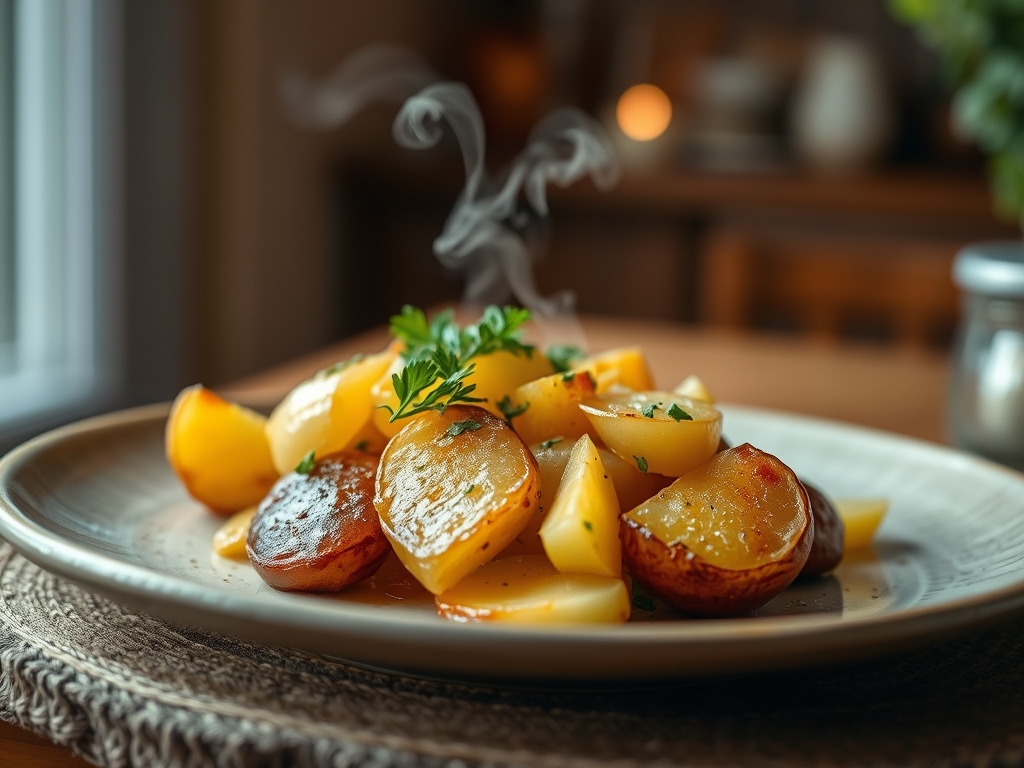
Close your eyes and imagine the scent of rosemary needles hitting hot olive oil; it is a sharp, piney aroma that signals the start of something transformative. We are reclaiming the tuber from its deep fried reputation. When you master healthy potato recipes for dinner, you are balancing complex carbohydrates with high-density nutrients to create a metabolic powerhouse that tastes like pure indulgence.
The humble potato is often unfairly maligned in the world of wellness, yet it contains more potassium than a banana and a significant hit of Vitamin C. The secret lies in the preparation. By swapping heavy creams for emulsified broths and refined oils for heart-healthy fats, we turn these starchy canvases into gourmet fuel. Whether you are craving a piquant lemon-herb roast or a viscous, silky mash made with Greek yogurt, these nine variations provide the structural integrity your dinner rotation has been missing. We are going to look at how the starch molecules interact with heat to create that perfect contrast of a glass-like exterior and a cloud-like center. Grab your favorite heavy-bottomed skillet and a sharp chef's knife; we are about to elevate the most versatile vegetable in your pantry into a series of sophisticated, nutrient-dense masterpieces.
The Gathers:
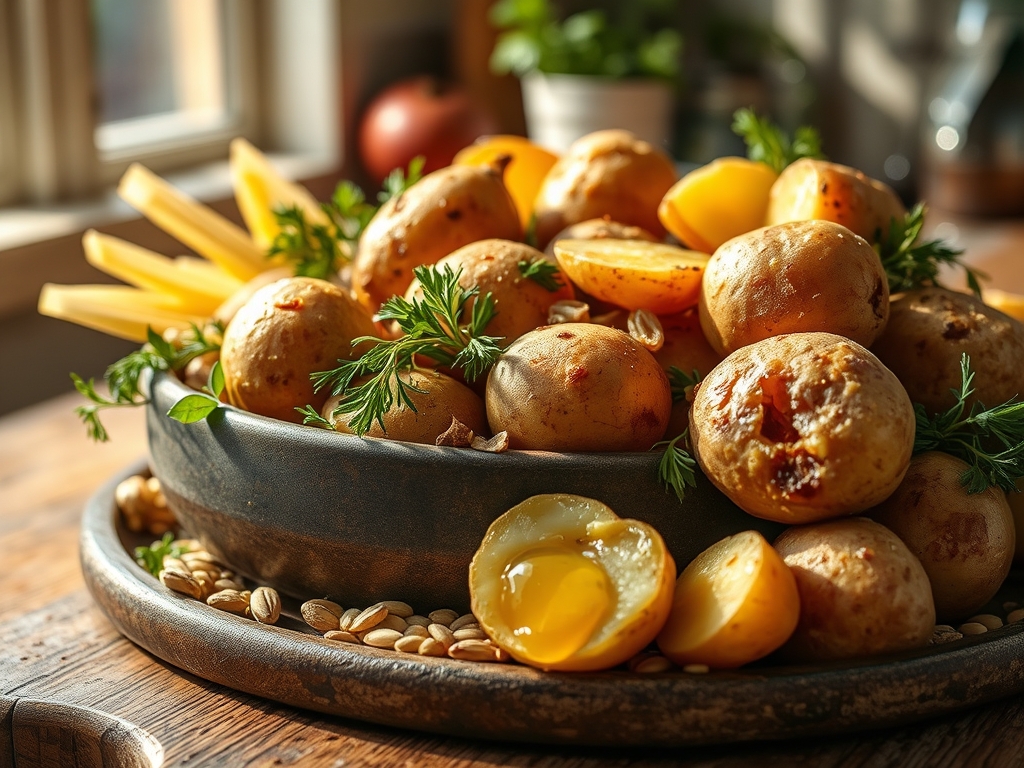
To execute these healthy potato recipes for dinner, your mise-en-place must be precise. Start with the potatoes themselves. For roasting, seek out Yukon Golds; their medium starch content and high sugar levels facilitate a beautiful Maillard reaction. For soups or mashes, the Russet is king because its high amylose content allows the cells to separate easily, creating a light, aerated texture.
Your toolkit should include a microplane for zesting citrus and grating hard cheeses, a digital scale for precise portioning, and a bench scraper to move your diced aromatics with speed. You will also need high-quality fats like avocado oil for high-heat roasting or extra virgin olive oil for finishing.
Smart Substitutions:
- The Cream Swap: Replace heavy cream with a mixture of chicken bone broth and a tablespoon of nutritional yeast. This adds a savory, umami depth without the saturated fat.
- The Acid Balance: Instead of excessive salt, use a splash of apple cider vinegar or lemon juice to brighten the earthy notes of the potato.
- The Texture Play: Use toasted hemp seeds or crushed walnuts instead of breadcrumbs for a gluten-free, omega-3 rich crunch.
The Clock
Efficiency in the kitchen is all about the Chef's Flow. This is the art of overlapping tasks so that no minute is wasted. For these recipes, the average active prep time is 15 minutes, with a total cook time ranging from 25 to 45 minutes depending on the cut size.
Start by preheating your oven or heating your saucier. While the heat builds, perform all your knife work. Use your bench scraper to organize your onions, garlic, and herbs into neat piles. If you are roasting, the potatoes go in first. While they undergo the transformation in the oven, you can prepare your proteins or dressings. This staggered approach ensures that everything finishes simultaneously, preventing the dreaded "cold side dish" syndrome.
The Masterclass
1. The Precision Dice and Soak
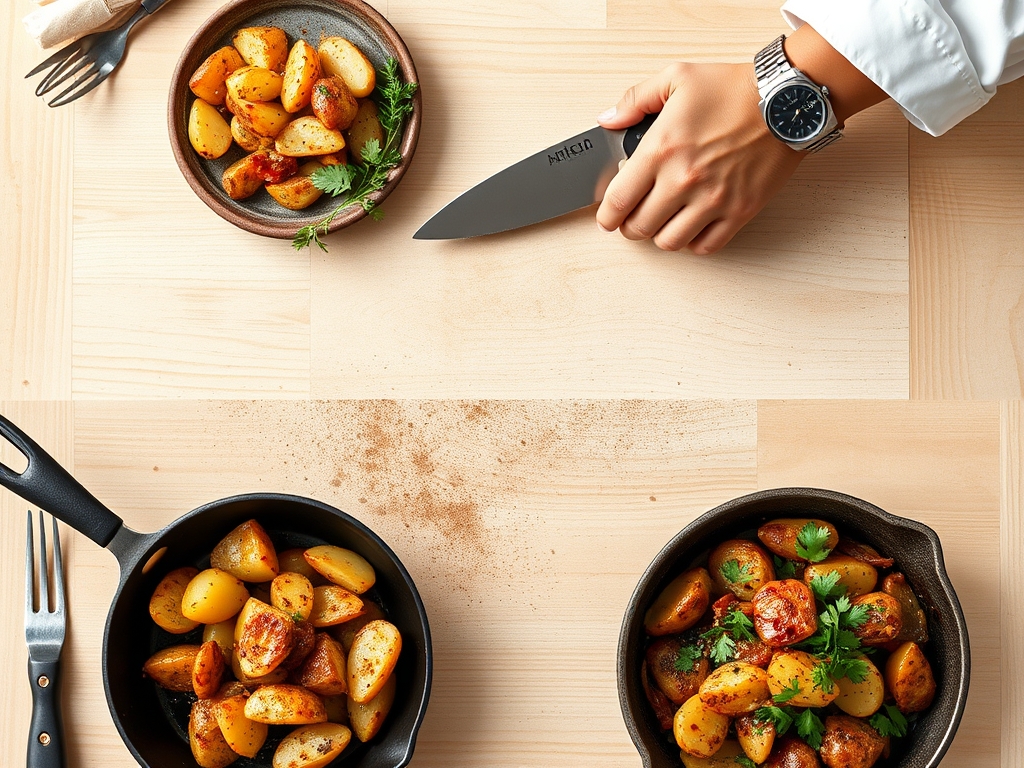
Begin by dicing your potatoes into uniform 1/2-inch cubes. Use a digital scale to ensure even portions. Immediately submerge them in a bowl of cold, salted water for ten minutes. This removes excess surface starch which prevents the potatoes from sticking to the pan.
Pro Tip: This step prevents enzymatic browning, a chemical reaction where phenols in the potato react with oxygen. By soaking, you also ensure a crispier exterior because the surface sugars won't burn before the interior is cooked.
2. The High-Heat Sear
Pat the potatoes bone-dry with a lint-free towel. Heat your heavy-bottomed skillet until a drop of water dances on the surface. Add a high-smoke-point oil and arrange the potatoes in a single layer. Do not crowd the pan; crowding creates steam, which leads to mushy textures.
Pro Tip: This stage relies on the Maillard reaction. By keeping the heat high and the pan uncrowded, you allow the amino acids and reducing sugars to reorganize into hundreds of flavor compounds.
3. The Aromatic Infusion
Once the potatoes have a golden crust, reduce the heat and add your aromatics. Use tongs to toss in smashed garlic cloves, fresh thyme, and a pinch of smoked paprika. The residual heat will infuse the oil, which then coats every millimeter of the potato.
Pro Tip: Adding aromatics too early leads to bitterness. By waiting until the final five minutes, you preserve the volatile oils in the herbs, ensuring a bright, piquant finish.
4. The Deglaze and Emulsify
If you are making a pan-sauce version, use a splash of vegetable stock to deglaze the skillet. Use a wooden spoon to scrape up the "fond"—those brown bits stuck to the bottom. Swirl in a teaspoon of cold grass-fed butter or tahini to create a viscous glaze.
Pro Tip: This is the science of emulsification. The starch released from the potatoes acts as a natural stabilizer, binding the fat and the liquid into a silky sauce that clings to the vegetables.
5. The Rest and Carryover
Remove the potatoes from the heat when they are just a fraction under-done. Transfer them to a warm plate and let them sit for three minutes. This allows the internal moisture to redistribute.
Pro Tip: This utilizes thermal carryover. The internal temperature of the potato will continue to rise by 5 to 10 degrees after being removed from the heat, ensuring the center is perfectly creamy without the exterior becoming charred.
The Deep Dive
When we look at the macro nutrition of these healthy potato recipes for dinner, we see a balanced profile. A standard serving provides roughly 160 calories, 4 grams of fiber, and 3 grams of protein. By keeping the skins on, you maximize the fiber content and slow down the glycemic response.
Dietary Swaps:
- Vegan: Use cashew cream or a high-quality tahini for richness.
- Keto-Adjacent: While potatoes are higher in carbs, you can reduce the portion size and mix them 50/50 with roasted cauliflower to lower the net carb count.
- GF: Potatoes are naturally gluten-free, but ensure your spices and broths are certified.
The Fix-It:
- Soggy Potatoes: Usually caused by overcrowding. Fix it by spreading them on a preheated sheet pan and blasting them at 450°F for five minutes.
- Bitter Garlic: You burnt the aromatics. Fix it by adding a squeeze of honey or maple syrup to neutralize the acridity.
- Gluey Mash: You over-worked the starch. Fix it by folding in a little more warm liquid and serving it as a "rustic" smashed potato rather than a smooth puree.
Meal Prep: To reheat, avoid the microwave. The microwave agitates water molecules and makes the starch rubbery. Instead, use an air fryer or a dry skillet to reactivate the crispiness for "day-one" quality.
The Wrap-Up
Mastering healthy potato recipes for dinner is about understanding the intersection of physics and flavor. By treating the potato with the respect it deserves—controlling the starch, utilizing the Maillard reaction, and balancing the fats—you turn a pantry staple into a nutritional powerhouse. You now have the technical skills to create dinners that are as sophisticated as they are satisfying. Go ahead, get that skillet screaming hot and show those tubers who is boss!
The Kitchen Table
Can I make these recipes ahead of time?
Yes, you can par-boil the potatoes up to 24 hours in advance. Store them in the fridge after drying. This actually increases the resistant starch, making them even healthier for your gut microbiome and easier to crisp up later.
Which potato is best for roasting?
Yukon Gold potatoes are the gold standard. They possess a naturally buttery texture and a thin skin that crisps beautifully without peeling. Their sugar-to-starch ratio is ideal for achieving a deep, golden-brown crust in the oven or skillet.
How do I keep potatoes from sticking to the pan?
Ensure your pan is fully preheated before adding oil. Use a heavy-bottomed skillet for even heat distribution. Most importantly, do not flip the potatoes until they naturally release from the surface, which indicates the crust has formed properly.
Are potato skins actually healthy?
Absolutely. The skin contains approximately half of the potato's total dietary fiber and the majority of its antioxidants. Always scrub them well with a vegetable brush to remove debris while keeping the nutrient-dense peel intact for maximum health benefits.