
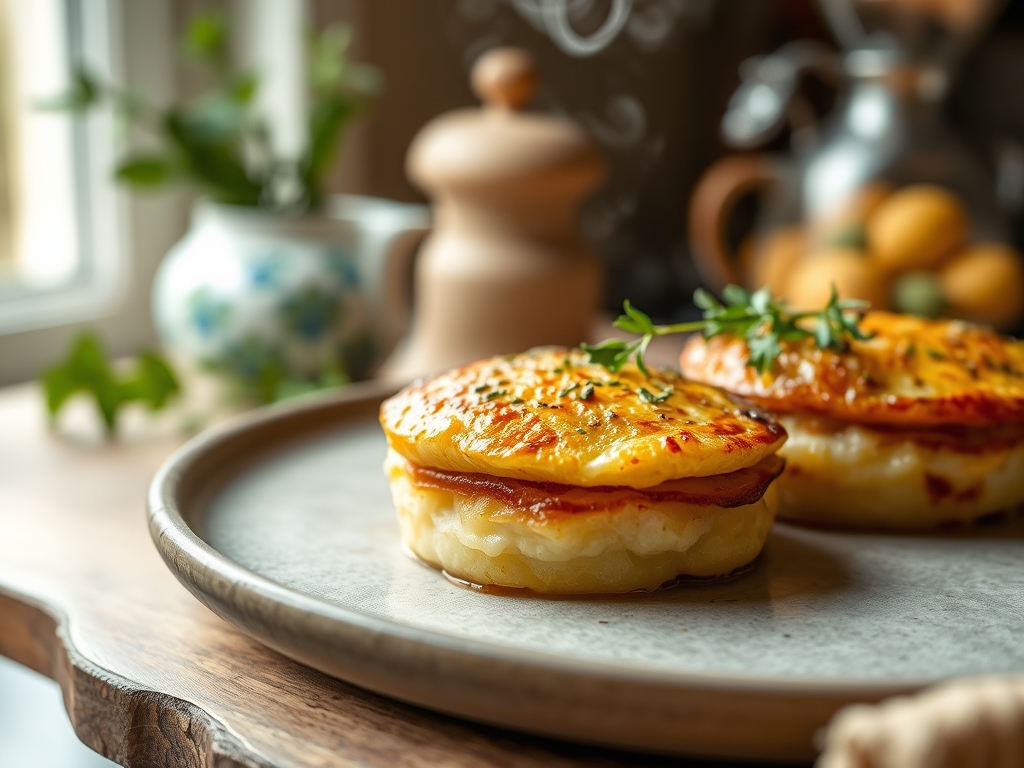
Imagine the sound of a sharp knife slicing through a chilled, starchy tuber; it is a crisp, rhythmic snap that promises something transformative. Now, imagine that same potato submerged in a viscous, nutmeg-scented cream, bubbling until the edges turn a deep mahogany gold. This is the sensory peak of comfort food. When searching for the best scalloped potato recipes, most home cooks settle for a watery mess or a curdled sauce; however, achieving that restaurant-grade silkiness requires more than just luck. It requires an understanding of starch gelatinization and the delicate balance of dairy proteins. We are moving past the "side dish" mentality and treating this like the architectural masterpiece it is. We will focus on the interplay between the earthy Yukon Gold and the sharp, piquant bite of aged Gruyere. By the time the timer dings, your kitchen will smell like a Parisian bistro, and you will have mastered the chemistry of the perfect gratin.
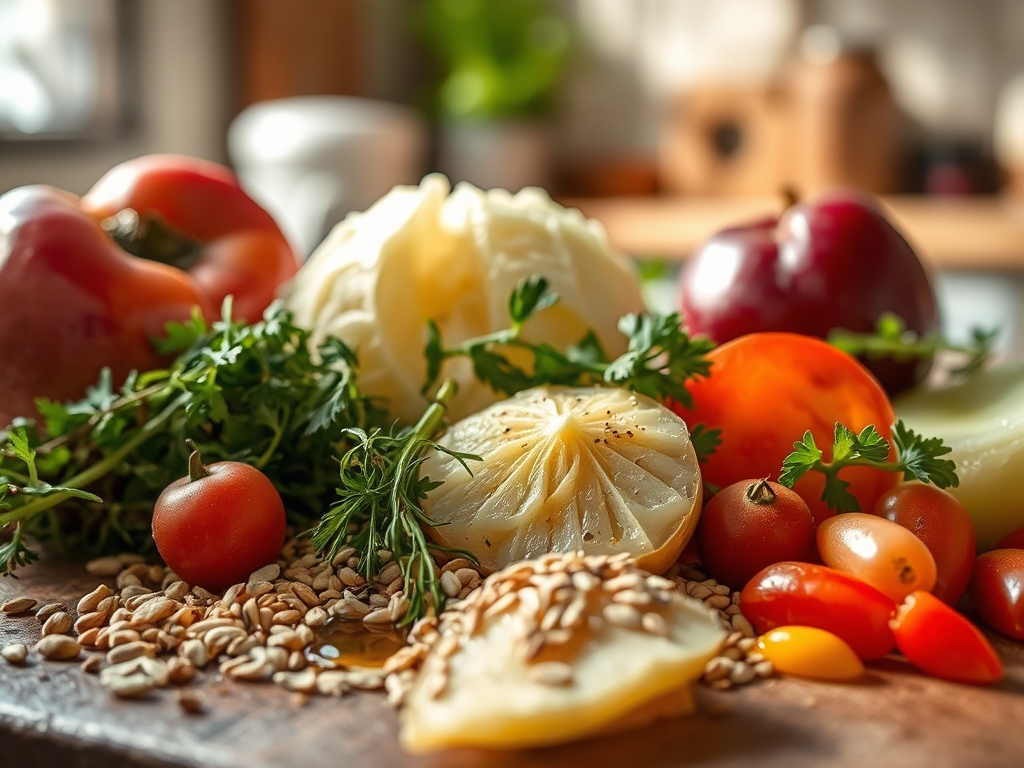
The Gathers:
To execute this properly, your mise-en-place must be precise. Start with five pounds of Yukon Gold potatoes; their medium starch content provides the perfect structural integrity while still releasing enough amylopectin to thicken the sauce. You will need one quart of heavy cream, four cloves of garlic crushed into a paste, and two teaspoons of kosher salt. For the aromatics, gather fresh thyme sprigs and a whole nutmeg to grate fresh with your microplane.
Smart Substitutions: If you want to lighten the profile without losing the viscous mouthfeel, swap one cup of cream for a high-quality chicken bone broth. For a sharper profile, replace the Gruyere with an aged white cheddar or a nutty Fontina. If you are out of fresh garlic, use a roasted garlic confit for a sweeter, more mellow depth. Always use a digital scale for your potatoes to ensure the cream-to-starch ratio remains constant; guessing leads to a "soup" rather than a set casserole.
The Clock
Efficiency in the kitchen is about "Chef's Flow." Expect 30 minutes of active prep time and 75 to 90 minutes of passive baking. The flow begins with the infusion of your dairy while you slice the potatoes; this allows the flavors to marry without wasting a second. The bake occurs in two stages: a covered phase to steam the potatoes through and an uncovered phase to trigger the Maillard reaction on the top layer. Total time from pantry to table is roughly two hours.
The Masterclass
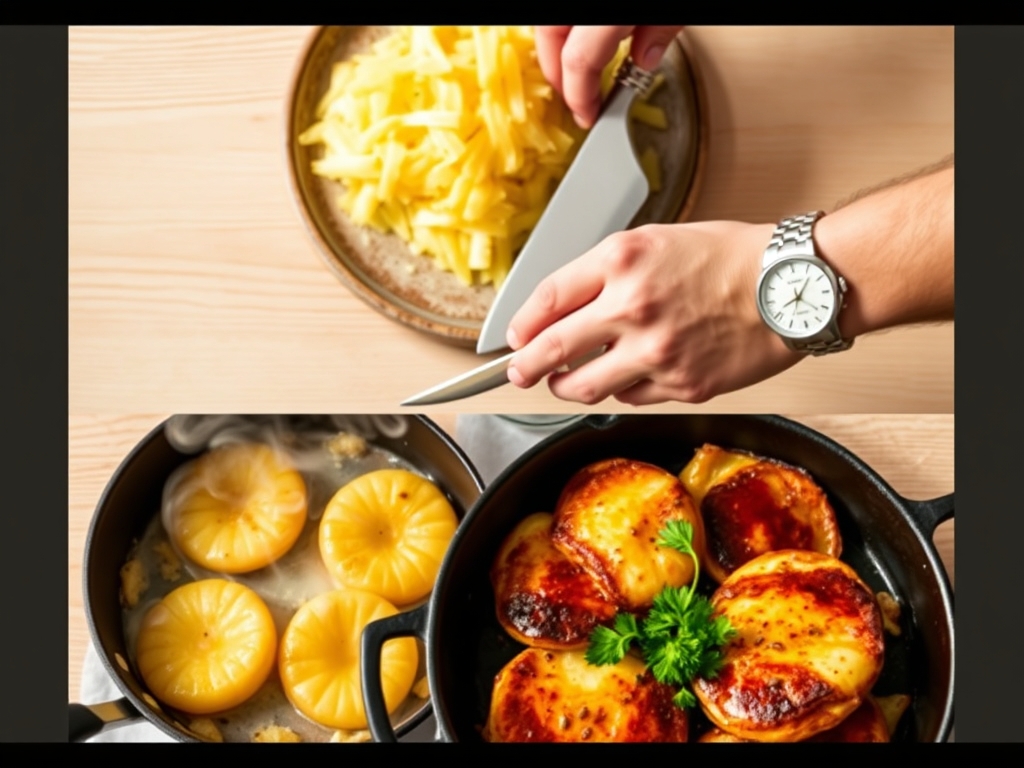
1. The Precision Slice
Using a mandoline or a very sharp chef's knife, slice your potatoes into uniform 1/8-inch rounds. Consistency is not just for aesthetics; it ensures every slice reaches the same level of tenderness at the exact same moment. Do not soak these slices in water. We need every grain of surface starch to act as a natural thickener for our sauce.
Pro Tip: Keeping the starch on the surface prevents enzymatic browning from ruining the color while also ensuring the sauce clings to each layer through a process called starch-to-liquid bonding.
2. The Dairy Infusion
In a saucier or heavy-bottomed skillet, combine your cream, crushed garlic, salt, and thyme. Bring it to a gentle simmer, but do not boil. Use a whisk to aerate the liquid slightly and ensure the salt is fully dissolved. Once it reaches a simmer, remove it from the heat and let it steep for ten minutes.
Pro Tip: This step utilizes thermal infusion to extract essential oils from the herbs and aromatics, ensuring the flavor is distributed evenly rather than trapped in pockets.
3. The Shingling Technique
Lightly butter a 9×13 ceramic baking dish. Begin layering your potatoes in an overlapping "shingle" pattern. After every two layers, add a light dusting of freshly grated nutmeg and a handful of shredded cheese. Use a bench scraper to tidy up the edges and keep the layers compact.
Pro Tip: Overlapping the slices creates structural "capillaries" that allow the cream to wick upward, preventing the bottom from becoming soggy while the top dries out.
4. The Pour and Press
Slowly pour the infused cream over the potatoes. Use a silicone spatula to gently press down on the potatoes, ensuring the liquid penetrates every crevice. The liquid should just barely reach the top layer of potatoes without fully submerging them.
Pro Tip: Pressing the potatoes removes air pockets that can cause uneven heat distribution, leading to "hot spots" where the dairy might break or curdle.
5. The Initial Steam
Cover the dish tightly with foil. This creates a sealed environment where the moisture from the potatoes and cream turns into steam, softening the cellulose in the potato cell walls. Bake at 375 degrees Fahrenheit for 45 minutes.
Pro Tip: This stage focuses on hydrolytic breakdown, ensuring the potatoes are fork-tender before the high-heat browning begins.
6. The Maillard Reveal
Remove the foil and sprinkle the remaining cheese over the top. Increase the oven temperature to 400 degrees. Bake for another 20 to 30 minutes until the top is bubbling and a deep amber crust has formed.
Pro Tip: The Maillard reaction occurs between amino acids and reducing sugars, creating hundreds of different flavor compounds that provide that signature "toasty" savory flavor.
7. The Rest Period
This is the hardest part: let the dish rest for at least 15 minutes before serving. Use this time to tidy your station with a bench scraper. The sauce will look thin when it first comes out, but it will thicken significantly as it cools slightly.
Pro Tip: This utilizes thermal carryover and allows the starch molecules to fully reabsorb the liquid, creating a stable, sliceable texture rather than a runny mess.
The Deep Dive
Macro Nutrition: One serving typically contains 350-450 calories, dominated by complex carbohydrates and fats. To increase protein, consider folding in diced ham or pancetta that you have previously rendered in a pan.
Dietary Swaps: For a Vegan version, use full-fat coconut milk and nutritional yeast for that "cheesy" umami. For Keto followers, swap the potatoes for sliced daikon radish or cauliflower florets. For Gluten-Free needs, this recipe is naturally safe, provided your chicken stock (if used) is certified.
The Fix-It:
- The Sauce Curdled: This usually happens if the heat was too high or the cream was too lean. Next time, use only heavy cream and avoid boiling the dish once the foil is off.
- Potatoes are Crunchy: You likely sliced them too thick or didn't cover the dish tightly enough. Add a splash of warm milk and pop it back in the oven under foil.
- The Top is Burning: If the cheese browns too fast, move the rack lower and tent it loosely with foil to protect the surface while the center finishes.
Meal Prep: To reheat, do not use the microwave; it will cause the fats to separate. Instead, place a portion in a small oven-safe dish, add a tablespoon of milk, and heat at 325 degrees until the edges bubble again. This restores the emulsification of the sauce.
The Wrap-Up
Mastering the best scalloped potato recipes is a rite of passage for any serious home cook. It is a lesson in patience, temperature control, and the glorious power of starch. When you pull that bubbling, golden tray out of the oven, you aren't just looking at dinner; you are looking at a technical triumph. Serve this alongside a crisp green salad or a roasted protein, and watch as your guests realize they have never actually had "real" scalloped potatoes until this moment. Grab your mandoline and get to work; perfection is only a few slices away.
The Kitchen Table
Which potato is best for scalloped potatoes?
Yukon Gold is the gold standard. They possess a buttery texture and medium starch levels, allowing them to hold their shape while simultaneously thickening the cream sauce into a velvety consistency that russets or red potatoes cannot match.
Why did my scalloped potatoes turn out watery?
This usually occurs from soaking potatoes in water or using low-fat milk. The surface starch is essential for thickening. Stick to heavy cream and avoid rinsing the slices to ensure a tight, viscous sauce every time.
Can I make scalloped potatoes ahead of time?
Yes. You can bake the dish fully, refrigerate it, and reheat it the next day. The flavors actually deepen overnight as the aromatics continue to infuse the potatoes. Reheat slowly in the oven to maintain the texture.
What is the difference between scalloped and au gratin?
Technically, scalloped potatoes are cooked in a basic cream sauce with aromatics, while potatoes au gratin always feature cheese between the layers and a breadcrumb topping. This recipe blends the best of both worlds for maximum flavor.
How do I prevent the cream from curdling?
Avoid using "half-and-half" or milk, which have higher water content and lower stability. High heat can also break the emulsion. Keep your oven temperature steady and use full-fat heavy cream for a foolproof, silky result.