
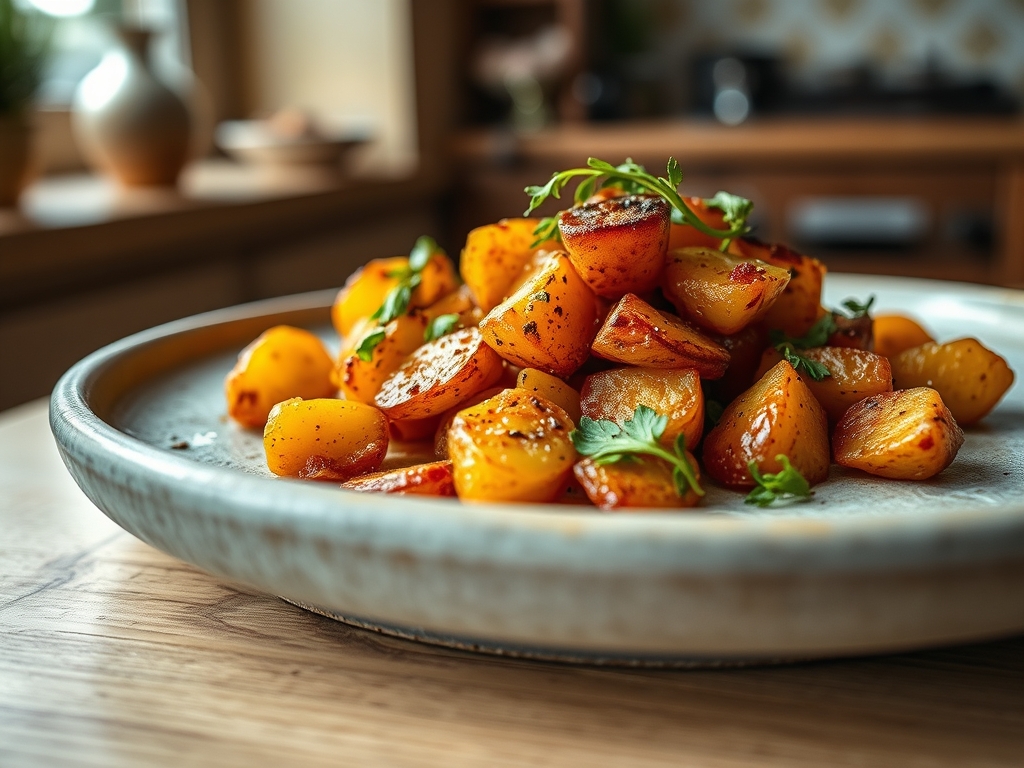
Imagine the sharp, piquant scent of toasted cumin hitting a heavy-bottomed skillet while the earthy aroma of roasting starch fills your kitchen. We are moving beyond the bland side dish. This guide transforms the humble tuber into seven fiery spicy potato recipes that will redefine your weekly dinner rotation with heat, crunch, and scientific precision.
The magic of a perfect spicy potato lies in the contrast between a glass-like exterior and a fluffy, cloud-like interior. When you introduce capsaicin into the mix, you are not just adding heat; you are triggering a sensory experience that makes the natural sugars in the potato sing. Whether you are craving a smoky chipotle mash or crispy serrano-infused wedges, these techniques ensure every bite delivers a sophisticated burn. We are going to treat these potatoes like the culinary royalty they are, using professional methods to ensure your spice blends never scorch and your textures remain elite. Grab your favorite apron and a sharp chef knife; it is time to turn up the heat.
The Gathers:
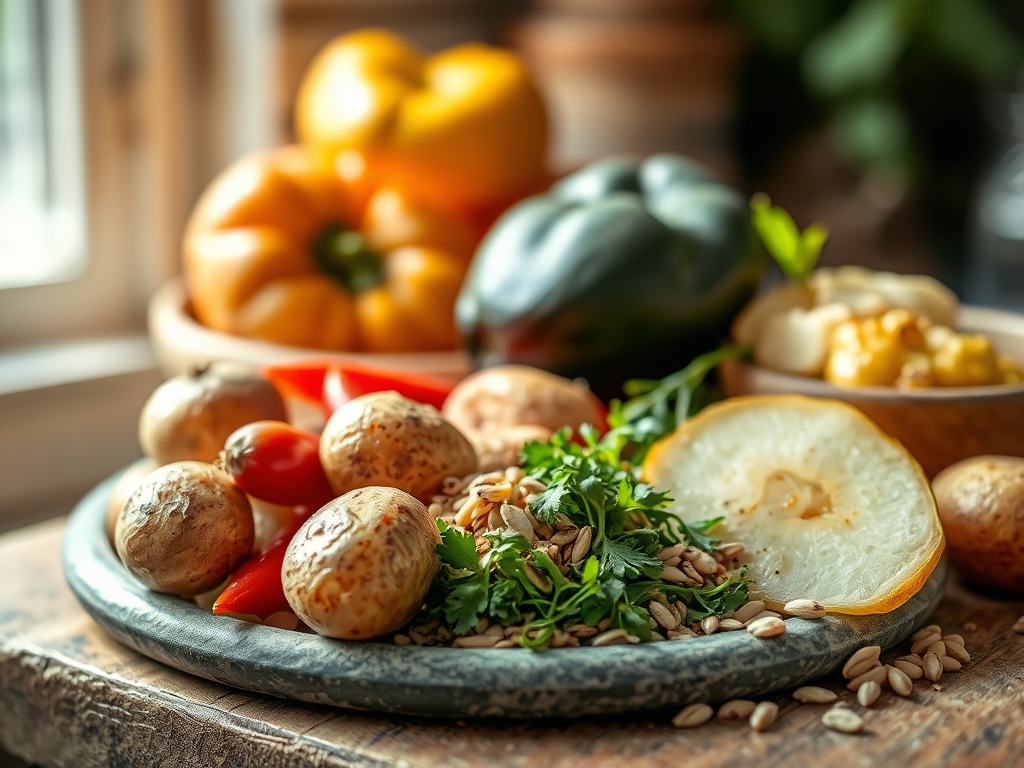
To achieve professional results, your mise-en-place must be meticulous. We start with the star of the show: the Russet or Yukon Gold potato. Russets provide a high starch content perfect for frying; meanwhile, Yukon Golds offer a waxy, buttery texture that holds its shape during a vigorous deglaze. You will need high-smoke-point fats like avocado oil or rendered duck fat to handle the thermal demands of a searing pan.
Our spice kit includes smoked paprika, cayenne pepper, and dried Thai chilies. Use a microplane to zest fresh aromatics like ginger and garlic, ensuring they are fine enough to emulsify into your cooking oils without burning. For the liquid components, keep a viscous hot honey and a bright apple cider vinegar nearby to balance the heat with acidity.
Smart Substitutions: If you are avoiding nightshades, swap the chili heat for a heavy dose of cracked black peppercorns and fresh horseradish. For a lower glycemic index, substitute sweet potatoes, though you must reduce your roasting temperature by twenty degrees to account for the higher sugar content and prevent premature carbonization.
The Clock:
Efficiency in the kitchen is about mastering the Chef's Flow. For these spicy potato recipes, your active prep time is approximately 15 minutes. This involves the mechanical breakdown of the potatoes using a bench scraper for uniform sizing and the blooming of spices. Total cook time ranges from 25 to 40 minutes depending on the specific hack.
The Chef's Flow dictates that you should always start your water boiling or your oven preheating before you touch a knife. While the potatoes undergo their initial parboil, you should be measuring your spices using a digital scale. This overlap ensures that by the time the potatoes are ready for their high-heat finish, your flavor base is already infused and waiting.
The Masterclass:
1. The Parboil and Rough-Up
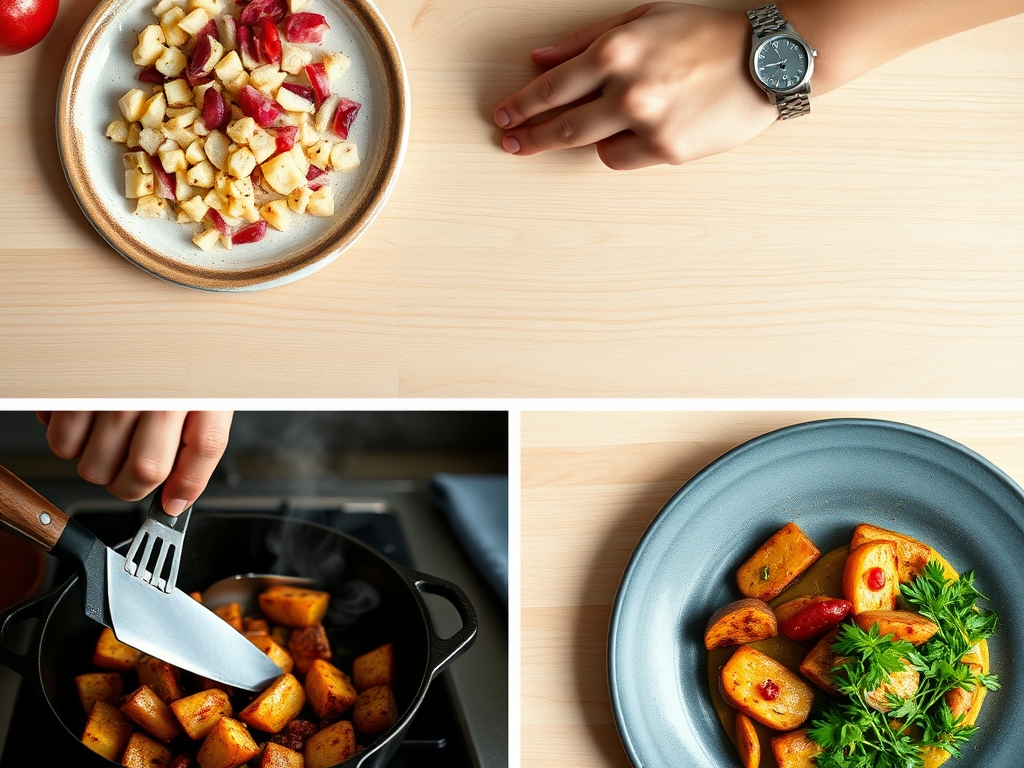
Start by boiling your potato chunks in heavily salted water until the edges are just tender. Drain them and give them a vigorous shake in the pot to create a starchy slurry on the surface.
Pro Tip: This process increases the surface area for the Maillard reaction. By creating a rough, starchy exterior, you provide more "hooks" for the oil and spices to grab, resulting in a crunch that lasts for hours.
2. Blooming the Spices
Heat your oil in a saucier over medium heat and add your dry spices. Stir constantly with a silicone spatula for sixty seconds until the oil changes color and becomes fragrant.
Pro Tip: This is called tempering. Many flavor compounds in chilies are fat-soluble rather than water-soluble. Heating them in oil unlocks aromatic nuances that would otherwise remain trapped in the dried pepper flakes.
3. The High-Heat Roast
Transfer your parboiled potatoes to a preheated sheet pan. Toss them in the infused oil and roast at 425 degrees Fahrenheit, flipping once with metal tongs to ensure even browning.
Pro Tip: Avoid overcrowding the pan to prevent steaming. If potatoes are too close together, the moisture escaping from them creates a humid micro-climate that prevents the exterior from dehydrating and becoming crispy.
4. The Acidic Deglaze
Five minutes before pulling the potatoes from the oven, drizzle them with a mixture of lime juice and hot sauce. The liquid should hiss and evaporate almost instantly.
Pro Tip: This flash-evaporation concentrates the sugars in the sauce while the acidity cuts through the heavy starch. It creates a "glaze" effect rather than a "soggy" effect.
5. The Aerated Mash
For the spicy mash variant, pass your cooked potatoes through a ricer into a warm bowl. Fold in a spicy compound butter made with habanero paste.
Pro Tip: Using a ricer instead of a masher prevents the over-agitation of starch. If you work the potatoes too hard, the starch cells rupture and create a gluey, gummy texture.
6. The Cold-Start Fry
If you are making spicy fries, start them in a skillet with room-temperature oil. Slowly bring the heat up to a simmer.
Pro Tip: This method allows the interior to cook through at the same rate the exterior crisps. It also reduces oil absorption, as the rising temperature creates an internal pressure that pushes oil away from the center.
7. The Final Infusion
Garnish your finished potatoes with fresh cilantro and a dusting of toasted chili threads. Serve immediately while the thermal energy is at its peak.
Pro Tip: Thermal carryover will continue to cook the interior of the potato for several minutes after it leaves the heat source. Pulling them just before they look "perfect" ensures they are ideal by the time they hit the table.
The Deep Dive:
From a macro perspective, potatoes are a powerhouse of potassium and complex carbohydrates. One medium potato provides roughly 160 calories. When paired with the metabolism-boosting properties of capsaicin, these spicy potato recipes become a functional part of a balanced diet.
Dietary Swaps: To make these keto-friendly, swap potatoes for cauliflower florets, though you should skip the parboil step. For a vegan version, replace butter with a high-quality cashew cream or extra virgin olive oil to maintain that luxurious mouthfeel. All these recipes are naturally gluten-free as long as your spice blends do not contain anti-caking agents derived from wheat.
The Fix-It:
- Burnt Spices: If your spices turn black and bitter, you have exceeded the smoke point. Fix this by starting over with fresh oil; you cannot mask the taste of carbonized spices.
- Soggy Potatoes: This usually means your oven temperature was too low. Fix this by finishing the potatoes under the broiler for 120 seconds.
- Too Much Heat: If the spice is overwhelming, drizzle the dish with a yogurt-based sauce or a squeeze of lemon. The fat in the dairy and the acid in the citrus help neutralize the capsaicin.
Meal Prep: To reheat and maintain "day-one" quality, avoid the microwave. Use an air fryer or a toaster oven set to 375 degrees. This removes the moisture that settled into the crust overnight and restores the structural integrity of the potato.
The Wrap-Up:
Mastering spicy potato recipes is about more than just heat; it is a lesson in texture and chemistry. By understanding how starch reacts to heat and how oils carry flavor, you turn a simple pantry staple into a gourmet experience. These seven hacks are designed to fit into your busy life while elevating your palate. Go ahead and experiment with different chili profiles; your kitchen is your laboratory, and the results are going to be delicious.
The Kitchen Table:
Which potato is best for spicy roasting?
Yukon Gold potatoes are ideal because their waxy texture holds up during high-heat roasting. They provide a creamy interior that contrasts perfectly with a spicy, crispy crust, making them the most versatile choice for weekly dinners.
How do I keep my spices from burning in the oven?
Toss your potatoes in oil first, then add the spices during the last ten minutes of roasting. Alternatively, bloom the spices in oil on the stovetop and toss the roasted potatoes in the mixture after they come out of the oven.
Can I make spicy potatoes ahead of time?
Yes, you can parboil and season the potatoes up to 24 hours in advance. Store them in the refrigerator and perform the final high-heat roast just before serving to ensure the exterior remains perfectly crisp and the interior stays fluffy.
Why are my roasted potatoes sticking to the pan?
Potatoes stick when the starch has not yet formed a dehydrated crust. Ensure your pan is preheated before adding the potatoes and use enough fat. Avoid flipping them until they naturally release from the surface of the metal.