
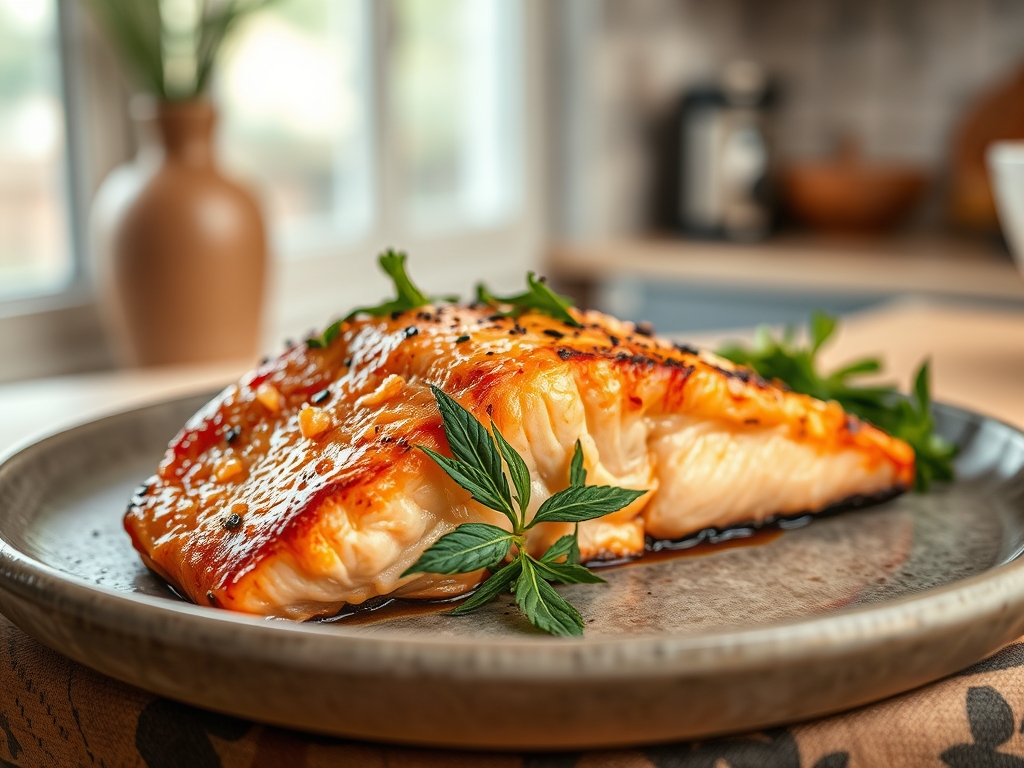
Imagine the sharp, rhythmic snap of a heating element clicking to life while the scent of citrus zest and sea salt begins to permeate your kitchen. We have all been there; staring at a beautiful fillet of fish and dreading the potential mess of a splattering pan or the uneven heat of a conventional oven. This is where the magic happens. Mastering salmon recipes in the air fryer is not just about convenience; it is about harnessing high velocity convection to achieve a crust that shatters under your fork while the interior remains buttery and translucent. We are chasing that perfect contrast between a rendered, crispy skin and a tender, flakey center. By the time the timer dings, you will have a restaurant quality meal that feels like a cheat code for a busy Tuesday. We are talking about high density nutrition met with high speed technology. Let us dive into the chemistry of the perfect sear and the art of the fifteen minute feast.
The Gathers:
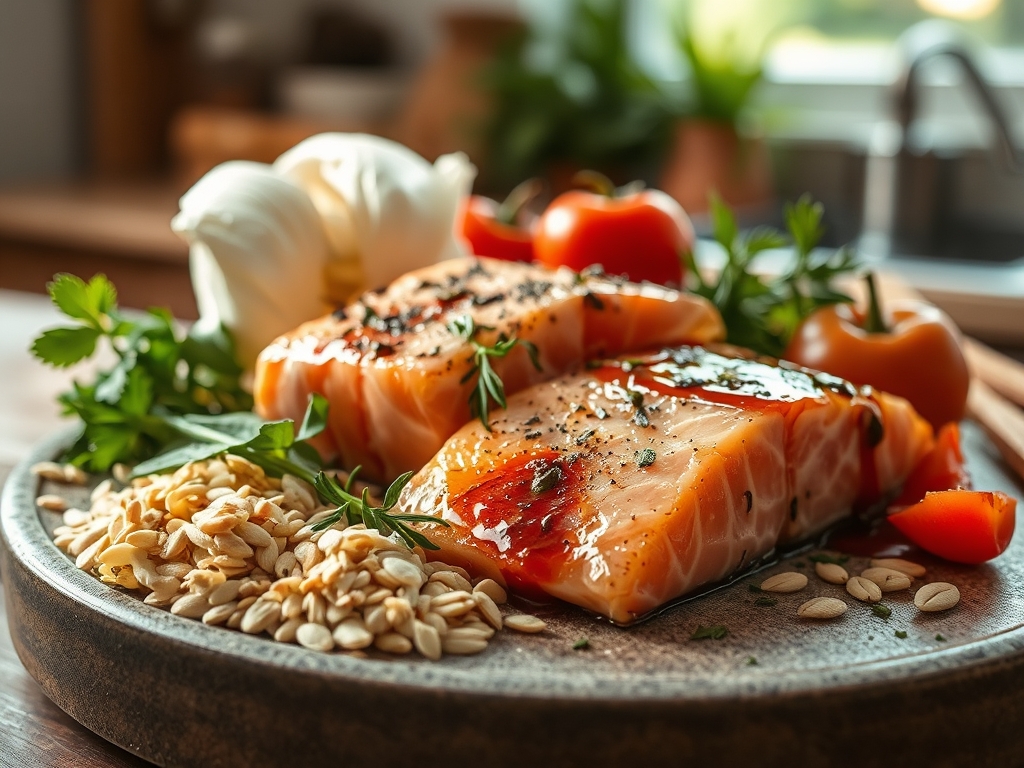
To execute these salmon recipes in the air fryer with precision, your mise-en-place must be intentional. Start with high quality Atlantic or Sockeye fillets, ideally cut into uniform six ounce portions to ensure even thermal distribution. You will need a high smoke point fat, such as avocado oil or clarified butter, to facilitate the Maillard reaction without scorching.
For the flavor profile, gather piquant aromatics: fresh cloves of garlic ready for the microplane, bright lemons for zest, and coarse kosher salt. The salt is non-negotiable; its jagged crystals provide better surface area coverage and help draw out moisture for a superior crunch. If you are looking for smart substitutions, swap honey for maple syrup to gain a deeper, woodsy sweetness, or use coconut aminos instead of soy sauce for a lower sodium, gluten free alternative. Ensure your digital scale is handy if you are tracking macros, as precision in fat application can change the caloric density of the dish significantly.
The Clock
Efficiency is the soul of this method. Your total "Chef's Flow" should clock in at exactly fifteen minutes. This breaks down into five minutes of active prep and ten minutes of inactive cooking time. While the air fryer preheats, which takes roughly three minutes, you are seasoning and prepping your sides. The goal is a seamless transition where your salad is tossed or your grains are fluffed the exact moment the salmon reaches its target internal temperature. This synchronized timing ensures the fish never sits long enough to become viscous or lose its structural integrity.
The Masterclass
1. The Prep and Pat
Before any seasoning touches the flesh, use a paper towel to pat the salmon bone-dry. Moisture is the enemy of the crisp. Use your bench scraper to move the fillets onto a clean workspace without tearing the delicate fibers.
Pro Tip: This step prevents "steaming." If the surface is wet, the energy of the air fryer goes into evaporating water rather than browning the proteins, a process known as latent heat of vaporization.
2. The Oil Infusion
Drizzle a small amount of oil over the fillets and use your hands to massage it in. This ensures the fat acts as a heat conductor, reaching every crevice of the fish.
Pro Tip: Fat is a surfactant that helps the seasonings adhere. By creating a thin, even layer of oil, you facilitate conduction which leads to a more uniform golden-brown finish across the entire fillet.
3. The Seasoning Strike
Sprinkle your dry rub from at least six inches above the fish. This height allows the particles to disperse evenly rather than clumping in one spot. Focus heavily on the skin side if you are keeping it on.
Pro Tip: Salt acts as a denaturant. It begins to break down the tightly wound proteins on the surface, allowing them to brown more effectively when they hit the high heat of the air fryer basket.
4. The Air Fryer Placement
Place the fillets in the basket with at least an inch of space between them. Use your tongs to position them securely. Never overlap, as this creates cold spots and prevents the air from circulating around the sides.
Pro Tip: Air fryers rely on the Bernoulli principle of fluid dynamics. Rapidly moving air creates a high heat environment that mimics deep frying; if you block the airflow, you lose the "fry" effect.
5. The Temperature Check
Set the device to 400 degrees Fahrenheit. For a standard fillet, ten minutes is the sweet spot. Use a digital thermometer to pull the fish when it hits 130 degrees Fahrenheit for a perfect medium.
Pro Tip: Always account for thermal carryover. The internal temperature will continue to rise by 5 to 7 degrees after you remove the fish from the heat source due to residual energy.
6. The Glaze Application
If you are using a sugary glaze, apply it only in the last two minutes of cooking. Use a silicone brush to paint a thin, viscous layer over the top.
Pro Tip: Sugars have a lower burning point than proteins. Applying them too early leads to carbonization (burnt bitter flavors) rather than a pleasant caramelization.
7. The Rest Period
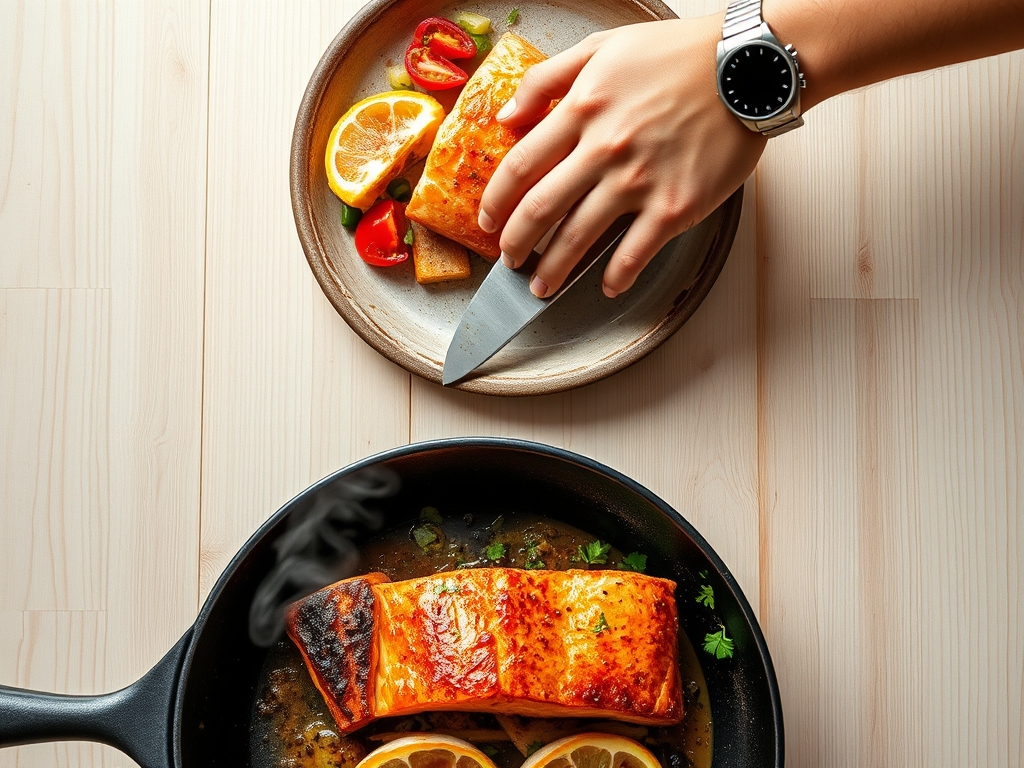
Transfer the salmon to a warm plate and let it rest for three minutes. Do not tent it tightly with foil, as this will trap steam and soften the skin you worked so hard to crisp.
Pro Tip: Resting allows the muscle fibers to reabsorb the juices. If you cut into it immediately, the moisture will leak out, leaving the fish dry and fibrous.
8. The Finishing Acid
Just before serving, use your microplane to grate fresh lemon zest over the top and add a squeeze of juice. The acid cuts through the richness of the omega-3 fats.
Pro Tip: Acid acts as a flavor brightener by stimulating the salivary glands and balancing the heavy, fatty molecules on the palate.
The Deep Dive
When we look at the macro nutrition of salmon recipes in the air fryer, we see a powerhouse of lean protein and healthy fats. A typical six ounce serving provides roughly 34 grams of protein and 20 grams of essential fatty acids. For those following a Keto lifestyle, this is a staple. If you are Vegan, you can apply these same air frying techniques to "salmon" made from marinated tofu or pressed watermelon.
The Fix-It:
If your salmon is "leaking" white stuff, that is albumin. It is perfectly safe but usually means the fish was cooked too fast or at too high a temperature. To fix this, try a quick brine in salt water before cooking. If the skin is sticking, ensure you preheat the basket and apply a light coating of oil to the grate. If the fish feels rubbery, you have likely overcooked it; aim for a lower internal temperature next time.
Meal Prep:
To reheat salmon without it smelling "fishy" or turning into leather, use the air fryer at a lower setting (300 degrees) for only 3 to 4 minutes. This gently re-activates the fats without re-cooking the protein fibers.
The Wrap-Up
You are now equipped to dominate the kitchen with these salmon recipes in the air fryer. By understanding the physics of airflow and the chemistry of the Maillard reaction, you have moved beyond a basic recipe into the realm of culinary mastery. Go forth, grab your tongs, and turn that fillet into a masterpiece.
The Kitchen Table
How do I stop salmon from sticking to the air fryer?
Preheat the basket for three minutes and lightly coat the grate with a high smoke point oil. Alternatively, place the fish on a small piece of perforated parchment paper to allow airflow while preventing protein adhesion to the metal.
Can I cook frozen salmon in the air fryer?
Yes, you can cook from frozen by adding 5 to 7 minutes to the timer. However, for the best texture and seasoning adherence, it is scientifically superior to thaw the fish in a cold water bath first.
What is the best temperature for air fryer salmon?
For most fillets, 400 degrees Fahrenheit is the gold standard. This high heat ensures the exterior undergoes rapid browning and crisping before the delicate interior has a chance to overcook and become dry or fibrous.
Should I leave the skin on the salmon?
Absolutely. The skin acts as a thermal barrier that protects the flesh from drying out. Additionally, the fat layer between the skin and the meat renders during cooking, providing intense flavor and a satisfyingly crunchy texture.