
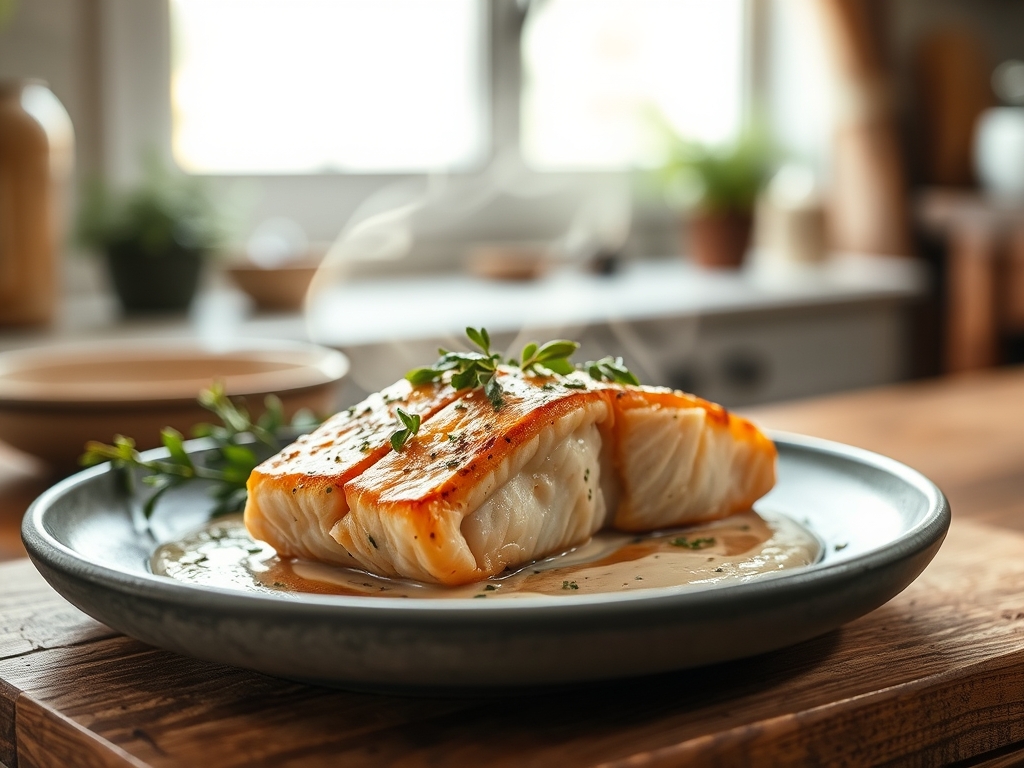
Imagine the sharp, rhythmic sound of a chef's knife hitting a wooden board while the air fills with the scent of rendered fat and fresh herbs. We are diving into the world of keto friendly salmon recipes where high-quality lipids meet the perfect sear. It is about transforming a simple fillet into a masterpiece of cellular nutrition and culinary art.
The secret to a perfect low-carb dinner lies in the interplay between moisture retention and the Maillard reaction. When you hit that hot skillet, you are not just cooking; you are orchestrating a complex chemical transformation that turns amino acids and reducing sugars into a golden crust of flavor. Whether you are a seasoned biohacker or just someone who appreciates a buttery, flaky bite of fish, these seven variations will redefine your weeknight routine. We are moving beyond the basic steamed fillet and entering a realm of emulsified fats, piquant aromatics, and crisp textures that keep your glucose stable and your palate thrilled.
The Gathers:
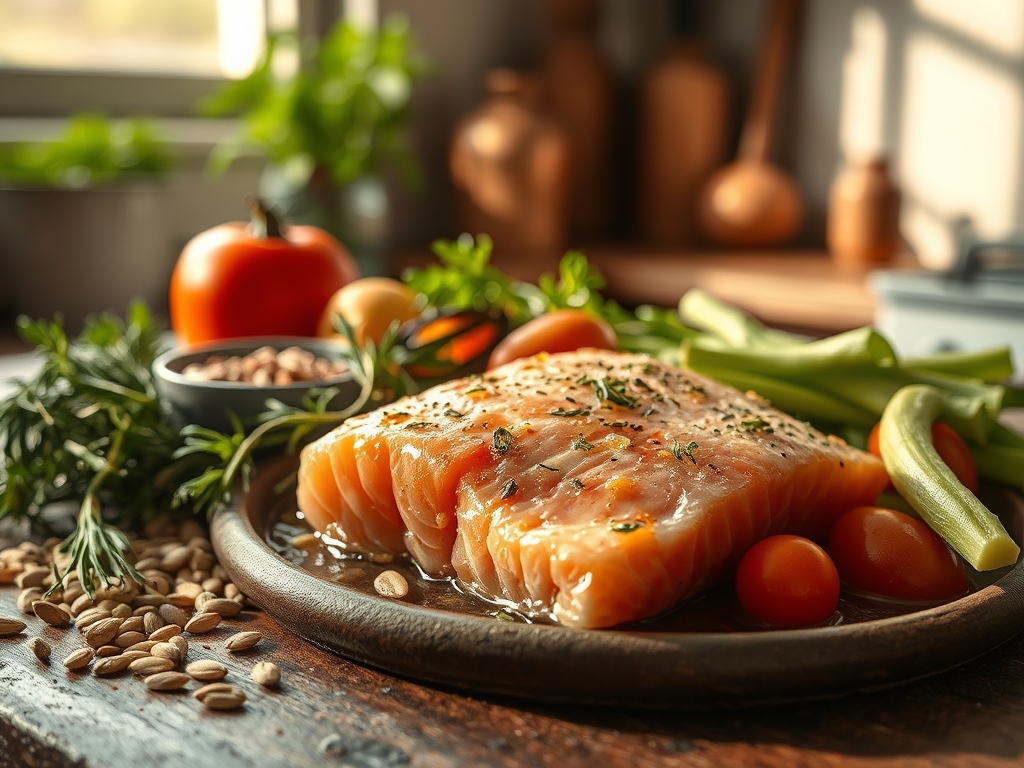
To execute these keto friendly salmon recipes with precision, your mise-en-place must be impeccable. Start with wild-caught King or Sockeye salmon; these species offer a higher concentration of Omega-3 fatty acids and a more robust muscular structure that holds up under high heat. You will need a heavy-bottomed skillet, preferably cast iron or carbon steel, to ensure even thermal distribution.
For the fats, gather grass-fed ghee and cold-pressed avocado oil. These have high smoke points, allowing you to render the salmon skin until it achieves a glass-like shatter without oxidizing the oil. Your aromatics should include fresh dill, flat-leaf parsley, and garlic cloves that you will crush to release their essential oils. Use a microplane to zest organic lemons, providing a bright, acidic lift that cuts through the viscous nature of the fish oils.
Smart Substitutions are key for maintaining a ketogenic profile. Instead of honey or sugar for glazes, utilize liquid allulose or a pinch of monk fruit erythritol blend; these provide the necessary viscosity for a glaze without the glycemic spike. Replace heavy starch thickeners with cold-pressed cream or a touch of xanthan gum to create a luxurious mouthfeel in your sauces. Always keep a digital scale nearby to ensure your macros are calculated to the gram.
The Clock
Efficiency in the kitchen is about mastering the "Chef's Flow." For these keto friendly salmon recipes, total active time rarely exceeds 15 minutes, while the total duration from fridge to table sits at a comfortable 25 minutes. The flow begins with "Tempering." Take your fish out of the refrigerator 20 minutes before cooking. This prevents the "cold core" phenomenon where the exterior overcooks while the center remains raw.
While the fish tempers, use a bench scraper to organize your chopped herbs and minced garlic. Prep your side dishes first; since salmon cooks so rapidly, your roasted asparagus or cauliflower rice should be nearly finished before the fish even touches the pan. This sequence ensures that the salmon is served at its peak temperature, preventing the albumin (that white protein) from weeping out due to overexposure to heat.
The Masterclass
1. The Surface Prep
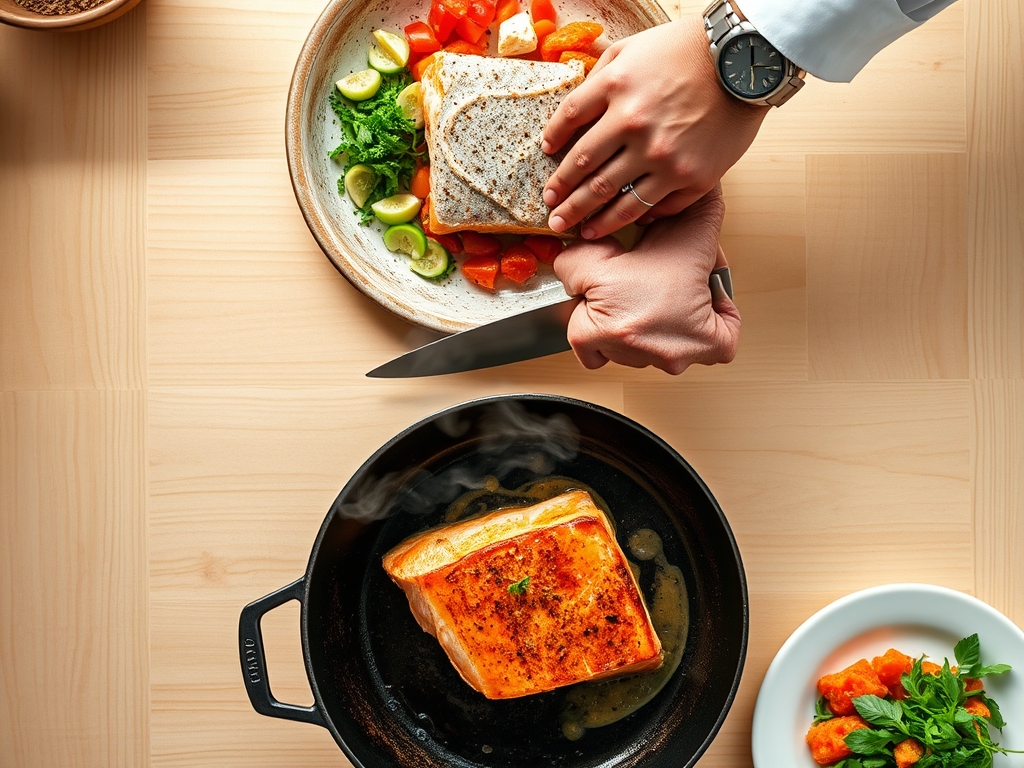
Use a paper towel to pat the salmon skin bone-dry. Moisture is the enemy of the sear; any residual water will create a layer of steam that prevents the skin from crisping. Use a bench scraper to gently scrape the skin side to remove excess moisture.
Pro Tip: This is about evaporative cooling. If the surface is wet, the temperature cannot rise above 212 degrees Fahrenheit, which is too low for the Maillard reaction to occur.
2. The Seasoning Bridge
Season generously with flaky sea salt and cracked black pepper from at least twelve inches above the fillet. This ensures an even distribution of minerals. Do not add herbs yet, as they will burn in the initial high-heat phase.
Pro Tip: Salt acts as a denaturant, breaking down tightly wound proteins on the surface, which eventually leads to a more tender texture and better crust formation.
3. The Sear Execution
Heat your avocado oil until it reaches the shimmering point. Place the salmon skin-side down using tongs, pressing firmly for ten seconds to prevent the skin from curling. Lower the heat slightly to medium-high to allow the heat to penetrate the flesh without scorching the exterior.
Pro Tip: Pressing the fish ensures maximum surface-to-pan contact, which facilitates efficient thermal transfer and a uniform golden-brown color.
4. The Butter Baste
Once the skin is crisp, flip the fillet. Add a knob of ghee, crushed garlic, and thyme to the pan. Use a saucier spoon to continuously pour the hot, infused fat over the fish. This is known as "arrosé."
Pro Tip: Basting utilizes convection heating. The hot fat carries the flavor of the aromatics into the crevices of the fish while gently finishing the cooking process.
5. The Rest and Carryover
Remove the fish when it reaches an internal temperature of 125 degrees Fahrenheit. Place it on a warm plate and let it rest for three to five minutes.
Pro Tip: Thermal carryover will raise the internal temperature by another 5 to 10 degrees. Resting allows the muscle fibers to relax and reabsorb juices, ensuring a succulent bite.
The Deep Dive
When analyzing the macros of these keto friendly salmon recipes, you are looking at a powerhouse of nutrition. A standard 6-ounce portion provides roughly 34 grams of protein and 22 grams of healthy fats, with zero net carbs. This ratio is ideal for maintaining nutritional ketosis while supporting muscle repair and cognitive function.
For dietary swaps, vegans can replicate the texture using marinated "salmon" made from compressed watermelon or tofu, though the fat profile will differ. For those who are strictly gluten-free, these recipes are naturally compliant as long as you avoid cross-contaminated spices. If you find your sauce is breaking (separating), the "Fix-It" is simple: whisk in a teaspoon of warm water or heavy cream to re-emulsify the fats. If the skin sticks to the pan, you likely tried to flip it too early; wait for protein release, where the crust naturally detaches from the metal. If the fish is dry, you likely missed the carryover window; aim for a translucent center next time.
For meal prep, reheating salmon requires a delicate touch. Avoid the microwave, which turns the fats rancid and the texture rubbery. Instead, use a low-temperature oven (275 degrees) with a splash of water covered in foil to "steam-heat" the fish back to life, preserving that day-one quality.
The Wrap-Up
Mastering keto friendly salmon recipes is the ultimate flex for your healthy lifestyle. By understanding the physics of the sear and the chemistry of the baste, you turn a simple ingredient into a gourmet experience. These meals are fast, nutrient-dense, and incredibly satisfying. Now, grab your favorite skillet and get to work; your body and your taste buds will thank you for the effort.
The Kitchen Table
How do I keep salmon skin from sticking?
Ensure your pan is preheated and the fish skin is bone-dry. Use a high-smoke-point oil and do not attempt to flip the fillet until the proteins have naturally released from the surface, creating a crisp, golden crust.
What is the best internal temperature for keto salmon?
For a moist, flaky texture, pull the salmon off the heat at 125 degrees Fahrenheit. Carryover cooking will bring it to a perfect medium-rare of 130 to 135 degrees, preventing the protein from becoming tough or dry.
Can I use frozen salmon for keto recipes?
Yes, but you must thaw it completely in the refrigerator and pat it dry. Frozen fish often contains extra moisture, so extra care is needed to ensure you achieve a sear rather than accidentally steaming the fillet.
Is wild-caught salmon better for keto than farmed?
Wild-caught salmon typically has a superior Omega-3 to Omega-6 ratio and a cleaner flavor profile. While farmed salmon is higher in total fat, wild-caught varieties provide higher-quality micronutrients essential for a healthy ketogenic lifestyle.