
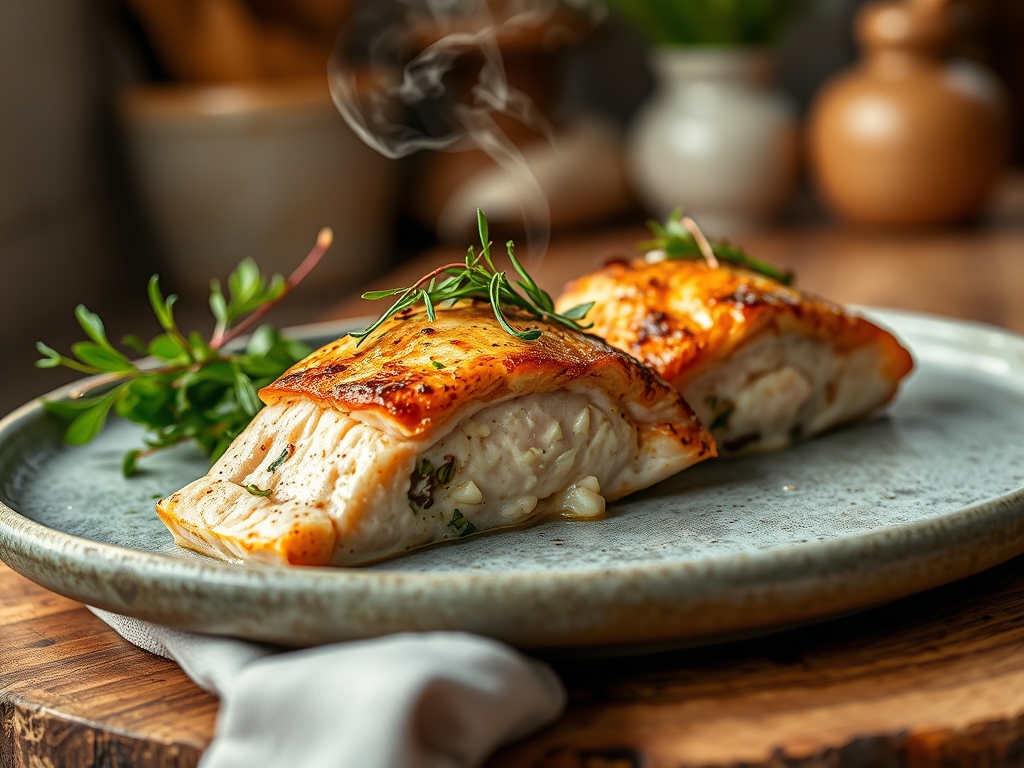
Imagine the sound of a heavy bottomed skillet meeting a high flame; it is a percussive prelude to the most luxurious meal you will make this year. When searching for stuffed salmon recipes with crab meat, you are not just looking for dinner; you are looking for a textural masterpiece. The salmon offers a rich, fatty canvas of Omega-3s, while the crab provides a sweet, delicate counterpoint that feels like pure indulgence. We are aiming for that perfect interplay between a crisp, seared exterior and a molten, savory core. This is where high end culinary technique meets the comfort of a home kitchen. We will be manipulating proteins and fats to ensure every bite is succulent rather than dry. By the time we are finished, you will understand exactly how to balance the saline snap of the ocean with the buttery depth of a perfect stuffing. Get your digital scale ready because precision is the secret ingredient to decadence.
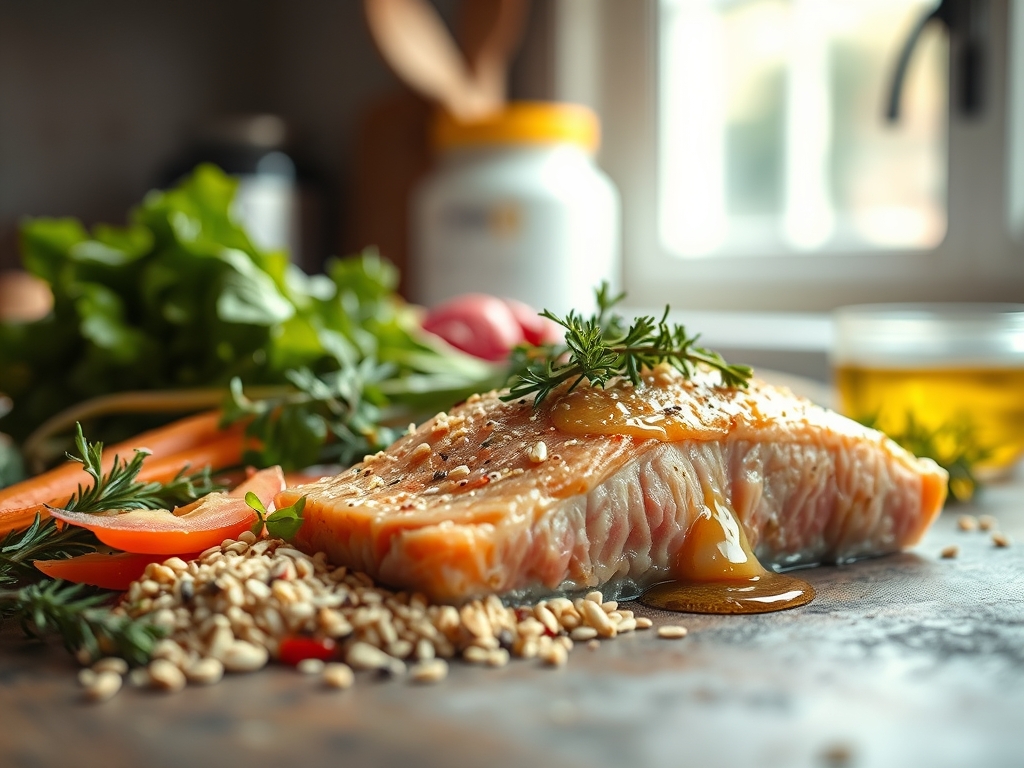
The Gathers:
Before we ignite the burners, we must assemble our mise-en-place with clinical precision. You will need six ounce center cut salmon fillets; look for deep pigmentation which indicates a high astaxanthin content. For the filling, choose lump crab meat rather than claw meat to ensure large, sweet morsels that hold their shape during the stuffing process. You will also need a high quality cream cheese to act as a viscous binder, a handful of piquant capers, and fresh dill to infuse the mixture with herbaceous notes.
The science of the "Gathers" relies on temperature control. Your cream cheese must be softened to exactly room temperature to allow for proper aeration when mixing. If it is too cold, you will end up with clumps; if it is too warm, the stuffing will leak out of the fish before the proteins can set. For smart substitutions, you can swap the cream cheese for a thick Greek yogurt if you want a sharper tang, or use crushed pork rinds instead of breadcrumbs for a grain free binder that still offers a satisfying crunch. Use a microplane to zest a lemon directly into your bowl; the volatile oils in the zest are far more potent than the juice alone.
The Clock:
The "Chef's Flow" is all about managing your timeline so the fish hits the table at its peak. Total preparation time is approximately 20 minutes, which includes the delicate task of butterfly cutting the fillets. The cook time is a swift 12 to 15 minutes depending on the thickness of your cut.
Start by preparing your stuffing first. This allows the flavors to meld and the mixture to firm up slightly in the refrigerator while you prep the salmon. If you are hosting a dinner party, you can stuff the salmon up to four hours in advance. However, do not salt the exterior of the fish until the very second it hits the pan. Salt draws out moisture through osmosis, and a wet surface is the enemy of a golden, crispy crust.
The Masterclass:
1. The Precision Pocket
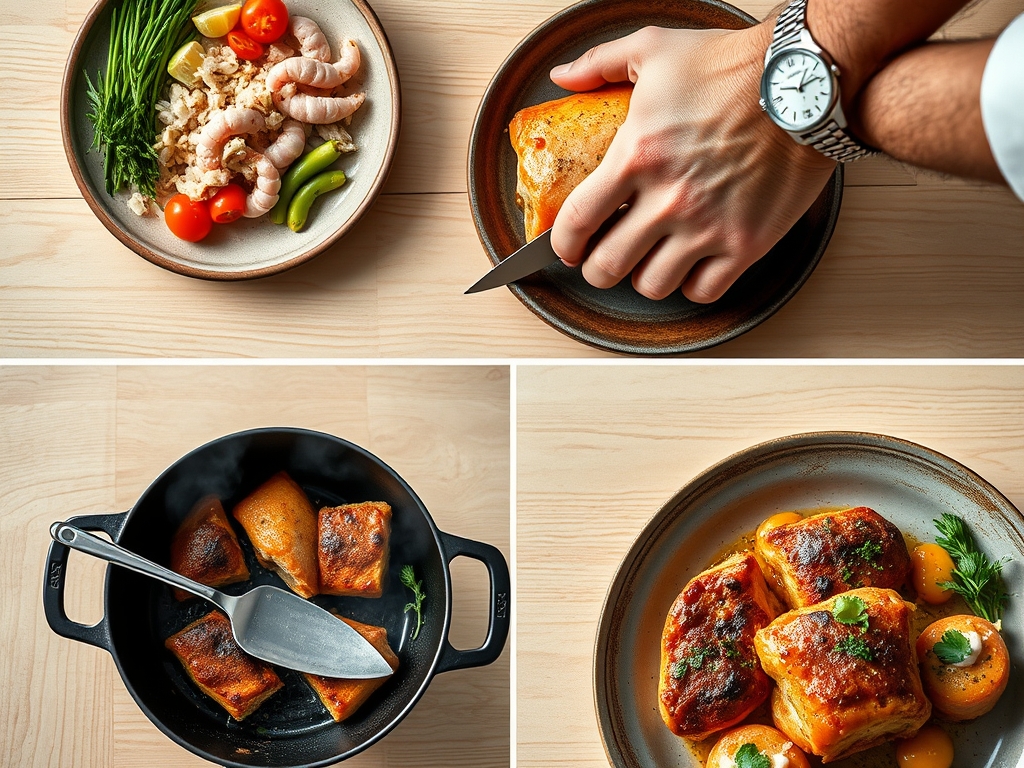
Place your fillet flat on a cutting board and use a sharp paring knife to slice a horizontal pocket into the thickest part of the fish. Be careful not to cut all the way through the other side.
Pro Tip: This creates a physical barrier that traps steam inside the pocket, utilizing conductive heat to cook the crab filling gently while the salmon protects it from direct flame.
2. The Emulsified Filling
In a small bowl, fold together your crab, cream cheese, lemon zest, and seasonings. Use a rubber spatula to combine until the mixture is a cohesive, viscous paste.
Pro Tip: Do not overwork the crab. You want to maintain the structural integrity of the lumps to create "pockets of joy" that provide a different mouthfeel than the surrounding salmon.
3. The Stuffing Technique
Using a small spoon or a piping bag, generously fill each pocket. Press down slightly to ensure there are no air gaps, as air is a poor conductor of heat and can lead to uneven cooking.
Pro Tip: Cold filling in a room temperature fish creates a thermal gradient. This ensures the salmon finishes perfectly at 145 degrees Fahrenheit just as the center reaches a safe, creamy consistency.
4. The Searing Phase
Heat a heavy bottomed skillet with a high smoke point oil like avocado oil. Once the oil shimmers, place the salmon skin side down.
Pro Tip: This initiates the Maillard reaction, a chemical reaction between amino acids and reducing sugars that gives browned food its distinctive flavor. Don't move the fish for at least four minutes.
5. The Butter Baste
In the final two minutes of cooking, drop a knob of butter and a sprig of thyme into the pan. Use a large spoon to continuously pour the foaming butter over the top of the fish.
Pro Tip: This is called arrosé. The hot fat carries the aromatics into the crevices of the stuffing and ensures the top of the salmon stays moist without needing to flip it and risk losing the filling.
The Deep Dive:
When we look at the macro nutrition, this dish is a powerhouse. A single serving typically contains 35g of protein and 22g of healthy fats, making it an ideal choice for metabolic health. For those with dietary restrictions, this recipe is naturally gluten free if you omit breadcrumbs. To make it Keto, ensure your cream cheese is full fat and avoid any honey based glazes. If you are looking for a vegan alternative, hearts of palm can be shredded and seasoned with Old Bay to mimic the texture and saline profile of crab meat perfectly.
The biggest pitfall in stuffed salmon recipes with crab meat is "The Leak." If your stuffing is oozing out, your heat is likely too low, causing the proteins to contract slowly and squeeze the filling out. Fix this by ensuring your pan is searing hot before entry. Another issue is "The Soggy Bottom." If the skin isn't crispy, you didn't dry the fish enough. Use a paper towel to press every drop of moisture off the skin before it hits the oil. Finally, if the fish feels "rubbery," you have overcooked it. Always use a digital thermometer and pull the fish at 140 degrees; thermal carryover will bring it to the perfect 145 degrees while it rests.
For meal prep, reheating salmon is a delicate science. Avoid the microwave, which vibrates water molecules and toughens the protein fibers. Instead, place the leftover salmon in a 275 degree oven with a splash of water in the pan, covered tightly with foil. This creates a mini steam chamber that restores the viscous texture of the crab without drying out the fish.
The Wrap-Up:
You have just mastered one of the most elegant dishes in the culinary repertoire. By understanding the relationship between heat, fat, and protein, you have elevated a simple piece of seafood into a five star experience. Remember that great cooking is as much about the "why" as the "how." Whether you are serving this for a quiet weeknight or a grand celebration, the confidence you bring to the stove will be the most palpable ingredient. Now, grab your tongs, plate your masterpiece, and enjoy the fruits of your scientific labor!
The Kitchen Table:
How do I know when the crab stuffing is safe to eat?
Since most canned lump crab is pre cooked, you only need to reach an internal temperature of 145 degrees Fahrenheit. This ensures the salmon is flakey and the cream cheese binder has reached a safe, melted consistency for consumption.
Can I use frozen salmon for this recipe?
Yes, but you must thaw it completely in the refrigerator and pat it extremely dry. Frozen fish often contains extra moisture which can interfere with the Maillard reaction, leading to steaming rather than a proper golden sear in the pan.
What is the best way to prevent the stuffing from falling out?
Use a toothpick to "stitch" the opening of the salmon pocket closed before cooking. Alternatively, starting the fish skin side down in a very hot skillet helps the protein "set" quickly, creating a firm structure that holds the filling in place.
Why does my crab meat taste "fishy" rather than sweet?
This usually happens if the crab isn't fresh or wasn't drained properly. Rinse canned crab under cold water and pat dry, then toss with a little lemon juice. The citric acid neutralizes the amines responsible for that overly fishy odor.