
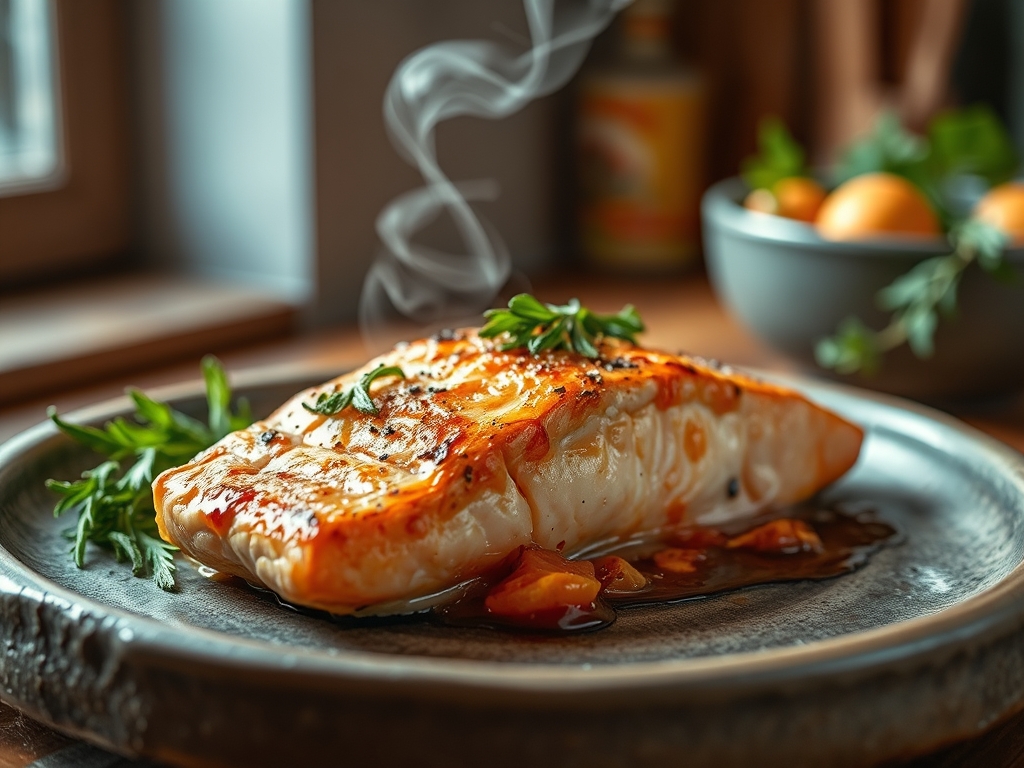
Imagine the scent of coastal lemon groves colliding with the savory, fat-slicked aroma of a roasting fillet. This is the sensory hallmark of the best mediterranean baked salmon recipes. The skin crackles under intense heat while the flesh remains a translucent, buttery pink. It is a masterclass in thermal balance; a dish that feels like a luxury but functions like a weeknight staple.
Achieving this result requires more than just throwing fish in an oven. We are hunting for that perfect intersection of acidity, fat, and herbaceous brightness. When you master the science of the sear and the gentle finish of a slow roast, you unlock a version of salmon that is lightyears beyond the dry, chalky slabs often served at mediocre catering halls. We are going deep into the chemistry of the Maillard reaction and the physics of protein coagulation. Grab your favorite apron and let's get into the technical beauty of Mediterranean cooking.
The Gathers:
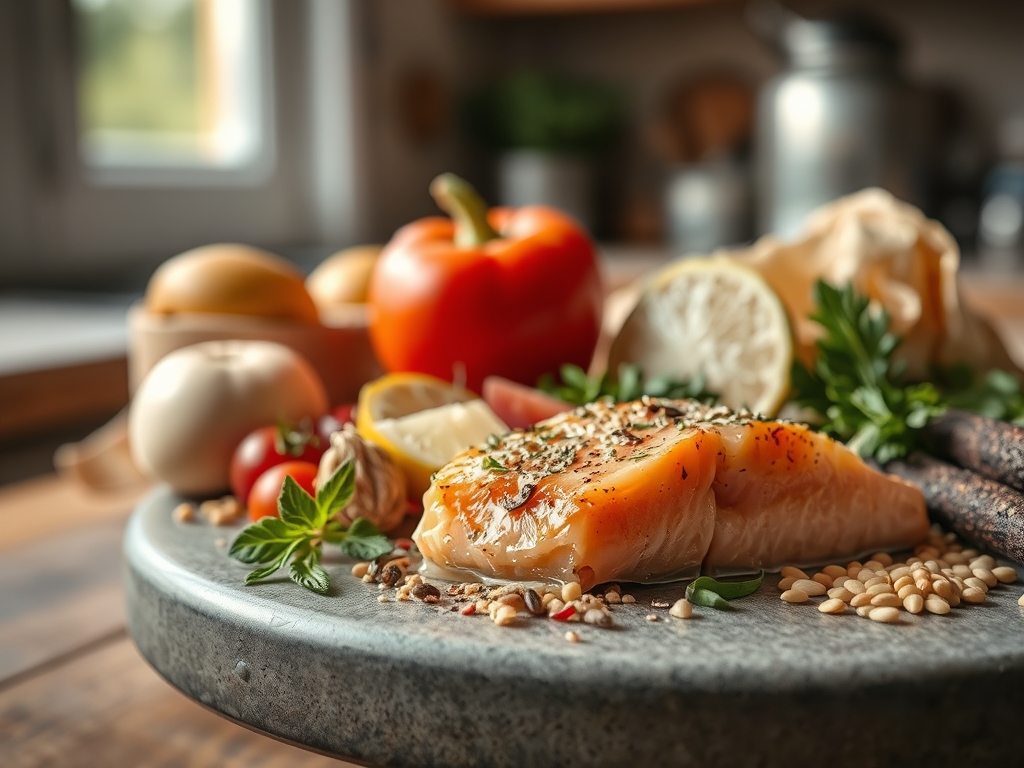
To execute these mediterranean baked salmon recipes with precision, your mise-en-place must be immaculate. We start with a high-quality center-cut Atlantic or King salmon fillet. Look for deep pigmentation and firm muscle structure. The fat should be well-marbled, not leaking.
You will need a microplane for zesting organic lemons; this tool ensures you only capture the oil-rich flavedo and not the bitter white pith. Your aromatics include fresh oregano, flat-leaf parsley, and piquant capers. For the fat, use a cold-pressed extra virgin olive oil with a high polyphenol count. This provides a viscous mouthfeel and a peppery finish that cuts through the rich omega-3s of the fish.
Smart Substitutions:
If you cannot find fresh oregano, use half the amount of dried, but rub it between your palms to aerate the oils before adding it to your marinade. If you are avoiding nightshades, swap the traditional paprika for a pinch of sumac to maintain that earthy, citrus-forward profile. For a salt alternative, use a splash of high-quality fish sauce; it adds a deep umami layer without making the dish taste "fishy."
The Clock:
Efficiency in the kitchen is about managing the Chef's Flow. This is the sequence of operations that ensures no ingredient sits idle for too long.
Total Prep Time: 15 minutes. This includes the time to pat the fish dry (essential for crust formation) and the precise chopping of herbs.
Total Cook Time: 12 to 18 minutes, depending on the thickness of your fillet.
Resting Time: 5 minutes.
The flow begins with preheating your oven to a staggering 425 degrees Fahrenheit. While the oven stabilizes, you prepare your herb slurry. By the time your digital scale confirms your portions are even, the oven is a heat-sink ready to transform raw protein into a culinary masterpiece.
The Masterclass:
1. The Desiccation Phase
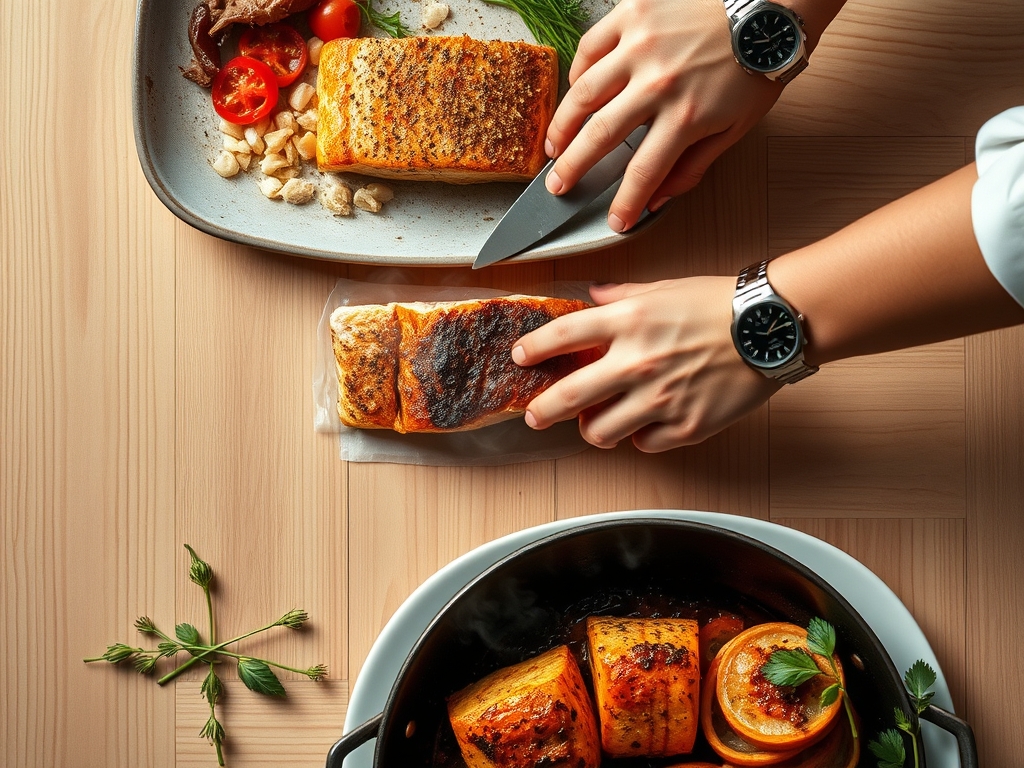
Before a single drop of oil touches the fish, you must use a paper towel to remove every trace of surface moisture. Moisture is the enemy of the Maillard reaction. If the surface is damp, the energy of the oven will be spent evaporating water rather than browning the protein.
Pro Tip: This is known as surface dehydration. By removing moisture, you allow the surface temperature to rise rapidly above 285 degrees Fahrenheit, triggering the chemical reaction between amino acids and reducing sugars that creates savory complexity.
2. The Infusion Slurry
In a small bowl, whisk together your olive oil, minced garlic, lemon zest, and herbs. You are creating an emulsion that will coat the fish. Use a pastry brush to apply this thick, green paste generously over the top of the salmon.
Pro Tip: Garlic contains allicin, which is released when the cell walls are ruptured. By mixing it into the oil first, you infuse the fat with flavor, protecting the delicate garlic bits from burning in the high heat of the oven.
3. The High-Heat Blast
Slide your salmon into the center rack of the oven. The goal here is a rapid transfer of thermal energy. You want the exterior to set and the fats to render slightly, creating a self-basting effect as the oil drips down the sides of the fillet.
Pro Tip: Use a heavy-bottomed skillet or a preheated sheet pan. The conductive heat from the metal will cook the bottom of the fish simultaneously with the convective heat of the air, ensuring an even cook through the thickest part of the fillet.
4. The Carryover Finish
Pull the salmon when an instant-read thermometer hits 130 degrees Fahrenheit for medium-rare. Do not wait until it reaches the final serving temperature. Transfer the fish to a warm plate using wide tongs or a fish spatula.
Pro Tip: This is thermal carryover. The residual heat trapped in the dense muscle fibers will continue to cook the fish for several minutes after it leaves the oven, bringing it to a perfect, flakey 135 to 140 degrees without drying it out.
The Deep Dive:
Macro Nutrition:
Salmon is a nutritional powerhouse. A 6-ounce portion typically provides 34 grams of high-quality protein and about 20 grams of healthy fats, primarily monounsaturated and polyunsaturated. It is naturally low in carbohydrates, making it a cornerstone of the Mediterranean diet.
Dietary Swaps:
- Vegan: Swap the salmon for thick "steaks" of cauliflower or firm tofu. Use the same marinade but increase the roasting time for cauliflower to ensure caramelization.
- Keto: This recipe is naturally keto-friendly. Increase the fat content by serving with a side of homemade olive oil mayonnaise or a dollop of Greek yogurt.
- GF: This dish is naturally gluten-free. Just ensure your spices are certified to avoid cross-contamination.
The Fix-It: Common Pitfalls
- The White Gunk: If you see white streaks (albumin) pushing out of the fish, you have cooked it too fast or too long. The muscle fibers have contracted so tightly they are squeezing out the internal protein. Next time, lower the temp by 25 degrees.
- Soggy Bottom: This happens if the fish sits in its own juices. Use a wire rack set inside your baking sheet to allow air to circulate entirely around the fillet.
- Burnt Herbs: If your fresh herbs turn black, you likely placed them on top without enough oil. Ensure they are fully submerged in the oil slurry to protect them from direct heat.
Meal Prep & Reheating:
To maintain "day-one" quality, never microwave salmon. The high-frequency waves vibrate the water molecules too violently, toughening the protein. Instead, reheat in a 300-degree oven for 8 minutes with a splash of water and a cover to create a gentle steam environment.
The Wrap-Up:
Mastering mediterranean baked salmon recipes is about respecting the ingredient and understanding the physics of heat. When you combine the piquant punch of lemons and capers with the silky texture of perfectly roasted fish, you aren't just making dinner; you are practicing an ancient, healthy art form. Use your tools, trust your thermometer, and don't be afraid of high heat. Your kitchen is now a sanctuary of Mediterranean flavor.
The Kitchen Table:
How do I know when the salmon is done without a thermometer?
Press the thickest part of the fillet gently with a fork. If the flesh separates easily along the natural white lines (the fat layers), it is ready. The center should still look slightly translucent rather than opaque.
Can I use frozen salmon for this recipe?
Yes, but you must thaw it completely in the refrigerator first. Pat it extremely dry with paper towels to remove excess moisture from the freezing process, which can prevent the herbs from adhering and the skin from crisping.
What is the best way to store leftovers?
Place the cooled salmon in an airtight glass container. It will stay fresh for up to three days. For the best flavor, flake the cold salmon over a salad the next day rather than reheating it to avoid overcooking.
Why does my salmon smell "fishy" after cooking?
Fresh salmon should smell like the ocean, not "fishy." This odor is caused by TMAO breaking down into TMA. To neutralize it, rinse the raw fish in cold water and pat dry, or use an acidic marinade.