
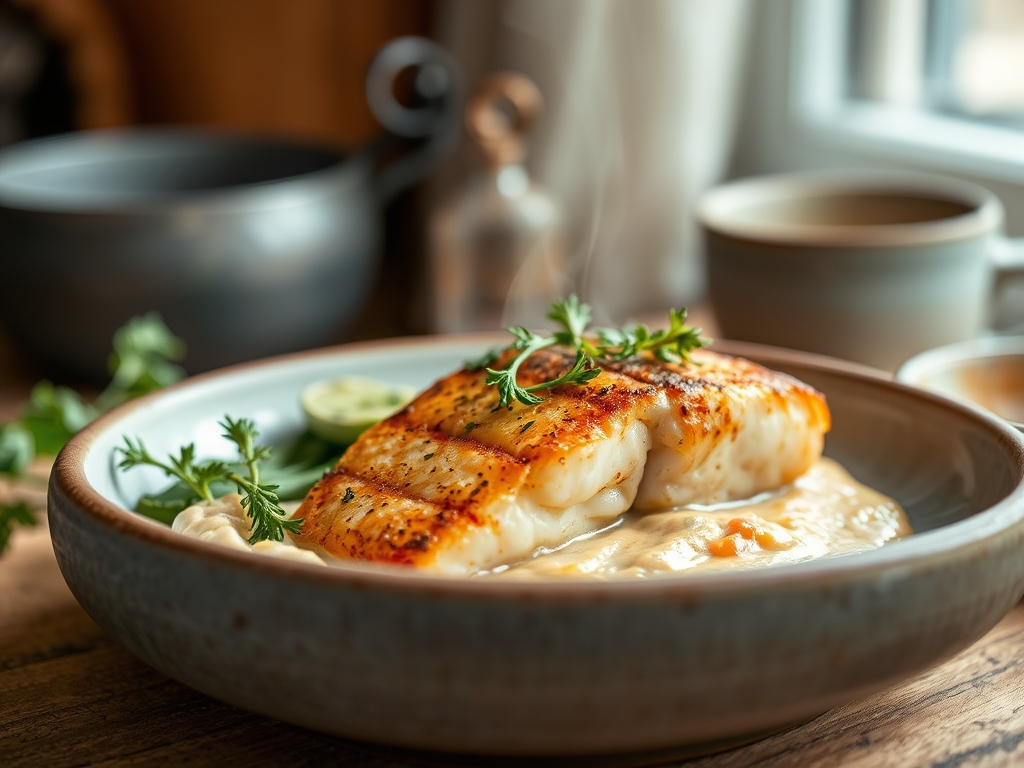
Imagine the sharp hiss of a cold fillet hitting a scorching pan; the sound is a promise of a crisp, golden crust and a buttery, translucent center. When you are juggling a career and a social life, the last thing you need is a mountain of dishes. That is why mastering one pot salmon recipes is your ultimate culinary cheat code for weeknight elegance. We are talking about high-impact flavor with minimal cleanup, using the same vessel to sear, sauté, and simmer. It is not just about convenience; it is about the way the fat from the fish renders down to coat your grains or greens in a rich, omega-rich glaze. We are diving into seven distinct flavor profiles that will turn your heavy-bottomed skillet into a five-star kitchen. From zesty Mediterranean lemon-caper infusions to spicy honey-garlic glazes that caramelize into a sticky lacquer, these meals are designed to impress without the stress. Grab your favorite apron and a glass of crisp Sauvignon Blanc; we are about to elevate your Tuesday night dinner into a masterclass of efficiency and taste.
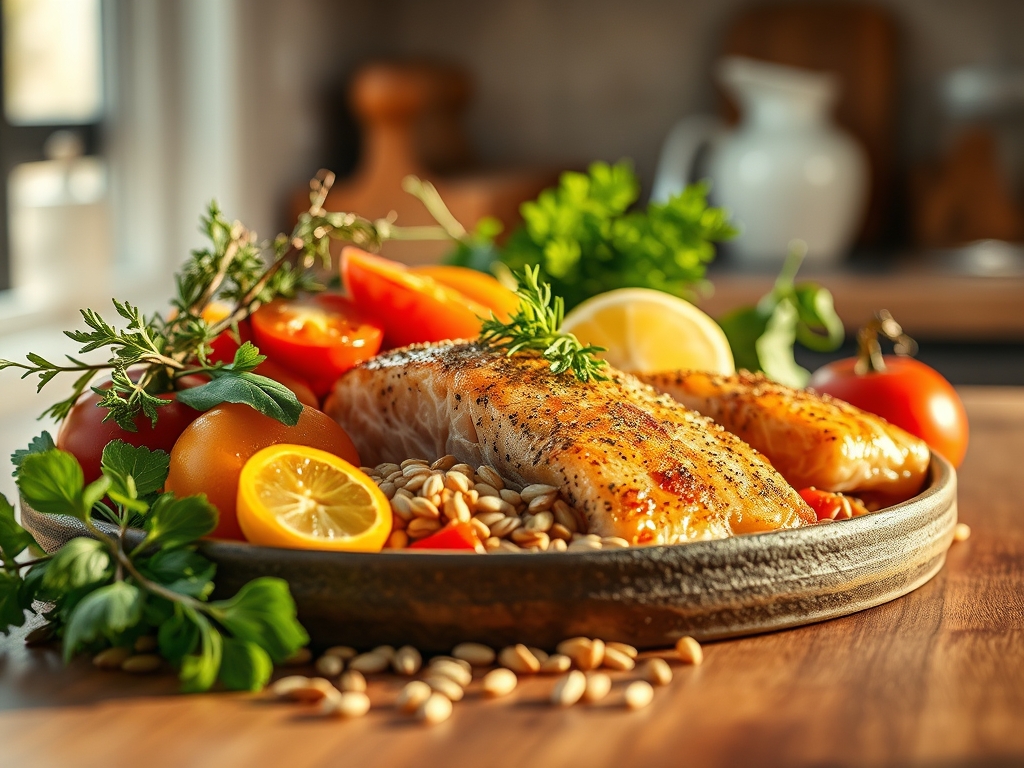
The Gathers:
Setting your stage, or mise-en-place, is where the science begins. For these one pot salmon recipes, you need high-quality Atlantic or Sockeye fillets; look for deep pigmentation, which indicates high astaxanthin levels. Your aromatics should be prepped with precision. Use a sharp chef knife to create a uniform dice of shallots and garlic to ensure even caramelization. You will also need a microplane for zesting citrus and grating fresh ginger; this tool maximizes surface area, allowing the essential oils to infuse your cooking fats instantly.
For the liquids, keep a high-quality chicken or vegetable stock nearby, alongside a viscous heavy cream or full-fat coconut milk for emulsification. If you are looking for smart substitutions, swap white rice for pearl couscous or quinoa to adjust the fiber content. If you are avoiding dairy, a splash of pasta water combined with nutritional yeast can mimic that creamy mouthfeel. Always keep a digital scale handy to portion your proteins accurately, ensuring that every fillet in the pan reaches the ideal internal temperature at the exact same moment.
The Clock
Efficiency in the kitchen is all about the "Chef's Flow." Most of these one pot salmon recipes require only 10 to 15 minutes of active prep and 12 to 18 minutes of actual heat time. The secret is the sequence. You start by searing the protein to develop the Maillard reaction, then remove it briefly to build your sauce and cook your base (grains or veggies). By the time your starch is tender, the salmon is ready to be nestled back into the pot for a final steam. This "staggered start" method ensures that your fish never becomes a rubbery, overcooked tragedy while your rice is still crunchy.
The Masterclass
1. The Sear and Render
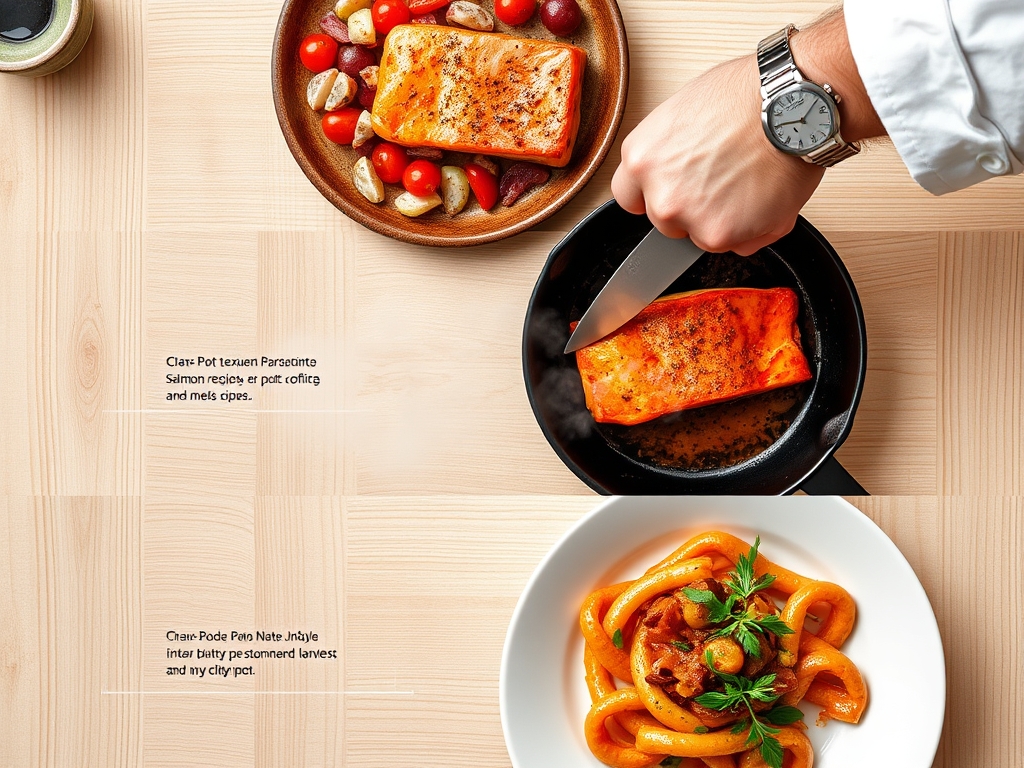
Pat your salmon fillets bone-dry with a paper towel. Moisture is the enemy of a good sear. Heat a heavy-bottomed skillet over medium-high heat with a high-smoke-point oil like avocado or grapeseed. Place the salmon skin-side down and press gently with a fish spatula to ensure total surface contact.
Pro Tip: This initial sear initiates enzymatic browning, creating complex flavor molecules. By pressing the fish, you prevent the protein fibers from curling, ensuring an even, crispy skin that acts as a thermal barrier for the delicate flesh above.
2. Deglazing the Fond
Once the salmon is 70 percent cooked, remove it to a warm plate. You will see brown bits stuck to the bottom of the pan; this is "fond," and it is concentrated flavor gold. Toss in your aromatics and use a splash of dry white wine or citrus juice to deglaze the pan, scraping the bottom with a wooden spoon.
Pro Tip: The acidity in the wine dissolves the protein bonds of the fond, integrating those savory toasted notes back into your sauce. This is chemical layering at its finest.
3. The Emulsion Build
Add your liquid base (stock, cream, or coconut milk) and bring it to a gentle simmer. Use a whisk or a saucier spoon to incorporate the fats. This is where you add your starches like orzo, gnocchi, or pre-soaked lentils.
Pro Tip: To achieve a viscous sauce without flour, rely on the starches released by the grains. This creates a natural emulsion that clings to the salmon rather than pooling at the bottom of the bowl.
4. The Final Infusion
Nestle the salmon back into the liquid, skin-side up if you want to keep it crispy, or submerged if you prefer a poached texture. Cover the pot for the last three minutes of cooking.
Pro Tip: This utilizes thermal carryover. The residual heat in the sauce gently finishes the interior of the fish to a perfect 125 degrees Fahrenheit, preventing the albumin (the white protein) from leaking out and making the fish dry.
The Deep Dive
When we look at the macro nutrition of these one pot salmon recipes, we are hitting the trifecta: high-quality protein, healthy monounsaturated fats, and complex carbohydrates. A standard serving provides roughly 35g of protein and a significant dose of Vitamin D and B12.
Dietary Swaps:
- Keto: Replace grains with cauliflower rice or zoodles. Increase the fat content by adding a knob of cold butter at the very end to aerate the sauce.
- Vegan: While this guide focuses on salmon, the "one pot" technique works beautifully with firm tofu or thick-cut cauliflower steaks.
- Gluten-Free: Ensure your stock is certified GF and opt for rice, chickpeas, or gluten-free pasta.
The Fix-It:
- The Sauce is Too Thin: Remove the lid and increase the heat for two minutes. The evaporation will concentrate the solutes, thickening the liquid.
- The Salmon is Sticking: You likely tried to flip it too early. Protein "releases" from the pan naturally once the sear is complete. Wait for the physical gap to appear.
- The Grains are Crunchy: Add a quarter-cup of hot water and cover tightly. The steam will rehydrate the starch granules without overcooking the fish.
Meal Prep Science:
To reheat, avoid the microwave at all costs; it vibrates water molecules too violently, toughening the fish. Instead, place your portion in a small pan with a tablespoon of water, cover, and heat on low. This creates a mini steam chamber that restores the viscous quality of the sauce and the flakiness of the salmon.
The Wrap-Up
Mastering one pot salmon recipes is about more than just saving time; it is about understanding how heat, acid, and fat interact in a single environment. By using professional tools like a microplane and a heavy-bottomed skillet, you transform basic ingredients into a sophisticated meal. These seven variations provide a roadmap for endless weeknight creativity. Remember to trust the sear, respect the fond, and always let your fish rest for a moment before diving in. You have got the science down; now go make something delicious.
The Kitchen Table
How do I prevent salmon from smelling "fishy"?
Always buy high-quality, fresh fillets and pat them dry before cooking. The "fishy" odor comes from Trimethylamine (TMA) produced when fats oxidize. Cooking with acidic elements like lemon or white wine chemically neutralizes these odors, ensuring a fresh, piquant aroma.
Can I use frozen salmon for these recipes?
Yes, but thaw it completely in the refrigerator first. Pat the fillets extremely dry to remove excess moisture from the freezing process. This ensures you still achieve a proper Maillard reaction sear rather than accidentally steaming the fish in its own juices.
What is the best pot for one pot meals?
A wide, shallow cast-iron or stainless steel skillet is ideal. These materials offer excellent heat retention and distribution. The large surface area allows for better evaporation, which is essential for reducing sauces to a perfect, viscous consistency without overcooking the protein.
How do I know when the salmon is perfectly cooked?
Use a digital thermometer to check for an internal temperature of 125 to 130 degrees Fahrenheit for medium-rare. Alternatively, press the top of the fillet gently with a fork; if the muscle fibers begin to flake or separate easily, it is done.