
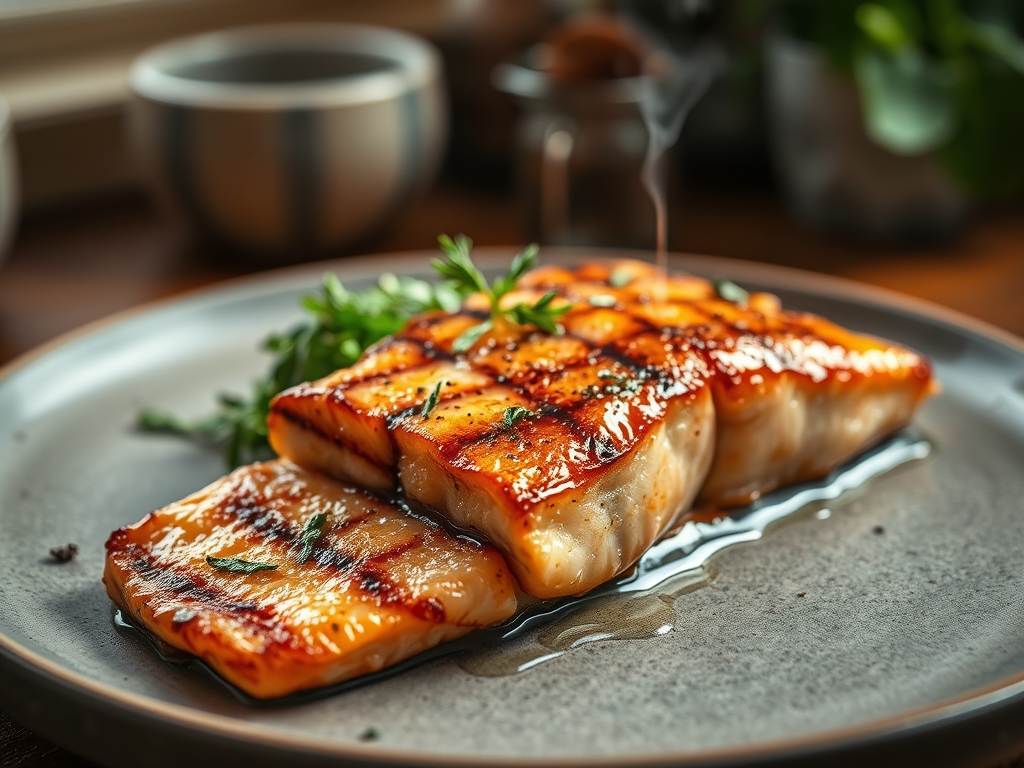
Picture this: the sun is dipping low, the charcoal is glowing like a bed of rubies, and you have a gorgeous side of fish ready for the heat. We are diving into the world of healthy grilled salmon recipes today. This is about more than just dinner; it is about mastering the art of the perfect sear while keeping your heart very happy.
Salmon is the crown jewel of the sea, but it is also a bit of a diva on the grill. If you treat it with too much aggression, it gets dry and chalky. If you are too timid, it sticks to the grates and breaks your heart. We are going to use chemistry and professional techniques to ensure every bite is buttery, flakey, and packed with omega-3 fatty acids. Grab your favorite apron and a glass of something crisp; we are turning your backyard into a five-star bistro.
The Gathers:
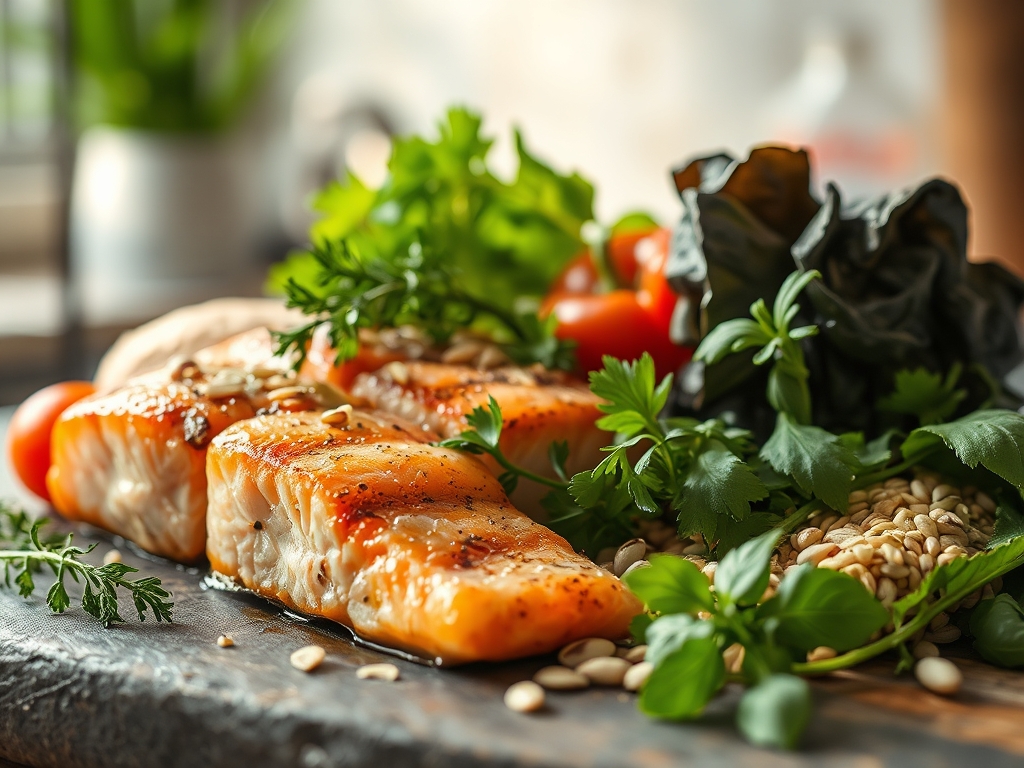
To execute these healthy grilled salmon recipes, your mise-en-place must be precise. Start with a center-cut fillet, preferably wild-caught King or Sockeye, which offers a more viscous fat profile than farmed varieties. You will need a high-smoke-point oil like avocado or grapeseed oil; extra virgin olive oil is too fragile for the direct flame.
Gather your aromatics: fresh dill, lemon zest, and garlic. Use a microplane to create a fine paste of the garlic and zest, ensuring the flavors infuse the oil without burning. For the seasoning, high-quality flaky sea salt and freshly cracked black pepper are non-negotiable.
Smart Substitutions: If you are watching your sodium, swap the salt for a splash of coconut aminos to provide a piquant depth. Instead of butter, use a dollop of Greek yogurt mixed with lemon juice to create a creamy, probiotic-rich topping that mimics a traditional hollandaise without the saturated fat load.
The Clock
Efficiency is the hallmark of a great cook. Your total active prep time is exactly 15 minutes, while the cook time ranges from 8 to 12 minutes depending on the thickness of the cut.
The Chef's Flow works like this: start by bringing your salmon to room temperature for 20 minutes before it hits the heat. While the fish tempers, preheat your grill to a steady 450 degrees Fahrenheit. Use this time to prepare your sides and whisk your glaze. By the time the grill is screaming hot, your salmon is relaxed and ready for the Maillard reaction.
The Masterclass
1. The Surface Prep
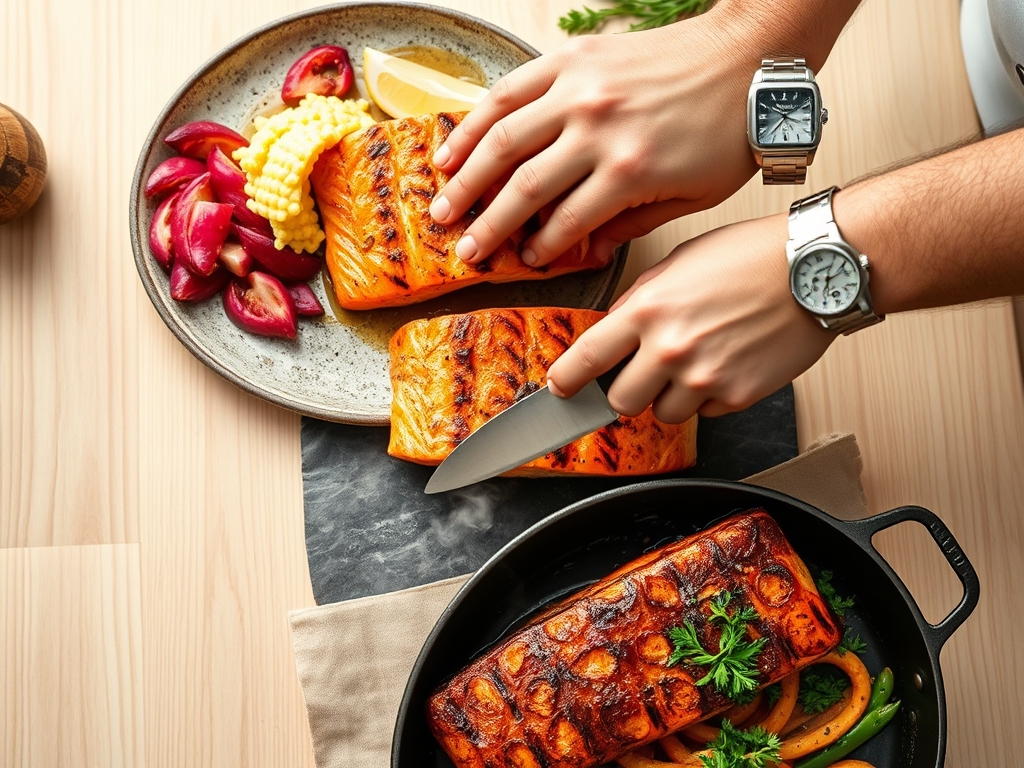
Dry your salmon fillets with a paper towel until they are bone-dry. Use a bench scraper to move them onto a clean tray. Moisture is the enemy of a crisp crust; any residual water will turn to steam and prevent the skin from crisping.
Pro Tip: This is known as the evaporative cooling effect. If the surface is wet, the temperature of the fish cannot rise above 212 degrees Fahrenheit until the water is gone, delaying the golden-brown crust you crave.
2. The Oil Barrier
Lightly coat both the fish and the grill grates with your high-smoke-point oil. Do not pour; use a silicone brush for an even, thin layer.
Pro Tip: This creates a hydrophobic barrier. Because salmon is high in protein, it wants to form chemical bonds with the metal of the grill. The oil acts as a physical shield to prevent this "sticking" at a molecular level.
3. The Skin-Down Strategy
Place the salmon skin-side down first. Use tongs to press the fillet firmly against the grate for the first 30 seconds. This prevents the skin from curling as the proteins contract.
Pro Tip: This technique allows the fat under the skin to render slowly. This fat acts as a natural insulator, protecting the delicate flesh from the harsh, direct heat of the flames.
4. The Flip Maneuver
Wait until the skin releases naturally from the grill. If it resists, it is not ready. Use a wide fish spatula to gently roll the fillet over.
Pro Tip: This is the result of protein denaturation. Once the proteins on the surface have tightened and browned, they lose their grip on the metal, signaling it is time to turn.
5. The Internal Check
Use a digital scale or, more accurately, an instant-read thermometer to check the thickest part of the fish. Aim for 125 degrees Fahrenheit for medium-rare.
Pro Tip: Always account for thermal carryover. The internal temperature will continue to rise by 5 to 7 degrees after you remove the fish from the heat. Pulling it early ensures it stays succulent.
6. The Rest Period
Transfer the salmon to a warm plate and let it rest for at least 5 minutes. Do not tent it tightly with foil, as the steam will soften the crisp skin you worked so hard to achieve.
Pro Tip: Resting allows the muscle fibers to relax and reabsorb the juices. This ensures that when you flake the fish, the moisture stays in the meat rather than running out onto the plate.
The Deep Dive
When we look at the macro nutrition of healthy grilled salmon recipes, we see a powerhouse. A 6-ounce serving provides roughly 34 grams of protein and 18 grams of healthy fats. It is naturally low in carbohydrates, making it a staple for many lifestyles.
Dietary Swaps:
- Keto: Increase the fat content by finishing with a wedge of avocado or a drizzle of MCT oil.
- Vegan: While this recipe focuses on fish, you can apply the same grilling techniques to "salmon" made from marinated, scored blocks of extra-firm tofu or watermelon steaks.
- Gluten-Free: Ensure your spices are certified GF; salmon itself is naturally gluten-free.
The Fix-It:
- The White Stuff: If you see white beads (albumin) popping out, you have overcooked the fish. Lower your heat next time or pull it 2 minutes earlier.
- Stuck Skin: If the skin stays on the grill, your grates were likely dirty. Use a wire brush to clean them while hot before oiling.
- Uneven Cooking: If the tail is dry while the center is raw, fold the thin tail end under the fillet to create a uniform thickness.
Meal Prep Science: To reheat salmon without it smelling "fishy" or turning into rubber, use a low-temperature oven (275 degrees) with a splash of water in the pan. This creates a gentle steam environment that rehydrates the proteins without further denaturing them.
The Wrap-Up
Mastering healthy grilled salmon recipes is a superpower. You now have the technical knowledge to manipulate heat, moisture, and fat to create a restaurant-quality meal in your own backyard. Remember: dry the surface, trust the release, and always respect the carryover heat. Your kitchen is your laboratory, and tonight, the experiment is going to be delicious. Go forth and grill with confidence!
The Kitchen Table
How do I stop salmon from sticking to the grill?
Ensure your grill grates are scrubbed clean and preheated. Pat the salmon completely dry with paper towels and coat both the fish and the grates with a high-smoke-point oil like avocado oil before placing the fish down.
What is the best temperature for grilled salmon?
For a moist, flakey texture, pull the salmon off the grill when the internal temperature reaches 125 to 130 degrees Fahrenheit. Carryover cooking will bring it to a perfect 135 to 140 degrees while it rests.
Should I grill salmon with the skin on or off?
Always grill with the skin on. The skin acts as a protective heat shield for the delicate flesh, prevents the fish from falling apart, and provides a delicious, crispy texture when rendered properly over high heat.
How long does it take to grill salmon?
Generally, salmon takes about 8 to 12 minutes total. Grill for 6 to 8 minutes skin-side down to render the fat, then flip and finish for another 2 to 4 minutes depending on the thickness of the fillet.