
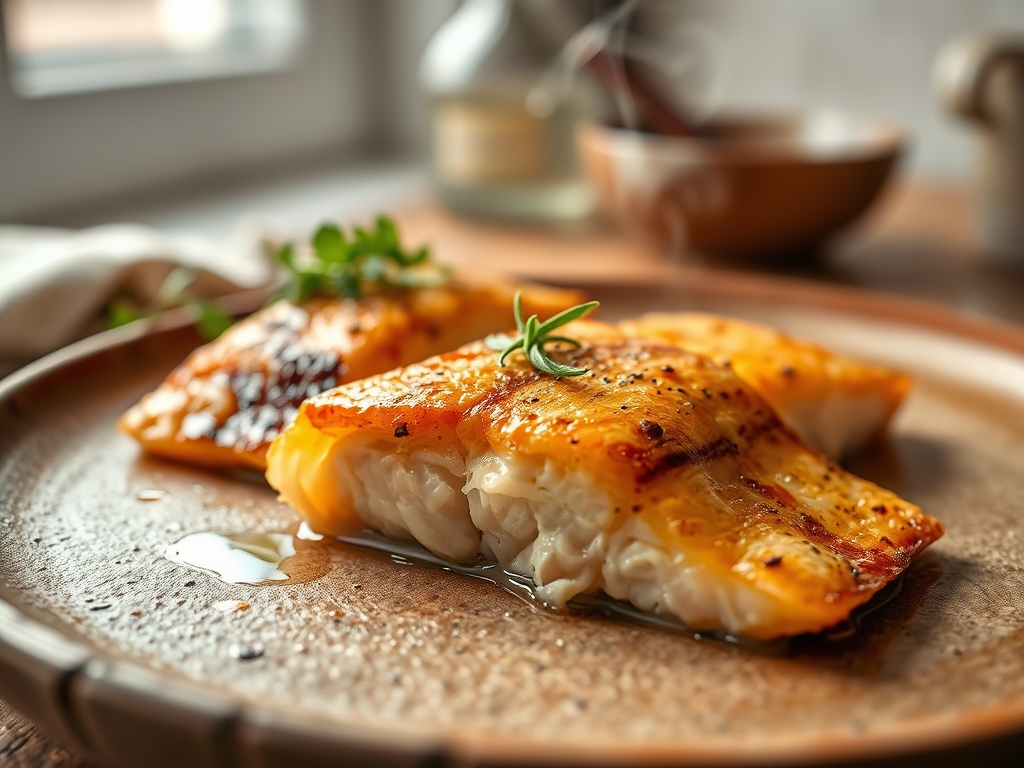
Imagine the sound of a crisp, white sheet of paper crinkling under your palms before it transforms into a pressurized steam chamber. This is the magic of en papillote, a French technique that ensures your parchment salmon recipes never result in a dry, chalky fillet again. When you peel back that paper at the table, a cloud of aromatic vapor hits your face; it is a fragrant mix of citrus zest, fatty acids, and fresh herbs that signals a perfectly cooked meal. This method relies on conductive heat and trapped moisture to gently poach the fish in its own juices. It is the ultimate weeknight flex because it looks like high-end catering but requires zero cleanup. By sealing the salmon in a literal cocoon, you are creating a micro-environment where the proteins denature slowly, preserving the delicate structure of the flesh while infusing every fiber with whatever aromatics you have tucked inside. We are moving beyond basic baking; we are mastering the physics of moisture retention to achieve a buttery, flake-with-a-fork texture every single time.
The Gathers:
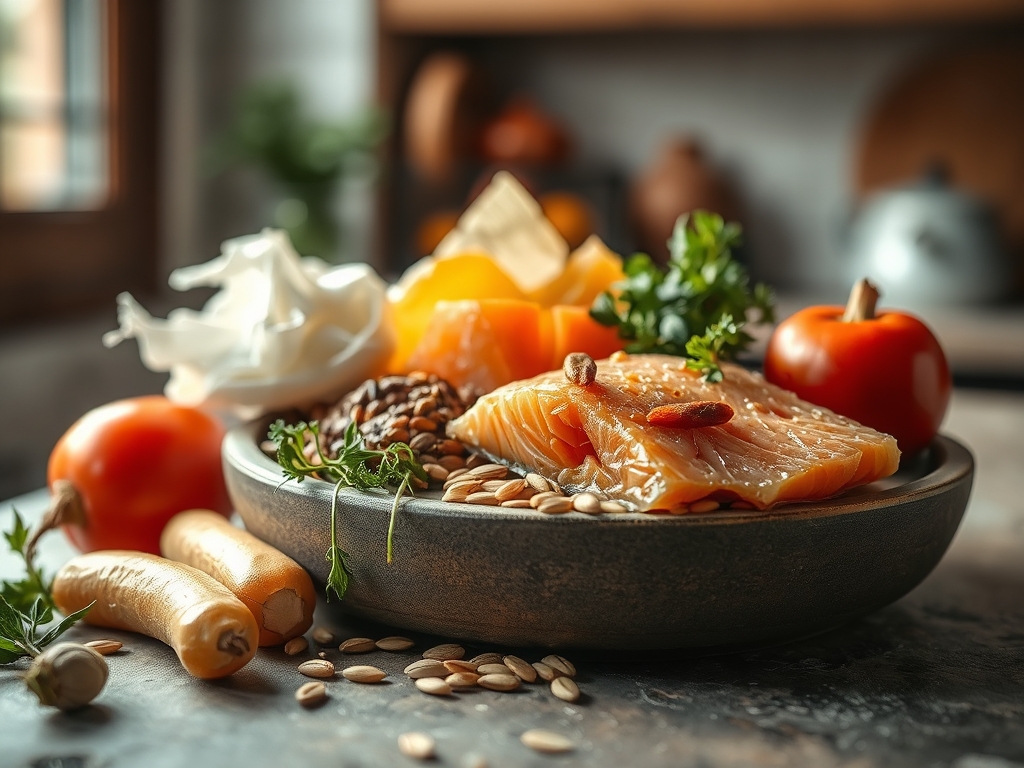
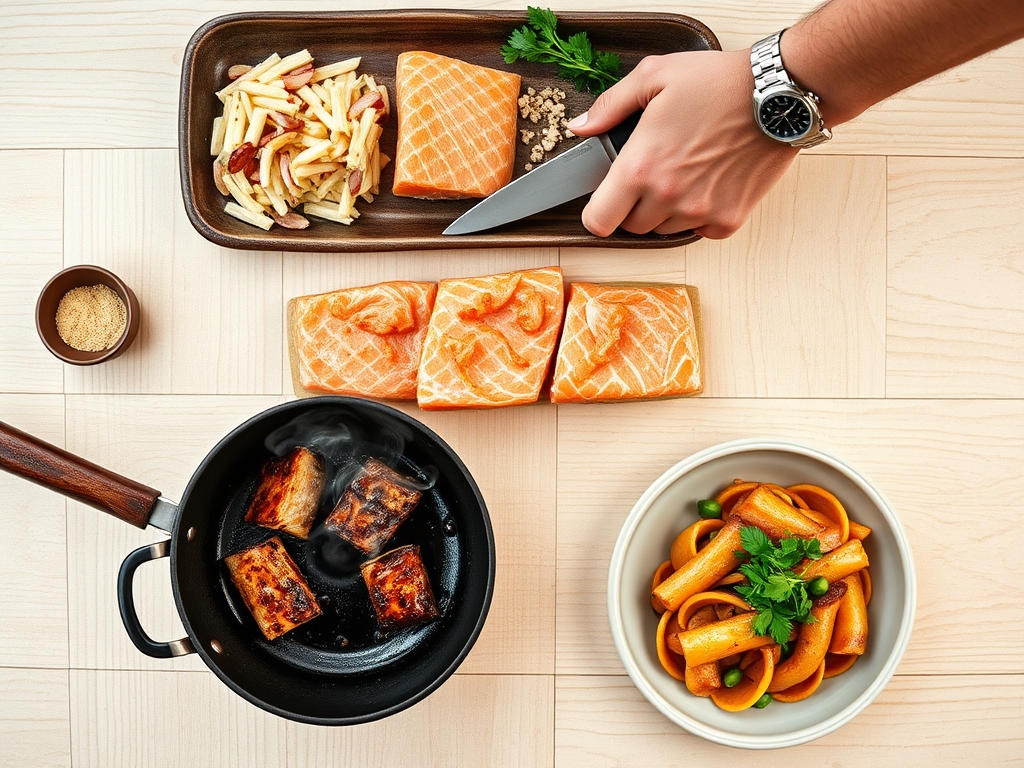
To execute these parchment salmon recipes with precision, your mise-en-place must be intentional. Start with high-quality, center-cut fillets. Look for vibrant color and a firm texture; if the flesh feels viscous or slimy, it is past its prime. You will need a sharp chef's knife to slice your aromatics into translucent rounds, ensuring they soften at the same rate the fish cooks.
The Essentials:
- Salmon Fillets: 6-ounce portions, skin-on or off.
- Aromatics: Thinly sliced lemons, shallots, and fresh dill or thyme.
- Fats: High-quality unsalted butter or a piquant extra virgin olive oil.
- Liquid: A splash of dry white wine or vegetable stock to create the initial steam.
- Seasoning: Flaky sea salt and peppercorns cracked fresh in a mortar and pestle.
Smart Substitutions:
If you are out of parchment, do not reach for foil unless you are grilling; the acidity of the lemon can react with aluminum and impart a metallic tang. Instead, use large, blanched cabbage leaves or even corn husks for a similar steaming effect. If you lack fresh herbs, a concentrated pesto or a dollop of miso paste provides an intense flavor punch that infuses the fish as the fats render during the bake.
The Clock
Efficiency in the kitchen is about the Chef's Flow. Total active prep time is exactly 10 minutes. This includes using a microplane to zest your citrus and a mandoline for perfectly uniform vegetable slices. The cook time sits at a reliable 12 to 15 minutes at 400 degrees Fahrenheit. However, the most critical part of the clock is the 3-minute rest period. During this time, the internal temperature continues to rise through thermal carryover, allowing the proteins to set without losing their moisture.
The Masterclass
1. The Foundation Fold
Fold a large square of parchment paper in half and cut it into a heart shape. This classic geometry is not just for aesthetics; it allows for a tighter seal when you begin rolling the edges. Place your aromatics on one side of the crease to act as a thermal buffer between the heat source and the fish.
Pro Tip: This buffer prevents the bottom of the fish from overcooking. By elevating the protein on a bed of vegetables, you allow the steam to aerate and circulate 360 degrees around the fillet.
2. Seasoning and Fat Application
Pat the salmon dry with a paper towel. Moisture on the surface of the fish before it goes into the bag can lead to a "boiled" texture rather than a steamed one. Season aggressively with salt and place a pat of cold butter or a tablespoon of oil on top.
Pro Tip: Salt acts as a denaturant, breaking down lean muscle fibers so they can hold more water. This ensures the salmon remains succulent even if your oven temperature fluctuates.
3. The Liquid Infusion
Add one tablespoon of wine or citrus juice directly onto the parchment before sealing. Use a saucier to drizzle a prepared reduction if you want a more complex flavor profile.
Pro Tip: The liquid reaches its boiling point rapidly inside the pouch. This creates an immediate high-pressure environment that forces the flavors of the herbs to infuse deep into the salmon's fatty layers.
4. The Airtight Crimp
Starting at the top of the heart, make small, overlapping folds all the way around the edge. Use your fingernails to crimp the paper tightly. The goal is a vacuum-like seal.
Pro Tip: If steam escapes, the internal pressure drops. Maintaining that pressure is what allows the fish to cook evenly and prevents the Maillard reaction from drying out the exterior before the interior is done.
5. The High-Heat Blast
Place the pouches on a preheated heavy-bottomed skillet or a baking sheet. Slide them into the center rack of the oven.
Pro Tip: Using a preheated tray provides an immediate burst of conductive heat to the bottom of the pouch, jumping-to-start the steaming process without over-browning the delicate fats.
6. The Rest and Release
Once the pouches puff up like pillows, remove them from the oven. Let them sit for three minutes before cutting them open with kitchen shears.
Pro Tip: This resting phase allows the internal juices to redistribute. If you cut it open immediately, the steam escapes too fast, and the surface moisture evaporates, leaving the fish slightly dry.
The Deep Dive
From a nutritional standpoint, parchment salmon recipes are a powerhouse. A standard 6-ounce serving provides roughly 34 grams of high-quality protein and is rich in Omega-3 fatty acids, which are essential for brain health. Because we are steaming rather than frying, the caloric density remains low, making it a staple for clean eating.
Dietary Swaps:
- Vegan: Swap the salmon for a thick slab of cauliflower or firm tofu.
- Keto: Ensure you use plenty of butter and avoid any sugary glazes or starchy vegetable beds.
- Gluten-Free: This method is naturally gluten-free; just double-check your stock or soy sauce if using a marinade.
The Fix-It: Common Pitfalls
- The Soggy Bottom: This happens if your vegetable bed is too watery (like zucchini). Technical Fix: Pre-saute high-moisture vegetables in a heavy-bottomed skillet to remove excess water before bagging.
- The Paper Tear: If the parchment rips, the steam escapes. Technical Fix: Use a double layer of parchment or a small piece of kitchen twine to reinforce the seal.
- Albumin Bleed: Those white dots on the salmon are coagulated protein. Technical Fix: Brine the salmon in a basic salt-water solution for 10 minutes before cooking to minimize this.
Meal Prep Science:
To reheat, do not use the microwave; it will turn the fish into rubber. Instead, keep the salmon in its parchment pouch and warm it in a 300-degree oven for 8 minutes. This gently re-steams the fish, maintaining that "day-one" flake and moisture.
The Wrap-Up
Mastering parchment salmon recipes is like having a secret weapon in your culinary arsenal. It combines the precision of professional steaming with the ease of a one-pan meal. By understanding the science of pressure and moisture, you have moved from following a recipe to commanding the physics of your kitchen. Now, grab your parchment and get folding; your perfect dinner is only fifteen minutes away.
The Kitchen Table
How do I know if the salmon is done inside the paper?
The parchment pouch will puff up significantly and turn a light golden brown. If you are unsure, insert a digital thermometer through the paper; it should read 135 degrees Fahrenheit for a perfect medium-rare.
Can I use frozen salmon for parchment recipes?
Yes, but you must thaw it completely and pat it dry first. Excess ice crystals will turn into too much water inside the pouch, which dilutes the flavor and results in a mushy texture.
What is the best vegetable to put under the salmon?
Asparagus, thinly sliced fennel, or baby spinach work best. These vegetables cook at the same rate as the fish and absorb the delicious fats and juices that render out during the baking process.
Why is my parchment paper not staying folded?
The paper might be too dry or the folds too large. Try making smaller, tighter crimps and pressing down firmly. You can also use a bench scraper to create sharp, permanent creases in the paper.