
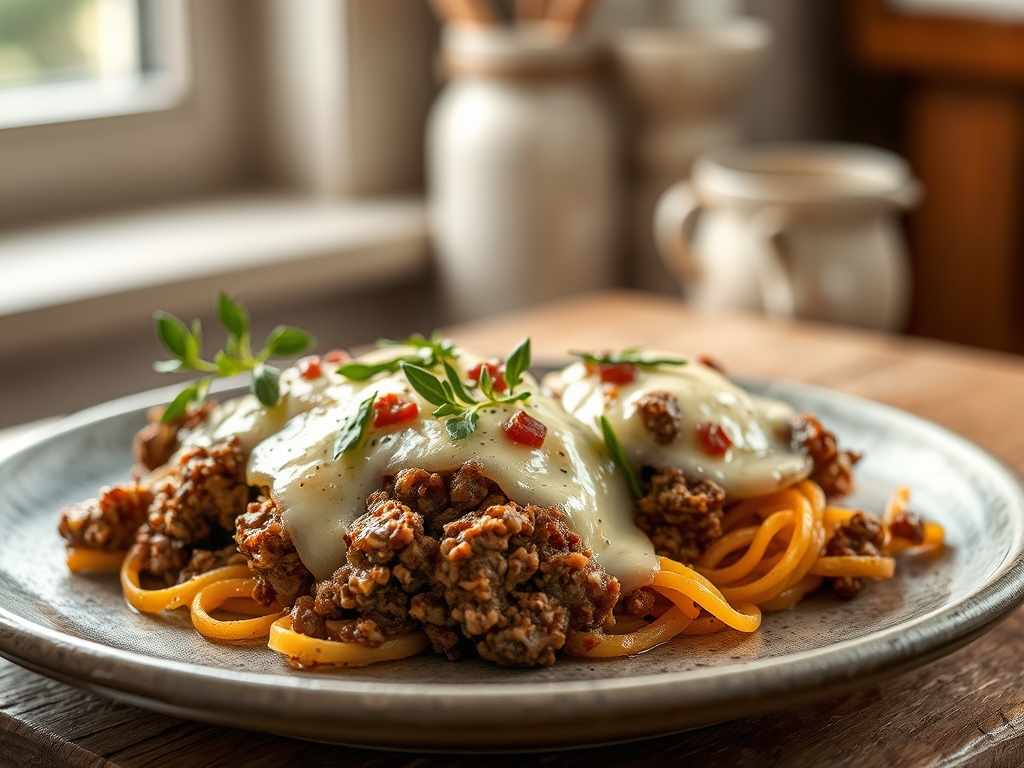
Picture the sound of a heavy-bottomed skillet meeting a high-flame burner; it is the percussion of a kitchen about to find its groove. There is a specific, primal satisfaction in the sizzle of fat rendering into a shimmering glaze. When you master cheesy ground beef recipes, you are not just cooking; you are orchestrating a symphony of amino acids and lipids.
The aroma of browning protein, known scientifically as the Maillard reaction, fills the room with nutty, savory notes that promise comfort. We are going beyond the basic taco night. We are diving into the molecular magic of emulsification and thermal density to ensure every bite is a velvet-textured masterpiece. Whether you are hosting a frantic weeknight dinner or a slow-burning Sunday feast, these ten hacks will transform humble mince into a gourmet centerpiece that clings to your ribs and warms your soul.
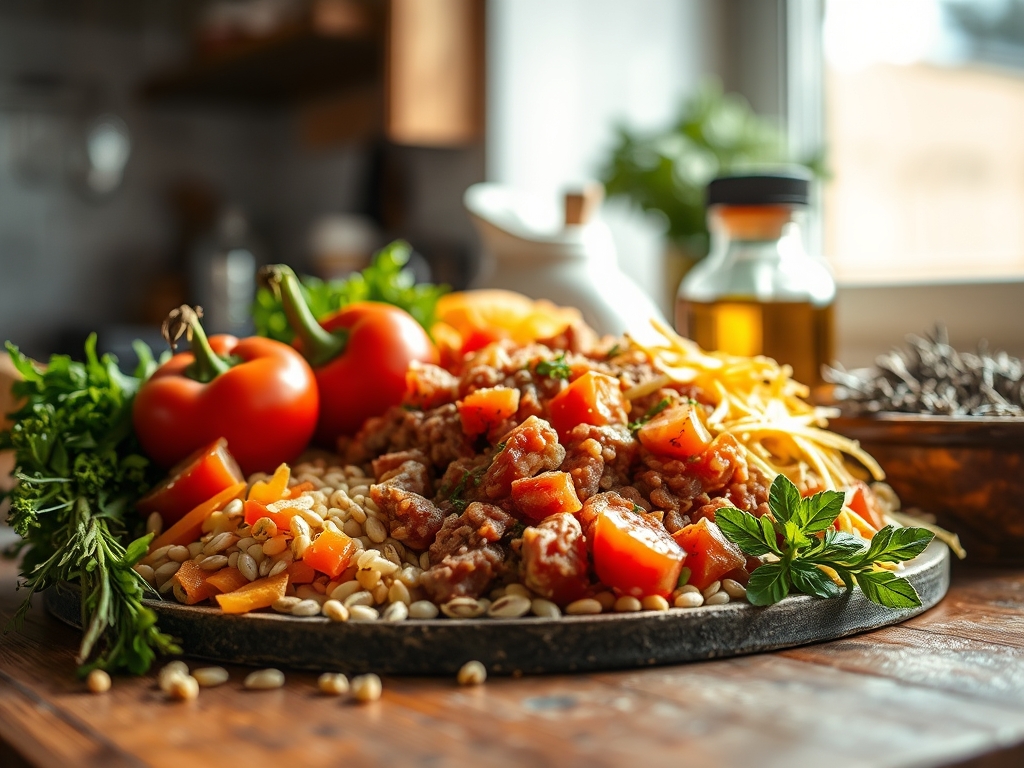
The Gathers:
To execute these cheesy ground beef recipes with precision, your mise-en-place must be intentional. Start with high-quality ground chuck, ideally an 80/20 lean-to-fat ratio. This specific ratio ensures enough lipid content to emulsify with your cheese without leaving a puddle of grease. You will need a piquant sharp cheddar for bite, a viscous mozzarella for the "pull," and perhaps a touch of sodium citrate-rich American cheese to act as a stabilizer.
Gather your aromatics: yellow onions for their high sugar content (perfect for caramelization) and garlic cloves ready for the microplane. Using a microplane increases the surface area of the garlic, allowing the oils to infuse the beef more rapidly than a standard dice. Don't forget a splash of acid, like apple cider vinegar or a dry red wine, to deglaze the pan and lift those caramelized bits of protein from the bottom of the skillet.
Smart Substitutions:
If you are looking to lighten the profile, swap half the beef for finely minced cremini mushrooms. This maintains the umami depth while reducing total saturated fat. For the cheese, if you need a lactose-free option, aged cheeses like Parmesan or Manchego have naturally lower lactose levels but high meltability due to their protein structure.
The Clock:
Efficiency in the kitchen is about "Chef's Flow," a rhythmic progression that respects the physics of heat. Prep takes exactly 15 minutes if you utilize a sharp chef's knife and a bench scraper to clear your board. The cooking phase spans 20 to 25 minutes.
The first 8 minutes are dedicated to the Maillard reaction, where the beef must remain undisturbed to develop a crust. The final 10 minutes involve the "low and slow" integration of dairy. Total time from pantry to plate is roughly 40 minutes. This timeline accounts for thermal carryover, the scientific principle where the internal temperature of the meat continues to rise even after being removed from the heat source.
The Masterclass:
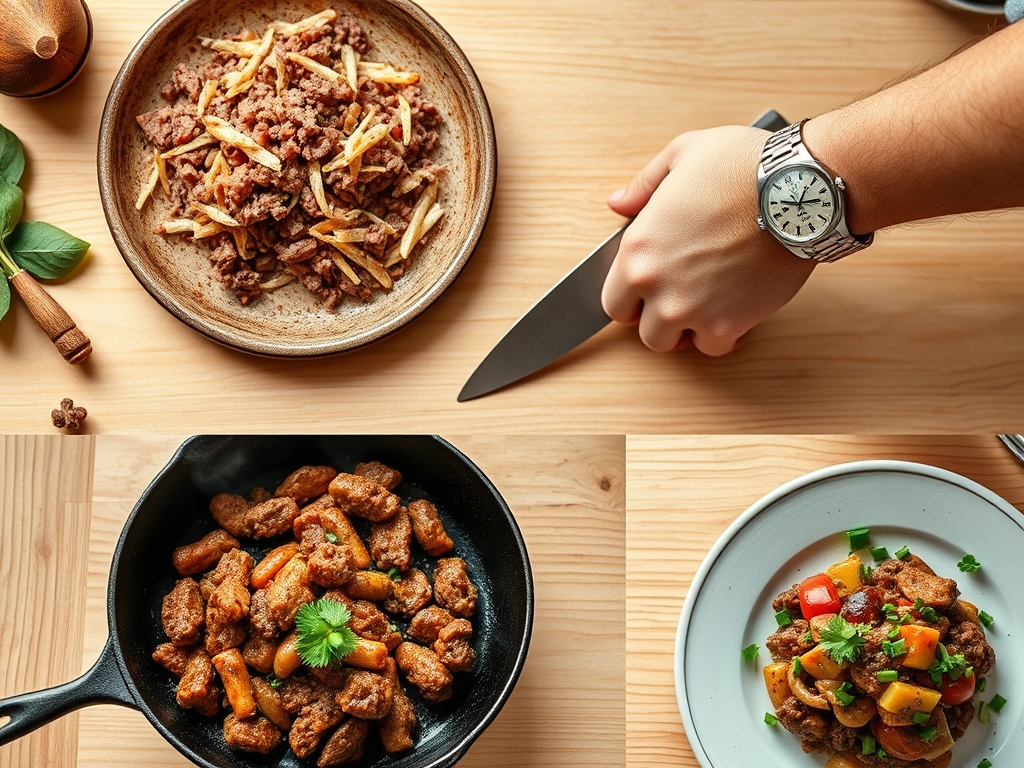
1. The Sear and Render
Place your beef in a cold, heavy-bottomed skillet before turning the heat to medium-high. This allows the fat to render gradually, preventing the proteins from seizing and becoming tough. Use a stiff spatula to break the meat into uniform morsels.
Pro Tip: This method avoids "steaming" the meat. By letting the moisture evaporate before the heat gets too high, you trigger enzymatic browning, creating a complex flavor profile that boiled beef lacks.
2. Deglazing the Fond
Once the beef is browned, a brown film will form on the skillet. This is "fond," a concentrated goldmine of flavor. Pour in a small amount of beef stock or wine and use your tongs to scrape the bottom.
Pro Tip: Deglazing is a chemical process where the liquid dissolves the hardened proteins. This creates a built-in sauce base that ensures your cheesy ground beef recipes are never dry.
3. The Emulsion Bridge
Before adding the bulk of your cheese, sprinkle a teaspoon of flour or cornstarch over the meat. This acts as a stabilizer. Slowly stir in your liquid (milk or cream) to create a light veloute.
Pro Tip: The starch prevents the cheese fats from separating from the proteins. This ensures a smooth, viscous sauce rather than a grainy, oily mess.
4. The Gradual Melt
Turn the heat to its lowest setting. Add your cheese in three separate stages, stirring constantly with a saucier whisk or a silicone spatula.
Pro Tip: High heat causes cheese proteins to tighten and squeeze out fat. By melting at a lower temperature, you maintain the colloidal suspension of the cheese, resulting in a silky texture.
5. Aerating the Final Mix
Just before serving, give the mixture a vigorous stir to aerate the sauce. This incorporates tiny air bubbles that lighten the mouthfeel of the dense fats.
Pro Tip: Aeration changes the perceived weight of the dish on the palate. It makes a heavy, cheesy dish feel sophisticated rather than overwhelming.
The Deep Dive:
Macro Nutrition:
A standard serving of these cheesy ground beef recipes provides approximately 35g of protein, 28g of fat, and 4g of carbohydrates (depending on your vegetable inclusions). It is a powerhouse of Vitamin B12 and Zinc, essential for metabolic function.
Dietary Swaps:
- Keto: Replace any flour thickeners with a pinch of xanthan gum or extra heavy cream.
- Vegan: Use a walnut and lentil crumble seasoned with liquid smoke, paired with a cashew-based "cheese" sauce.
- Gluten-Free: Ensure your beef stock is certified GF and use potato starch as your stabilizing agent.
The Fix-It:
- Oily Sauce: If the fat separates, whisk in a tablespoon of very hot water and a squeeze of lemon juice. The acid and moisture help re-emulsify the fats.
- Tough Meat: This usually means the heat was too high, too fast. Next time, add a splash of liquid earlier to braise the fibers.
- Bland Flavor: You likely missed the fond. Add a teaspoon of Worcestershire sauce or a dash of smoked paprika to inject instant depth.
Meal Prep & Reheating:
To maintain "day-one" quality, reheat cheesy beef in a skillet over low heat with a tablespoon of milk. Microwave heating is too localized and will "break" the cheese sauce, turning it oily. The stove-top method gently restores the emulsion.
The Wrap-Up:
Mastering the art of cheesy ground beef recipes is about more than just satisfying a craving; it is about understanding the delicate balance of heat, fat, and protein. By utilizing tools like the microplane for aromatics and respecting the Maillard reaction, you elevate a simple meal into a culinary event. Go forth and cook with confidence, knowing that science is the secret ingredient in your skillet!
The Kitchen Table:
Why does my cheese sauce turn grainy?
Graininess occurs when high heat causes cheese proteins to clump together. To prevent this, always grate your own cheese from a block and stir it in over low heat to maintain a smooth emulsion.
Can I freeze cheesy ground beef?
Yes, but the texture may shift. To restore it, reheat the thawed beef in a heavy-bottomed skillet and add a splash of cream while stirring constantly to re-incorporate the fats and liquids.
What is the best beef-to-cheese ratio?
For optimal balance, use four ounces of cheese for every one pound of ground beef. This provides enough coverage for a viscous coating without drowning the savory flavor of the seared protein.
How do I get a better sear on the beef?
Do not crowd the pan. Use a large skillet and let the meat sit undisturbed for three minutes. This allows the Maillard reaction to occur, creating a flavorful, browned crust before you break it up.