
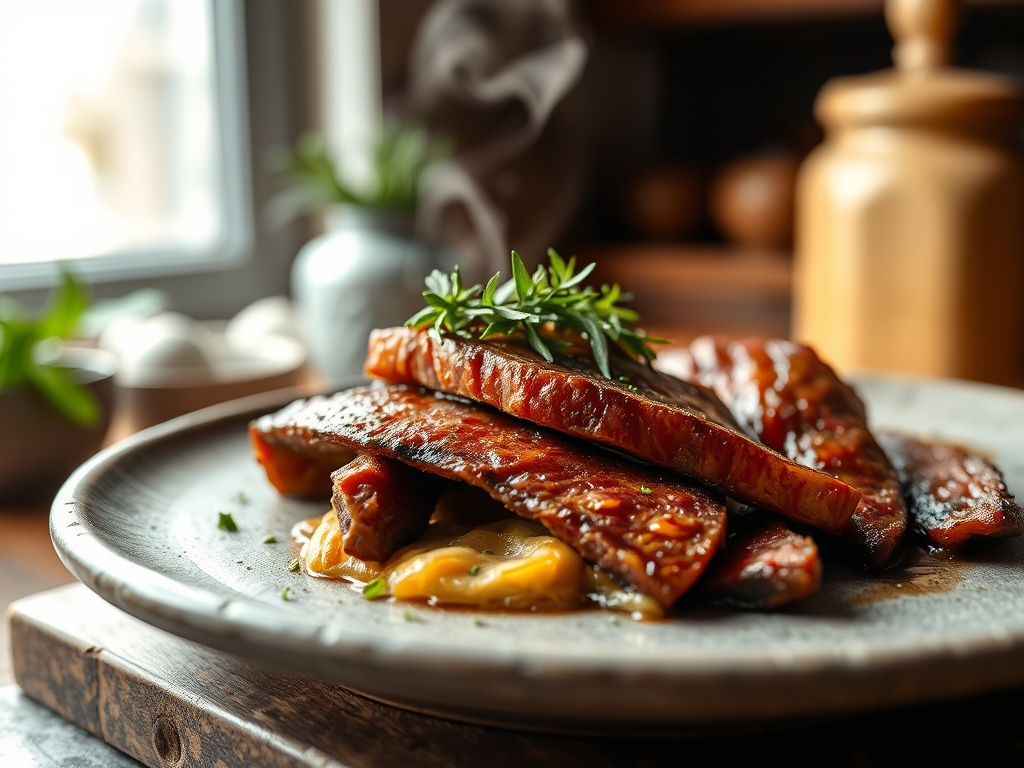
Imagine the smell of blue smoke dancing over a heavy steel lid; it is the scent of patience, carbon, and salt. When you master the best smoked beef recipes, you are not just cooking dinner; you are conducting a symphony of chemical transformations that turn tough connective tissue into buttery, velvet gold.
The secret to why we obsess over these cuts lies in the high collagen content of beef. Unlike a quick sear on a steak, smoking requires a slow, thermal evolution. As the internal temperature climbs, that stubborn collagen undergoes a phase transition into gelatin. This is the moisture you feel on your tongue. It is not water; it is a viscous, protein-rich lubricant that makes the meat feel luxurious. We are going to explore six distinct ways to achieve this, from the classic brisket to the piquant bite of smoked tri-tip. Whether you are using a pellet grill or an offset stick burner, the goal remains the same: a perfect smoke ring and a bark so dark it looks like obsidian. Let us get your apron on and your wood chunks ready.
The Gathers:
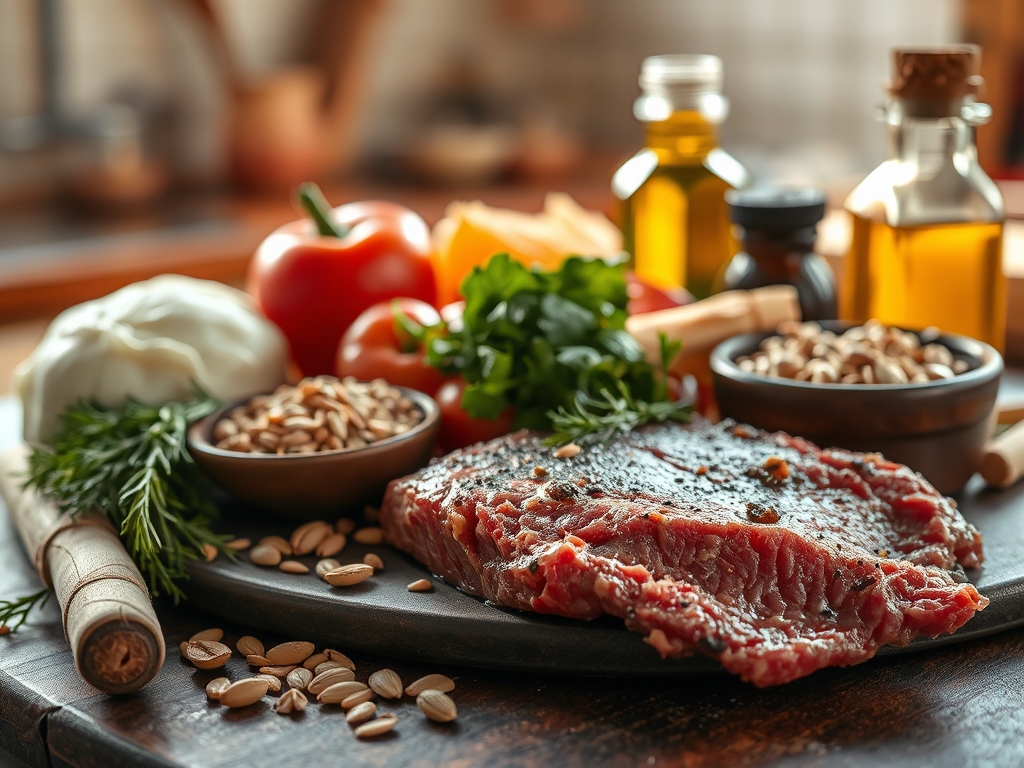
Before we strike a single match, your mise-en-place must be flawless. For the best smoked beef recipes, you need high-quality fats and coarse abrasives. Grab your digital scale to measure your rub by weight rather than volume; salt density varies wildly between brands. You will need coarse Kosher salt, 16-mesh black pepper, and perhaps a touch of granulated garlic for that savory umami kick.
On the protein side, look for "Prime" or "High Choice" grades. The intramuscular fat, or marbling, is your insurance policy against the dry heat of the smoker. You will also need a high-smoke-point binder. While many use mustard, I prefer a thin coating of tallow or avocado oil to help the rub adhere without adding acidity that might denature the surface proteins too early.
Smart Substitutions:
If you cannot find a full packer brisket, a chuck roast is a brilliant "poor man's brisket" that behaves similarly under smoke. For those avoiding nightshades, swap paprika for a touch of ground turmeric and sumac to achieve a deep, earthy color and a piquant finish. If you lack post oak wood, pecan offers a similar mild sweetness that complements beef without the aggressive bite of hickory.
The Clock:
Timing is the most misunderstood element of barbecue. We do not cook by the sun; we cook by the internal probe. However, for planning purposes, you must understand the "Chef's Flow." This is the sequence of events that ensures your meat is rested and ready exactly when the guests arrive.
A massive brisket can take 12 to 16 hours, while beef ribs might need 8. Always build in a "buffer window" of at least two hours. Beef is incredibly resilient once wrapped in an insulated cooler; it can hold its temperature for up to four hours, actually improving in texture as the muscle fibers relax. If you rush the rest, the steam will escape, and your hard work will turn to sawdust.
The Masterclass:
1. The Aerated Dry Brine
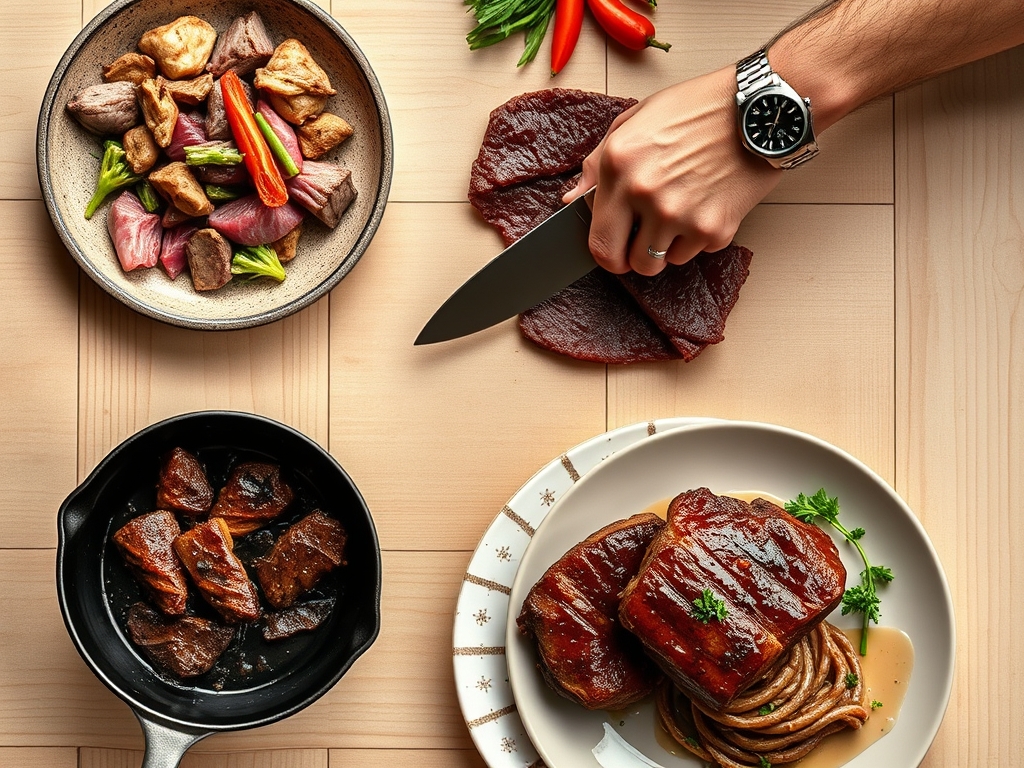
Use a microplane to zest a hint of dried citrus into your salt rub, then coat the beef and let it sit uncovered in the fridge for 24 hours. This allows the salt to penetrate the deep tissue via osmosis.
Pro Tip: This process involves denaturing proteins, which creates a tacky surface called a pellicle. The pellicle is essential because smoke particles move via advection and stick better to a dry, tacky surface than a wet one.
2. The Clean Fire Ignition
Start your smoker using a chimney starter to ensure the coals are fully ashed over. Avoid "white smoke," which is full of creosote and will make your beef taste like a basement fire. You want "thin blue smoke."
Pro Tip: This is about incomplete combustion. When wood burns at the right temperature, it releases phenolic compounds like syringol and guiacol, which provide that classic smoky aroma without the bitter aftertaste.
3. The Bark Formation Phase
Place your beef on the grates with the thickest part toward the heat source. Use tongs to reposition only if necessary. Let the Maillard reaction work its magic as the sugars and amino acids on the surface darken into a crust.
Pro Tip: The Maillard reaction is a form of non-enzymatic browning. In a smoker, this is accelerated by the presence of nitrogen dioxide in the smoke, which reacts with the meat's myoglobin to create the pink smoke ring.
4. Navigating The Stall
Around 160 degrees Fahrenheit, the temperature will stop rising. This is "The Stall." Use a saucier to warm some beef tallow, then wrap your beef in peach butcher paper (the Texas Crutch).
Pro Tip: The stall is caused by evaporative cooling. As the meat "sweats," the moisture evaporating from the surface cools the meat as fast as the smoker heats it. Wrapping halts this evaporation, pushing the meat through the stall.
5. The Probe Tender Finish
Check for doneness by feel, not just temperature. Use a thermometer probe like a skewer; it should slide into the beef with zero resistance, like it is hitting a jar of room-temperature peanut butter.
Pro Tip: This signifies that the intermolecular bonds in the collagen have completely dissolved. If there is resistance, the collagen is still in its rubbery state, and the meat will be tough.
6. The Controlled Rest
Remove the beef and place it in a dry cooler or a low oven set to 150 degrees. Let it rest for a minimum of 90 minutes. This allows the internal juices to redistribute.
Pro Tip: This manages thermal carryover. Even after removal from the heat, the residual energy continues to cook the center. Resting prevents the high-pressure internal moisture from spraying out the moment you slice.
The Deep Dive:
When we look at the macro nutrition of these recipes, we are dealing with high-protein, high-fat profiles. A standard 4-ounce serving of smoked brisket contains roughly 300 calories, 28g of protein, and 20g of fat. For a Keto-friendly version, simply omit any sugar from your rub. For a Gluten-Free approach, ensure your beef base or any liquid smoke used in sauces is certified GF.
The Fix-It: Common Pitfalls
- The Bitter Bark: If your meat tastes like ash, your airflow was restricted. Open the dampers to allow more oxygen to the fire.
- The Dry Edge: This happens if the meat was too close to the firebox. Use a bench scraper to trim off the scorched bits and chop them into "burnt ends" tossed in a thin vinegar sauce to rehydrate.
- The Rubber Fat: If the fat cap did not render, your temperature was too low. You need at least 225 degrees to melt those lipids effectively.
Meal Prep and Reheating:
To maintain "day-one" quality, do not use a microwave. Instead, use the sous-vide method. Seal your leftover slices in a vacuum bag and submerge them in 150-degree water for 30 minutes. This gently melts the fats without re-cooking the proteins, keeping the beef as succulent as the moment it left the smoker.
The Wrap-Up:
Mastering the best smoked beef recipes is a journey of fire, science, and soul. It requires you to be part chemist and part artist, watching the way the smoke curls and feeling the "jiggle" of a finished brisket. Once you understand how collagen transforms and how smoke adheres, you are no longer following a recipe; you are controlling an ancient culinary process. Now, grab your heavy-bottomed skillet for some side dishes, slice against the grain, and enjoy the fruits of your labor!
The Kitchen Table:
How do I get a better smoke ring on my beef?
Start with cold meat directly from the fridge. Myoglobin holds onto nitric oxide better at lower temperatures. Also, keeping the surface slightly moist with a spritz of apple cider vinegar during the first two hours helps the gases penetrate deeper.
What is the best wood for smoking beef?
Post Oak is the gold standard for its clean, mild flavor. Hickory is excellent for a bolder, traditional "bacon" taste. For a sweeter profile, cherry wood provides a stunning mahogany color and a subtle fruitiness that cuts through the heavy fat.
Why is my smoked beef tough even after hours?
You likely pulled it too early or didn't reach the "gelatinization" point. Beef needs to hit an internal temperature of roughly 203 degrees Fahrenheit. If it is still tough, the collagen hasn't fully broken down into tender gelatin yet.
Can I smoke beef in a regular charcoal kettle grill?
Yes, using the "snake method." Arrange charcoal briquettes in a semi-circle around the edge, lighting only one end. This creates a low, slow burn that can last for hours, effectively turning your kettle into a functional indirect smoker.