
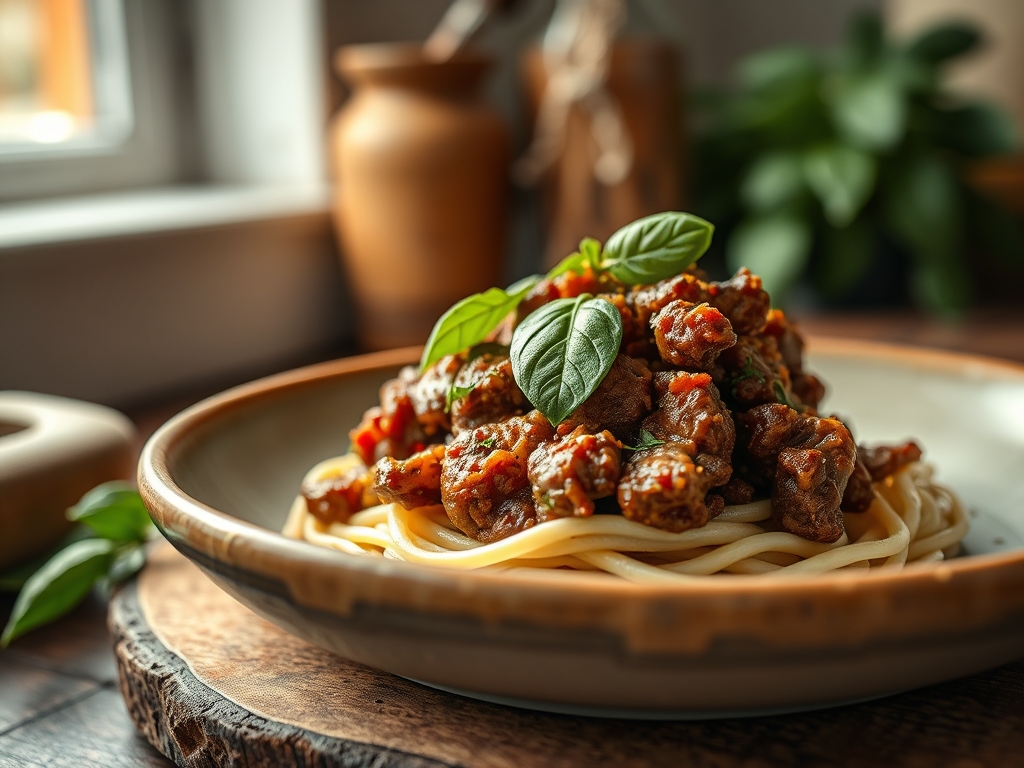
Picture the scene; your heavy bottomed skillet is screaming hot and the scent of rendering fat fills the air. You drop in a handful of emerald leaves and the kitchen transforms. We are moving beyond the basic burger to explore the aromatic world of fresh basil ground beef recipes. This is where high heat meets delicate herb oils. It is a masterclass in balancing heavy proteins with bright, volatile aromatics. We are going to treat basil not as a garnish but as a structural ingredient. By the time we are done, you will understand how to manipulate the chemical compounds in your herbs to elevate humble ground meat into a five star experience.
The synergy between beef and basil is rooted in molecular chemistry. Beef contains rich, savory umami notes while basil provides a peppery, anise like sweetness from its high concentration of estragole and linalool. When these meet, they create a flavor profile that is both grounded and ethereal. Whether you are craving a Thai inspired stir fry or a Mediterranean meatball, the secret lies in the timing. We are going to dive into the physics of searing and the biology of plant cells to ensure every bite is a revelation. Get your apron on; we have some serious science to cook.
The Gathers:
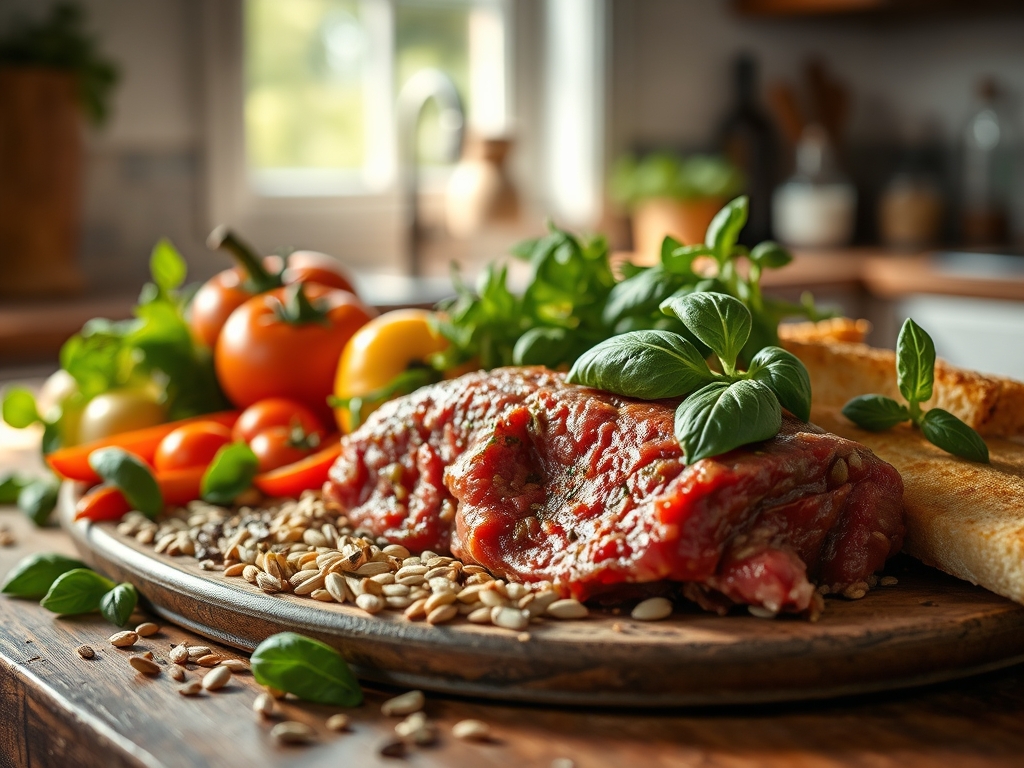
To execute these fresh basil ground beef recipes with precision, your mise-en-place must be impeccable. Start with the beef. I recommend an 80/20 blend of ground chuck. The 20 percent fat content is vital because fat is a solvent; it carries the fat soluble flavor compounds from the basil leaves throughout the entire dish. Use a digital scale to portion your meat into uniform batches for even thermal distribution.
Next, gather your basil. We are looking for Genovese basil for Italian profiles or Thai Holy Basil for a more piquant, spicy kick. Ensure the leaves are turgid and vibrant. If they are wilted, the cell walls have collapsed, and the essential oils have likely oxidized. You will also need aromatics like shallots and garlic. Use a microplane to grate your garlic into a paste; this increases the surface area and allows for a more rapid release of allicin.
Smart Substitutions:
If you cannot find fresh basil, do not reach for the dried stuff in a jar. It lacks the volatile oils we need. Instead, use a high quality refrigerated basil paste or a handful of fresh mint and flat leaf parsley to mimic the herbaceous brightness. For the beef, ground bison offers a leaner profile with more iron, while ground lamb provides a gamier base that pairs exceptionally well with the menthol notes in certain basil varieties.
The Clock
Efficiency in the kitchen is about understanding the "Chef's Flow." This is the sequence of operations that minimizes downtime. For most of these recipes, your active prep time is 15 minutes. This includes washing herbs, dicing aromatics, and tempering your meat. Tempering is crucial; taking the beef out of the fridge 20 minutes before cooking prevents the pan temperature from crashing.
The cook time generally spans 10 to 12 minutes. We are looking for rapid moisture evaporation and the Maillard reaction. If you crowd the pan, you will steam the meat instead of searing it. Total time from counter to table is roughly 30 minutes. By synchronizing your chopping with the skillet preheating, you create a seamless transition that keeps the kitchen calm and the flavors sharp.
The Masterclass
1. The High Heat Sear
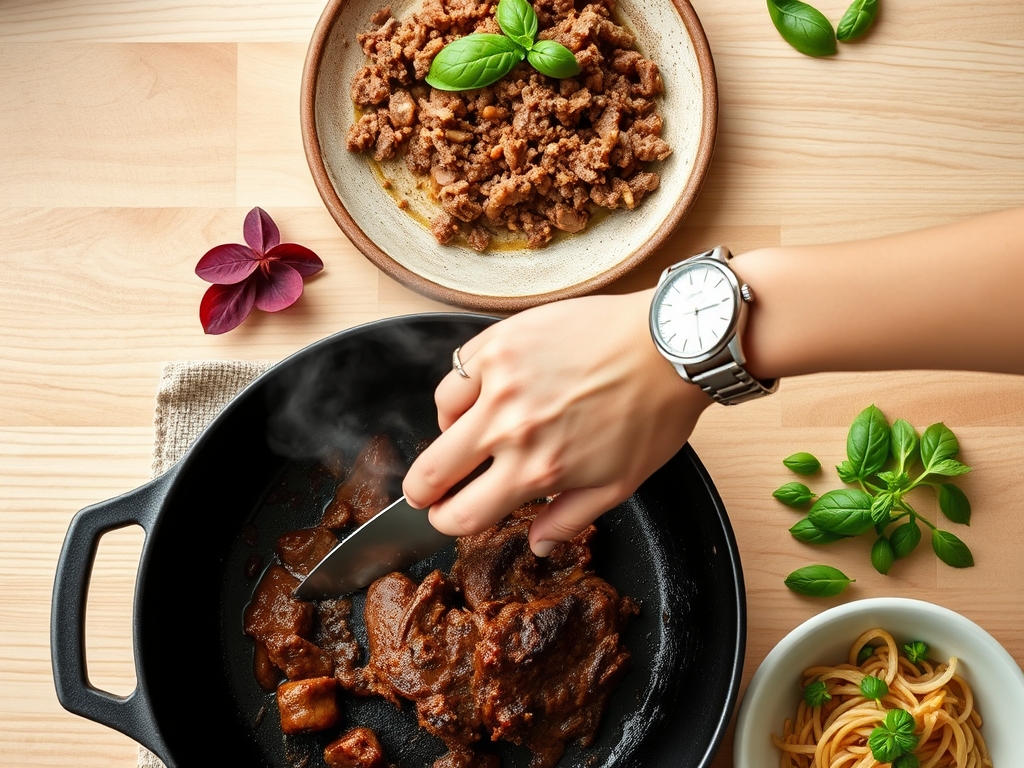
Place your heavy bottomed skillet over medium high heat until a drop of water dances and evaporates instantly. Add a high smoke point oil like avocado oil. Crumble the beef into the pan using a bench scraper to ensure the pieces are irregular. This creates more surface area for browning.
Pro Tip: This stage relies on the Maillard reaction. This is a chemical reaction between amino acids and reducing sugars that gives browned food its distinctive flavor. Do not move the meat for at least three minutes to allow a crust to form.
2. Deglazing and Aromatics
Once the meat is browned and the fat has rendered, push the beef to the perimeter. Add your shallots and garlic to the center. Use a wooden spoon to scrape up the "fond," which are the caramelized bits stuck to the bottom. Add a splash of beef stock or dry white wine to deglaze the pan.
Pro Tip: Deglazing is a physical process where the liquid dissolves the browned proteins. This incorporates deep savory notes back into the sauce, creating a more viscous and complex mouthfeel.
3. The Basil Infusion
Turn off the heat before adding the basil. This is the most important step in all fresh basil ground beef recipes. Tear the leaves by hand rather than chopping them with a dull knife. Stir them into the hot meat until they just begin to wilt.
Pro Tip: Basil leaves contain delicate vacuoles filled with essential oils. Excessive heat or bruising with a knife causes these oils to oxidize and turn bitter. Residual heat is enough to soften the cell walls and release the aroma without destroying the flavor.
4. Emulsifying the Sauce
If your recipe calls for a sauce, add a tablespoon of cold butter or a splash of heavy cream at the very end. Stir vigorously with a saucier or whisk to combine the fats with the pan juices.
Pro Tip: This creates an emulsion. By suspending fat droplets in a water based liquid, you create a silky texture that coats the palate and carries the basil notes longer.
The Deep Dive
From a macro nutrition perspective, these dishes are powerhouses. A standard serving provides approximately 25 grams of protein and is rich in Vitamin K and iron. If you are following a Keto lifestyle, these recipes are naturally low carb. For a vegan twist, swap the beef for a pea protein crumble and use a touch of nutritional yeast for that umami depth. Gluten free diners simply need to ensure their beef stock or soy sauce substitutes are certified GF.
The Fix-It:
- Gray Meat: If your meat looks gray instead of brown, the pan was too cold or too crowded. Fix it by removing half the meat and cranking the heat.
- Bitter Basil: If the herbs turned black and bitter, they were cooked too long. Next time, add them only after the heat is off.
- Greasy Finish: If the dish feels heavy, add an acid like lime juice or red wine vinegar to brighten the fats and reset the palate.
For meal prep, remember that basil oxidizes over time. If you plan to reheat these dishes, undercook the basil slightly or stir in fresh leaves after reheating. Use a gentle microwave setting or a low heat skillet to avoid overcoating the proteins, which can lead to a rubbery texture.
The Wrap-Up
Mastering fresh basil ground beef recipes is about respecting the ingredients. You are taking a pantry staple and a garden herb and using thermal physics to create something spectacular. The contrast between the salty, seared beef and the sweet, aromatic basil is a culinary trope for a reason; it works. Keep your pans hot, your herbs fresh, and your curiosity peaked. You are now equipped to turn a simple weeknight dinner into a gourmet event.
The Kitchen Table
Can I use dried basil instead of fresh?
Dried basil lacks the essential oils found in fresh leaves. It provides a woody, muted flavor that does not pair well with the heavy fats in ground beef. Always opt for fresh or a high quality paste for the best results.
How do I stop my basil from turning black?
Basil turns black due to oxidation caused by heat or bruising. To prevent this, tear the leaves by hand instead of cutting them and fold them into the dish using only the residual heat of the pan after the stove is off.
What is the best fat ratio for beef and basil?
An 80/20 or 85/15 lean to fat ratio is ideal. The fat acts as a flavor carrier for the basil's aromatic compounds. Leaner blends like 90/10 can result in a dry texture that fails to highlight the herb's complexity.
Why should I tear basil instead of chopping it?
Chopping basil with a knife can crush the delicate cell walls, leading to rapid browning and a loss of flavor. Tearing the leaves follows the natural cell structure, preserving the volatile oils and ensuring a brighter, more potent aroma in your dish.