
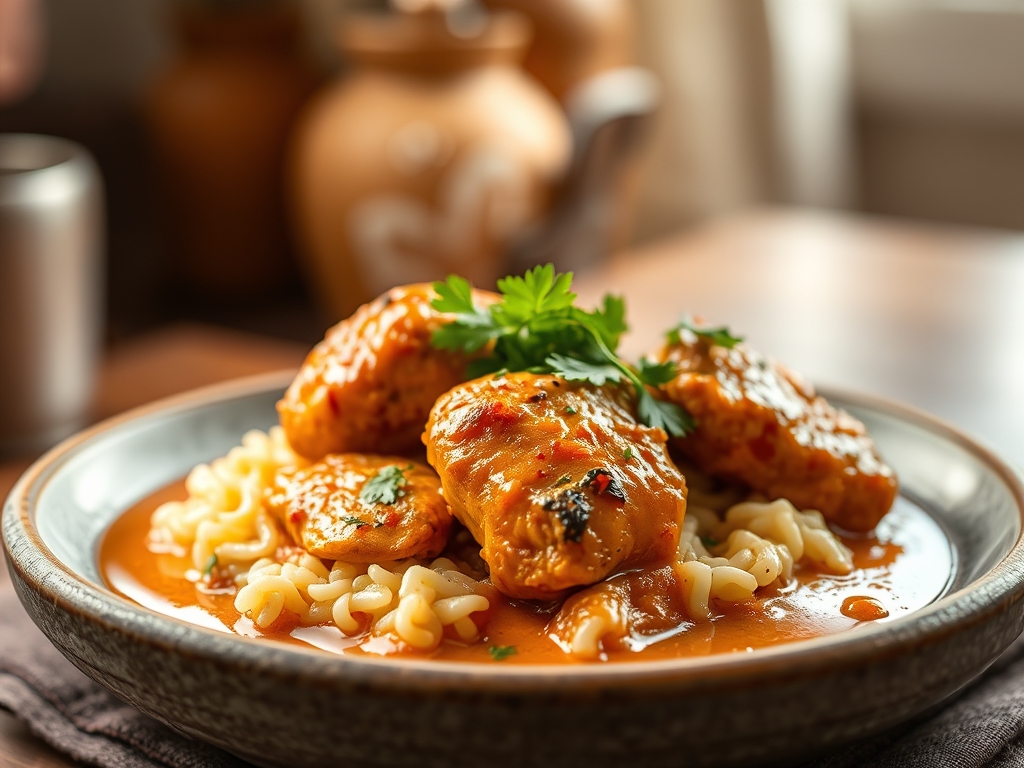
Imagine walking into your home and being greeted by a cloud of toasted cumin, sweet cinnamon, and sharp ginger that has been swirling in the air for hours. This is the magic of curry chicken recipes slow cooker style; it is a transformative process where time does all the heavy lifting for you. While many associate the slow cooker with bland stews, we are going to use it as a low-temperature pressure chamber to fuse spices into the very fibers of the protein. By the time you lift the lid, the chicken will be so tender that it practically yields to the mere suggestion of a fork. This is not just a meal; it is a masterclass in flavor extraction. We are targeting a specific balance of heat, acidity, and fat that creates a velvety mouthfeel. Whether you are a seasoned home cook or a busy professional, mastering these seven effortless variations will turn your kitchen into a high-end bistro with minimal active labor.
The Gathers:
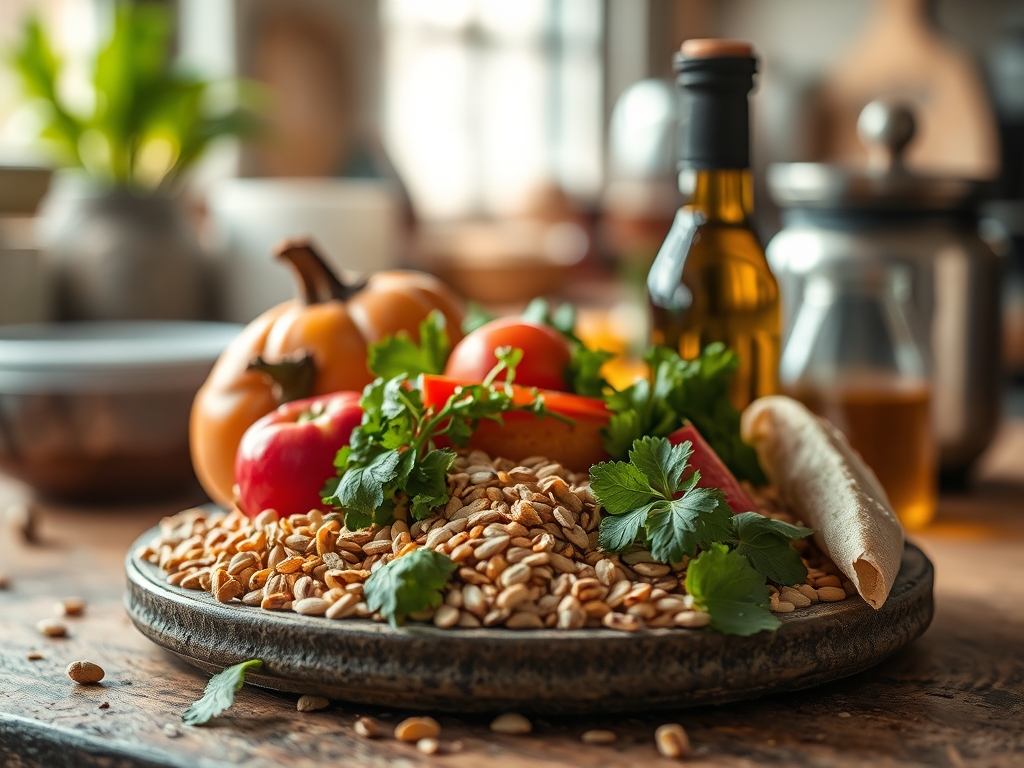
To achieve a restaurant-quality result, your mise-en-place must be precise. Start with five pounds of boneless, skinless chicken thighs. Thighs contain more connective tissue (collagen) than breasts, which breaks down into gelatin during the long cook cycle to create a viscous sauce. You will need a high-quality yellow curry powder, but for true depth, add a teaspoon of toasted garam masala and a pinch of turmeric for that iconic golden hue.
Your aromatics are the foundation. Use a microplane to grate fresh ginger and garlic into a fine paste; this increases the surface area for maximum flavor infusion. For the liquid base, full-fat coconut milk is non-negotiable for its emulsification properties, though you can use Greek yogurt for a tangier, lower-fat profile.
Smart Substitutions: If you are out of fresh ginger, use ginger paste from a tube rather than dried powder to maintain the piquant bite. If you prefer a thinner sauce, replace half the coconut milk with a high-quality bone broth. For a heat kick, finely mince a serrano pepper using a sharp chef's knife, ensuring you remove the seeds if you want flavor without the burn.
The Clock
Efficiency in the kitchen is about the Chef's Flow. Your active preparation time is exactly 15 minutes. This includes dicing the onions, grating the aromatics, and searing the meat if you choose the flavor-boosted path. The slow cooker then takes over for either four hours on "High" or seven to eight hours on "Low."
I always recommend the "Low" setting. This allows the proteins to undergo denaturation slowly, preventing the fibers from tightening and becoming rubbery. Think of it as a gentle spa day for your chicken. If you are prepping this for a weekday, set your machine to the "Warm" function after the cycle ends; this maintains food safety temperatures without overcooking the delicate ingredients.
The Masterclass
1. The Sear and Deglaze
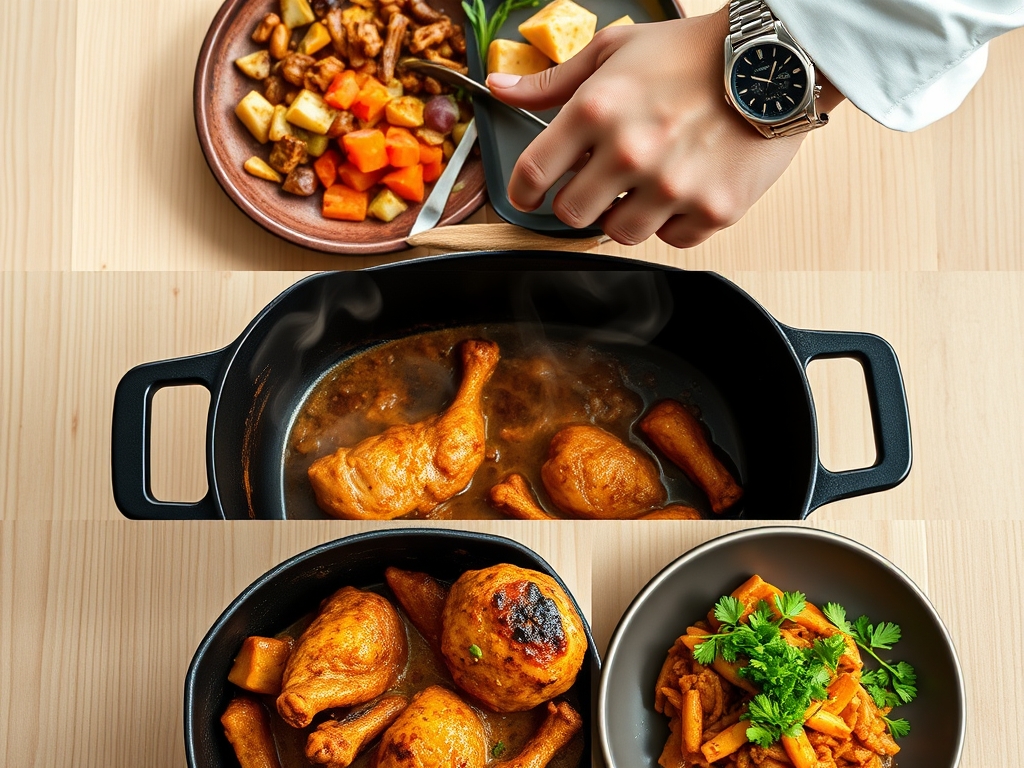
Before the chicken enters the slow cooker, heat a heavy-bottomed skillet with a tablespoon of neutral oil. Sear the chicken pieces until a golden crust forms. Use a saucier or a splash of broth to deglaze the pan, scraping up the brown bits (the fond) with a wooden spoon.
Pro Tip: This step triggers the Maillard reaction, a chemical reaction between amino acids and reducing sugars that creates hundreds of different flavor compounds you simply cannot get from boiling alone.
2. Layering the Aromatics
Place your diced onions, garlic, and ginger at the bottom of the ceramic insert. Position the seared chicken on top of this bed. This creates a thermal buffer and ensures the aromatics infuse the meat from the bottom up as they release their moisture.
Pro Tip: Aromatics release water as they heat; placing them at the bottom prevents the chicken from sitting in a pool of diluted liquid, allowing for a more concentrated flavor profile.
3. The Spice Bloom
In a small bowl, whisk your dry spices with a small amount of warm oil or coconut milk before pouring them over the chicken. Use a silicone spatula to ensure every piece of meat is coated.
Pro Tip: Many spices are fat-soluble, meaning their flavor compounds are released more effectively when they come into contact with lipids rather than water.
4. The Long Simmer
Pour in your coconut milk and any additional vegetables like chickpeas or diced potatoes. Cover the lid tightly. Resist the urge to peek; every time you lift the lid, you lose significant heat and increase the cook time by fifteen minutes.
Pro Tip: Maintaining a constant temperature allows for enzymatic browning and the steady breakdown of collagen into gelatin, which gives the sauce its luxurious body.
5. The Finishing Acid
Ten minutes before serving, stir in a squeeze of fresh lime juice or a teaspoon of apple cider vinegar. This is the secret to "waking up" a dish that has been simmering for hours.
Pro Tip: Acid cuts through the heavy fats of the coconut milk and chicken, balancing the pH of the dish and highlighting the top notes of the spices.
6. The Aeration and Rest
Once the timer goes off, use tongs to remove the chicken and shred it slightly, then return it to the pot. Let the curry sit uncovered for ten minutes to aerate.
Pro Tip: Allowing the sauce to sit slightly uncovered permits excess steam to escape, which naturally thickens the sauce through evaporation without the need for cornstarch.
The Deep Dive
Macro Nutrition: A standard serving of this curry provides approximately 35 grams of protein, 18 grams of healthy fats (from coconut), and 8 grams of carbohydrates. It is a satiating, high-protein meal that stabilizes blood sugar.
Dietary Swaps:
- Vegan: Replace chicken with extra-firm tofu or cauliflower florets. Reduce cook time to 3 hours on low.
- Keto: Ensure your coconut milk has no added sugars and serve over cauliflower rice.
- GF: This recipe is naturally gluten-free; just double-check your curry powder labels for hidden thickeners.
The Fix-It:
- Too Salty: Add a peeled, halved potato for the last 30 minutes to absorb excess sodium, then discard it.
- Too Thin: Whisk a tablespoon of peanut butter or almond butter into the sauce; it adds thickness and a nutty complexity.
- Too Spicy: Stir in a dollop of heavy cream or full-fat yogurt right before serving to coat the palate and dampen the heat.
Meal Prep: When reheating, do not use the microwave on high power. Instead, use a small pot on the stove over medium-low heat. Add a splash of water to re-hydrate the proteins. The science of retrogradation means the starches and fats will have thickened in the fridge; gentle heat will return them to their original silky state.
The Wrap-Up
You now have the technical blueprint to execute the most flavorful curry chicken recipes slow cooker style imaginable. By focusing on the science of the sear, the chemistry of fat-soluble spices, and the patience of a low-temperature simmer, you have elevated a humble kitchen appliance into a gourmet tool. This dish is forgiving, fragrant, and deeply comforting. Go ahead and garnish with a handful of fresh cilantro and a side of warm naan; you have earned the right to brag about this one.
The Kitchen Table
Can I put frozen chicken in the slow cooker?
No, it is a safety risk. Frozen meat stays in the "danger zone" (40 to 140 degrees Fahrenheit) for too long, allowing bacteria to multiply. Always thaw your chicken completely in the refrigerator before starting your slow cooker recipes.
How do I make the sauce thicker without flour?
The best way is to blend a cup of the cooked vegetables and some of the liquid into a puree, then stir it back into the pot. This maintains the flavor profile while adding significant body and a velvety texture.
Why does my coconut milk look curdled?
High heat can cause the proteins in coconut milk to separate. To prevent this, use full-fat canned coconut milk rather than the refrigerated carton version, and try to add it toward the middle or end of the cooking process.
Can I overcook chicken in a slow cooker?
Yes, even in liquid, chicken can become "mushy" or dry if left too long. Stick to the six to eight-hour window on low for thighs. If using breasts, check them at the four-hour mark to ensure they remain succulent.