
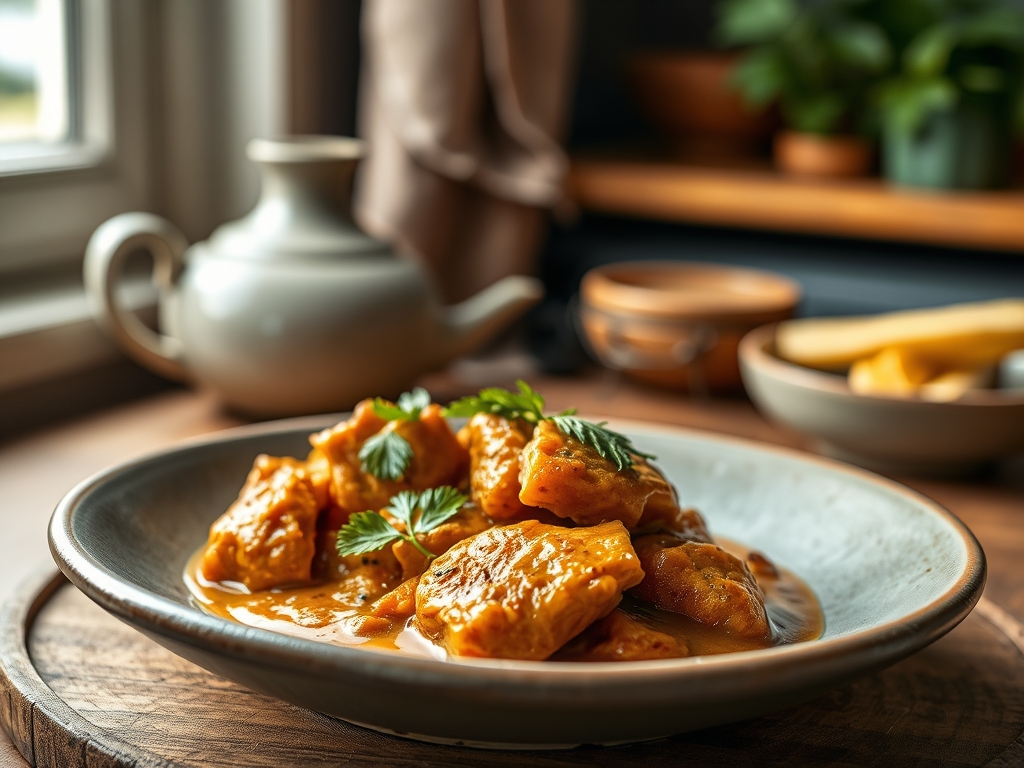
Imagine walking into your home after a long day and being greeted by the scent of toasted fenugreek and warm garam masala. It is a sensory embrace that only the best slow cooker butter chicken recipes can provide. We are talking about a sauce so velvety it coats the back of a spoon like liquid gold; a masterpiece of balance between piquant spices and luxurious fats.
The magic of this dish lies in the gentle, low-temperature transformation of simple ingredients into a complex flavor profile. When you use a slow cooker, you are not just heating food; you are allowing a slow-motion chemical marriage to occur between the lactic acid in the yogurt and the fibrous proteins of the chicken. This results in a texture that is impossibly tender without becoming mushy. We are going to dive deep into the molecular mechanics of this comfort classic, ensuring your kitchen becomes the most popular spot on the block. Grab your favorite apron and a heavy-bottomed skillet; we have some flavor to build.
The Gathers:
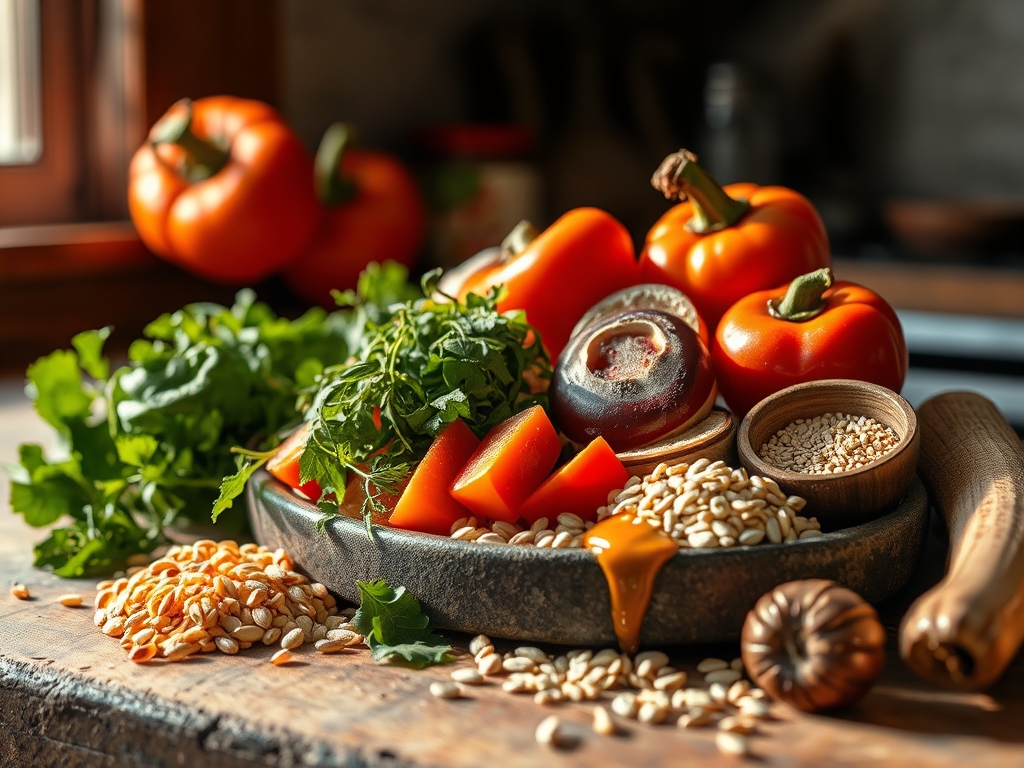
To achieve a restaurant-quality result, your mise-en-place must be precise. Start with boneless, skinless chicken thighs rather than breasts. Thighs contain more connective tissue, specifically collagen, which breaks down into gelatin during the long cooking process. This adds a viscous mouthfeel to the sauce that leaner meat simply cannot replicate. Use a digital scale to measure out 800 grams of chicken for perfect consistency.
Your spice drawer is the laboratory here. You will need fresh ginger and garlic, ideally grated with a microplane to create a fine paste that integrates seamlessly into the fat. The dry spices are the stars: smoked paprika for color, cumin for earthiness, and a high-quality garam masala. For the fat, use unsalted butter or traditional ghee. Ghee has a higher smoke point and a nutty, rendered flavor profile that elevates the dish.
Smart Substitutions: If you are avoiding dairy, full-fat coconut milk provides the necessary lipids to carry the spice flavors. For a lower-glycemic option, swap the honey for a splash of stevia or simply omit it, as the caramelized onions will provide natural sweetness. If you find yourself without heavy cream, a dollop of Greek yogurt added at the very end provides a similar thickness with an extra hit of acidity.
The Clock: Chef's Flow
Efficiency in the kitchen is about managing "dead time." While the slow cooker does the heavy lifting, your active prep time should take no more than 20 minutes. This is the Chef's Flow: a sequence of actions that maximizes flavor extraction. You will spend 10 minutes on the aromatic base and 10 minutes searing the meat.
Set your slow cooker to "Low" for 4 to 5 hours or "High" for 2 to 3 hours. I strongly recommend the low setting. High heat can cause the dairy to split and the proteins to tighten too quickly. By choosing the long road, you allow the spices to infuse the fat deeply. Once the timer dings, factor in a 10-minute "resting phase" with the lid off to allow the sauce to thicken through natural evaporation.
The Masterclass:
1. The Maillard Sear
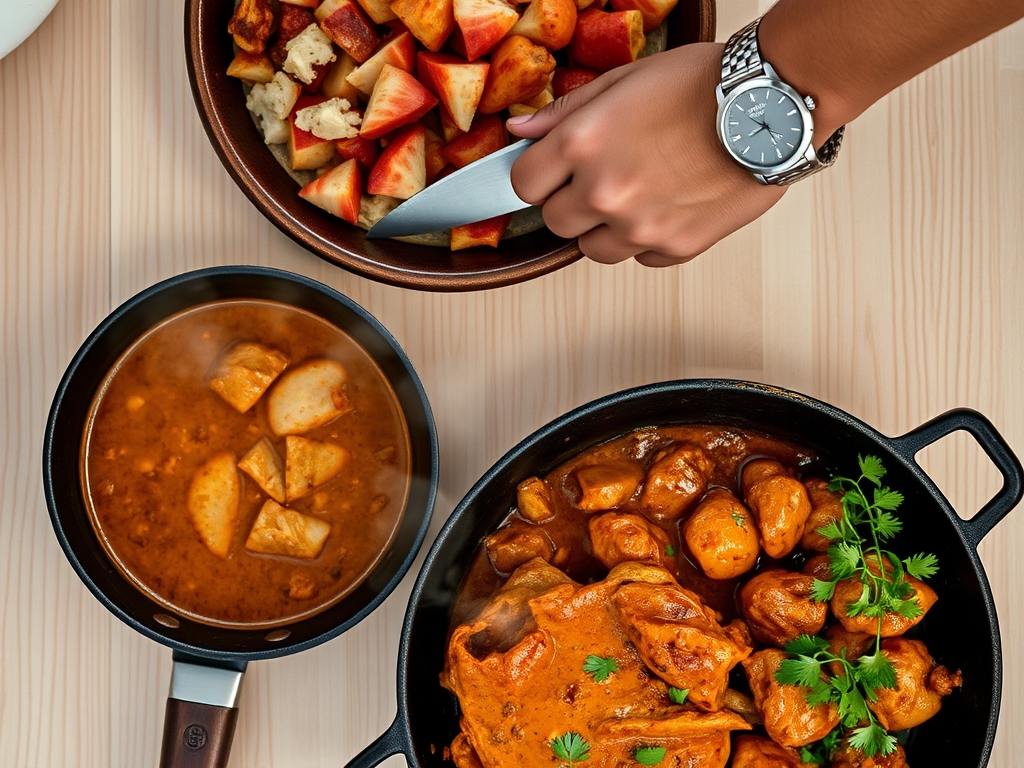
Do not just dump raw chicken into the pot. Use a heavy-bottomed skillet to sear the chicken pieces in batches. Use tongs to ensure each side achieves a golden-brown crust.
Pro Tip: This is the Maillard Reaction, a chemical reaction between amino acids and reducing sugars that creates hundreds of different flavor compounds. This step ensures your chicken tastes like roasted meat rather than boiled protein.
2. Deglaze the Aromatics
After searing the chicken, add your minced onions to the same pan. Use a saucier or a wooden spoon to scrape the brown bits (the fond) off the bottom.
Pro Tip: Use a splash of water or chicken stock to deglaze the pan. Those brown bits are concentrated umami; moving them from the pan into the slow cooker is the secret to a professional-grade sauce.
3. The Spice Bloom
Add your dry spices to the pan with the onions for 60 seconds before transferring everything to the slow cooker.
Pro Tip: This is called blooming. Many flavor compounds in spices are fat-soluble rather than water-soluble. Heating them in fat "unlocks" their volatile oils, making the final dish significantly more fragrant.
4. The Low and Slow Infusion
Place the chicken and the aromatic spice mixture into the slow cooker. Pour over your tomato puree, ensuring it is a smooth, fine consistency.
Pro Tip: This stage relies on thermal carryover. Even after you turn the machine off, the internal temperature of the chicken will continue to rise slightly, ensuring it stays succulent rather than drying out.
5. The Emulsification Finish
In the final 30 minutes of cooking, stir in your heavy cream and cold cubes of butter.
Pro Tip: Adding cold butter at the end is a French technique called monter au beurre. It creates a stable emulsification, giving the sauce a glossy, professional sheen and a velvety texture that does not feel greasy.
The Deep Dive:
From a nutritional standpoint, this dish is a powerhouse of protein and healthy fats. A standard serving contains approximately 35 grams of protein and 25 grams of fat. To make this Keto-friendly, serve it over cauliflower rice instead of basmati. For a Vegan version, utilize roasted cauliflower florets and chickpeas as the protein base, substituting the butter for coconut oil.
The Fix-It: Common Pitfalls
- The Sauce is Too Thin: If your sauce looks watery, do not panic. Whisk a teaspoon of cornstarch with cold water to create a slurry and stir it in for the last 15 minutes.
- The Dairy Curdled: This usually happens if the heat was too high. Next time, temper your cream by mixing it with a little hot sauce before pouring it into the pot.
- The Flavor is Flat: It likely needs acid. A squeeze of fresh lemon juice or a teaspoon of apple cider vinegar will brighten the heavy fats and make the spices pop.
Meal Prep & Reheating: Butter chicken actually tastes better on day two. As it cools, the flavors continue to aerate and meld. When reheating, avoid the microwave if possible. Use a small saucepan over low heat and add a tablespoon of water to loosen the sauce. This preserves the emulsion and prevents the butter from separating into a yellow oil.
The Wrap-Up:
Mastering slow cooker butter chicken recipes is about more than just following a list of ingredients; it is about respecting the science of flavor. By searing your meat, blooming your spices, and finishing with a cold butter emulsion, you elevate a simple weeknight meal into a culinary event. This dish is forgiving, fragrant, and fundamentally comforting. Now, go forth and fill your home with the scent of success. Your dinner table is waiting.
The Kitchen Table:
Can I put frozen chicken in the slow cooker?
No, you should never put frozen chicken in a slow cooker. It stays in the bacterial "danger zone" for too long as it thaws. Always defrost your poultry completely in the refrigerator before starting your recipe to ensure food safety.
How do I make my butter chicken sauce thicker?
For a thicker sauce, leave the lid off during the final thirty minutes of cooking. This allows excess moisture to evaporate. Alternatively, stir in a small cornstarch slurry or a tablespoon of tomato paste to increase the final viscosity.
Why did my sauce separate or look oily?
Separation usually occurs if the sauce boiled too vigorously or the dairy was added too early. To fix an oily sauce, whisk in a splash of heavy cream or cold butter at the end to re-emulsify the fats into the liquid.
What is the best way to store leftovers?
Store leftovers in an airtight glass container in the refrigerator for up to four days. The flavors will actually deepen over time. For longer storage, you can freeze the chicken and sauce for up to three months without losing quality.