
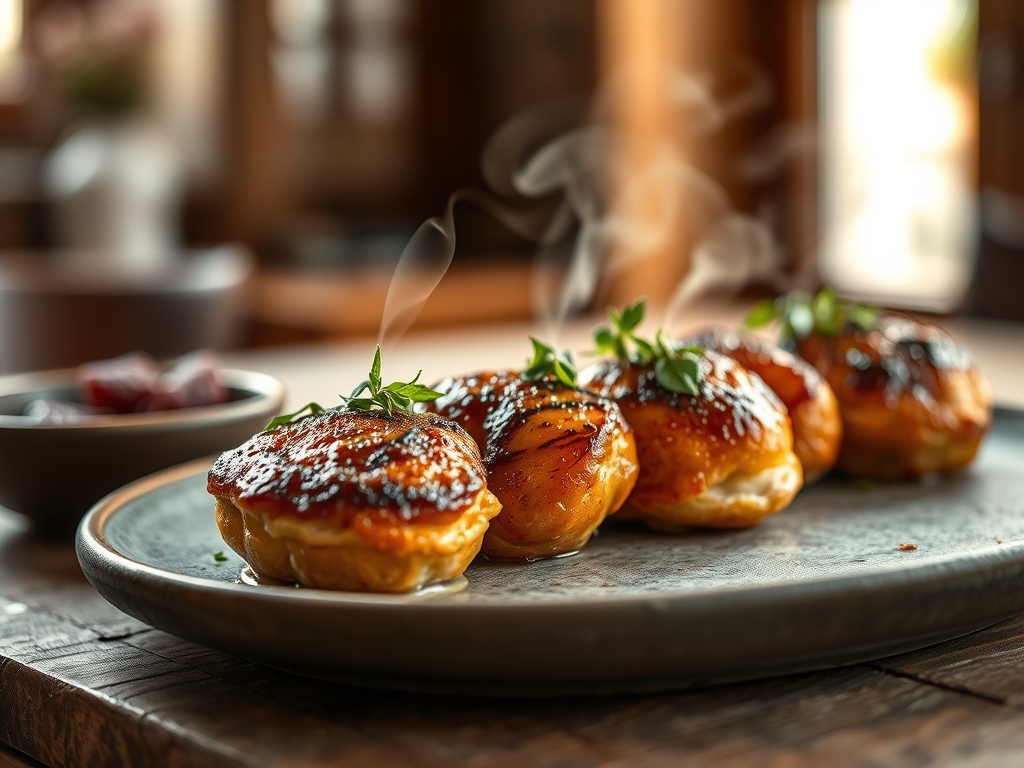
Imagine the sound of a thousand microscopic glass shards shattering at once. That is the precise acoustic signature of a perfect golden crust meeting a serrated knife. When you master pastry chicken recipes, you are not just making dinner; you are orchestrating a complex architectural feat of steam and fat. The chicken stays succulent because it is essentially sous-vide inside a buttery sarcophagus, while the exterior undergoes a rigorous transformation from pale dough to a mahogany masterpiece. We are chasing that elusive intersection of a piquant, savory filling and a flake so delicate it dissolves on the tongue. It is the ultimate comfort food elevated by high-level technique. If you have ever struggled with a soggy bottom or a dry bird, put down the takeout menu. We are about to dive into the molecular mechanics of the perfect bake. We will turn your kitchen into a high-end patisserie where the star of the show is a perfectly seasoned poultry breast wrapped in laminated glory.
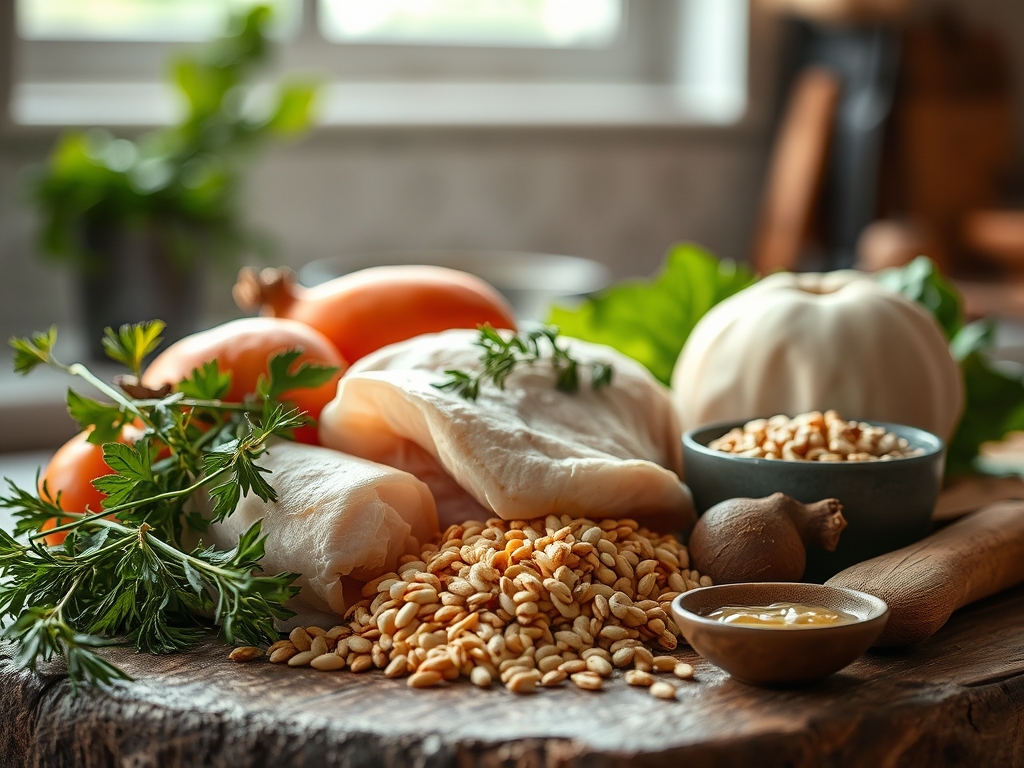
The Gathers:
Before we ignite the flame, your mise-en-place must be clinical. You will need a digital scale for precision, as volumetric measurements are the enemy of consistency in pastry chicken recipes. Gather high-protein bread flour for structure and European-style butter with at least 82 percent butterfat. This higher fat content ensures less water, which translates to more distinct lamination and less premature gluten development. For the protein, select organic chicken thighs; their higher collagen content allows them to render beautifully without drying out during the extended bake time.
Your aromatics should be finely processed with a microplane to ensure they infuse the filling without creating structural lumps. Think shallots, garlic, and fresh thyme. If you are looking for smart substitutions, use full-fat Greek yogurt in place of heavy cream for a more viscous and tangy binder. If you lack a bench scraper to handle the dough, a wide metal spatula will suffice, but the scraper is preferred for maintaining the integrity of those cold butter layers.
The Clock
The "Chef's Flow" is all about managing thermal transitions. Total preparation requires approximately 45 minutes of active labor, but the secret is in the "rest." You must account for a 30-minute chill period for the dough and a 40-minute bake time.
Start by preparing your filling; it needs time to reach room temperature. A common amateur mistake is placing hot chicken directly onto cold pastry, which melts the fat and ruins the flake. Use a heavy-bottomed skillet to sear the meat quickly, then let it rest. While the chicken cools, you will laminate your dough. This staggered approach ensures that by the time your oven reaches the target 400 degrees Fahrenheit, your pastry is chilled and your filling is stable. This flow prevents the dreaded "greasy seep" and ensures the pastry rises before the fat can escape.
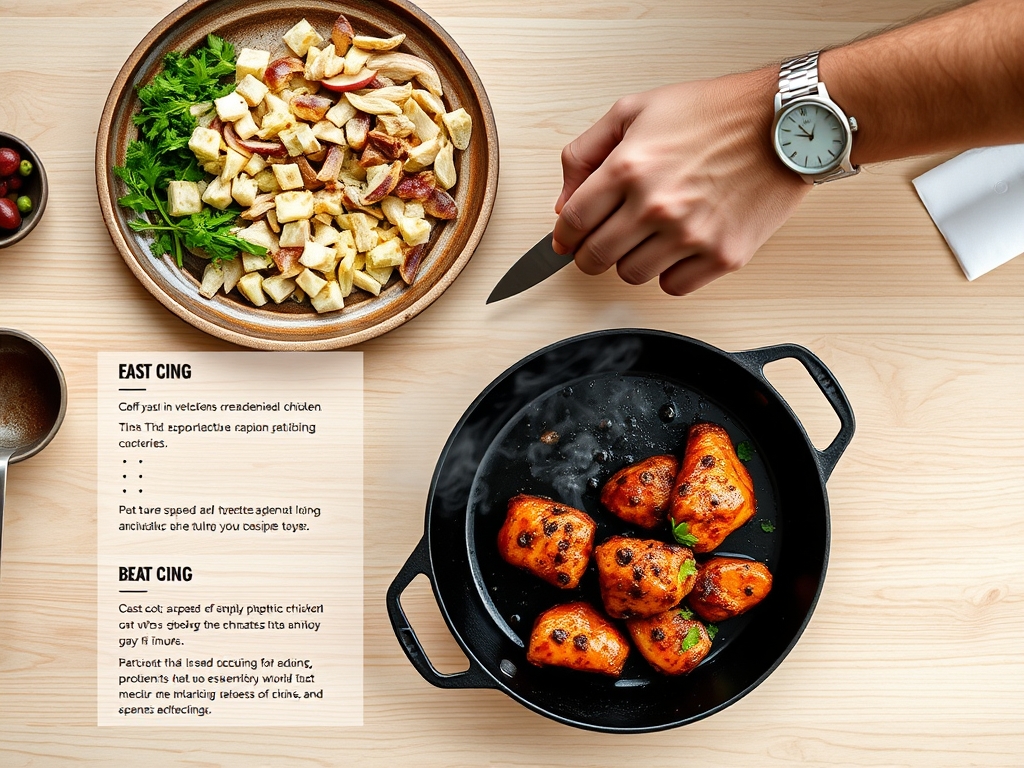
The Masterclass
1. The Sear and Deglaze
Place your seasoned chicken in a heavy-bottomed skillet over medium-high heat. You are looking for a deep Maillard reaction on the surface. Once browned, remove the chicken and use a splash of dry white wine to deglaze the pan, scraping up the fond with a wooden spoon.
Pro Tip: This step is about enzymatic browning. The fond contains concentrated amino acids that provide the "umami" backbone of the dish. By deglazing, you incorporate these complex flavor compounds back into the sauce rather than leaving them in the pan.
2. Creating the Emulsion
In a small saucier, whisk together your aromatics, flour, and stock. You are looking to create a viscous veloute that will coat the chicken. Use a whisk to ensure no clumps remain, creating a perfectly smooth binder.
Pro Tip: This is a lesson in emulsification. The starch in the flour stabilizes the fats and liquids, preventing the sauce from breaking inside the pastry and creating a soggy crust.
3. Lamination and Folding
Roll out your chilled pastry on a floured surface. Place cold butter shards across the middle third and fold the outer edges over. Repeat this process three times, chilling between turns if the kitchen is warm.
Pro Tip: This creates physical barriers of fat between layers of dough. When the heat hits, the water in the butter turns to steam, forcing the layers apart to create that signature "puff."
4. The Assembly
Place a portion of the cooled chicken mixture in the center of your pastry square. Use an egg wash (one yolk plus a teaspoon of water) to paint the edges. This acts as a protein-based biological glue.
Pro Tip: The egg wash also aids in the Maillard reaction. The extra proteins and sugars on the surface caramelize faster, giving you that professional deep-gold finish.
5. Scoring for Steam
Use a sharp paring knife to cut three small slits in the top of the pastry. This is not just decorative; it is a vital pressure release valve.
Pro Tip: Without vents, the steam trapped inside will build pressure, potentially causing the pastry to blow out at the seams or making the bottom layer unpleasantly gummy.
6. The High-Heat Launch
Slide your tray into an oven preheated to 400 degrees Fahrenheit. After 15 minutes, rotate the pan 180 degrees to ensure even heat distribution.
Pro Tip: Most home ovens have "hot spots." Rotating the pan ensures that the thermal carryover is consistent across all pieces, preventing one side from burning while the other remains raw.
7. The Rest Period
Once removed from the oven, transfer the pastry chicken to a wire cooling rack immediately. Do not leave it on the hot baking sheet.
Pro Tip: This prevents "sweating." If left on the flat sheet, the bottom of the pastry will trap steam and lose its crunch. The rack allows air to circulate, maintaining the structural integrity of the crust.
8. The Temperature Check
Use a digital probe thermometer to ensure the internal temperature has reached 165 degrees Fahrenheit.
Pro Tip: Even if the pastry looks done, the dense filling might still be undercooked. Relying on internal temperature rather than visual cues is the only way to guarantee food safety and texture.
9. The Final Garnish
Brush a tiny amount of melted herb butter over the hot crust and sprinkle with flaky sea salt.
Pro Tip: The salt acts as a flavor enhancer by suppressing bitterness and highlighting the sweetness of the butter. Adding it at the very end ensures the crystals stay intact for a tactile crunch.
The Deep Dive
From a macro perspective, pastry chicken recipes are calorie-dense but can be balanced with a bitter green salad. A standard serving contains roughly 35 grams of protein and 42 grams of carbohydrates. For a Keto version, swap the flour-based pastry for a "fathead" dough made of mozzarella and almond flour. For a Vegan alternative, use oyster mushrooms in place of chicken and a coconut oil-based vegan puff pastry.
If you encounter a "leak," the fix is usually a tighter seal or a thicker sauce; next time, reduce your filling further. If the pastry is pale, your oven temperature is likely calibrated too low. To reheat leftovers, avoid the microwave at all costs. Use a toaster oven at 350 degrees Fahrenheit for 8 minutes to re-crisp the fats. This "day-one" quality is achieved by re-melting the solidified butter within the layers without overcooking the chicken.
The Wrap-Up
Mastering the art of pastry chicken recipes is a rite of passage for any serious home cook. It combines the precision of baking with the soul of savory cooking. When you pull that tray out and see the jagged, golden peaks of the crust, you will know the effort was worth it. This is a dish that commands respect at the table and delivers a symphony of textures in every bite. Go ahead and get your hands floured; your kitchen is ready for its masterclass.
The Kitchen Table
Can I use store-bought puff pastry?
Yes; however, ensure it is "all-butter" puff pastry. Many commercial brands use vegetable oils which lack the flavor and structural integrity required for high-end pastry chicken recipes. Always keep the dough extremely cold before it enters the oven.
How do I prevent a soggy bottom?
Blind bake the bottom crust if using a pie format; otherwise, ensure your filling is completely cold before assembly. A hot filling will melt the pastry fats prematurely, leading to a dense, greasy base instead of a crisp one.
Can I freeze these before baking?
Absolutely. Assemble the pastries but do not apply the egg wash. Freeze them on a tray until solid, then bag them. Bake directly from frozen, adding about 10 to 15 minutes to the total cook time for safety.
What is the best chicken cut to use?
Chicken thighs are superior for pastry recipes. They contain more fat and connective tissue than breasts; this allows them to remain juicy during the long baking process required to fully cook and crisp the surrounding dough.