
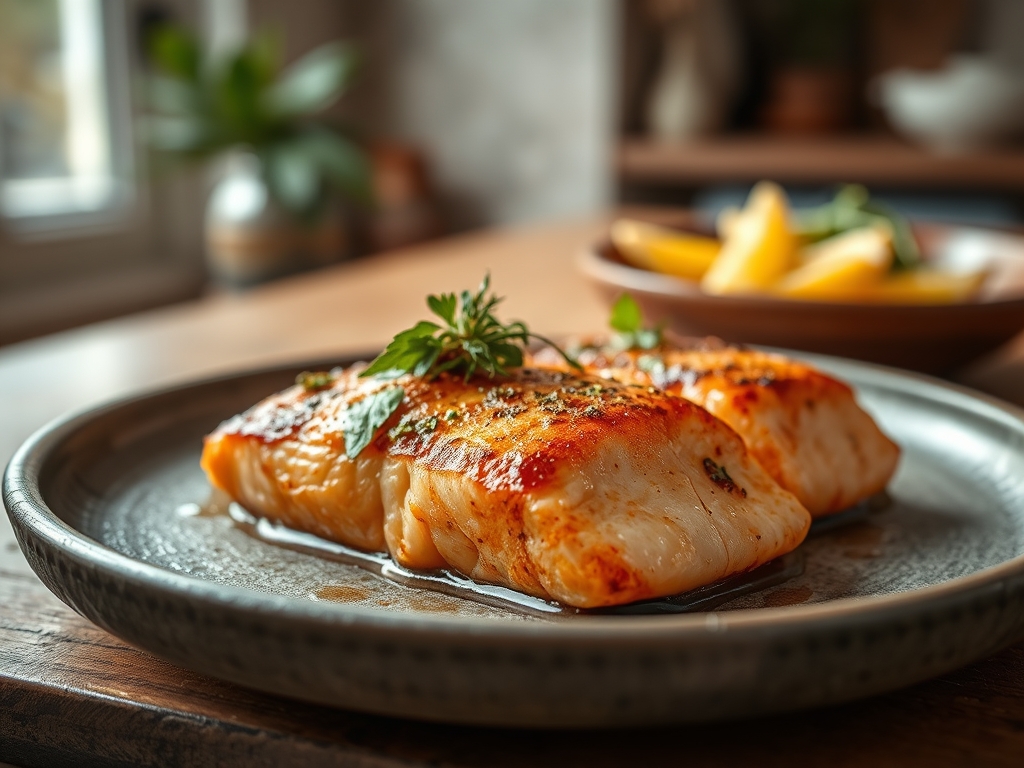
Close your eyes and imagine the sizzle of a heavy-bottomed skillet meeting a cold, marbled fillet. The aroma is an immediate assault on the senses; it is the earthy depth of toasted cumin colliding with the bright, piquant zing of fresh lime zest. When you are hunting for the ultimate southwest salmon recipes, you are not just looking for dinner. You are looking for a chemical transformation where smoke meets sea. This is about achieving that shattered-glass crust on the outside while maintaining a buttery, translucent interior. We are going to master the art of the sear, the science of the spice rub, and the geometry of a perfectly plated meal that tastes like a desert sunset.
The Gathers:
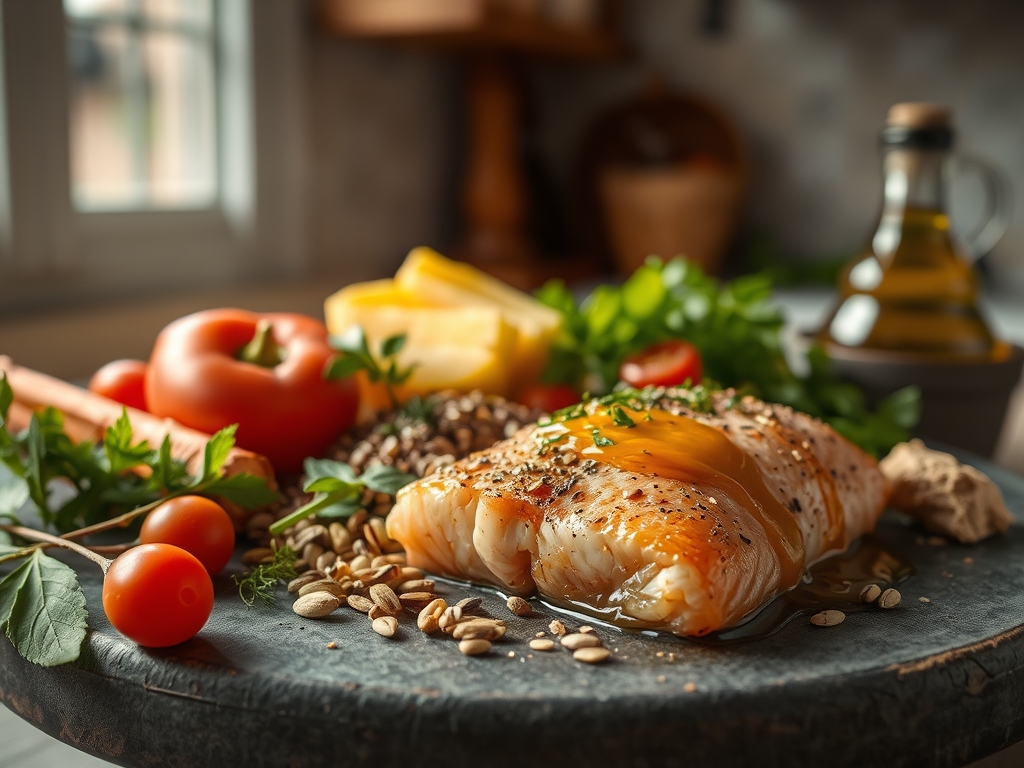
To execute these southwest salmon recipes with precision, your mise-en-place must be flawless. We start with the protein: six-ounce center-cut fillets. Look for deep pigmentation, which indicates a high concentration of astaxanthin, a powerful antioxidant. For the dry rub, gather your ground chipotle, smoked paprika, and kosher salt. Use a digital scale to ensure your spice ratios are consistent; precision prevents the capsaicin from overwhelming the delicate fatty acids of the fish.
You will need aromatics that provide a structural backbone. Fresh cilantro must be washed and dried thoroughly using a salad spinner to prevent bruising the cell walls. For the "zesty" component, use a microplane to shave the zest of three limes, capturing only the oil-rich flavedo while avoiding the bitter white pith.
Smart Substitutions:
If you find yourself without chipotle powder, a blend of smoked paprika and a touch of cayenne mimics that deep, volcanic heat. For a lower-sodium profile, swap kosher salt for a splash of liquid aminos or coconut aminos during the final glaze. If you are avoiding nightshades, a crust of toasted pepitas and citrus zest provides a similar textural contrast without the heat.
The Clock
Efficiency in the kitchen is about understanding the "Chef's Flow." Total preparation time for these dishes averages twenty minutes, with a focused cook time of twelve to fifteen minutes depending on the thickness of your fillets. The flow begins with the "Tempering Phase." Never pull fish directly from the refrigerator and drop it into a hot pan. Allow the salmon to sit at room temperature for fifteen minutes. This reduces the thermal gradient, ensuring the center reaches the target temperature before the exterior overcooks. While the fish tempers, you will prep your salsa or crema, allowing the flavors to infuse and the acids to macerate the vegetables.
The Masterclass
1. The Surface Preparation
Pat the salmon skin dry with a lint-free paper towel until it feels like parchment. Moisture is the enemy of the Maillard reaction. If the surface is damp, the heat energy will be wasted evaporating water rather than browning the proteins. Use a bench scraper to clear your board of any debris before seasoning.
Pro Tip: This is the science of surface tension. By removing moisture, you allow the oil to create a direct thermal bridge between the pan and the fish, resulting in a crisp, golden crust.
2. The Spice Application
Apply your southwest rub generously. Press the spices into the flesh using the flat side of a chef's knife. You are creating a dry brine. The salt will begin to dissolve and penetrate the muscle fibers, seasoning the fish from the inside out while the spices form a protective, flavorful barrier.
Pro Tip: Denaturation begins the moment salt touches the fish. This process unwinds protein strands, allowing them to trap more moisture during the cooking process.
3. The Searing Phase
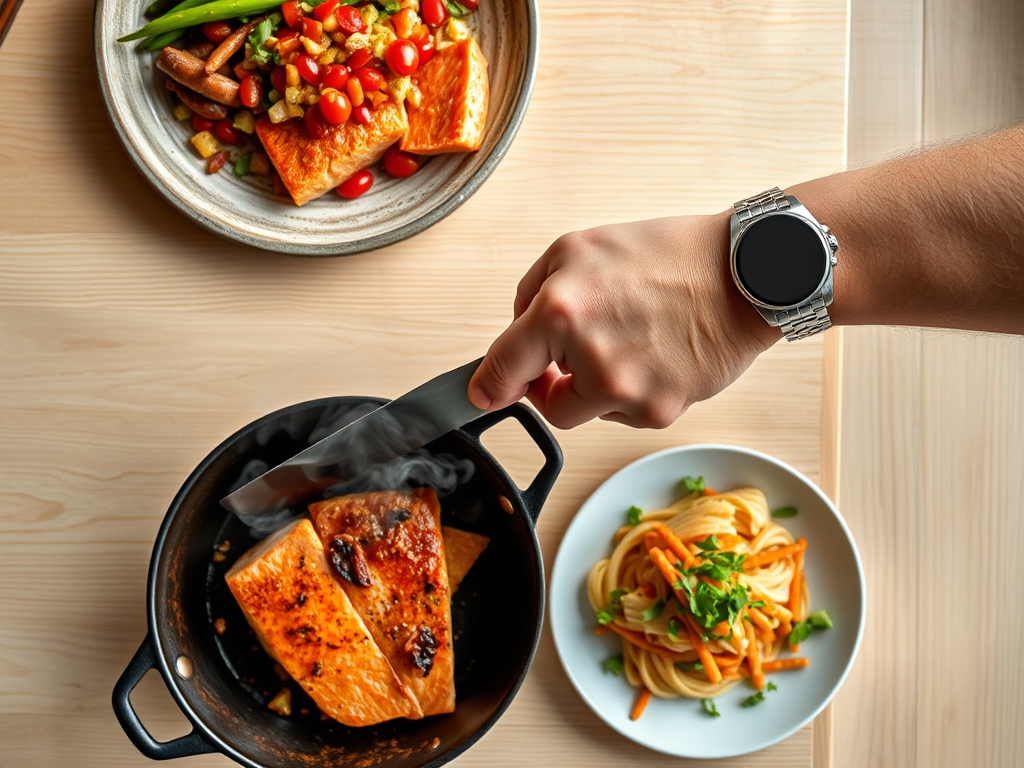
Heat your heavy-bottomed skillet over medium-high heat until the oil reaches its shimmer point. Place the salmon skin-side down. Use tongs to press the fillet firmly against the pan for thirty seconds. This prevents the skin from curling as the collagen fibers contract.
Pro Tip: This stage utilizes conduction. The heavy pan retains thermal mass, ensuring the temperature does not drop when the cold fish is added, which prevents sticking.
4. The Flip and Finish
Once the skin is translucent and crispy, flip the fillet. Reduce the heat. This is where we introduce a "butter baste" if you are feeling indulgent. Add a knob of butter and a smashed garlic clove to the pan. Use a large spoon to bathe the fish in the foaming fat.
Pro Tip: This is thermal carryover. Remove the fish when it is 5 degrees below your target temperature. The internal energy will continue to cook the center while the fish rests.
5. The Emulsified Topping
While the fish rests, use a saucier to whisk together lime juice, honey, and a bit of Greek yogurt or avocado. You are looking for a viscous consistency that clings to the back of a spoon. This adds a bright, acidic counterpoint to the smoky rub.
Pro Tip: Emulsification occurs when you force fat and water-based liquids to bond. The lecithin in the avocado or the proteins in the yogurt act as the bridge.
The Deep Dive
Macro Nutrition:
A standard serving of southwest salmon provides approximately 34g of high-quality protein and 18g of healthy fats, primarily Omega-3s. It is a metabolic powerhouse that supports cognitive function and reduces inflammation.
Dietary Swaps:
- Keto: Replace any honey in the glaze with a monk fruit erythritol blend.
- Vegan: Use this same spice profile on thick slabs of cauliflower or firm tofu.
- Gluten-Free: Naturally GF, but ensure your spices are not processed in a facility with wheat.
The Fix-It:
- Pitfall: The Skin is Soggy. Fix: You likely flipped too early. The skin will "release" from the pan naturally once the proteins have fully caramelized.
- Pitfall: The Spices Tastes Bitter. Fix: The pan was too hot, scorching the paprika. Next time, add the spices toward the end of the sear or use a lower heat.
- Pitfall: The Fish is Dry. Fix: You missed the carryover window. Use a digital thermometer and pull the fish at 125F for a perfect medium-rare.
Meal Prep Science:
To reheat without the "fishy" smell or rubbery texture, use a low-temperature oven (275F) with a splash of water covered in foil. This creates a steam chamber that rehydrates the proteins gently.
The Wrap-Up
Mastering southwest salmon recipes is about more than just following a card; it is about understanding how heat, fat, and acid dance together on a plate. When you pull that shimmering, spice-crusted fillet from the pan, you are serving a masterclass in culinary chemistry. Whether you are topping it with a mango salsa or nesting it in a warm corn tortilla, the result is a vibrant, nutrient-dense meal that proves healthy eating can be an absolute riot of flavor. Now, grab your skillet and let is get cooking!
The Kitchen Table
How do I get the skin extra crispy?
Ensure the skin is bone-dry before cooking. Start in a cold pan with a small amount of oil, then ramp up the heat. This allows the fat to render slowly, resulting in a cracker-like texture.
What is the best temperature for salmon?
For a buttery, moist texture, aim for an internal temperature of 125F to 130F. This is considered medium-rare. Anything above 145F will result in a firmer, drier flake that may lose its delicate flavor.
Can I make southwest salmon in an air fryer?
Yes. Set the air fryer to 400F and cook for 8 to 10 minutes. The high-velocity hot air mimics a convection oven, creating a great crust, though you lose the ability to butter-baste for flavor.
Why does white gunk come out of my salmon?
That white substance is albumin, a protein that pushes to the surface when the muscle fibers contract too quickly. To minimize this, cook the fish more gently and avoid overcooking, which squeezes the albumin out.