
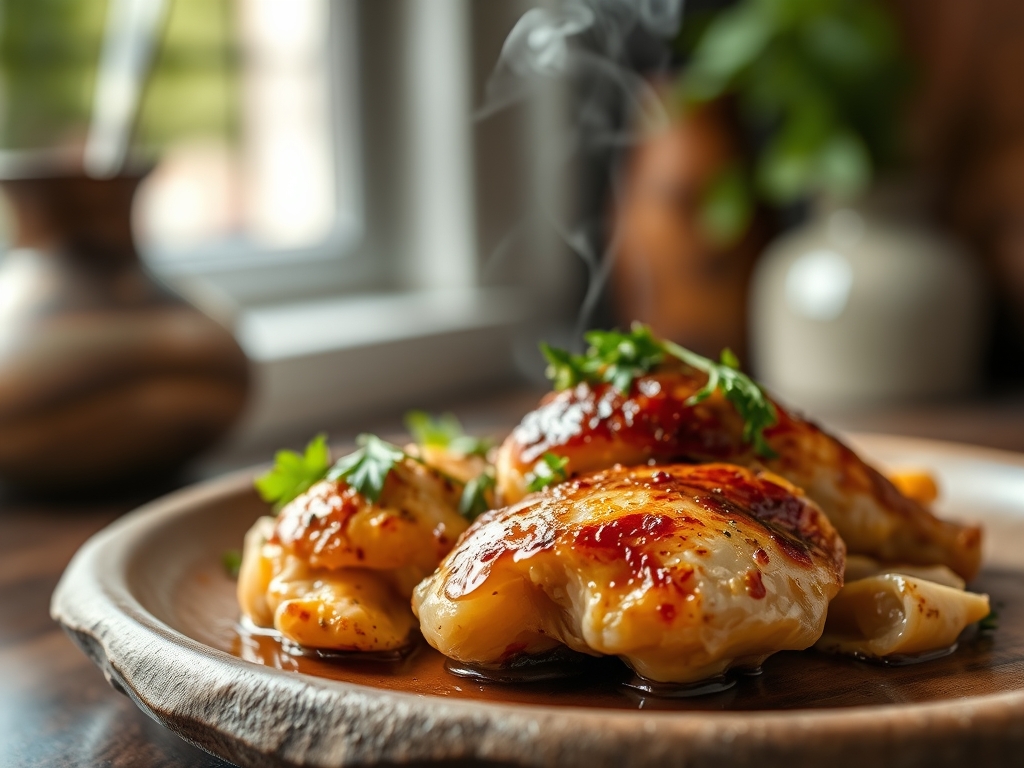
Picture the sound of a heavy-bottomed skillet meeting a high-flame burner. There is a specific, sharp hiss that happens when lean protein hits a hot surface; it is the sound of chemistry in motion. We are often told that flavor requires fat, but that is a culinary myth I am here to debunk. Finding the perfect chicken recipes low fat does not mean sacrificing the soul of the dish. It means mastering the art of the sear, the science of the marinade, and the magic of moisture retention. We are going to transform standard poultry into a high-octane, nutrient-dense masterpiece that tastes like a weekend indulgence but fuels you like a professional athlete.
The secret lies in the Maillard reaction. This is the chemical dance between amino acids and reducing sugars that creates that gorgeous, golden-brown crust. When we strip away the excess oils, we have to be more intentional about our heat management and our aromatics. We are going to use acidity to tenderize, spices to provide depth, and precise thermal control to ensure every bite is succulent. Whether you are prepping for a busy work week or hosting a dinner where you want to feel light and energized afterward, these techniques will become your new kitchen superpowers. Let's get your station ready; we have some serious flavor to build.
The Gathers:
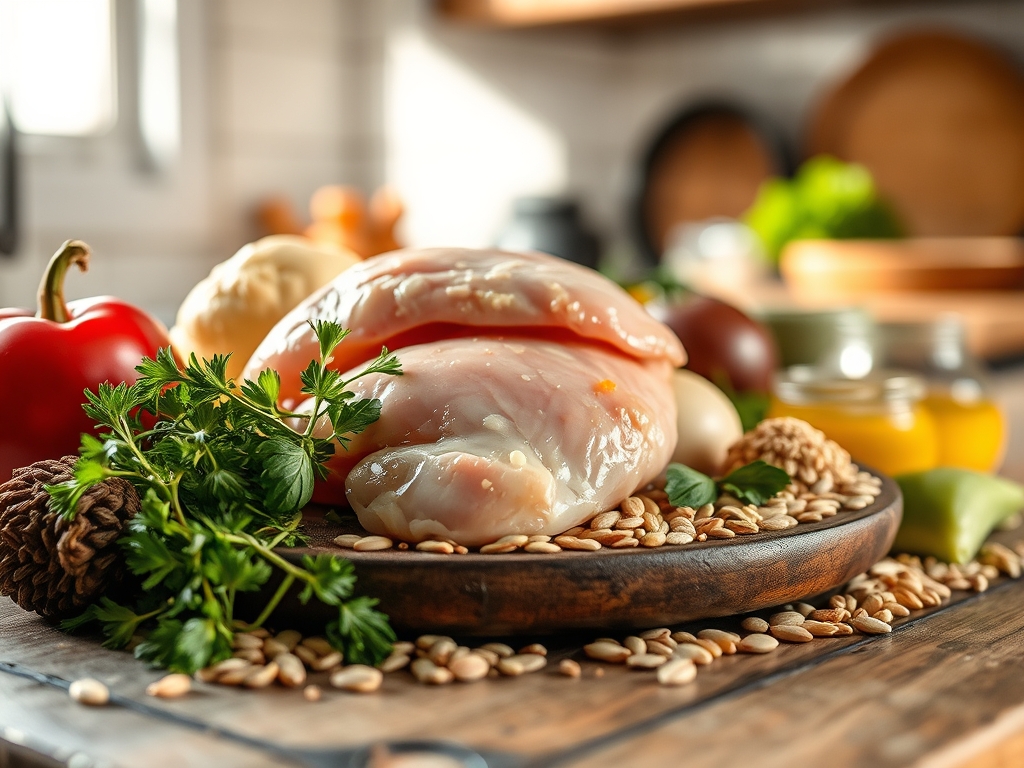
Setting up your mise-en-place is not just about organization; it is about managing the volatile organic compounds that give food its aroma. For our eight variations, you will need high-quality, skinless chicken breasts or thighs. Look for air-chilled poultry if possible. Conventional water-chilled chicken often releases excess moisture in the pan, which leads to gray, steamed meat instead of a crisp sear.
Your counter should feature a vibrant array of aromatics: fresh ginger for its piquant zing, garlic cloves ready for the microplane, and bright citrus. Acid is our primary tool for flavor elevation without lipid density. Grab your digital scale to ensure portion accuracy and a bench scraper to keep your workspace pristine.
Smart Substitutions: If you are watching sodium, swap traditional soy sauce for liquid aminos or coconut aminos. To achieve a creamy texture without heavy cream, we will use a viscous puree of white beans or a dollop of non-fat Greek yogurt. For thickening sauces, skip the roux and use a slurry of arrowroot powder; it creates a crystal-clear, glossy finish that looks professional and keeps the calorie count low.
The Clock
Efficiency in the kitchen is all about the "Chef's Flow." This is the sequence of operations that minimizes downtime. Total prep time for these recipes averages twenty minutes, with active cook times ranging from twelve to fifteen minutes. The key is to utilize your marination window. While the chicken undergoes enzymatic tenderization in a bowl, you should be dicing your mirepoix or prepping your grains.
A digital meat thermometer is your best friend here. Because we are working with low-fat cuts, the margin for error is slim. Overcooking by even two minutes can turn a juicy breast into something resembling cardboard. Aim for an internal temperature of 160 degrees Fahrenheit, allowing for thermal carryover to bring it to the food-safe 165 degrees while it rests on your cutting board.
The Masterclass
1. The Precision Sear
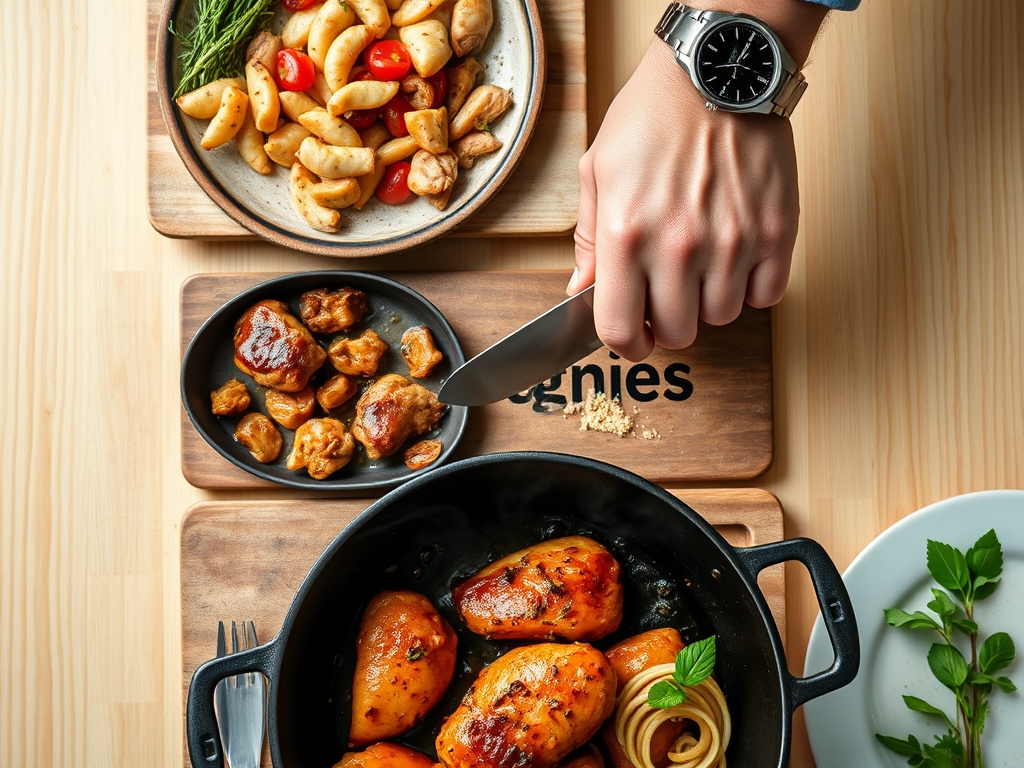
Pat your chicken completely dry with paper towels. Moisture is the enemy of the sear. Heat your heavy-bottomed skillet until a drop of water flicked onto the surface dances and evaporates instantly. Use a light spray of high-smoke-point oil like avocado oil. Place the chicken in the pan and do not move it for at least four minutes.
Pro Tip: This patience allows for adhesion and release. The meat will naturally detach from the pan once the Maillard reaction has sufficiently dehydrated the surface proteins, creating a savory crust.
2. Deglazing for Depth
Once the chicken is flipped, the bottom of your pan will be covered in "fond," those delicious brown bits of concentrated flavor. Pour in a splash of chicken stock, verjuice, or white wine. Use your tongs to scrape the bottom of the pan, incorporating those solids back into a liquid state.
Pro Tip: This is deglazing, a technique that captures the concentrated essence of the meat. The liquid acts as a solvent, pulling flavors into a sauce without needing butter to emulsify.
3. Aromatics Infusion
Lower the heat and add your minced garlic, shallots, or herbs. We add these late in the process because their essential oils are delicate and can turn bitter if scorched.
Pro Tip: This is infusion. By adding aromatics to the deglazing liquid, you are creating a flavorful steam that penetrates the meat fibers as they finish cooking, ensuring the flavor is internal, not just topical.
4. The Rest Period
Transfer the chicken to a warm plate and tent it loosely with foil. Let it sit for five to seven minutes before slicing.
Pro Tip: This allows for moisture redistribution. During cooking, muscle fibers contract and push juices toward the center. Resting allows those fibers to relax and reabsorb the liquid, ensuring a juicy result when you finally cut into it.
The Deep Dive
When we analyze the macro nutrition of these chicken recipes low fat, we are looking at a powerhouse profile. A standard four-ounce serving provides roughly 26 grams of protein with less than 3 grams of fat. This high protein-to-calorie ratio is ideal for muscle repair and satiety.
Dietary Swaps:
- Vegan: Replace chicken with extra-firm tofu that has been pressed for thirty minutes. Use the same searing technique to achieve a crispy exterior.
- Keto: While these are low fat, you can easily pivot by adding a side of avocado or using a tahini-based dressing for your greens.
- GF: Ensure your chicken stock is certified gluten-free and use tamari instead of soy sauce.
The Fix-It:
- Problem: The chicken is tough. Fix: You likely skipped the rest period or overcooked it. Use a digital thermometer next time.
- Problem: The sauce is too thin. Fix: Use a cornstarch or arrowroot slurry. Whisk one teaspoon of starch into one tablespoon of cold water, then stir it into the simmering sauce until it reaches the desired viscosity.
- Problem: The meat is bland. Fix: Increase your acid. A final squeeze of fresh lemon or a teaspoon of apple cider vinegar right before serving will "wake up" the flavors.
Meal Prep: To maintain "day-one" quality, store your chicken and sauce separately. When reheating, do so at 50 percent power in the microwave or in a covered skillet with a tablespoon of water to create a gentle steam environment. This prevents the proteins from tightening and becoming rubbery.
The Wrap-Up
Mastering chicken recipes low fat is truly the ultimate flex in the kitchen. It proves that you understand the mechanics of heat and the chemistry of flavor well enough to bypass the easy crutch of heavy fats. You have learned how to sear with precision, deglaze like a pro, and rest your meat for maximum juiciness. These eight meals are not just fuel; they are a testament to your culinary growth. Go ahead and plate that masterpiece; you have earned every flavorful, guilt-free bite!
The Kitchen Table
How do I keep low-fat chicken from drying out?
Use a digital thermometer to pull the chicken at 160 degrees Fahrenheit. Allow it to rest for five minutes so the fibers reabsorb juices. Also, consider dry-brining with salt for thirty minutes before cooking to lock in moisture.
What is the best way to add flavor without oil?
Utilize high-impact aromatics like ginger, garlic, and fresh herbs. Deglazing the pan with acidic liquids like citrus juice or vinegars captures the savory fond, creating a rich sauce without the need for added fats or heavy creams.
Can I use frozen chicken for these recipes?
Yes, but ensure it is completely thawed and patted dry. Excess ice crystals lead to surface moisture, which prevents the Maillard reaction. Thaw in the refrigerator overnight for the best texture and safety.
Which professional tool is essential for low-fat cooking?
A heavy-bottomed stainless steel or cast-iron skillet is vital. These pans provide superior heat retention and distribution, which is necessary for achieving a golden-brown sear on lean proteins without relying on excessive amounts of oil.