
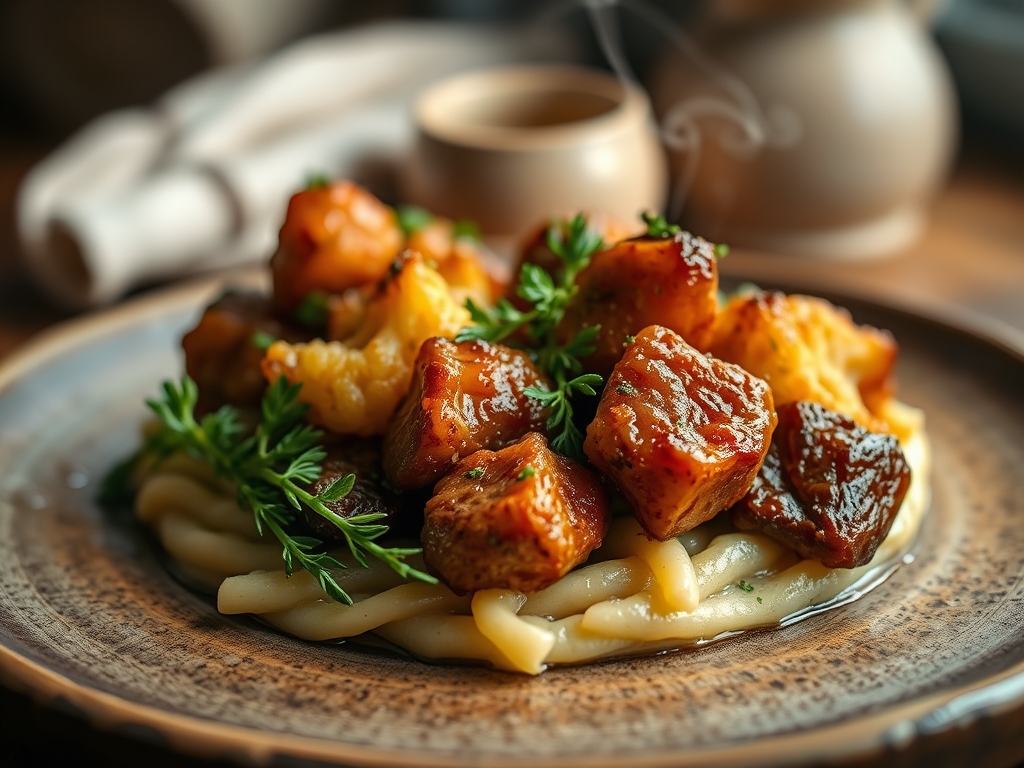
Picture a heavy-bottomed skillet screaming over high heat as the fat begins to render from a marbled ribeye. The scent of caramelizing proteins fills the air while you toss in a handful of pale, cruciferous florets that act like sponges for every drop of savory juice. Finding the perfect balance between indulgence and nutrition is an art form, but these cauliflower beef recipes bridge the gap with scientific precision. We are moving beyond the soggy steamed side dishes of the past. Instead, we are leaning into the chemistry of high-heat roasting and the Maillard reaction to transform these two humble ingredients into a powerhouse duo. Whether you are craving a piquant stir-fry or a viscous, slow-cooked ragu, the versatility of cauliflower allows it to mimic textures ranging from al dente pasta to creamy mashed potatoes. This is not just a healthy alternative; it is a culinary upgrade that prioritizes flavor density and metabolic health without sacrificing the soul-satisfying richness of a well-seared steak.
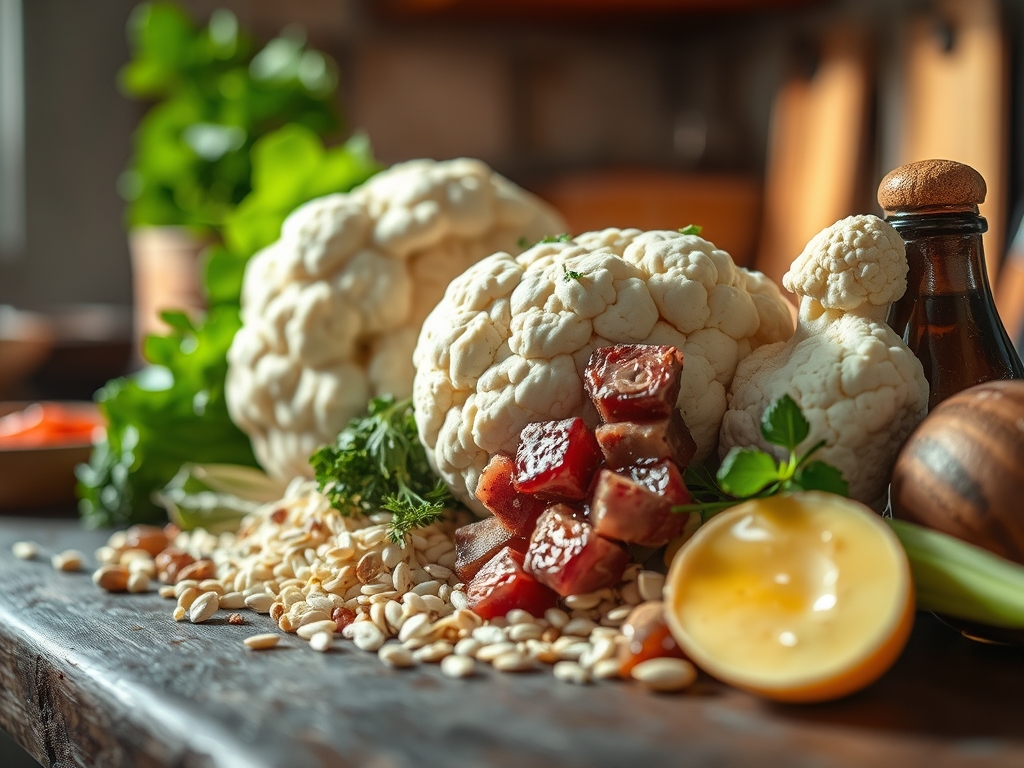
The Gathers:
To execute these cauliflower beef recipes with professional finesse, your mise-en-place must be organized by moisture content and thermal resistance. Start with your protein; look for grass-fed flank steak or 90/10 lean ground beef to ensure a clean flavor profile. Use a sharp chef knife to slice the beef against the grain, which shortens the muscle fibers and guarantees a tender mouthfeel. For the cauliflower, choose heads that are dense and heavy for their size with no signs of oxidation.
Smart Substitutions:
If you are looking to lower the glycemic index even further, swap traditional soy sauce for coconut aminos to maintain that deep umami profile without the soy allergens. For those needing a crunch without the carbs, crushed pork rinds make an excellent breading substitute for "beef and broccoli" style cauliflower bites. Use a microplane to zest fresh ginger and garlic directly into your marinade; this increases the surface area and allows the aromatic oils to infuse the meat more deeply during the resting phase. Keep a bench scraper handy to move your chopped aromatics from the board to the pan without losing the precious juices that contain the most flavor.
The Clock
Efficiency in the kitchen relies on "Chef's Flow," the ability to overlap tasks so that no heat is wasted. Prep time for these recipes typically clocks in at 15 minutes, provided your knife skills are sharp. The cooking phase varies from a lightning-fast 8-minute stir-fry to a 25-minute oven roast. The key is to prep your cauliflower first; it can sit at room temperature without degrading. Save the beef slicing for last to minimize the window for bacterial growth. By the time your heavy-bottomed skillet has reached its smoke point, your vegetables should already be staged and ready. This synchronized timing ensures that the beef reaches its target internal temperature exactly as the cauliflower achieves a perfect golden-brown char.
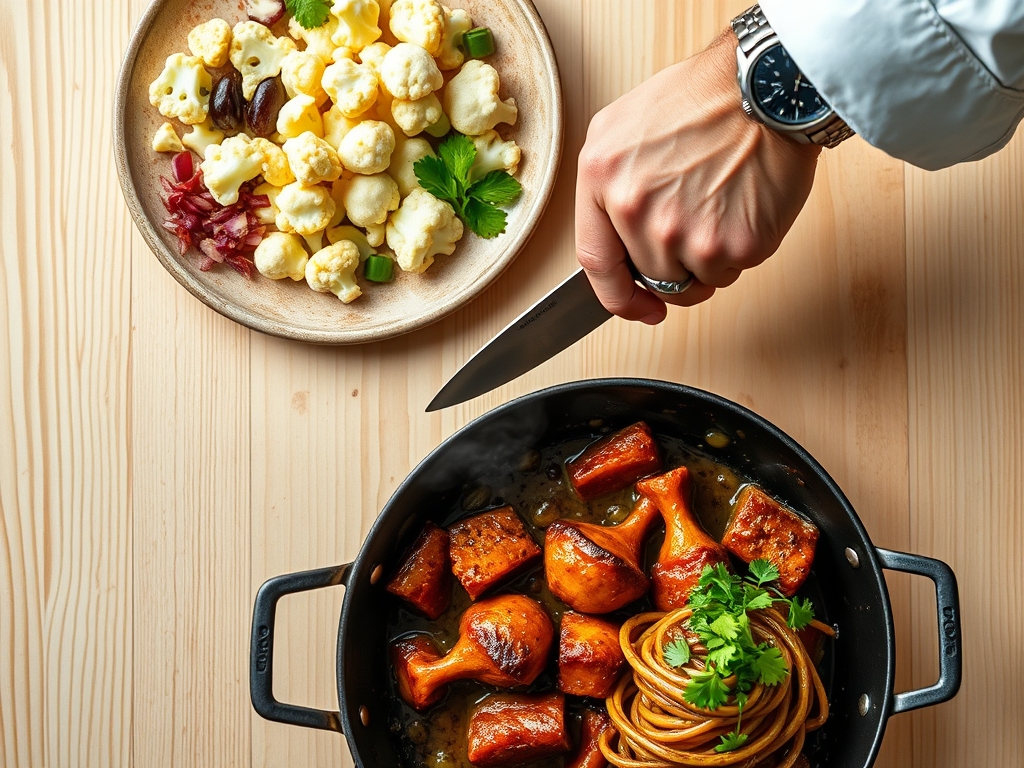
The Masterclass
1. Tempering and Seasoning
Remove your beef from the refrigerator at least 20 minutes before cooking. Use a digital scale to measure out 1.5% salt by weight for the most consistent seasoning. Pat the meat bone-dry with paper towels to remove surface moisture.
Pro Tip: This process prevents a "thermal shock" to the pan. If the meat is too cold, the pan temperature drops instantly, causing the beef to steam in its own juices rather than sear.
2. The High-Heat Sear
Heat high-smoke-point oil (like avocado oil) in your skillet until it shimmers. Lay the beef away from you to avoid splashes. Use stainless steel tongs to press the meat down, ensuring maximum contact with the hot surface.
Pro Tip: This facilitates the Maillard reaction, a chemical reaction between amino acids and reducing sugars that creates hundreds of different flavor compounds.
3. Deglazing the Fond
Once the beef is browned and removed, you will see brown bits stuck to the pan. This is "fond." Pour in a splash of beef stock or dry red wine and scrape the bottom with a wooden spoon or bench scraper.
Pro Tip: Deglazing captures concentrated flavor molecules that would otherwise be lost. The liquid creates a steam-jacket effect that helps soften the cauliflower in the next step.
4. Cauliflower Integration
Add your cauliflower florets to the deglazed pan. Toss them to coat in the rendered beef fat and the reduced liquid. Cover the pan for two minutes to allow the steam to penetrate the dense stalks.
Pro Tip: Cauliflower contains an enzyme called myrosinase. Brief heat exposure activates healthy compounds while softening the cellulose walls for better digestion.
5. Aerating the Sauce
If your recipe calls for a sauce, whisk in a small amount of cold butter or a starch slurry at the very end. Use a saucier for this step if you have one, as the rounded bottom prevents the sauce from breaking.
Pro Tip: This creates an emulsion. The fat molecules are suspended in the liquid, creating a viscous, glossy coating that clings to the beef and cauliflower.
6. The Final Rest
Transfer the dish to a warmed platter. Let it sit for three to five minutes before serving. This allows the muscle fibers in the beef to reabsorb the internal juices.
Pro Tip: This accounts for thermal carryover. The internal temperature of the beef will rise by about 5 degrees after it leaves the pan, ensuring it reaches the perfect medium-rare.
The Deep Dive
When we look at the macro nutrition of cauliflower beef recipes, we see a near-perfect profile for sustained energy. A standard serving provides approximately 35g of protein and only 8g of net carbohydrates. The high fiber content in the cauliflower promotes satiety, while the zinc and B12 from the beef support cognitive function.
Dietary Swaps:
For a Keto version, increase the healthy fats by adding a tallow-based finishing butter. To make it Vegan, sub the beef for "beefy" portobello mushrooms or seitan, though you will lose the specific B12 benefits. For a Gluten-Free profile, always ensure your thickening agents are arrowroot or tapioca starch rather than wheat flour.
The Fix-It:
- Soggy Cauliflower: This happens when the pan is overcrowded. Cook in batches to ensure moisture evaporates quickly.
- Tough Beef: You likely cut with the grain. Always slice perpendicular to the muscle fibers.
- Bland Sauce: It lacks acidity. Add a squeeze of lemon or a teaspoon of apple cider vinegar to brighten the heavy fats.
Meal Prep:
To maintain "day-one" quality, store the beef and cauliflower in airtight glass containers. When reheating, avoid the microwave if possible. Instead, use a skillet with a tablespoon of water and a lid. This creates a mini-steamer that rehydrates the meat without overcooking the proteins into a rubbery texture.
The Wrap-Up
Mastering cauliflower beef recipes is about more than just a healthy dinner; it is about understanding how heat, fat, and fiber interact to create something spectacular. By focusing on the sear and the deglazing process, you turn simple ingredients into a restaurant-quality experience. Get into the kitchen, grab your favorite heavy skillet, and start experimenting with these techniques. Your body and your taste buds will thank you for the upgrade.
The Kitchen Table
Can I use frozen cauliflower for these recipes?
Yes, but thaw it completely and pat it dry first. Frozen cauliflower has compromised cell walls, so it releases water faster. Roast it at a higher temperature to prevent it from becoming mushy during the searing process.
What is the best cut of beef for a quick stir-fry?
Flank steak or skirt steak are ideal. They have long muscle fibers that soak up marinades beautifully. Slice them very thin against the grain to ensure they cook quickly while remaining tender and juicy.
How do I stop the cauliflower from smelling "sulfury"?
The smell comes from overcooking. To prevent this, cook the cauliflower quickly over high heat or roast it. Adding a bit of acidity, like lemon juice or vinegar, also neutralizes the sulfur compounds and keeps the flavor fresh.
Is cauliflower rice better than florets for beef pairings?
It depends on the texture you want. Cauliflower rice is perfect for "bowl" style meals where you want the beef juices to soak in. Florets are better for hearty, fork-and-knife meals where you want a substantial crunch.