
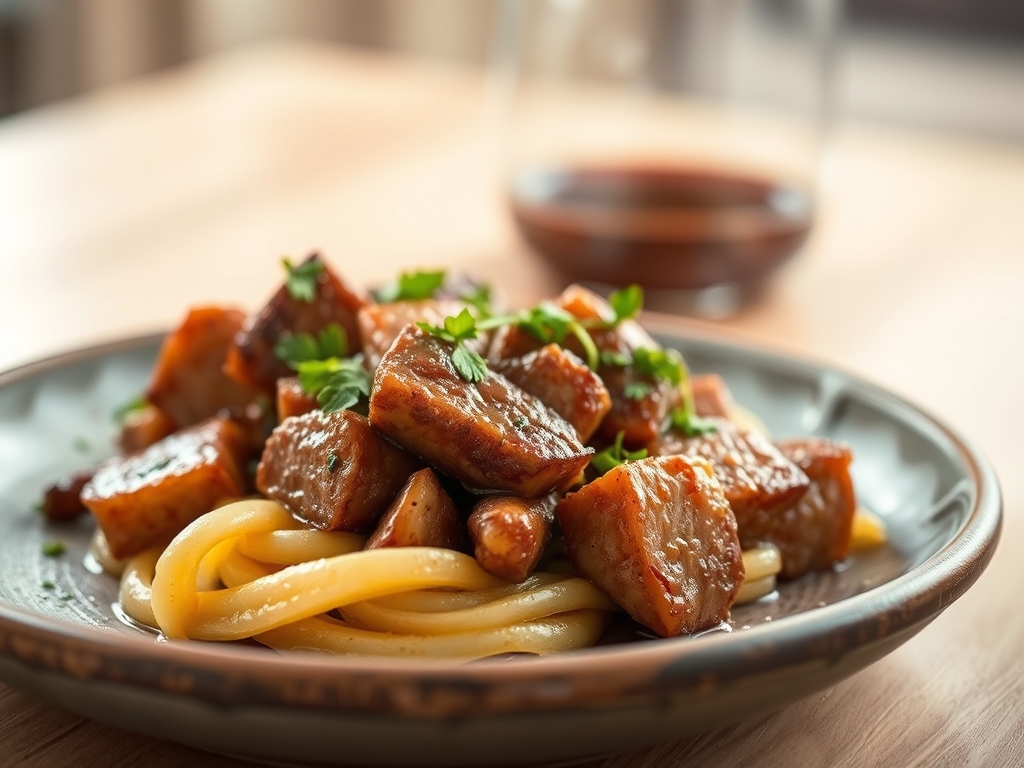
Picture the sound of a heavy-bottomed skillet meeting a high-flame burner; it is a sharp, rhythmic hiss that signals the start of something incredible. We are moving beyond the basic stew and diving into a world where protein meets precision. If you are hunting for easy cubed beef recipes that do not sacrifice depth for speed, you have found your sanctuary. We are going to transform humble cuts into restaurant-quality masterpieces using heat, acid, and a little bit of molecular magic.
The secret to mastering easy cubed beef recipes lies in the surface area. By cubing the beef, we increase the contact points for the Maillard reaction; that chemical dance between amino acids and reducing sugars that creates the savory, brown crust we crave. Whether you are craving a piquant stir-fry or a viscous, butter-basted garlic bite, the goal is high-impact flavor with minimal drag. We are going to use professional techniques to ensure every cube is a tender, juice-filled revelation. This is not just cooking; it is a sensory overhaul of your weeknight routine.
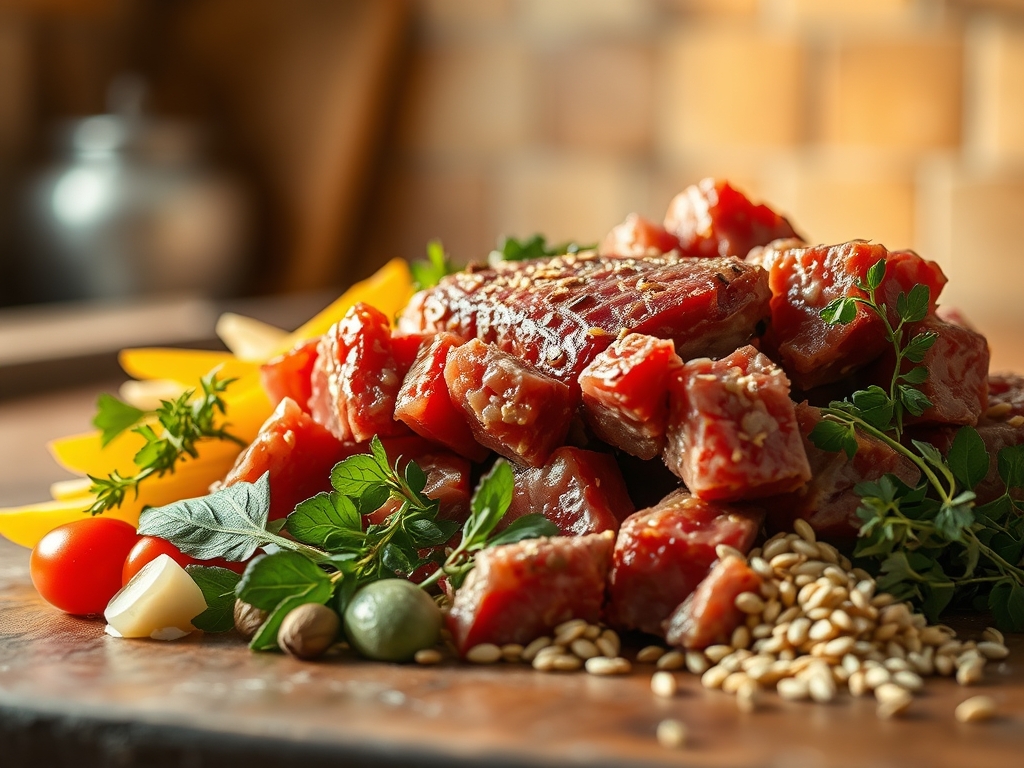
The Gathers:
Before we ignite the range, your mise-en-place must be flawless. Start with your protein: look for well-marbled chuck or top sirloin. You want a fat content that will render efficiently without becoming chewy. Lay your cubes on a parchment-lined tray and pat them dry with surgical precision. Moisture is the enemy of the crust; any surface water will turn into steam, preventing that golden-brown sear.
Your secondary players include high-smoke-point fats like avocado oil or clarified butter. We will also utilize aromatics: fresh garlic, ginger, and shallots. For the sauces, gather high-quality soy sauce for umami, rice vinegar for brightness, and cold unsalted butter to emulsify your finishes.
Smart Substitutions:
If you are avoiding soy, coconut aminos offer a similar profile with a lower glycemic index. For those without a heavy-bottomed skillet, a cast-iron pan is your best friend for heat retention. If you lack fresh aromatics, high-potency freeze-dried versions can work, but avoid powders as they tend to scorch under high heat.
The Clock
Efficiency in the kitchen is about the "Chef's Flow." This is the art of overlapping tasks so no heat is wasted. For these easy cubed beef recipes, the active prep time is roughly 15 minutes. This includes your knife work and measuring out liquids using a digital scale for accuracy.
The cooking phase is remarkably fast, usually spanning 8 to 12 minutes depending on your desired level of doneness. The "Flow" works like this: while the pan preheats to the smoke point, you season the beef. While the beef rests after searing, you use that same pan to deglaze and build your sauce. Total time from fridge to table is under 30 minutes, making this a high-yield strategy for busy evenings.
The Masterclass
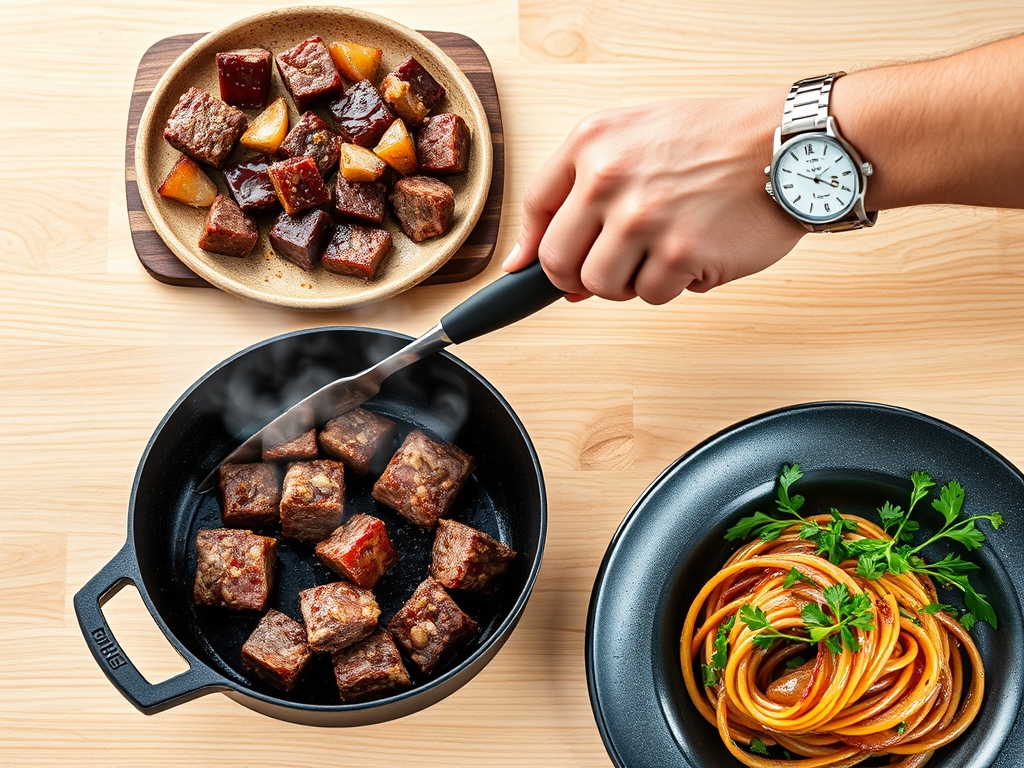
1. The Critical Sear
Place your seasoned beef into a shimmering, hot pan using stainless steel tongs. Do not crowd the pan; if the cubes touch, the temperature drops and they will boil in their own juices.
Pro Tip: This is the Maillard Reaction in action. By keeping the pan temperature above 300 degrees Fahrenheit, you create complex flavor compounds that cannot be achieved through boiling or steaming.
2. The Deglaze and Infuse
Once the beef is removed, you will see brown bits stuck to the bottom. This is "fond." Pour in a liquid like beef stock or wine and use a wooden spoon to scrape it up.
Pro Tip: Deglazing utilizes solvent properties to incorporate caramelized proteins back into your sauce, significantly increasing the depth of flavor without adding extra calories.
3. The Butter Emulsion
Turn the heat to low and whisk in cold butter cubes one at a time. This creates a glossy, viscous coating that clings to the meat.
Pro Tip: Cold butter creates a stable emulsion. If the butter is too warm, the fats will separate from the solids, resulting in a greasy mess rather than a velvety sauce.
4. The Aromatic Finish
Add your microplaned garlic or ginger at the very end. Cooking these for only 30 to 60 seconds prevents the bitter notes that come from over-toasting.
Pro Tip: Volatile aromatics are heat-sensitive. By adding them late, you preserve the essential oils and piquant bite that balance the richness of the beef.
5. The Rest Period
Transfer the beef to a warm plate and let it sit for five minutes before serving. Note the texture change in the step-by-step photos above.
Pro Tip: This allows for thermal carryover. The internal temperature will rise slightly while the muscle fibers relax, allowing the juices to redistribute so they don't run out when you bite in.
6. The Aerated Garnish
Finish with a flurry of fresh herbs or scallions cut on a bias using a sharp chef's knife.
Pro Tip: Fresh greens provide a hit of vitamin C and enzymes that help cut through the density of the protein, making the dish feel lighter on the palate.
The Deep Dive
Macro Nutrition: A standard 6-ounce serving of these easy cubed beef recipes provides approximately 45 grams of protein and 18 grams of fat. It is a powerhouse of iron and B12, making it ideal for muscle recovery and cognitive function.
Dietary Swaps:
- Keto: Replace any starch-based thickeners with a splash of heavy cream or xanthan gum.
- Vegan: Use extra-firm pressed tofu or seitan cubes. The searing technique remains identical.
- GF: Ensure your soy sauce is replaced with Tamari.
The Fix-It:
- Tough Meat: You likely crowded the pan. Fix it by simmering the beef in a bit of broth for 5 minutes to break down the collagen.
- Burnt Garlic: If it turns acrid, wipe the pan and start the sauce over. There is no saving burnt garlic.
- Thin Sauce: Create a "slurry" with a teaspoon of cornstarch and cold water; whisk it in over high heat to achieve instant thickness.
Meal Prep Science: To reheat, avoid the microwave as it toughens the protein. Instead, use a saucier over low heat with a tablespoon of water. This creates a gentle steam environment that restores the "day-one" moisture levels.
The Wrap-Up
Mastering easy cubed beef recipes is your ticket to culinary freedom. You now have the technical prowess to sear, deglaze, and emulsify like a pro. These six variations; from Mongolian-style to garlic-butter bites; are just the beginning. Grab your tongs, trust the science of the sear, and turn your kitchen into a high-octane flavor lab tonight. You have got the tools; now go make something delicious.
The Kitchen Table
How do I make cubed beef tender?
The key is high heat and short cook times. Use a heavy-bottomed skillet to sear the exterior quickly. This locks in moisture. Always allow the meat to rest for five minutes after cooking to let the fibers relax and redistribute juices.
What is the best cut for cubed beef recipes?
Top sirloin or ribeye are ideal for quick searing because they are naturally tender. If you use chuck, ensure the cubes are small. Chuck contains more connective tissue, which usually requires longer braising, but small cuts can sear beautifully if handled correctly.
Why is my cubed beef grey instead of brown?
Grey meat is a result of steaming rather than searing. This happens if the pan is not hot enough or if you crowd the cubes. Ensure the pan is shimmering hot and cook in batches to maintain the necessary temperature for caramelization.
Can I freeze cooked cubed beef?
Yes, you can freeze it in an airtight container for up to three months. To maintain quality, thaw it in the refrigerator overnight. Reheat gently in a pan with a splash of broth to prevent the protein from becoming rubbery or dry.