
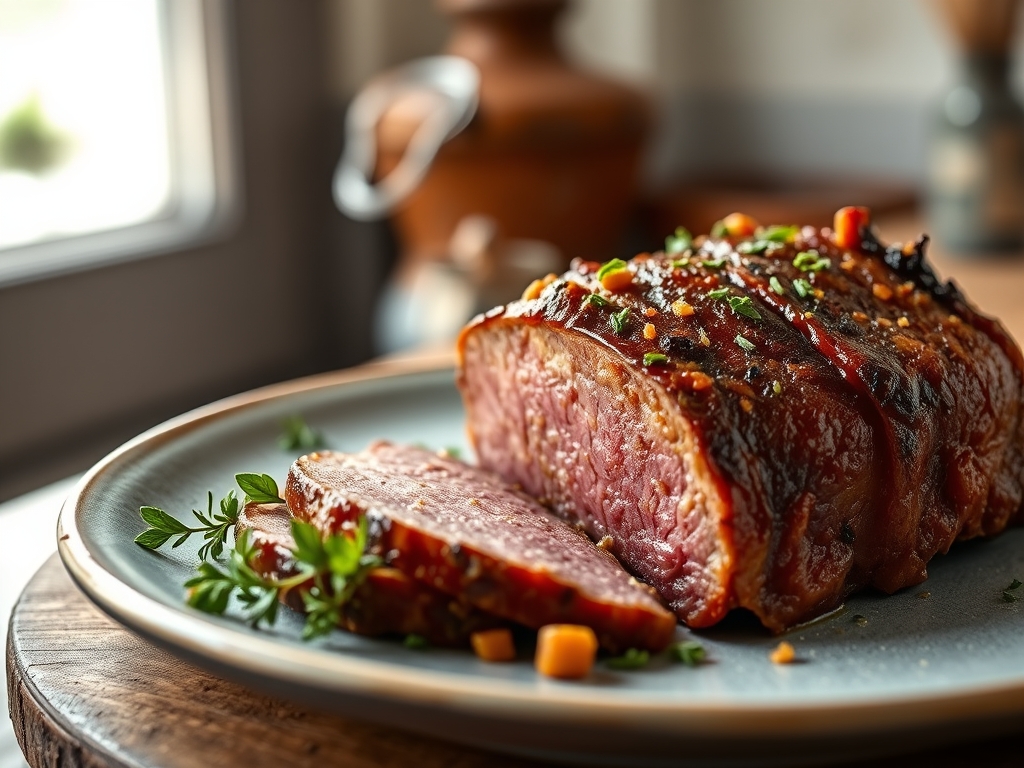
Imagine the scent of toasted coriander and warm clove wafting through your kitchen as a salt-cured brisket transforms into a masterpiece. While many settle for a soggy, boiled mess, the secret to the most succulent oven baked corned beef recipes lies in the dry heat of your oven and the patient rendering of connective tissue. It is time to graduate from the pot and embrace the crust.
The magic of this method is the concentrated flavor profile. When you boil meat, you are essentially performing a slow extraction of its soul into the water. By shifting to the oven, we utilize a closed environment to trap steam while allowing the surface to undergo the Maillard reaction. This creates a piquant, savory bark that shatters under the knife, revealing a tender, rose-colored interior that melts on the tongue. We are not just making dinner; we are engineering a sensory experience that balances salt, fat, and spice.
The Gathers:
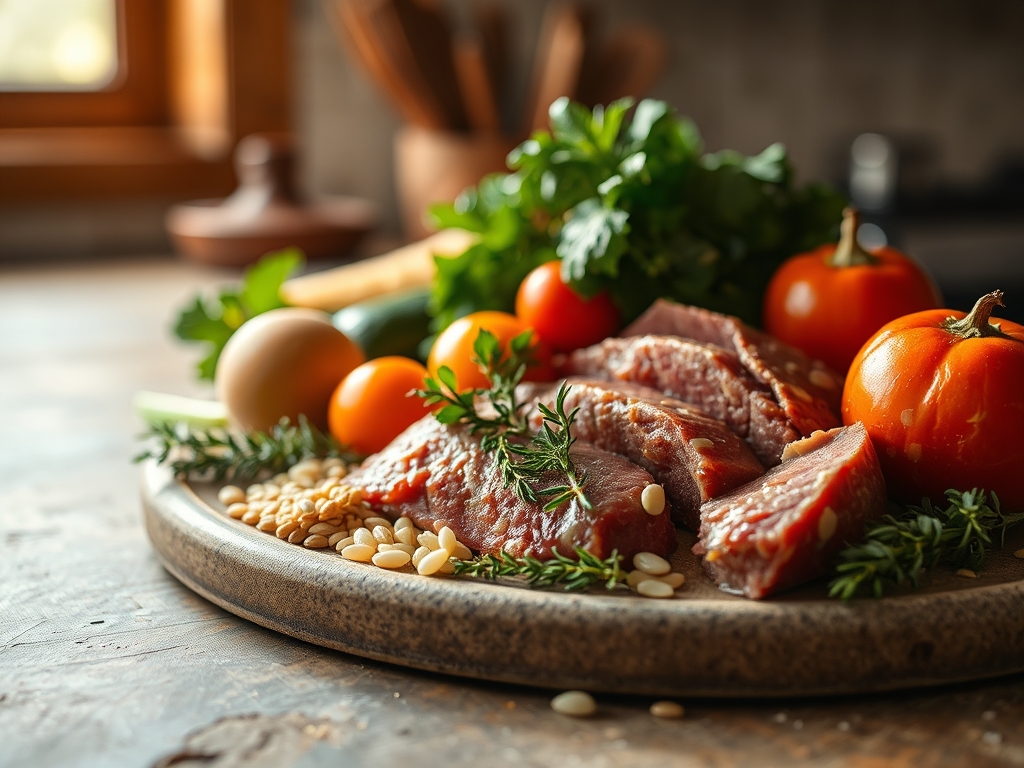
Before we ignite the burners, your mise-en-place must be flawless. Start with a four to five pound corned beef brisket, preferably the point cut for its higher intramuscular fat content. You will need a heavy-bottomed roasting pan or a large Dutch oven to ensure even heat distribution. Grab your microplane to zest fresh horseradish for the glaze, and ensure your digital scale is calibrated if you are mixing your own pickling spice.
The spice packet included with the meat is often lackluster. Supplement it with toasted mustard seeds, black peppercorns, and crushed bay leaves. For the liquid base, you need a viscous element like honey or maple syrup to help the spices adhere. Smart Substitutions: If you are avoiding refined sugar, use a high-quality apple cider to provide the necessary acidity and sweetness. For those who want a deeper umami punch, deglaze your pan with a splash of stout beer before sealing the foil. This adds a complex, malty backbone that balances the saltiness of the brine.
The Clock
The "Chef's Flow" for this recipe is all about passive patience. Total preparation time is a mere 15 minutes, but the roasting phase requires a steady three to four hours depending on the weight of the brisket. You should aim for a low and slow temperature of 325 degrees Fahrenheit. This allows the collagen to denature into gelatin without seizing the muscle fibers.
Plan for a 20 minute resting period once the meat leaves the oven. This is not a suggestion; it is a thermal requirement. During this time, the internal juices redistribute from the center back to the edges. If you slice too early, the liquid will evacuate onto your cutting board, leaving you with dry, stringy fibers. Use this downtime to whisk a quick mustard cream in a saucier or to prep your cabbage wedges.
The Masterclass
1. The Desalination Soak
Submerge your brisket in cold water for at least 30 minutes before cooking. Use tongs to flip it halfway through. This removes the excess surface brine that can make the final product overly salty.
Pro Tip: This step utilizes osmosis to draw out surface nitrates. By reducing the external salt concentration, you allow the heat to penetrate the meat more efficiently without tightening the exterior proteins too quickly.
2. The Spice Infusion
Pat the meat bone-dry with paper towels. Rub a thin layer of Dijon mustard over the fat cap to act as a binder, then press your spice blend firmly into the surface.
Pro Tip: Fat is a non-polar substance, meaning it carries flavor compounds beautifully. Applying spices directly to the fat cap ensures that as the fat begins to render, it carries those aromatic oils deep into the muscle tissue.
3. The Foil Shield
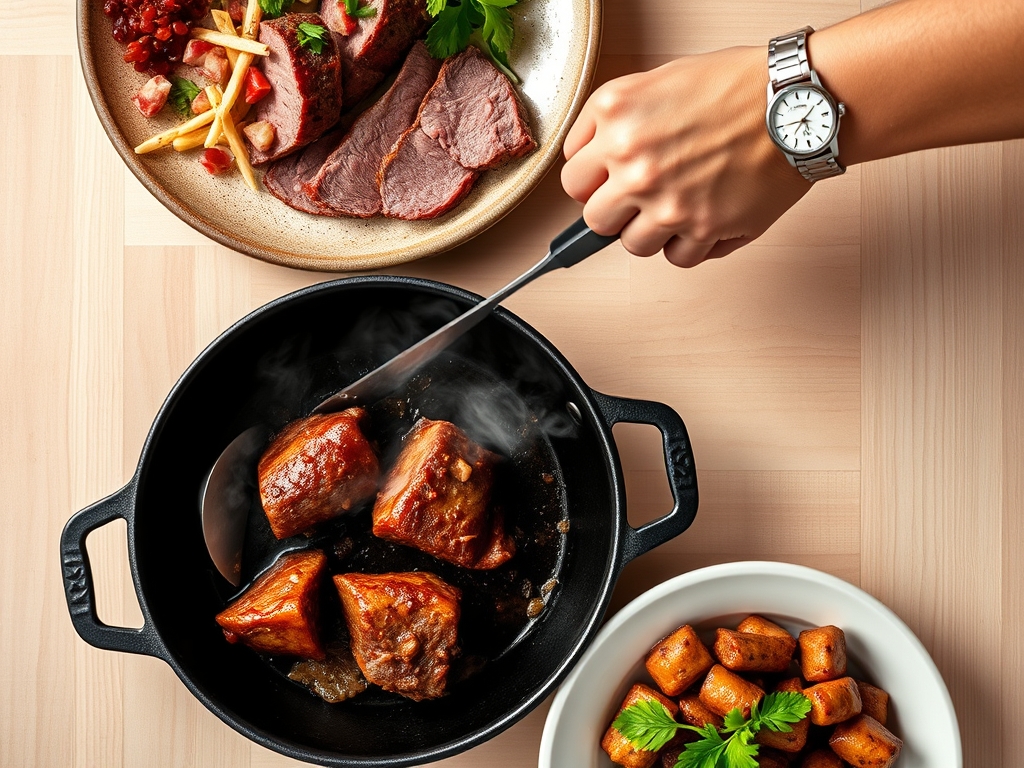
Place the brisket fat-side up in your roasting pan. Add one cup of water or beef stock to the bottom, then seal the pan tightly with heavy-duty aluminum foil. Ensure there are no gaps where steam can escape.
Pro Tip: This creates a pressurized micro-environment. The steam prevents the meat from drying out while the conductive heat of the pan slowly breaks down the collagen into silky gelatin, which provides that signature mouthfeel.
4. The High-Heat Finish
During the last 20 minutes of cooking, remove the foil and increase the oven temperature to 425 degrees Fahrenheit. Brush on a glaze of brown sugar and grain mustard.
Pro Tip: This encourages caramelization and the Maillard reaction. The sugars in the glaze react with the amino acids in the meat to create a complex, browned crust that adds a crunchy textural contrast to the soft interior.
5. The Precision Rest
Transfer the meat to a warm platter and tent it loosely with foil. Do not cut into it yet. Use a bench scraper to clear your workspace while you wait.
Pro Tip: This accounts for thermal carryover. The internal temperature will continue to rise by 5 to 10 degrees after removal. Resting allows the protein matrix to relax, ensuring every bite is moist and tender.
The Deep Dive
From a macro perspective, corned beef is a powerhouse of protein and B vitamins, though it is high in sodium. To make this Keto-friendly, simply swap the sugar-based glaze for a mixture of garlic butter and herbs. For a Vegan alternative, look toward "corned" seitan or large oyster mushrooms, though you will need to significantly reduce the cooking time to avoid a rubbery texture. All standard corned beef briskets are naturally Gluten-Free, but always double-check the labels on your spice packets for hidden anti-caking agents.
The Fix-It:
- Tough Meat: If the brisket is still rubbery, it simply hasn't cooked long enough. Put it back in the oven with a splash more liquid and reseal the foil.
- Too Salty: If you skipped the soak and the meat is a salt bomb, serve it with an un-salted starch like boiled potatoes or a creamy, acidic slaw to neutralize the palate.
- Greasy Texture: This happens if the fat didn't render properly. Ensure you are cooking fat-side up so the grease bastes the meat as it melts.
Meal Prep Science: To reheat leftovers without losing quality, avoid the microwave. The high-frequency waves agitate water molecules too violently, toughening the beef. Instead, wrap slices in foil with a teaspoon of water and heat in a toaster oven at 300 degrees. This gently rehydrates the fibers.
The Wrap-Up
Mastering oven baked corned beef recipes is a rite of passage for any home cook looking to blend scientific precision with soulful comfort. By focusing on the desalination process and the final caramelization, you transform a humble cut of meat into a centerpiece worthy of any celebration. Grab your roasting pan, trust the low-and-slow process, and prepare for the best sandwiches of your life the next morning. You have the tools; now go create some culinary magic!
The Kitchen Table
Why is my oven baked corned beef tough?
Toughness usually indicates the connective tissue hasn't fully broken down. Corned beef requires long, slow heat to transform collagen into gelatin. If it is chewy, seal it back under foil and bake for another 45 minutes.
Do I cook corned beef fat side up or down?
Always cook fat-side up. This allows the rendering fat to naturally baste the meat as it cooks, keeping the brisket moist and infusing the muscle fibers with flavor while creating a beautifully caramelized crust on top.
Should I wash the brine off before baking?
Yes, always rinse the brisket under cold water or soak it for 30 minutes. This removes excess surface salt and nitrates from the curing process, ensuring your final dish is seasoned perfectly rather than being overwhelmingly salty.
How do I know when the brisket is done?
The meat is finished when it is fork-tender, meaning a fork slides in and out with zero resistance. If using a thermometer, aim for an internal temperature of 195 to 205 degrees Fahrenheit for the best texture.