
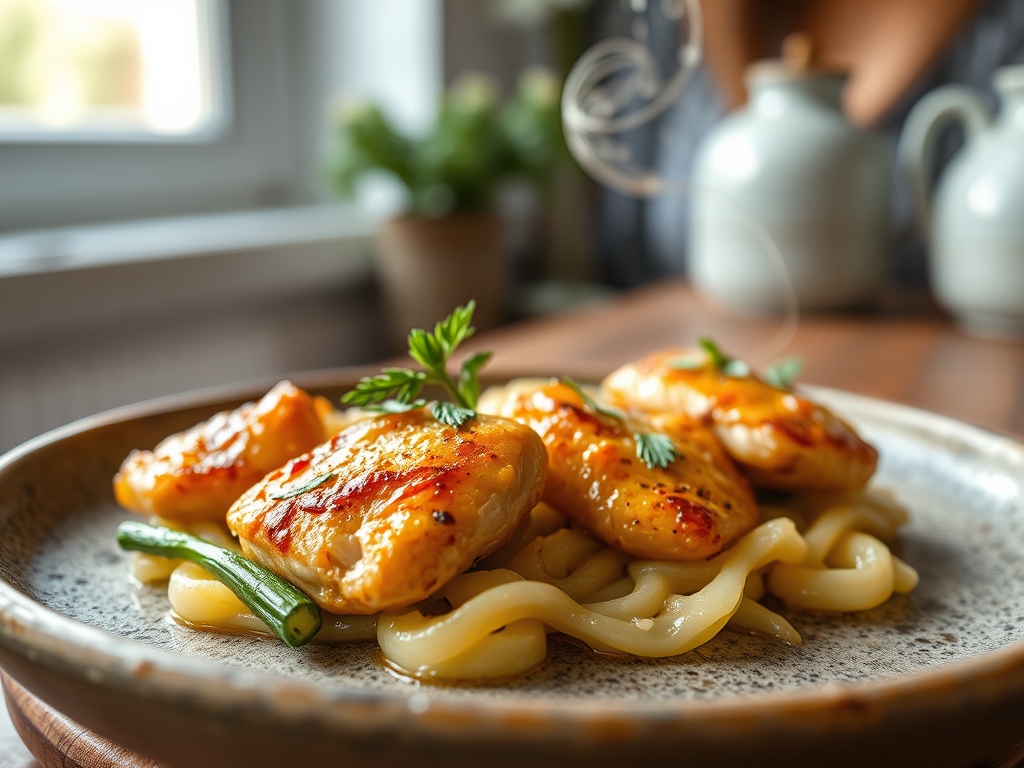
Picture the scent of cold butter hitting a hot heavy-bottomed skillet; it is the olfactory equivalent of a warm hug. When you marry the sulfurous, onion-adjacent sweetness of alliums with the protein-rich versatility of poultry, you unlock a flavor profile that is both rustic and refined. These leek and chicken recipes represent the ultimate culinary synergy; where the vegetable melts into a silk-like texture that coats every fiber of the meat.
Most people treat leeks as a secondary aromatic, but we are elevating them to the starring role they deserve. We are talking about deep caramelization, creamy reductions, and the kind of comfort food that feels like a professional chef moved into your kitchen. Whether you are craving a velvety pot pie or a crisp pan-sear, mastering the chemistry between these two ingredients is your ticket to weeknight glory. We are going to dive into the molecular magic of why this pairing works, from the way leeks soften into a natural thickener to the Maillard reaction that gives your chicken that irresistible golden crust. Grab your favorite apron and a glass of wine; it is time to turn these humble staples into a masterpiece.
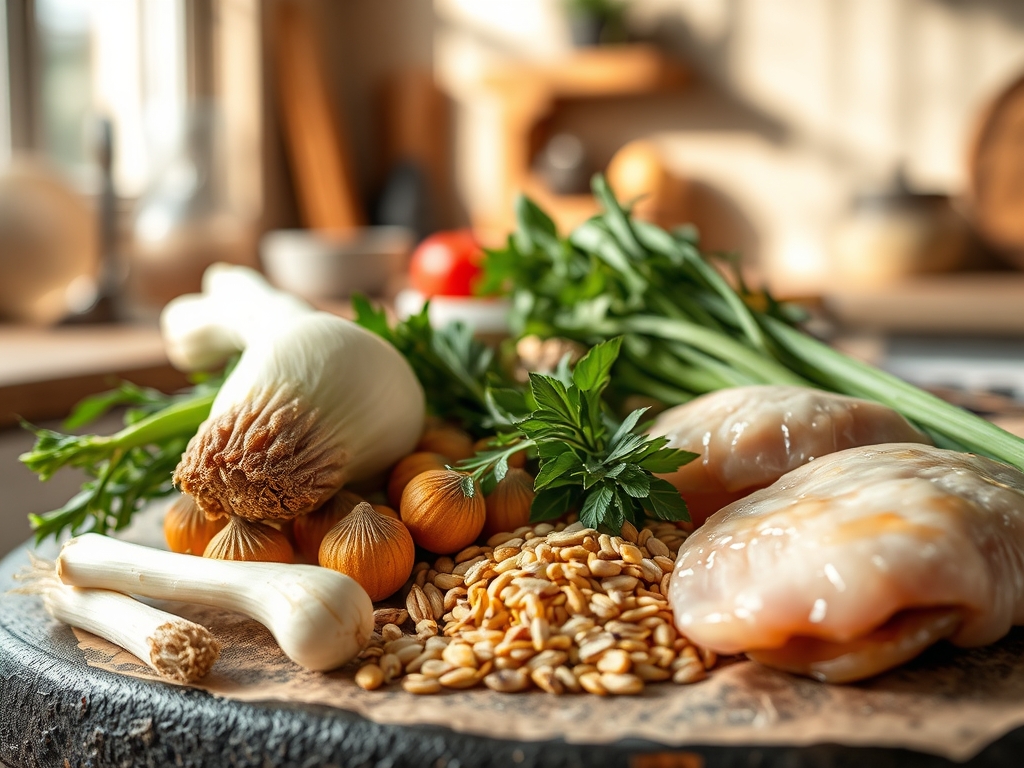
The Gathers:
Setting up your station is not just about organization; it is about managing the chemical volatile compounds in your ingredients. For these leek and chicken recipes, your mise-en-place should look like a laboratory of texture. You will need high-quality chicken thighs; their higher fat content ensures they remain succulent during long braises. The leeks must be cleaned with surgical precision because their concentric layers are notorious for trapping grit. Use a sharp chef knife to slice them into rounds, then submerge them in cold water to allow the silt to drop to the bottom.
Smart Substitutions:
If you cannot find leeks, do not reach for a standard yellow onion. Instead, use a combination of shallots and the white parts of green onions to mimic that delicate, piquant sweetness. For the chicken, if you prefer breasts, you must reduce your cooking time by thirty percent to prevent the proteins from tightening and becoming tough. For a dairy-free version of the creamier recipes, a high-quality cashew cream provides the necessary viscosity without the lactose. Always have a bottle of dry white wine, like a Sauvignon Blanc, on hand for deglazing; the acidity is essential to balance the rich lipids in the dish.
The Clock
The "Chef's Flow" is all about overlapping tasks to maximize efficiency. Total active prep time for most leek and chicken recipes sits at twenty minutes, with a cook time ranging from twenty-five to forty minutes depending on your heat source. Start by rendering the fat from your chicken; this is a passive step that allows you to finish chopping your aromatics. While the meat rests, use that same pan to sauté your leeks. This sequential layering ensures that no flavor is lost to the sink. By the time your chicken is ready to be reintroduced to the pan, your leeks will have reached a translucent, melt-in-your-mouth state.
The Masterclass
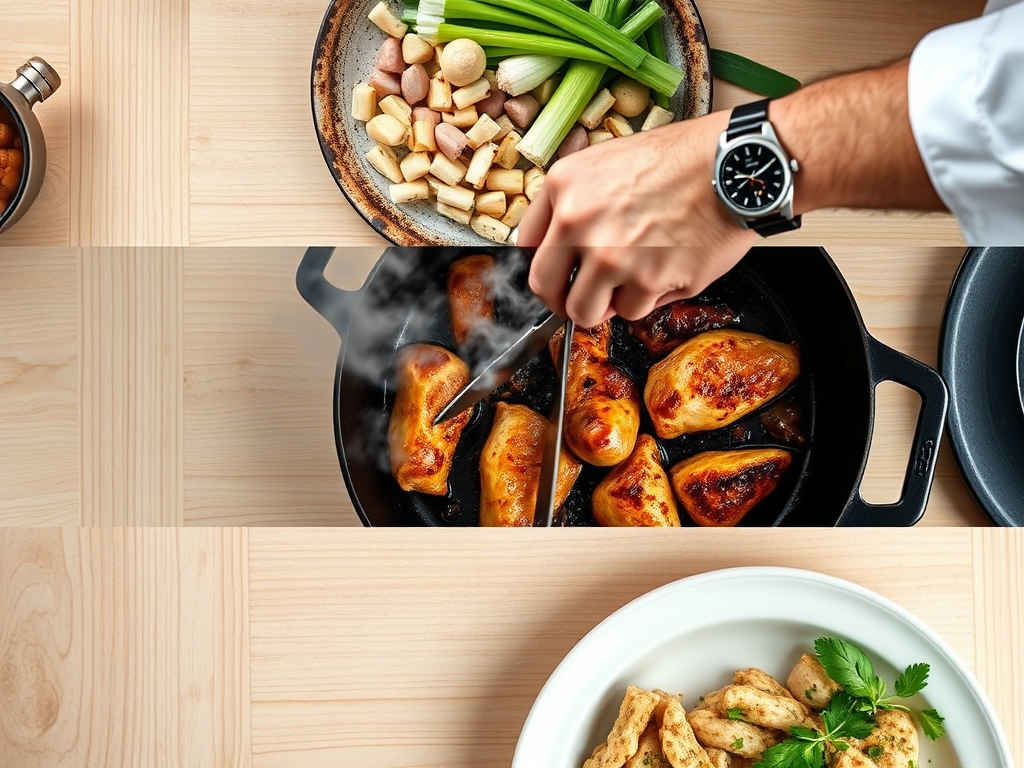
1. Sear and Render
Pat your chicken skin dry with a paper towel to remove surface moisture. Place the chicken skin-side down in a cold skillet and gradually increase the heat to medium-high. This allows the subcutaneous fat to render slowly, resulting in a glass-like crunch.
Pro Tip: This is the Maillard reaction in action. By starting in a cold pan, you prevent the skin from shrinking too quickly, allowing for more even browning and a deeper flavor profile.
2. The Allium Soften
Remove the chicken and discard all but two tablespoons of the liquid gold (fat). Add your cleaned leeks and a pinch of salt. The salt draws out moisture through osmosis, allowing the leeks to steam in their own juices before they begin to brown.
Pro Tip: Leeks contain high levels of cellulose. Slow cooking breaks down these cell walls, turning a fibrous vegetable into a natural emulsifier that thickens your sauce without needing extra flour.
3. Deglaze and Infuse
Once the leeks are soft, use a wooden spoon or a bench scraper to loosen the brown bits (fond) from the bottom of the pan using a splash of wine or stock. This is where the soul of the dish lives. Add aromatics like thyme or tarragon now.
Pro Tip: Alcohol acts as a solvent. It captures flavor molecules that are not water-soluble, ensuring your finished sauce has a multi-dimensional taste that lingers on the palate.
4. The Gentle Braise
Nestle the chicken back into the bed of leeks. Lower the heat and cover the pan. You want a gentle simmer, not a rolling boil. Use a digital thermometer to pull the chicken when it hits 165 degrees Fahrenheit.
Pro Tip: Beware of thermal carryover. The internal temperature will continue to rise by about five degrees after you remove the pan from the heat. Pulling it early ensures the meat stays juicy.
5. The Final Emulsion
Finish the dish with a knob of cold butter or a splash of heavy cream. Stir vigorously to aerate the sauce and create a stable emulsion that clings to the chicken.
Pro Tip: Cold butter contains intact milk solids. When whisked into a hot sauce, it creates a "beurre monté" effect, resulting in a glossy, professional finish that won't break or become greasy.
The Deep Dive
Macro Nutrition:
A standard serving of these leek and chicken recipes provides approximately 35 grams of protein and 12 grams of healthy fats. Leeks are a powerhouse of Vitamin K and manganese, which support bone health. By focusing on the natural sugars in the leeks for flavor, we keep the glycemic load low.
Dietary Swaps:
- Keto: Replace any starch with extra leeks or a side of roasted cauliflower.
- Vegan: Swap chicken for thick slabs of king oyster mushrooms and use olive oil instead of butter.
- Gluten-Free: Leeks naturally thicken the sauce, so you can skip the roux entirely.
The Fix-It:
- Grainy Sauce: This happens if the heat is too high when adding dairy. Fix it by whisking in a tablespoon of warm water and removing it from the heat immediately.
- Bitter Leeks: You likely scorched them. Add a tiny pinch of sugar and a squeeze of lemon juice to neutralize the acrid notes.
- Soggy Skin: If your chicken loses its crunch during the braise, pop it under the broiler for two minutes before serving.
Meal Prep:
When reheating, do not use the microwave; it turns the chicken rubbery. Instead, place the dish in a small saucier over low heat with a tablespoon of stock. This gently re-hydrates the proteins and restores the viscous quality of the leek sauce.
The Wrap-Up
Mastering leek and chicken recipes is like learning a secret handshake in the culinary world. It is a testament to the power of simple ingredients treated with scientific respect. By focusing on the render, the deglaze, and the slow breakdown of allium fibers, you have transformed a basic protein into a gourmet experience. This dish is elegant enough for a dinner party but cozy enough for a rainy Tuesday. Now that you have the technical roadmap, go forth and cook with confidence!
The Kitchen Table
Can I use the green parts of the leeks?
Yes, but they are tougher. Finely chiffonade the light green sections for the braise. Save the dark, fibrous tops for making chicken stock; they provide a deep, savory base and shouldn't be wasted.
Why is my chicken always dry?
You are likely overcooking it. Use a digital scale to ensure even portions and a thermometer to hit exactly 165 degrees. Remember, carryover cooking will finish the job once the meat is resting.
How do I get the grit out of leeks?
Slice them first, then wash. Submerge the rings in a bowl of cold water and agitate. The dirt sinks to the bottom while the leeks float. Lift them out with a slotted spoon.
What is the best pan for this?
A heavy-bottomed stainless steel skillet or a cast-iron braiser is best. These materials hold heat consistently, which is vital for achieving an even Maillard reaction on the chicken skin without burning the leeks.