
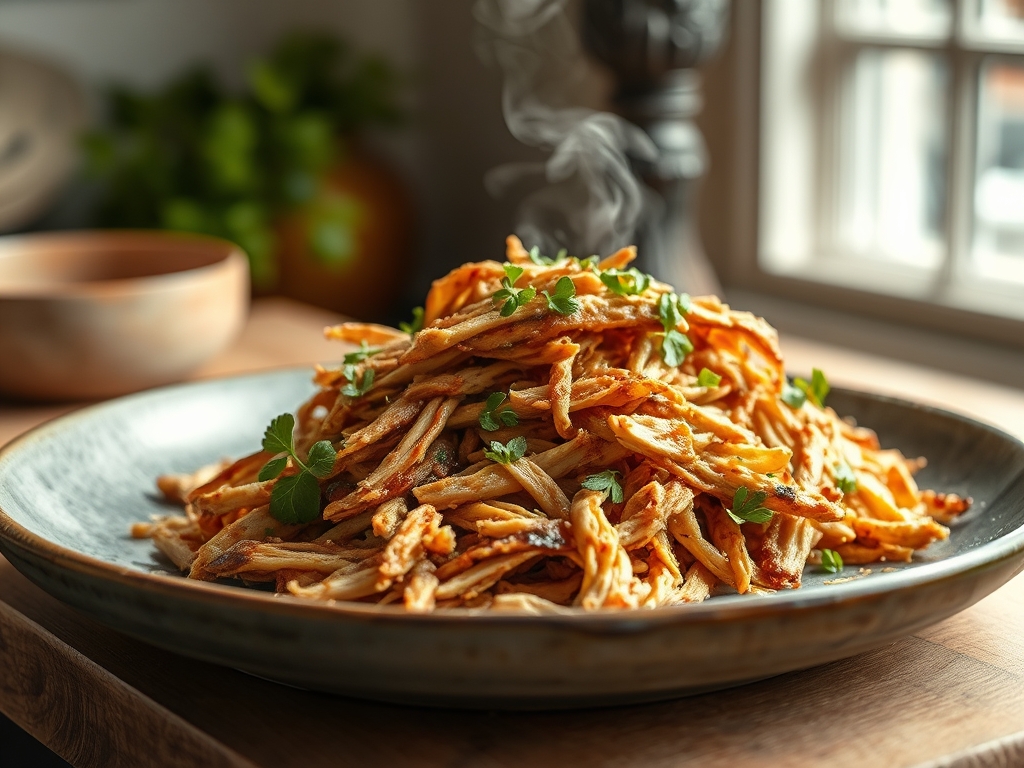
Picture your refrigerator on a Tuesday evening. You open the door to find that utilitarian container of protein from Sunday night. It looks uninspired; perhaps it even looks a little dry. But within those fibers lies a culinary chameleon waiting for a structural rebirth. Mastering leftover shredded chicken recipes is less about reheating and more about molecular reinvention. We are going to take that humble, pre-cooked bird and transform it into ten distinct masterpieces that range from crispy street tacos to velvety, emulsified pastas. By understanding how to reintroduce moisture and leverage the Maillard reaction, we can turn a cold container of leftovers into a high-end dining experience. Forget the rubbery microwave results of the past. We are leaning into professional techniques like deglazing and lipid-binding to ensure every bite is succulent. Grab your favorite heavy-bottomed skillet and a sharp set of tongs; we are about to elevate your meal prep game from basic sustenance to a series of sophisticated, chef-level plates that will make you forget you ever started with leftovers.
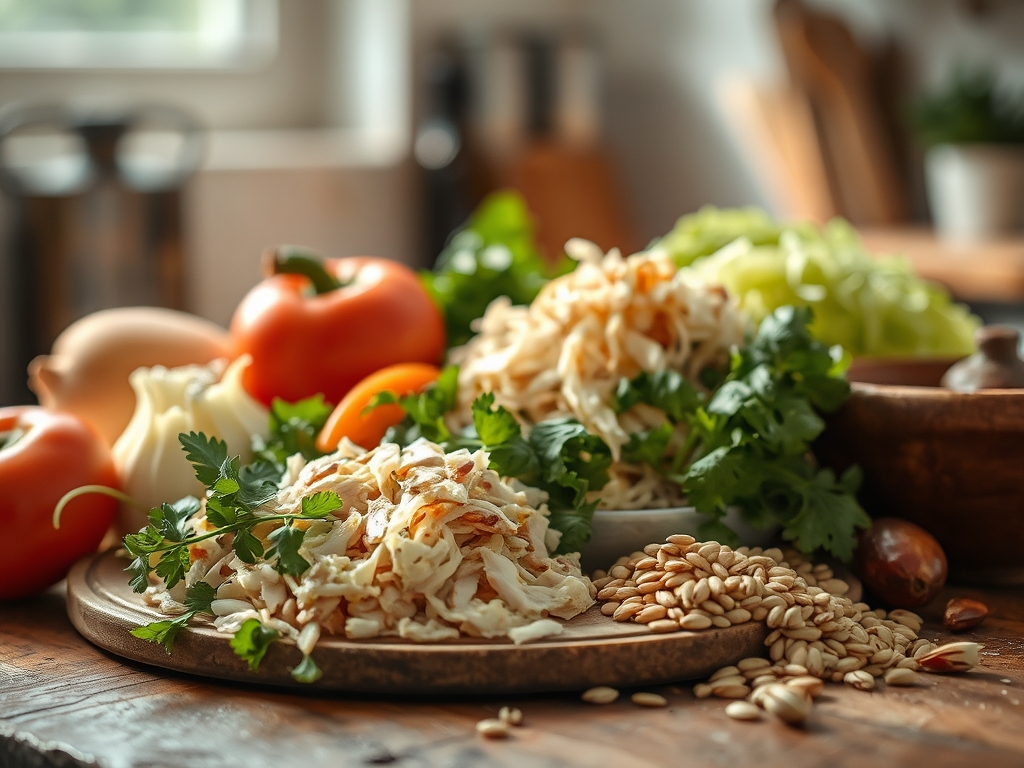
The Gathers:
To execute these transformations, your mise-en-place must be precise. Start with your base: three to four cups of chilled, shredded chicken. Because the protein has already undergone thermal denaturation, we need high-quality fats to restore the mouthfeel. Gather a bottle of extra virgin olive oil for its polyphenols and a block of high-fat European butter for its low water content. You will also need acidic brighteners like fresh limes or a piquant rice vinegar to cut through the density of the meat.
For the aromatics, reach for fresh garlic, shallots, and ginger. Use a microplane to grate these into a fine paste; this increases the surface area and allows the volatile oils to infuse your cooking fat almost instantly. For texture, keep a stash of toasted pepitas, scallions, and a viscous hot honey on hand.
Smart Substitutions: If you find yourself short on chicken, firm tofu shredded with a box grater provides a similar structural integrity. For a dairy-free creamy base, whisk together cashew butter and warm water until it reaches a silk-like consistency. If you lack fresh citrus, a pinch of citric acid or a splash of dry white wine can provide that necessary enzymatic lift to the dish.
The Clock: 15 Minutes to Glory
Efficiency in the kitchen is governed by "Chef's Flow." This is the psychological state where your movements are optimized to reduce "dead time." Because your chicken is already cooked, your active stove time is remarkably low. Most of these transformations require only 5 to 7 minutes of intense heat.
The first 3 minutes are dedicated to the "aromatic sweat," where you soften your base vegetables in a saucier. The next 5 minutes involve the "rehydration phase," where you toss the chicken with a liquid like bone broth or coconut milk. The final 2 minutes are for the "finish," adding fresh herbs and acids that would otherwise lose their vibrancy under prolonged heat. By following this flow, you can move from a cold fridge to a plated meal in under 15 minutes.
The Masterclass: Ten Ways to Elevate
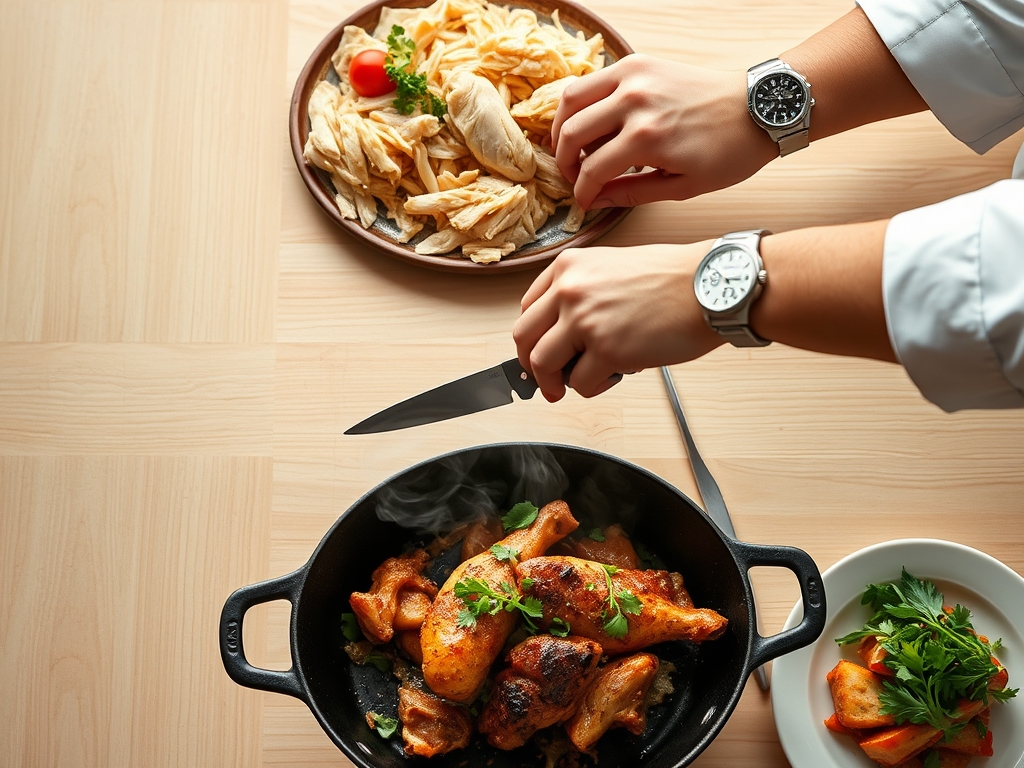
1. The Crispy Carnitas Flip
Heat a heavy-bottomed skillet over medium-high heat with a tablespoon of lard or avocado oil. Spread the chicken in a single layer and do not touch it for three minutes. This encourages the Maillard reaction, creating a crispy, browned exterior while keeping the center moist.
Pro Tip: This chemical reaction occurs between amino acids and reducing sugars, providing that "savory" depth that leftover meat often lacks.
2. The Velvety Piccata Stir-Fry
Deglaze your pan with a splash of dry vermouth and a handful of capers. Whisk in cold butter at the very end to create a beurre monté, a stable emulsion that coats the chicken fibers in a glossy, lemon-infused silk.
Pro Tip: Adding cold butter to a warm liquid creates a temporary emulsion; the fat molecules are suspended in the liquid, preventing the sauce from breaking.
3. The Umami Ginger Scallion Bowl
Grate fresh ginger and garlic directly into a bowl of chicken using a microplane. Toss with toasted sesame oil and a dash of liquid aminos. The ginger contains protease enzymes that can help further tenderize any slightly overcooked breast meat.
Pro Tip: Protease enzymes break down peptide bonds in proteins, which can slightly soften the texture of pre-cooked poultry.
4. The Buffalo Blue Emulsion
Whisk hot sauce with Greek yogurt instead of ranch for a high-protein, viscous coating. Fold in the chicken and heat gently. Use a bench scraper to finely mince the chicken even further if you want a "dip" consistency that clings to celery.
Pro Tip: Avoid boiling yogurt-based sauces; high heat causes the proteins to denature and clump, leading to a grainy texture.
5. The Pesto Power Toss
Fold chilled chicken into a warm bowl of pasta with a generous amount of basil pesto. The residual heat from the pasta is enough to warm the chicken without drying it out further through secondary cooking.
Pro Tip: This utilizes thermal carryover from the pasta to gently reach serving temperature, preserving the delicate moisture within the chicken cells.
6. The Lime-Infused Street Taco
Toss shredded meat with lime juice and cumin in a small bowl before hitting the pan. The acid brightens the flavor profile, while the cumin provides an earthy counterpoint. Serve on charred corn tortillas.
Pro Tip: Acid denatures the surface proteins of the chicken, allowing seasonings to penetrate deeper into the meat fibers.
7. The Golden Curry Rebirth
Simmer your chicken in a bath of full-fat coconut milk and red curry paste. The high fat content of the coconut milk acts as a delivery system for the fat-soluble compounds in the curry spices.
Pro Tip: Many spices, like turmeric and cumin, are lipophilic, meaning their flavors are best extracted and carried by fats.
8. The Mediterranean Orzo Bake
Mix chicken with feta, spinach, and pre-cooked orzo. Top with breadcrumbs and a drizzle of olive oil. Bake just until the cheese begins to soften.
Pro Tip: The feta acts as a "salt bomb," seasoning the chicken from the outside in through osmotic pressure during the short bake.
9. The Hot Honey Crunch Wrap
Drizzle chicken with hot honey and fold it into a tortilla with cabbage slaw. The sugar in the honey will slightly caramelize if you give the wrap a quick press in a hot pan.
Pro Tip: Caramelization is the pyrolysis of sugar; it happens at higher temperatures than the Maillard reaction and adds a distinct sweetness.
10. The Bone Broth Recovery Soup
Drop shredded chicken into a simmering pot of bone broth with mirepoix. The collagen in the bone broth provides a rich mouthfeel that mimics the succulence of freshly roasted meat.
Pro Tip: Collagen breaks down into gelatin, which coats the tongue and provides a sense of "fatness" even in lean dishes.
The Deep Dive: Science and Solutions
Macro Nutrition: Leftover shredded chicken is a lean protein powerhouse. A standard 100g serving contains roughly 31g of protein and only 3g of fat. By controlling the fats you add during the transformation, you can keep these meals highly anabolic and calorie-conscious.
Dietary Swaps: For a Keto approach, focus on heavy cream and butter-based sauces to increase the lipid profile. For a Gluten-Free version, ensure your soy sauce is replaced with tamari or coconut aminos. If you are cooking for a Vegan friend, use "pulled" king oyster mushrooms as a structural substitute for the chicken.
The Fix-It:
- The Dryness Disaster: If the chicken is "sawdusty," toss it in a bowl with a tablespoon of warm broth and a teaspoon of mayo before cooking. The mayo acts as an emulsified fat barrier.
- The Salt Overload: If you over-seasoned, add a splash of heavy cream or a squeeze of lemon. The fat coats the palate, while the acid distracts the taste buds.
- The Texture Trouble: If the chicken is too "chunky," use two forks to pull it into finer threads. Smaller surface area means more sauce coverage.
Meal Prep & Reheating: To achieve "day-one" quality, avoid the microwave if possible. Instead, use a digital scale to portion your chicken, then reheat it in a pan with two tablespoons of water or broth. Cover the pan with a lid to create a steam chamber. This "steam-reheating" method prevents the evaporation of internal moisture.
The Wrap-Up
Transforming leftover shredded chicken recipes is an exercise in culinary creativity and scientific application. By focusing on moisture retention and flavor layering, you turn a forgotten ingredient into the star of the show. Remember to use your tools like the saucier and microplane to maximize efficiency and flavor. Cooking should be an energetic exploration; don't be afraid to experiment with new emulsions or high-heat sears. Your kitchen is your laboratory, and that container of chicken is your most versatile specimen. Go forth and create something delicious.
The Kitchen Table
How long does shredded chicken last in the fridge?
Stored in an airtight container, cooked shredded chicken remains safe and flavorful for three to four days. Always ensure your refrigerator is set below 40 degrees Fahrenheit to inhibit bacterial growth and maintain protein integrity.
Can I freeze leftover shredded chicken?
Yes, you can freeze it for up to four months. For the best results, flash-freeze the shreds on a baking sheet before transferring them to a vacuum-sealed bag to prevent ice crystal formation and freezer burn.
What is the best way to shred chicken?
Use a stand mixer with the paddle attachment on low speed for large batches. For smaller amounts, use two forks or your hands while the chicken is still slightly warm to easily separate the muscle fibers.
How do I keep reheated chicken from getting rubbery?
Avoid high-power microwave settings. Instead, reheat the chicken gently in a skillet with a splash of liquid and a lid. This creates a steam environment that rehydrates the protein fibers rather than drying them out.
Is shredded chicken healthy for weight loss?
Shredded chicken is an exceptional weight-loss food due to its high protein-to-calorie ratio. It promotes satiety and muscle retention while being incredibly versatile for low-calorie meal prep across various cuisines and flavor profiles.