
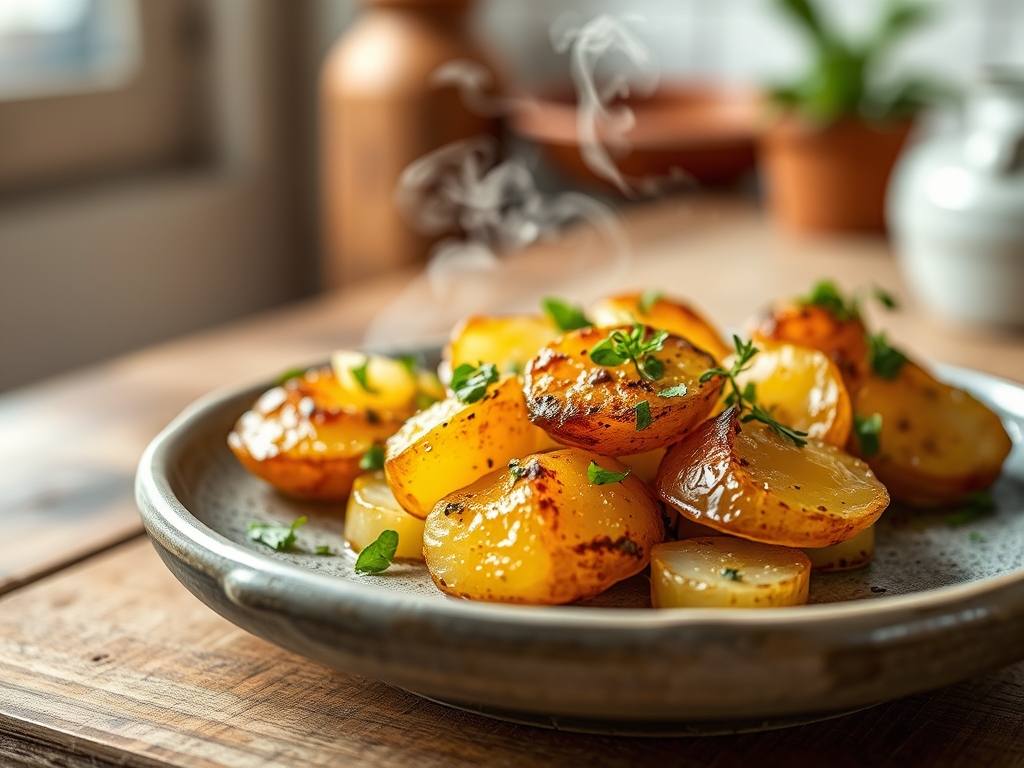
Picture a potato that manages to be both structurally defiant and impossibly creamy. It is the culinary equivalent of a cashmere sweater; it is soft, expensive-feeling, and perfectly structured. When you explore the world of sous vide potato recipes, you are moving beyond the humble boiled tuber into the realm of precision molecular gastronomy. Most home cooks settle for waterlogged mashes or unevenly charred wedges, but we are here to master the vacuum. By controlling the exact temperature at which potato starches gelatinize, we can create textures that are physically impossible to achieve with traditional boiling or roasting alone. Whether you are aiming for a glass-like crunch on a roast potato or a silken puree that flows like lava, the immersion circulator is your secret weapon. We are about to dive into the chemistry of the cell wall to ensure every bite is a masterpiece of thermal engineering. This is not just cooking; it is a calculated pursuit of the perfect starch.
The Gathers:
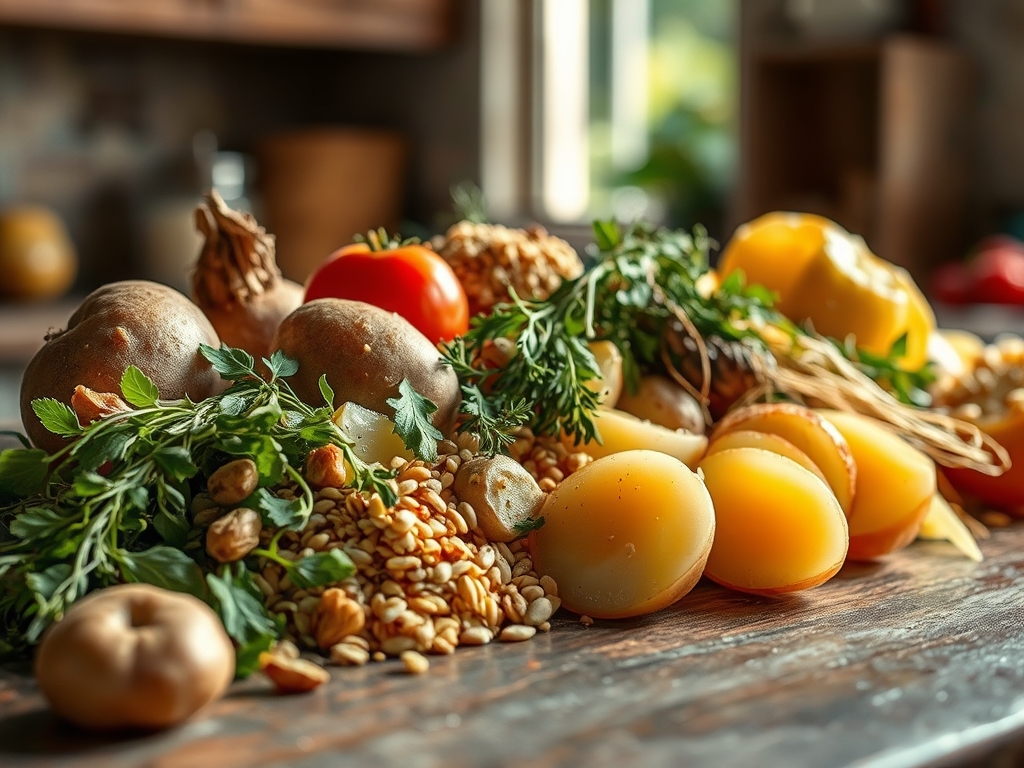
To execute these sous vide potato recipes with professional finesse, your mise-en-place must be exact. Start with high-density Russet potatoes for fluffy interiors or Yukon Golds for that coveted waxy, buttery finish. You will need high-quality fats; think unsalted European-style butter with a high butterfat content or rendered duck fat for a savory depth. Fresh aromatics are non-negotiable. Gather sprigs of woody rosemary, thyme, and several cloves of garlic. For the seasoning, use flaky sea salt and white pepper to maintain a pristine visual aesthetic without black flecks.
Smart Substitutions: If you are avoiding dairy, sub the butter for a high-quality extra virgin olive oil or avocado oil to maintain a viscous mouthfeel. For a piquant kick, swap the garlic for fermented black garlic or shallots. If you lack a vacuum sealer, the water displacement method using heavy-duty freezer bags works, but a true vacuum seal ensures the most efficient heat transfer and prevents the bags from floating. Use a digital scale to measure your salt at exactly 1.5 percent of the potato weight for perfect seasoning penetration.
The Clock
Efficiency in a professional kitchen is defined by "Chef's Flow." This refers to the synchronization of prep tasks so that no heat is wasted. For these sous vide potato recipes, your active prep time is a brisk 20 minutes. This includes peeling, slicing with a mandoline for uniformity, and vacuum sealing. The immersion phase is where the magic happens; expect a cook time of 90 minutes at 194 degrees Fahrenheit (90 degrees Celsius). This specific temperature is the "sweet spot" where pectin breaks down but the starch granules remain intact. Finally, allow 10 minutes for finishing, whether that involves a quick sear in a heavy-bottomed skillet or a pass through a ricer. Total time is roughly two hours, but 85 percent of that is completely hands-off.
The Masterclass
1. The Uniform Slicing
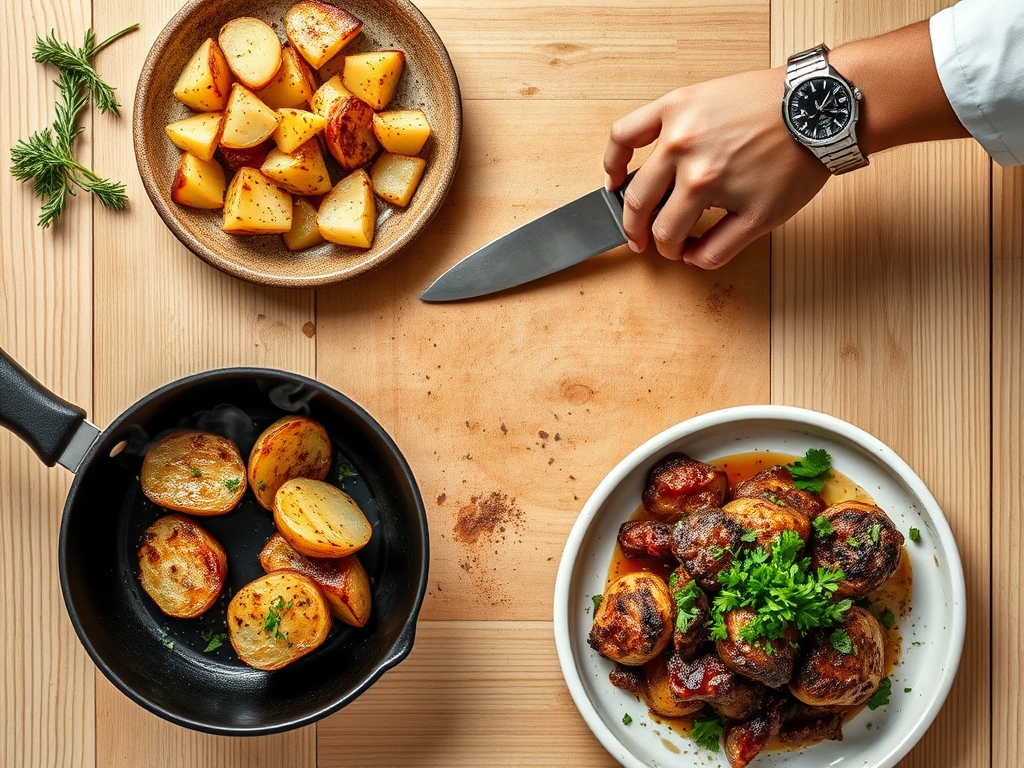
Start by peeling your tubers and using a bench scraper to clear your station. Slice the potatoes into uniform one-inch cubes or thick discs. Consistency is the primary law of thermodynamics in the kitchen; uneven sizes lead to uneven heat distribution.
Pro Tip: Uniformity prevents thermal carryover from overcooking smaller pieces while larger ones remain raw. By keeping dimensions identical, you ensure the pectin chains break down at the exact same rate across the entire batch.
2. The Vacuum Infusion
Place the potatoes in a single layer inside the bag. Add your fat of choice, aromatics, and salt. When the vacuum sealer engages, it does more than remove air; it forces the aromatics into the porous structure of the potato.
Pro Tip: This process is known as vacuum infusion. Because there is no water to dilute the flavors, the essential oils from the herbs and the fats are driven directly into the starch matrix, creating a flavor density that boiling can never replicate.
3. The Thermal Bath
Submerge the bag in the water bath preheated to 194 degrees Fahrenheit. Use a weighted rack or a heavy plate to keep the bag fully submerged. If the bag floats, the air pockets will act as insulation, leaving those sections undercooked and crunchy.
Pro Tip: At 194F, we are targeting the gelatinization of starch. If you go lower, the potatoes will stay firm forever due to an enzyme called pectin methylesterase which can actually toughen the potato if heated too slowly between 120F and 160F.
4. The Ice Bath Shock
Once the timer chirps, immediately plunge the sealed bag into a slurry of ice and water. This rapid cooling stops the cooking process instantly and "sets" the starch.
Pro Tip: This prevents enzymatic browning and structural collapse. If you plan to fry or roast them later, this cooling phase is what creates a sturdy exterior that can withstand high-heat finishing without falling apart.
5. The Surface Prep
Remove the potatoes from the bag and pat them bone-dry with paper towels. Any residual moisture on the surface will turn to steam in the pan, preventing the Maillard reaction from occurring.
Pro Tip: Surface moisture is the enemy of the Maillard reaction. By drying the exterior, you allow the surface temperature to rise rapidly above 300 degrees Fahrenheit, which is necessary for creating that golden-brown, savory crust.
6. The High-Heat Finish
Heat a heavy-bottomed skillet with a small amount of oil until it reaches the smoke point. Sear the potatoes in batches, using tongs to flip them gently until every side is shatteringly crisp.
Pro Tip: Because the interior is already perfectly "creamified" by the sous vide process, the pan fry is purely for texture. This allows you to use extremely high heat for a short duration, minimizing oil absorption while maximizing crunch.
7. The Final Aeration
If you are making a puree, pass the hot potatoes through a ricer or food mill into a saucier. Whisk in the remaining liquids from the sous vide bag to capture every drop of infused flavor.
Pro Tip: Use a whisk to aerate the mixture. Incorporating tiny air bubbles into the dense starch and fat emulsion creates a mouthfeel that is light and ethereal rather than heavy and gluey.
The Deep Dive
From a macro nutrition perspective, potatoes are an excellent source of complex carbohydrates and potassium. By using the sous vide method, you actually retain more vitamins and minerals that are typically leached out into boiling water. For Dietary Swaps, those on a Vegan path can utilize coconut oil or vegan butter; the vacuum seal ensures these flavors still feel "expensive." For a lower-carb profile, you can apply these same techniques to radishes or turnips, though the cook times will decrease by thirty percent.
The Fix-It:
- Floating Bags: If your bag keeps rising, add a heavy stainless steel spoon inside the bag before sealing.
- Gluey Texture: This happens if you use a high-speed blender. Always use a ricer or microplane to break down potatoes without shearing the starch molecules.
- Underdone Centers: Ensure your immersion circulator has enough space for water to flow. If the bath is overcrowded, "cold spots" will ruin the batch.
Meal Prep: To reheat, keep the potatoes in their sealed bags in the fridge for up to five days. To serve, simply drop the bag back into a 150-degree bath for ten minutes to render the fats back to a liquid state, then finish in a pan as usual.
The Wrap-Up
Mastering sous vide potato recipes is a total game-changer for your Sunday roasts and dinner parties. You are no longer at the mercy of a boiling pot of water; you are the conductor of a precise thermal orchestra. By understanding the interplay of starch gelatinization and vacuum infusion, you can produce side dishes that are consistently world-class. Grab your circulator, trust the science, and prepare for the best potatoes of your life.
The Kitchen Table
Can I sous vide potatoes ahead of time?
Yes; you can cook and ice-bath them up to five days in advance. Store them in the sealed bag in the refrigerator. This actually improves the final roast texture by allowing the starches to retrograde and firm up.
Why are my sous vide potatoes still hard?
Potatoes require a high temperature of at least 190F to break down pectin. If your circulator was set lower, or if the bag floated above the water line, the starch granules will not fully soften, resulting in a crunchy texture.
Do I need to peel potatoes for sous vide?
It is optional but recommended for the best flavor infusion. Peeling allows the fats and aromatics to penetrate the flesh directly. If you keep the skins on, ensure they are scrubbed thoroughly to avoid any earthy "off" flavors in the bag.
Can I put butter in the sous vide bag?
Absolutely. Adding butter or duck fat to the bag allows the potato to essentially confit while it cooks. This creates a rich, viscous interior texture and ensures the aromatics like rosemary and garlic are evenly distributed throughout the tubers.