
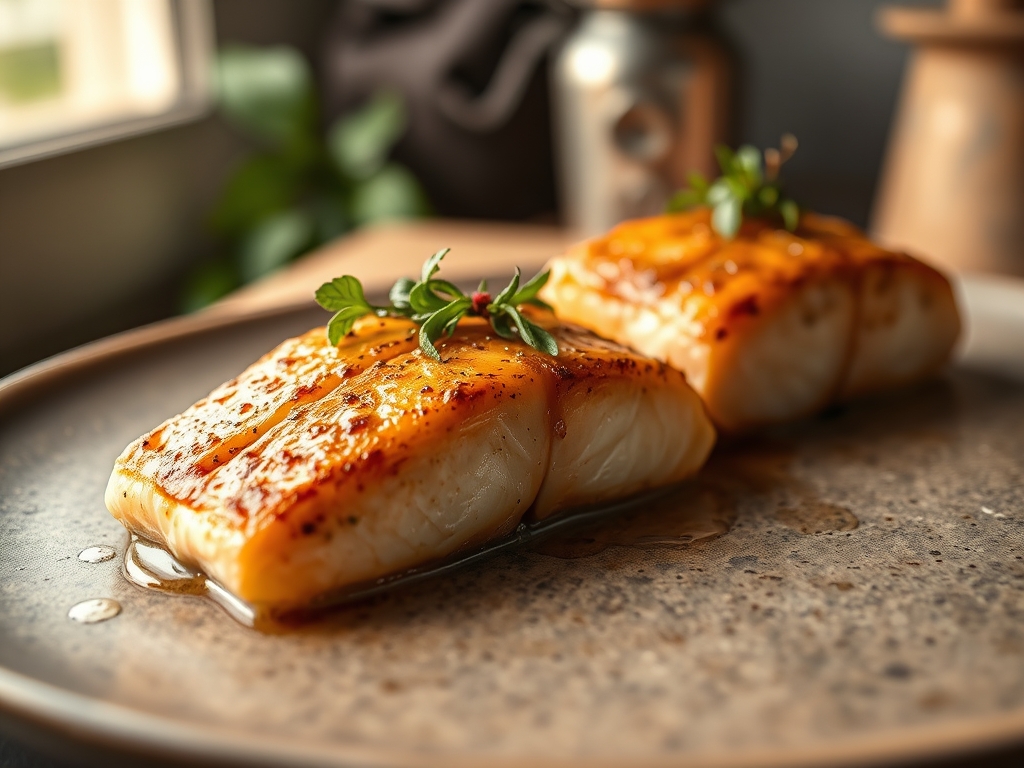
Picture the sharp hiss of cold protein meeting a heavy bottomed skillet. That sound is the overture to a perfect evening. When you are mastering salmon recipes for two, you are not just cooking; you are conducting a symphony of thermal physics and lipid chemistry. The goal is a glass like skin that shatters under a fork while the interior remains a buttery, translucent medium rare. It is the ultimate culinary flex for a quiet Tuesday or a high stakes date night. We are moving past the days of gray, overcooked fillets and embracing the precision of professional technique.
The beauty of cooking for a duo is the control it affords you. You can focus on the micro details that get lost in large batches. We are talking about the Maillard reaction in its purest form and the delicate emulsion of a pan sauce that coats a spoon with silk. Whether you are craving a piquant citrus glaze or a deep, umami crust, these salmon recipes for two provide the technical framework to turn a simple grocery run into a Michelin star experience. Let us get your mise en place ready and your skillet screaming hot.
The Gathers:
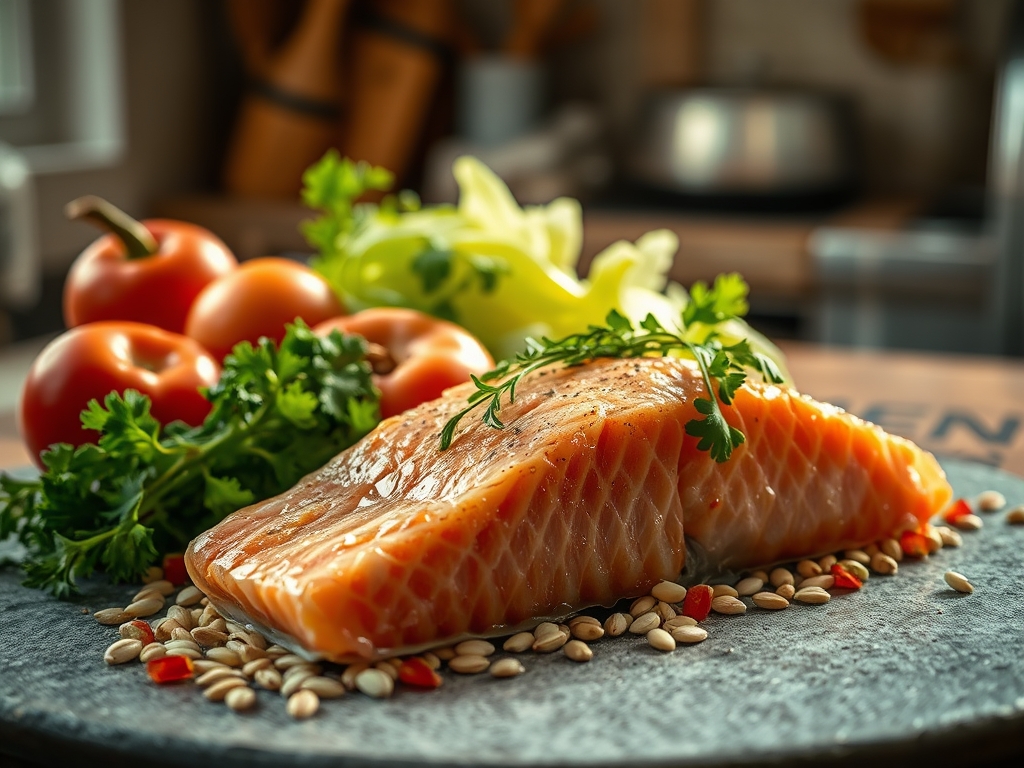
To achieve a restaurant quality finish, your ingredients must be treated as chemical components. Start with two six ounce center cut fillets. This cut is superior because the uniform thickness ensures even heat distribution across the muscle fibers. You will need a high smoke point lipid, such as avocado oil or clarified butter, to facilitate the sear without the acridity of burnt milk solids.
Gather your aromatics: fresh thyme sprigs, smashed garlic cloves, and perhaps a shallot for a fine mince. These will infuse the rendered fat during the final basting stage. Use a microplane to zest a lemon; the essential oils in the flavedo are more volatile and fragrant than the acidic juice alone. For the seasoning, use a digital scale to measure kosher salt. The larger crystal size allows for better grip and more controlled distribution compared to fine table salt.
Smart Substitutions:
If you cannot find fresh Atlantic salmon, look for Steelhead trout. It shares a similar fat profile and orange hue but offers a slightly more delicate texture. For a vegan partner, thick slabs of cauliflower or king oyster mushrooms can be treated with the same searing techniques, though they lack the omega 3 fatty acids that provide salmon its characteristic mouthfeel. If you are out of fresh herbs, a pinch of dried tarragon added to the deglazing liquid provides a sophisticated, anise forward profile.
The Clock
Efficiency in the kitchen is about the Chef's Flow. This is the art of overlapping tasks so that nothing sits idle. For these salmon recipes for two, the total active time is roughly 25 minutes. Prep takes 10 minutes; this involves patting the fish bone dry to prevent steam and mincing your aromatics. The actual cook time is a swift 8 to 12 minutes depending on your desired internal temperature.
The flow begins with the skillet. While the pan preheats, you season. While the first side sears, you prep your side dish or whisk your sauce. The final 3 minutes are reserved for resting. Never skip the rest. It allows the protein structures to relax and reabsorb the internal juices, ensuring the first cut is succulent rather than a puddle of wasted moisture on the plate.
The Masterclass
1. The Desiccation Phase
Use a paper towel to press every ounce of moisture from the skin. Moisture is the enemy of the crunch. If the surface is damp, the heat energy is spent evaporating water rather than browning the skin.
Pro Tip: This is the science of evaporative cooling. If the surface is wet, the temperature cannot rise above 212 degrees Fahrenheit, preventing the Maillard reaction from occurring until the moisture is gone.
2. The Cold Start or Hot Sear
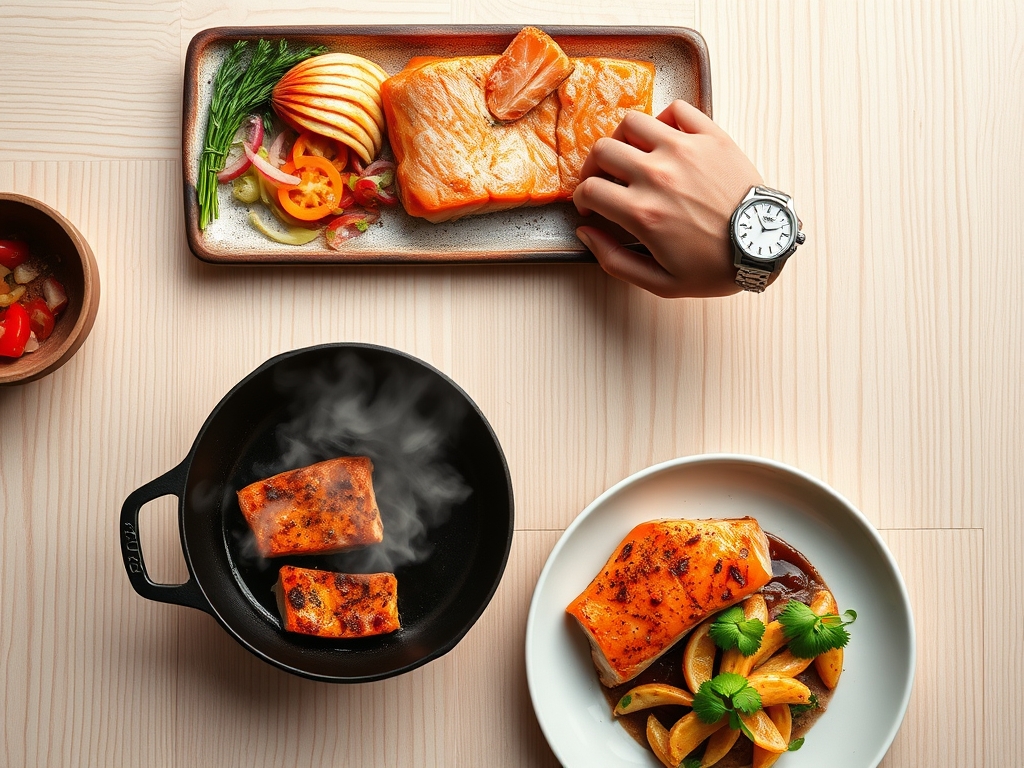
Place your heavy bottomed skillet over medium high heat until the oil shimmers. Lay the fillets away from you to avoid hot oil splatter. Use a flexible fish spatula to press the fillets down firmly for the first 30 seconds.
Pro Tip: Pressing the fish prevents the contraction of collagen fibers in the skin. Without pressure, the skin curls, lifting the center of the fillet away from the heat and creating an uneven cook.
3. The Render and Relax
Lower the heat slightly. Let the salmon cook about 80 percent of the way on the skin side. You will see the opaque color creeping up the sides of the fish. This protects the delicate flesh from direct, harsh heat.
Pro Tip: This technique utilizes unidirectional heat transfer. The skin acts as a thermal buffer, slowly rendering the subcutaneous fat which then fries the skin to a crisp.
4. The Aromatic Baste
Flip the fish gently using tongs. Toss in a knob of butter, your garlic, and thyme. As the butter foams, tilt the pan and use a large spoon to shower the hot, infused fat over the skin.
Pro Tip: This is convection cooking within a pan. The hot fat reaches the crevices the pan surface cannot, adding deep flavor and finishing the top of the fish without overcooking the center.
5. The Thermal Finish
Remove the fish when the internal temperature hits 125 degrees Fahrenheit for medium rare. Transfer to a warm plate and let it rest.
Pro Tip: Carryover cooking will raise the internal temperature by another 5 to 7 degrees. If you wait until it looks "done" in the pan, it will be dry by the time you eat it.
The Deep Dive
Macro Nutrition:
Salmon is a nutritional powerhouse. A standard six ounce serving provides roughly 34 grams of high quality protein and 18 grams of healthy fats, primarily Omega 3s. It is naturally low in carbohydrates, making it a staple for metabolic health.
Dietary Swaps:
For a Keto approach, serve with a heavy cream and caper reduction. For a Gluten Free version, ensure your soy sauce or glazes use Tamari. If you are aiming for a low fat profile, swap the butter basting for a parchment paper "en papillote" method, which uses steam rather than fat to cook the fish.
The Fix-It:
- The Skin is Stuck: Do not tug. If it is stuck, the protein bonds haven't released yet. Wait another 30 seconds for the "self release" that occurs once the crust is formed.
- The White Gunk (Albumin): If you see white clouds appearing, the heat is too high. This is protein liquid being squeezed out of the muscle. Lower the temp immediately.
- Soggy Skin: You likely crowded the pan or didn't dry the fish. Next time, use a larger skillet or cook in batches to ensure air circulation.
Meal Prep & Reheating:
To maintain "day one" quality, never microwave salmon. The high frequency waves agitate the fat molecules too quickly, resulting in a fishy odor. Instead, reheat in a 275 degree oven with a splash of water and a cover, or flake it cold into a salad.
The Wrap-Up
Mastering salmon recipes for two is a gateway to culinary confidence. It teaches you to listen to the pan, to respect the product, and to understand the delicate balance of heat and time. Once you have the technique down, the flavor combinations are infinite. From a spicy gochujang glaze to a classic lemon herb butter, you are now equipped to turn a simple fillet into a masterpiece. Grab your apron and get searing.
The Kitchen Table
How do I know when the salmon is done?
The most reliable method is using a digital thermometer. For a buttery, medium rare texture, pull the fish at 125 degrees Fahrenheit. The temperature will rise to a perfect 130 degrees as it rests on the plate.
Why does my salmon smell fishy?
Fresh salmon should smell like the ocean, not "fishy." That odor comes from Trimethylamine Oxide breaking down. To fix it, rinse the fillets in cold water and pat them dry, or soak them in milk for twenty minutes.
Can I cook salmon from frozen?
Yes, but for the best texture, thaw it slowly in the refrigerator. If you must cook from frozen, use the air fryer or a poaching method to ensure the center cooks through without burning the exterior.
What is the best pan for salmon?
A heavy bottomed stainless steel or cast iron skillet is best. These materials hold heat exceptionally well, which is crucial for creating a consistent, golden brown crust through the Maillard reaction without dropping in temperature.