
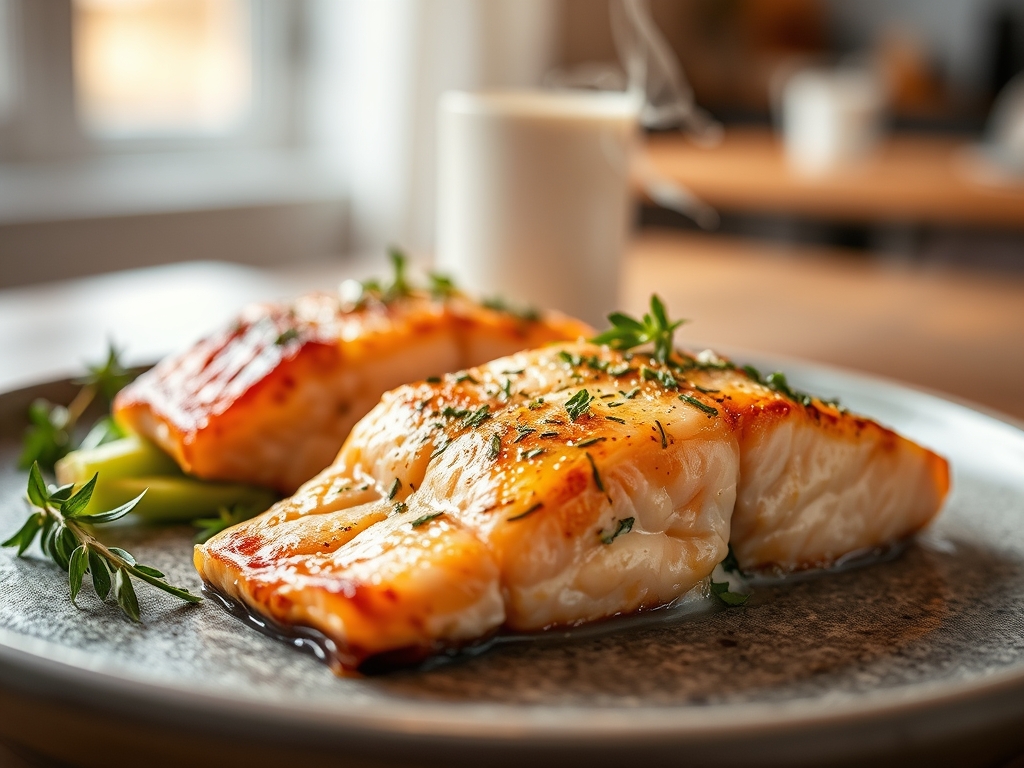
Imagine the scent of citrus zest and crackling sea salt hitting a hot sheet pan; it is the olfactory equivalent of a standing ovation. When you are hunting for the best baked wild salmon recipes, you are not just looking for dinner; you are looking for a masterclass in texture. Wild salmon is a different beast than its fatty, farmed cousins. It is lean, muscular, and vibrant, requiring a delicate touch to avoid the dreaded "chalky" finish. Today, we are transforming that ruby-red fillet into a buttery, melt-in-your-mouth masterpiece that will make your kitchen feel like a high-end bistro.
The Gathers:
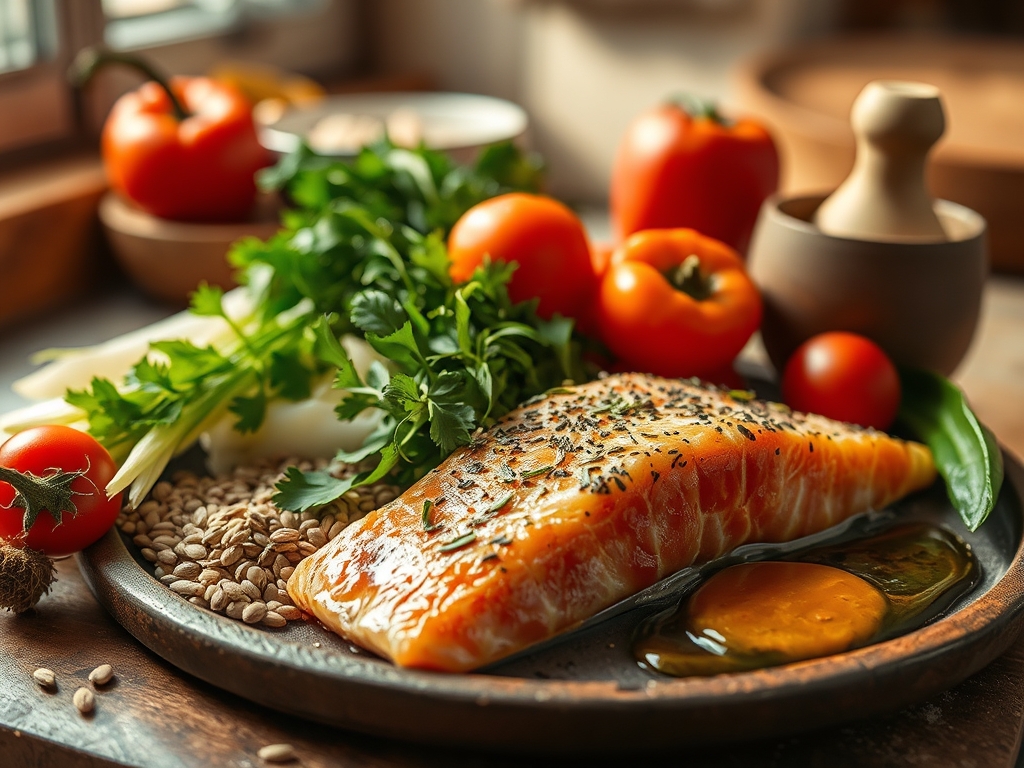
To achieve a restaurant-grade result, your mise-en-place must be precise. Start with a cold, firm wild Sockeye or King salmon fillet. You will need high-quality fats to compensate for the lower lipid content of wild fish; think grass-fed butter or a viscous extra virgin olive oil. Aromatics are non-negotiable. Gather fresh dill, garlic cloves, and a bright lemon.
For your dry components, use flaky Maldon sea salt and freshly cracked black pepper. To elevate the flavor profile, include a piquant element like capers or a dash of Dijon mustard. If you want to infuse the dish with a smoky depth, a pinch of pimenton (smoked paprika) works wonders.
Smart Substitutions: If you are out of fresh lemons, a splash of dry white wine or verjuice provides the necessary acidity to cut through the richness. Instead of butter, use ghee for a higher smoke point or avocado oil for a neutral, heart-healthy alternative. Use a microplane to zest your citrus; this ensures you get the fragrant oils without the bitter white pith.
The Clock
The "Chef's Flow" is all about timing and thermal management. Total preparation time is a brisk 10 minutes, while the actual bake time ranges from 12 to 15 minutes depending on the thickness of the cut.
- The Chill Break (5 mins): Temper the fish by letting it sit at room temperature. Cold protein hitting a hot oven causes the muscle fibers to contract violently, squeezing out moisture.
- The Prep (5 mins): Patting the skin dry and applying the rub.
- The Active Bake (12-15 mins): Monitoring the internal temperature with a digital thermometer.
- The Rest (5 mins): Crucial for moisture redistribution.
The Masterclass
1. The Desiccation Ritual
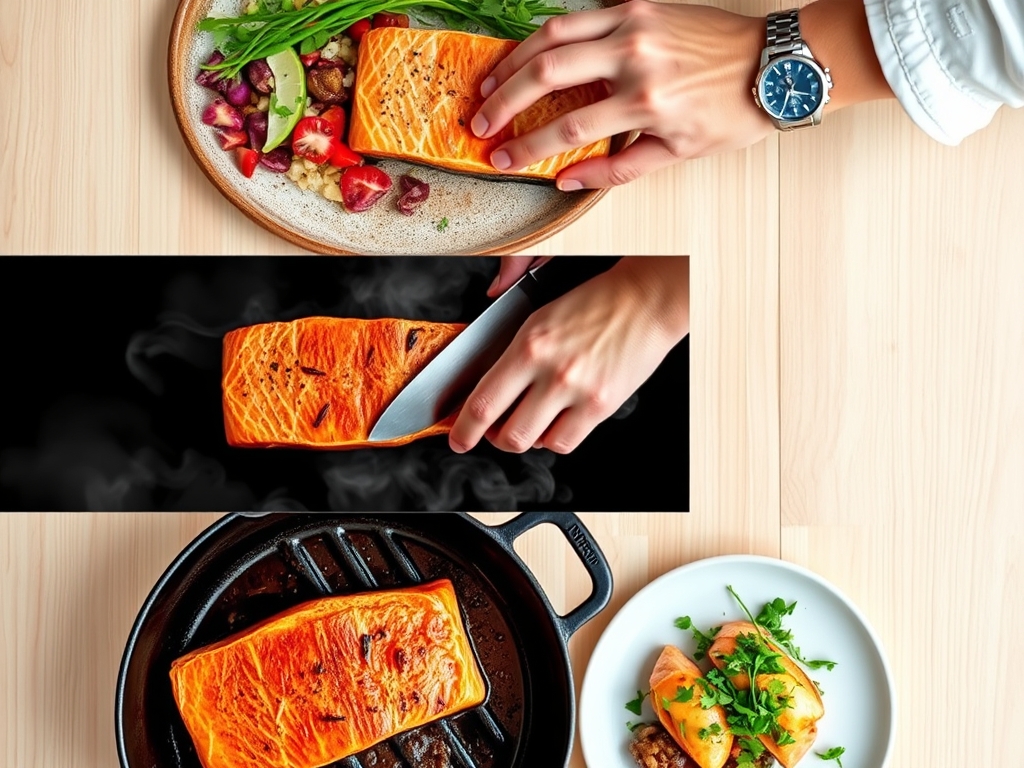
Use a paper towel to aggressively pat the salmon skin and flesh dry. Moisture is the enemy of the Maillard reaction. If the surface is wet, the fish will steam rather than roast.
Pro Tip: This process is known as surface desiccation. By removing water, you allow the heat to immediately begin breaking down sugars and amino acids, creating a savory crust instead of a soggy exterior.
2. The Fat Barrier
Slather the fillet with your chosen fat. Use a saucier to melt butter with garlic and herbs before pouring it over the fish. This creates a protective lipid barrier that prevents the lean wild meat from drying out in the oven's convection currents.
Pro Tip: Fats act as a thermal insulator. Because wild salmon has less intramuscular fat than farmed Atlantic salmon, adding an external lipid source slows down the heat transfer to the delicate proteins.
3. The Precision Seasoning
Season from a height of at least twelve inches. This ensures an even distribution of salt crystals, preventing "hot spots" of over-seasoned meat. Use your digital scale if you are batch-cooking to ensure consistency across multiple fillets.
Pro Tip: Salt triggers denaturation, where protein coils begin to unwind. This allows the salt to penetrate deep into the muscle fibers, seasoning the fish from the inside out rather than just on the surface.
4. The Low and Slow Approach
Set your oven to 325 degrees Fahrenheit. While many recipes call for high heat, wild salmon thrives in a gentler environment. Place the fish on a parchment-lined heavy-bottomed sheet pan.
Pro Tip: Lower temperatures prevent the rapid coagulation of albumin. Albumin is that white, unappealing protein that leaks out of salmon when the muscle fibers contract too quickly. Slow roasting keeps the albumin tucked inside the cells.
5. The Internal Audit
Use a digital thermometer to pull the salmon when it hits 125 degrees Fahrenheit. Do not wait for it to reach 145 degrees in the oven, or you will end up with salmon jerky.
Pro Tip: This accounts for thermal carryover. Even after you remove the fish from the heat, the residual energy continues to cook the center. The temperature will naturally rise another 5 to 7 degrees while resting.
6. The Acid Finish
Immediately after pulling the pan from the oven, squeeze fresh lemon juice over the fillets. The heat will help the juice deglaze any caramelized bits on the skin and brighten the entire flavor profile.
Pro Tip: Acidity acts as a chemical "brightener." It balances the heavy lipids and provides a sharp contrast to the earthy, mineral notes found in wild-caught fish.
7. The Rest Period
Transfer the salmon to a warm plate using wide tongs or a fish spatula. Let it rest for five minutes uncovered.
Pro Tip: Resting allows the cell walls to reabsorb the juices. If you cut into it immediately, the moisture will flood the plate, leaving the meat dry and fibrous.
8. The Texture Check
Use a fork to gently press the thickest part of the fillet. It should yield easily and flake into large, translucent shards. If it looks opaque and matte, it is overdone.
Pro Tip: The goal is "medium-rare" to "medium." Wild salmon is most succulent when the center remains slightly translucent, indicating the collagen has softened without the proteins becoming tightly knotted.
The Deep Dive
Macro Nutrition: Wild salmon is a nutritional powerhouse. A 6-ounce serving typically contains about 35 grams of high-quality protein and is rich in Omega-3 fatty acids, specifically EPA and DHA. It is also a significant source of Vitamin D and Astaxanthin, the antioxidant that gives the fish its signature red hue.
Dietary Swaps:
- Keto: Double down on the butter and serve with asparagus.
- GF: This recipe is naturally gluten-free; just ensure your spices are certified.
- Vegan: While you cannot "swap" the salmon, you can apply these roasting techniques to thick-cut cauliflower steaks using a seaweed-infused oil to mimic the oceanic flavor.
The Fix-It:
- The White Gunk: If you see too much albumin, your oven was too hot. Next time, drop the temp by 25 degrees.
- Soggy Skin: You didn't dry the fish enough or used too much liquid in the pan. Use a bench scraper to lift the fish and keep the skin side away from any pooling juices.
- Fishy Smell: This usually means the fish wasn't fresh. Rinse the raw fillet in cold water and pat dry to remove oxidized oils before cooking.
Meal Prep: To reheat without losing quality, avoid the microwave. Use a toaster oven at 275 degrees with a splash of water and a foil cover. This creates a mini-steam chamber that gently rehydrates the proteins without overcooking them.
The Wrap-Up
Mastering baked wild salmon recipes is a rite of passage for any home cook who values both health and flavor. By respecting the lean anatomy of the wild fish and utilizing professional tools like the digital thermometer and microplane, you elevate a simple weeknight meal into a culinary event. Remember: dry the skin, watch the temperature, and always let it rest. You have got the science; now go get the glory!
The Kitchen Table
How do I know when wild salmon is done?
The most reliable method is using a digital thermometer. Pull the salmon at 125 degrees Fahrenheit for a perfect medium finish. The flesh should be easily flaked with a fork but still appear slightly translucent in the very center.
Why is my salmon dry even if it looks pink?
Wild salmon is leaner than farmed varieties. If it is dry, it was likely cooked at too high a temperature or left in the oven too long. Carryover cooking continues to heat the fish even after it is removed.
Can I bake wild salmon from frozen?
It is possible but not recommended for the best texture. Thawing in the refrigerator overnight allows the ice crystals to melt slowly, preserving the cellular structure. If you must, use a lower temperature and increase the cook time by fifty percent.
Should I leave the skin on when baking?
Yes, always. The skin acts as a protective barrier between the flesh and the hot pan. It also contains a layer of fat that renders during the baking process, basting the fish from the bottom up and adding intense flavor.